Book early during high season
Spring (March–May) and autumn (September–November) are when the best classes fill up fastest. La Maison Arabe and Riad Vendôme in particular book out a week or more ahead during peak season. If you have a specific date or class in mind, book before you arrive rather than hoping to walk in.
Choose classes that include a market visit
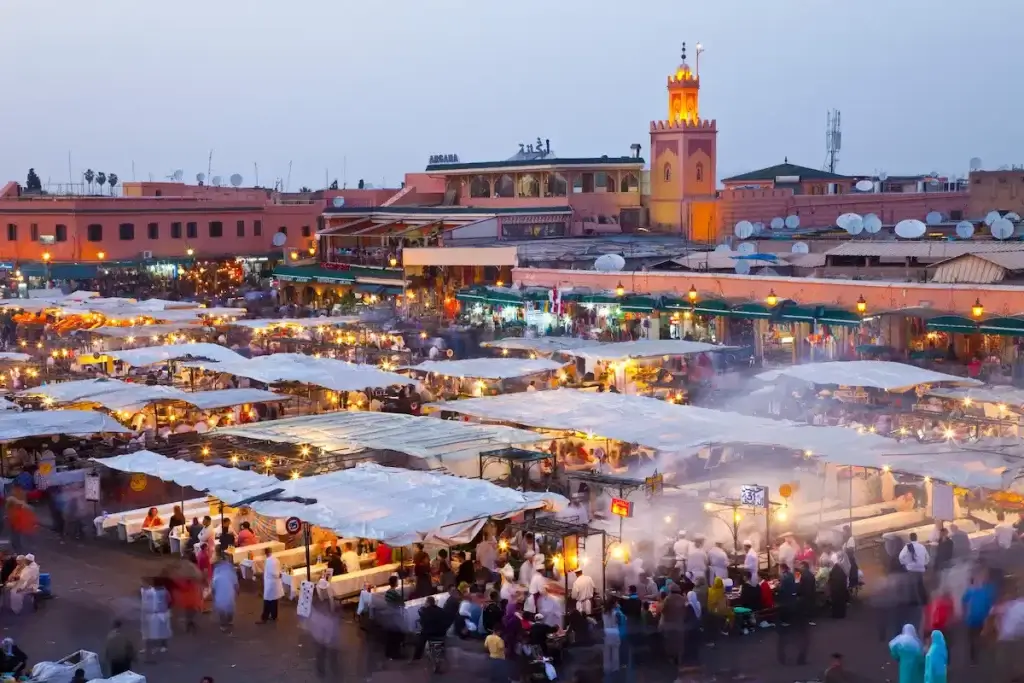
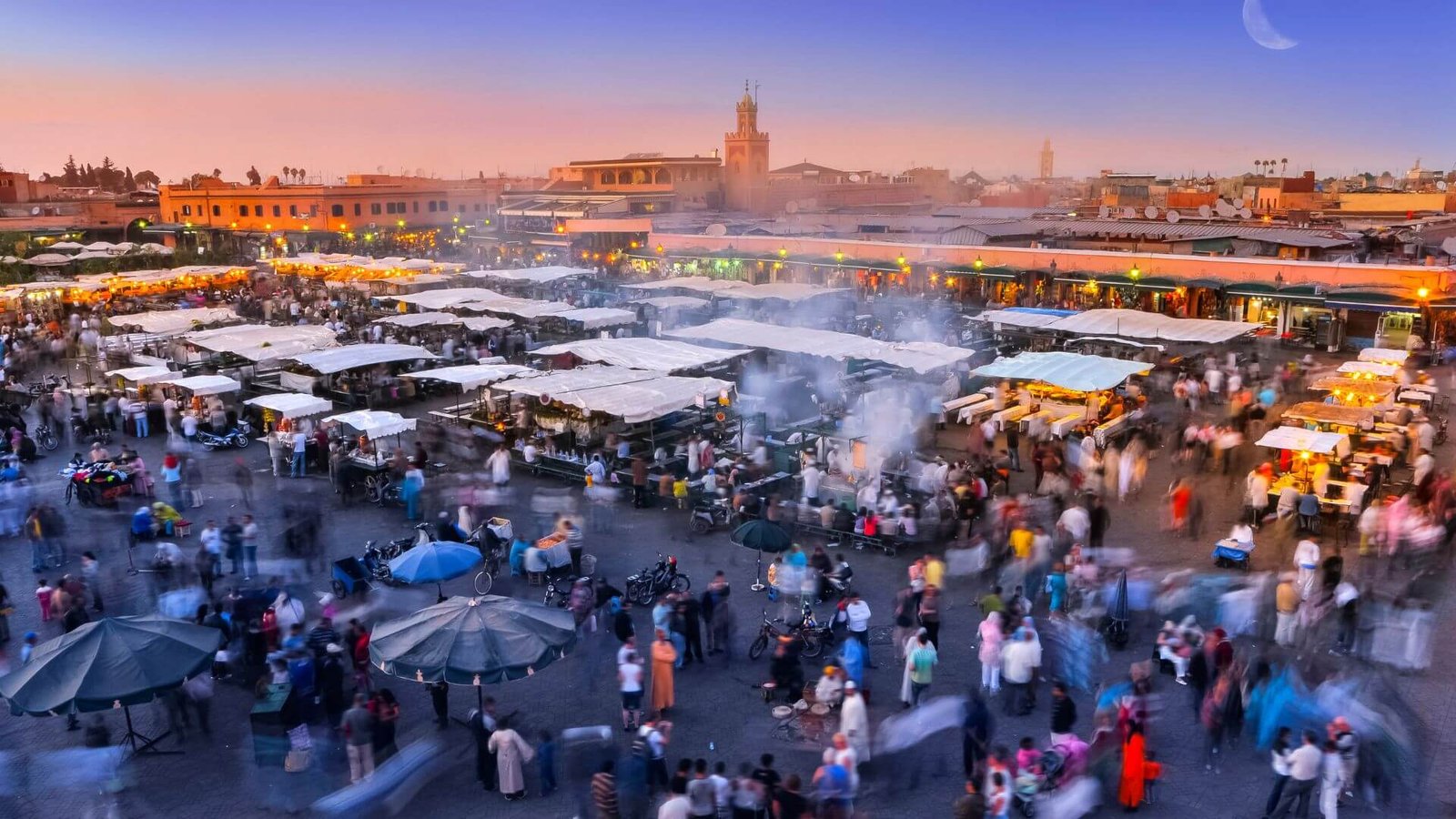
The souk portion isn’t just scenic — it’s where you learn what the ingredients actually look like before they’re processed, how to distinguish quality spices from inferior ones, and how the market functions as a supply system. Classes that skip the market tend to feel more like cooking demonstrations than genuine cultural experiences.
Check group size
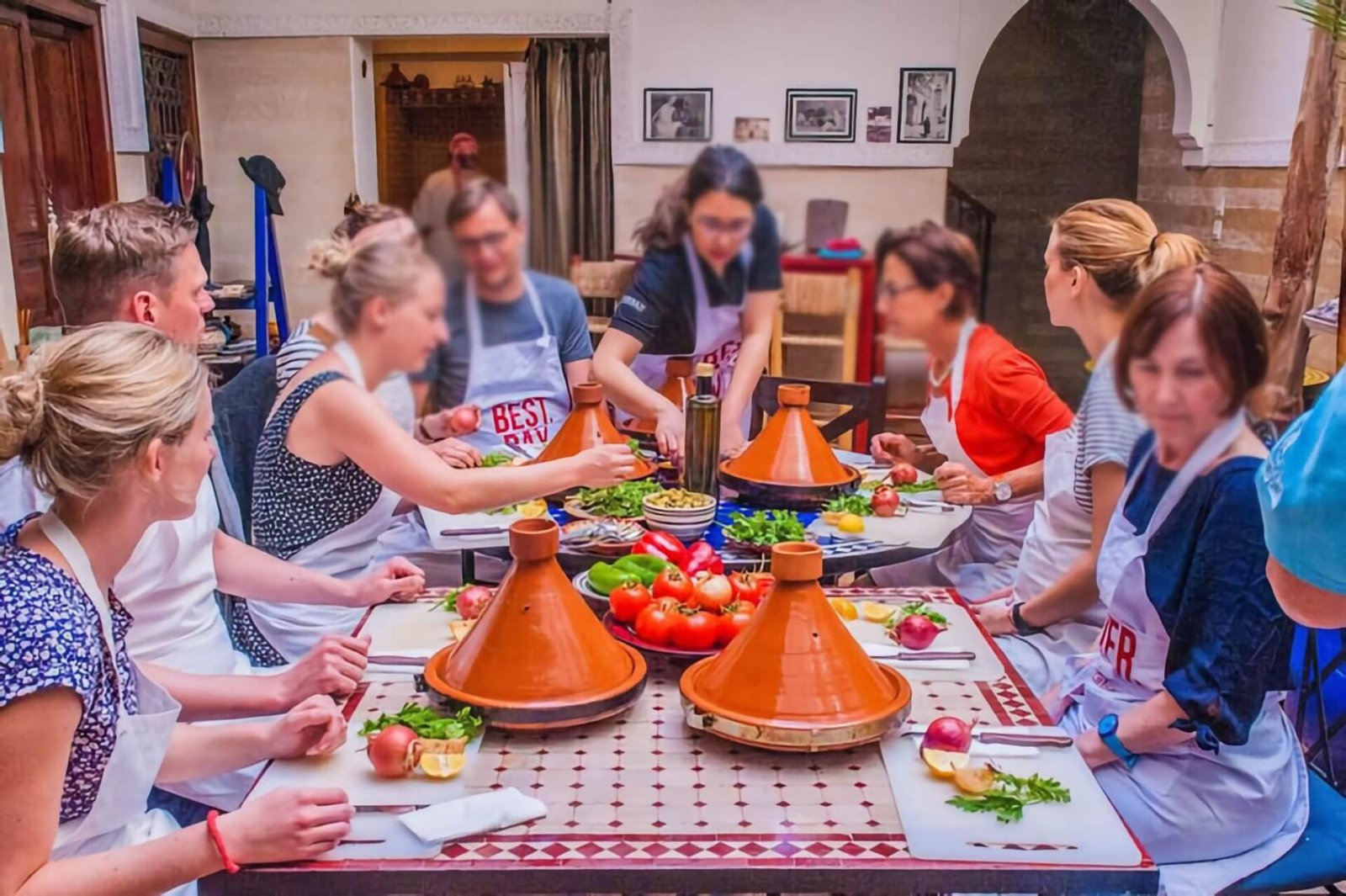
Six to eight participants is the sweet spot. Below that and you may be in a quasi-private session with more personal attention; above ten and the class becomes more observational than hands-on. Most of the listings above cap at eight for this reason. Confirm the maximum group size when booking.
Communicate dietary requirements in advance
Moroccan cuisine is largely adaptable. Vegetarian versions of couscous and tagine are standard; vegan versions of most dishes are possible with notice. Gluten-free is more complex given the flour-based pastries, but a good school will work around it. Give at least 48 hours’ notice when you book.
Look for riad settings
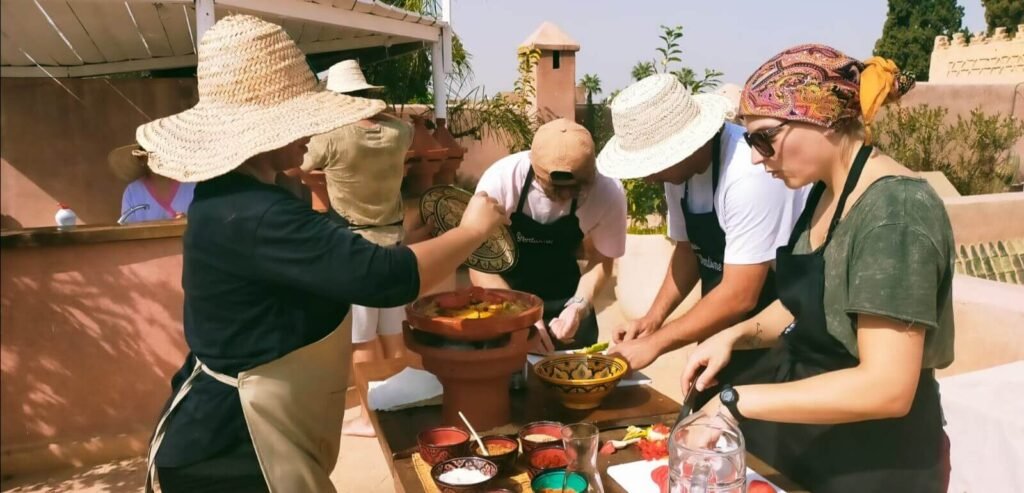
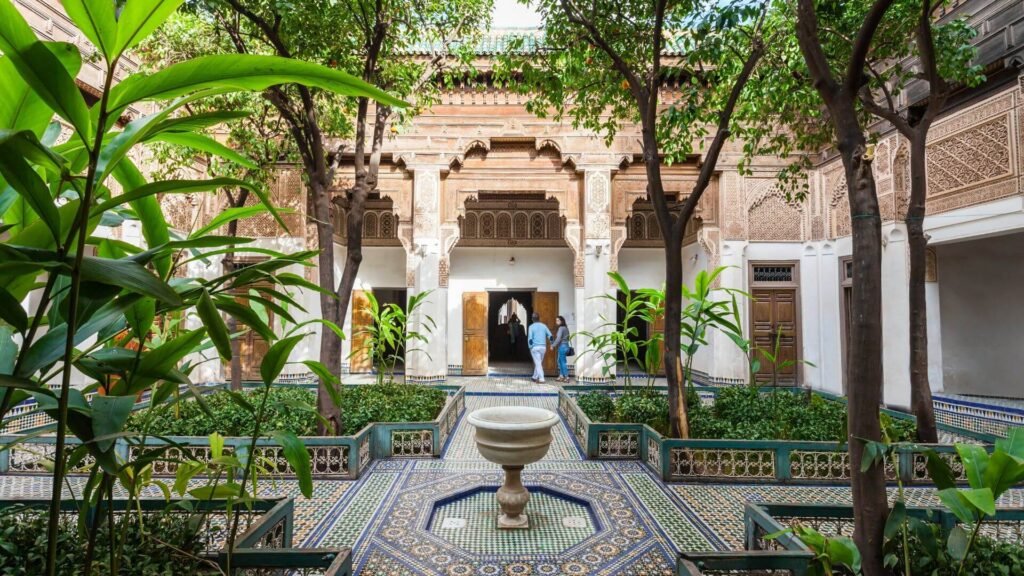
The physical setting matters. A class in a riad courtyard — tiled floors, central fountain, orange trees, natural light from the open roof — is a qualitatively different experience from one in a purpose-built commercial kitchen. Most of the best classes in Marrakech use riad kitchens for this reason, and it’s worth prioritising when you compare options.









 Marrakist Concierge