street food in marrakech

Best Street Food in Marrakech

The Jemaa el-Fna is the most documented street food square in North Africa — a UNESCO-recognised cultural space that transforms every evening into one of the densest concentrations of open-air cooking anywhere in the world. After dark, roughly a hundred numbered stalls occupy the square's eastern half, each running its own grill, its own menu, and its own team of vendors working the perimeter. Beyond the square, the Medina has a second, less visible street food circuit: the souk food alleys, the snail stalls of the central Medina, the harira counters that open at dusk, the msemen sellers around Bab Doukkala. Both are worth knowing.

Carefully Selected • Authentic Experiences • Updated 2026

Experience the Flavors of Marrakech Streets

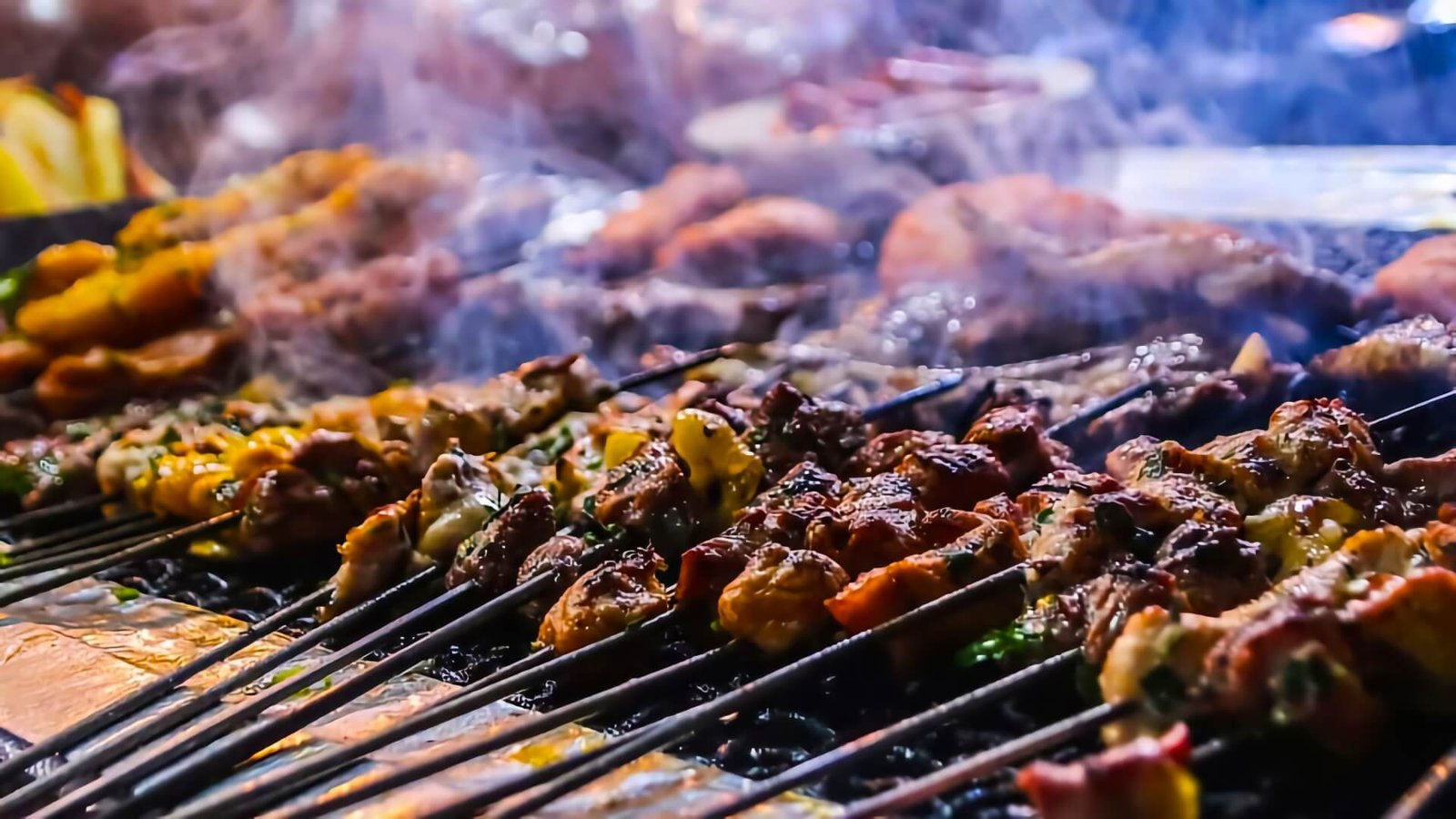
The Jemaa el-Fna stalls operate on a specific logic. Each stall has a number — look for it on the canopy — and a fixed menu board showing prices in dirhams. The vendor at the perimeter will invite you to sit; this is normal and expected, not pressure. The protocol is to look at the menu board, agree on what you want, and sit down. Prices are set; negotiating is not the practice here and will slow things down. The stalls are in direct competition, so quality and freshness vary — the busier stalls with the faster turnover are the better choice. The Jemaa el-Fna stalls serve merguez (lamb sausage), kefta (spiced minced lamb), brochettes, whole grilled fish, lamb chops, and a rotating selection of Moroccan salads and bread.

Away from the square, the Medina street food circuit operates differently — smaller scale, lower prices, less organised for visitors. The snail stall on the Rahba Kedima or near the Café de France serves babbouche (snails in spiced broth) in small bowls for 5–10 dirhams; the vendor ladles from a large pot and hands you a toothpick. Harira (tomato and lentil soup with vermicelli, spiced with ginger and saffron) is served at small counters from late afternoon. Fresh orange juice is pressed to order at the western edge of the Jemaa el-Fna and throughout the souk alleys — typically 5–10 dirhams per glass, squeezed while you watch.
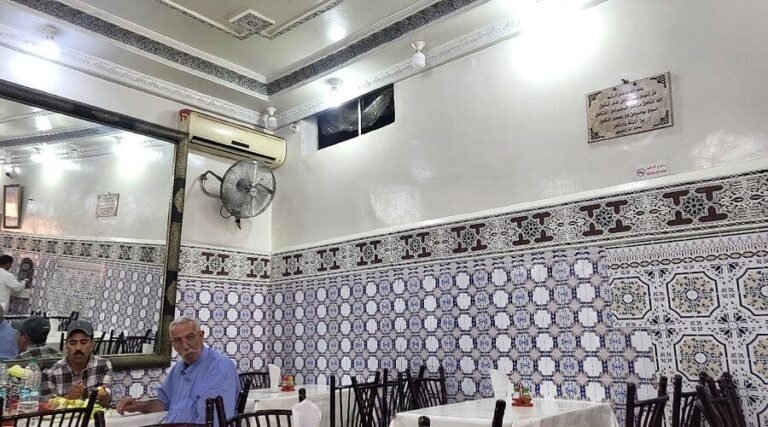
Top Street Food in Marrakech

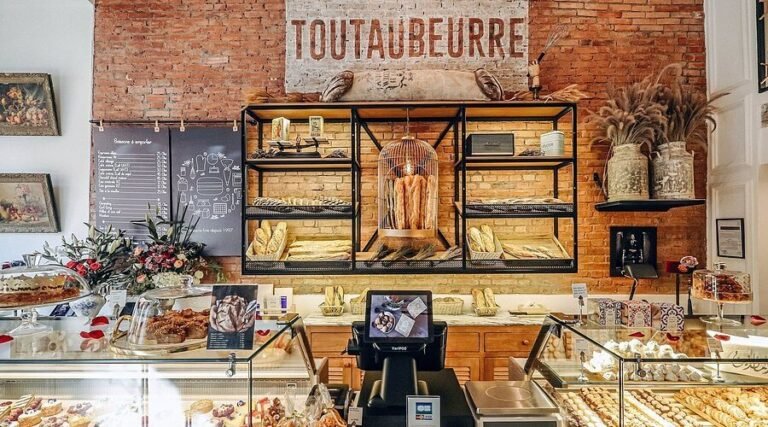
Patisserie Amandine Marrakech bakery with French pastries and casual cafe seating in Gueliz

Patisserie Amandine

Gueliz, Marrakech

A beloved spot in Gueliz for freshly baked pastries, cakes, and quick bites, offering a casual and affordable experience perfect for breakfast, coffee breaks, or takeaway treats.

Chaabi local Moroccan restaurant Marrakech serving traditional dishes in a simple setting

Chaabi

Medina, Marrakech

A simple, no-frills local spot serving authentic Moroccan classics, where the focus is entirely on generous portions, traditional flavors, and a true everyday dining experience.

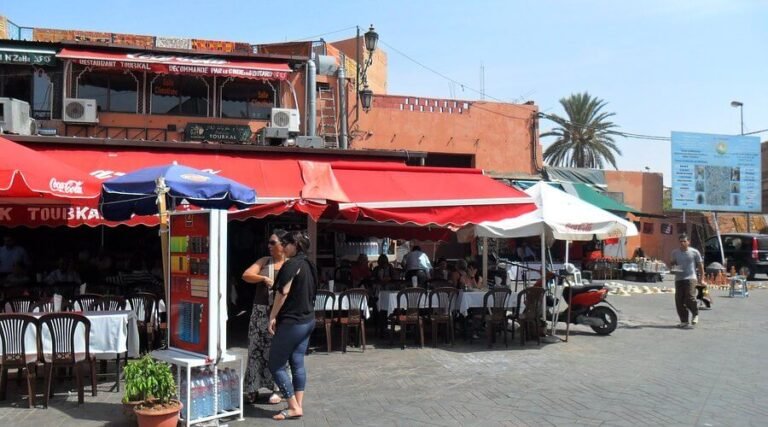
Snack Toubkal Marrakech street food spot near Jemaa el Fna serving Moroccan sandwiches and quick meals

Snack Toubkal

Medina, Marrakech

A popular local spot near Jemaa el-Fna serving quick and affordable Moroccan street food, from sandwiches to tagines, perfect for a fast and authentic bite in the Medina.

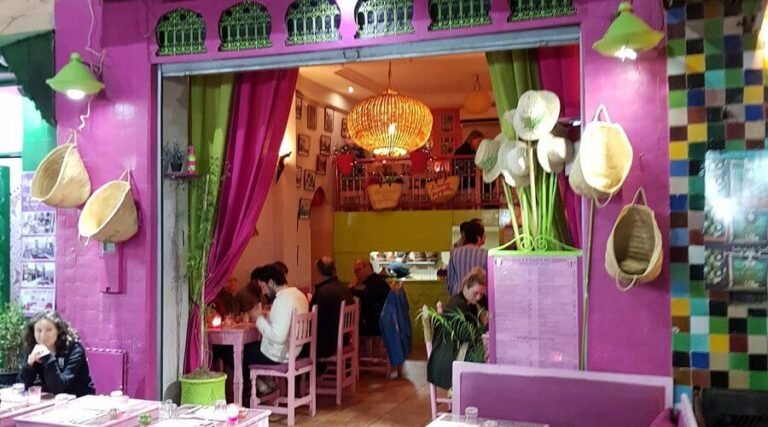
La Cantine des Gazelles Marrakech casual restaurant serving traditional Moroccan dishes in a lively setting

La Cantine des Gazelles

Medina, Marrakech

A vibrant and affordable spot in the Medina serving authentic Moroccan comfort food, known for its generous portions, quick service, and lively local atmosphere.

Own a street food stall in Marrakech? Get featured on our guide and reach travelers craving authentic local flavors.

Where to Find Street Food in Marrakech

The primary street food location is the Jemaa el-Fna — the eastern half of the square after 6pm, when the stalls set up and the food service begins. The stalls are numbered and arranged in rows; the outer ring of stalls tends to have more aggressive vendor engagement. The inner rows, once you’ve pushed past the perimeter, are calmer and the food quality is generally equivalent.

The secondary circuit runs through the Medina’s souk alleys: the food passage between the Rahba Kedima and the central souk area has small counters serving msemen, baghrir (Moroccan pancakes), and harira. The area around Bab Doukkala in the western Medina has a cluster of neighbourhood food stalls serving a largely local clientele — lower prices, less visitor engagement. The Mellah (Jewish quarter) market on place des Ferblantiers has daytime food stalls. In Gueliz, street food is minimal; the culture is café and restaurant rather than stall.

Tip: The best single navigational tip for the Jemaa el-Fna: arrive at 6pm rather than 8pm. At 6pm the stalls are setting up, the vendors are less intense, and you can walk the full circuit and choose a stall calmly. At 8pm the square is at peak density and the vendor engagement is at its highest.

Why Experience Street Food in Marrakech?

Six specific reasons the Marrakech street food scene is worth a dedicated evening rather than an incidental snack.

Authentic Local Flavors

The Jemaa el-Fna stalls are serving the same food that has been cooked in this square for centuries — merguez, kefta, brochettes, whole fish, Moroccan salads, khobz fresh from the oven. This is not a tourist approximation of Moroccan food; it is the actual food of the city, cooked in the open and eaten standing or at long shared tables. The quality across stalls is variable but the ingredients and recipes are consistent with Moroccan home cooking.

Affordable Culinary Adventure

A full meal at a Jemaa el-Fna stall — merguez or brochettes, salads, bread, a soft drink — costs 60–100 dirhams per person (€6–10). A bowl of harira from a Medina counter: 8–15 dirhams. Fresh orange juice: 5–10 dirhams. Babbouche (snails): 5–10 dirhams per bowl. This is among the best value eating in any major North African city, and the quality-to-price ratio at the better stalls is high.

Vibrant Atmosphere

The Jemaa el-Fna after dark is one of the most-visited public spaces in Africa for a reason. The combination of smoke from a hundred grills, the calls of vendors in Arabic and French, the Gnawa musicians working the perimeter, the storytellers and acrobats in the open sections of the square, and the sheer density of people eating and moving together creates an environment that has no equivalent elsewhere. It is specifically worth experiencing at least once, ideally arriving before the full peak to watch it build.

Late-Night Delights

The Jemaa el-Fna stalls run until midnight or later, making the square one of the few places in Marrakech where a full meal is available after 10pm. The Medina's neighbourhood harira and msemen counters also run late — the harira counter is often the last thing to close, serving the post-prayer crowd. For visitors whose internal clock has shifted or who prefer eating late, the square solves the problem of finding food after 9pm that a restaurant-based dinner would not.

Cultural Connection

Eating at a Jemaa el-Fna stall puts you in the same physical space and at the same tables as Marrakchi residents eating dinner — workers from the souks, families from the surrounding neighbourhoods, students. The stalls are not designed for tourists exclusively; a significant portion of the clientele at any given stall will be local. The interaction with the vendor — choosing from the menu board, watching the grill, getting the bread passed down the table — is the most direct point of contact between visitor and city that most people will find in Marrakech.

Variety and Adventure

A circuit of the Jemaa el-Fna and the surrounding Medina food counters in a single evening can cover: merguez from one stall, harira from a counter near the Café de France, snails from the babbouche vendor on the Rahba Kedima, fresh orange juice from the juice stalls on the western side of the square, and msemen with honey from a neighbourhood bakery on the walk back. Five different foods, five different locations, total cost under 100 dirhams. No equivalent of this range and price exists in the restaurant category.

Tips for Enjoying Street Food in Marrakech

Eight practical notes for navigating the Jemaa el-Fna stalls and the Medina street food circuit.

Go When the Crowds Are High

Turnover is the best guide to freshness at the Jemaa el-Fna stalls. A stall with ten people eating has food coming off the grill continuously; a stall with two people may have food that has been sitting. The peak hours — 7:30–9:30pm — are when freshness is guaranteed and the energy of the square is at its highest. Arriving at this time and choosing the busier stalls is the single most reliable quality filter available.

Try Small Portions First

The Jemaa el-Fna stall format allows for sampling before committing. Walk the circuit first — all the way around the stall rows — and look at what's on the grills and menu boards before sitting down. A plate of merguez at one stall, a separate plate of brochettes at another, salads shared across both: the stalls are not expecting a single multi-course order and will not object to a focused one.

Watch How Food Is Prepared

The open-grill format means food preparation is completely visible, which is an advantage. Choose stalls where the meat is going directly from grill to plate rather than sitting in a tray. The bread (khobz) should be fresh; the salads should look recently dressed. Stalls where the vendor is actively grilling when you arrive are preferable to stalls where the grill has cooled.

Bring Cash in Small Denominations

All Jemaa el-Fna stalls are cash only. Bring 100–200 dirhams in small bills (20s and 10s) for a full evening in the square and the surrounding Medina counters. The neighbourhood snail and harira vendors handle only small denominations. ATMs are available on the northern side of the square and on avenue Mohammed V in Gueliz.

Go Late Afternoon or Evening

The stalls begin setting up from 5pm and are fully operational from 6pm. The best window is 6–7pm: the square is active, the vendors are engaged, and the grill is running at full capacity but the peak crowd hasn't arrived. After 9pm the square is at maximum density and finding a seat requires waiting. The surrounding Medina food counters (harira, snails, juice) are at their best from 5pm onward.

Ask Locals for Recommendations

The most reliable indicator of a good stall is a Marrakchi at the table. If you see a table where the majority of people eating are clearly local rather than tourist, that stall is making the right choices. Hotel staff — particularly riad staff who live in the Medina — can name specific stall numbers at the Jemaa el-Fna that they use themselves. This is more reliable than any published list because the stalls change seasonally.

Stay Hydrated

Fresh orange juice at the Jemaa el-Fna — pressed to order from the stalls on the western side of the square — is the correct accompaniment to the grilled food. The juice stalls are separate from the food stalls; prices are 5–10 dirhams per glass and should be agreed before the juice is pressed. The merguez and kefta are well-spiced and the square is warm in the evening; juice or water between courses is practical.

Embrace the Adventure

The vendor engagement at the Jemaa el-Fna perimeter — vendors inviting you to sit, showing menus, calling from their stalls — is part of the experience and not a problem to be avoided. A direct "la shukran" (no thank you) is understood and respected. Once seated, the interaction shifts immediately from sales to service and the vendor's focus is on getting food to the table correctly. The perimeter walk and the sitting-down experience are two different registers; understanding this makes the transition easier.

FAQs About Street Food in Marrakech

Is street food in Marrakech safe to eat?

The Jemaa el-Fna stalls are generally safe — the food is cooked to order over open grills, turnover is high, and the stalls operate under municipal oversight. The practical rules: choose busy stalls with active grills, avoid food that has been sitting in trays rather than coming directly from the fire, and stick to cooked food rather than raw preparations. Stomachs unaccustomed to Moroccan spicing may need a day or two to adjust regardless of hygiene standards. The snail broth and harira are specifically gentle on unfamiliar digestive systems.

What are must-try street food dishes in Marrakech?

Merguez (lamb sausage, grilled over charcoal) and kefta (spiced minced lamb brochette) from the Jemaa el-Fna stalls are the starting point. Babbouche (snails in spiced broth, eaten with a toothpick) from the snail vendors on the Rahba Kedima or near the Café de France. Harira (tomato, lentil, and chickpea soup with saffron and ginger) from the Medina counters after dusk. Fresh orange juice from the juice stalls on the western side of the Jemaa el-Fna. Msemen (layered flatbread with argan oil and honey) from neighbourhood bakeries. Each of these is available for under 20 dirhams.

Where is the best place for street food in Marrakech?

The Jemaa el-Fna is the primary location — the numbered stalls in the eastern half of the square after 6pm. For the secondary circuit: the Rahba Kedima and the souk food alleys between the spice square and the central souk for snails, harira, and juices; the area around Bab Doukkala in the western Medina for msemen and neighbourhood food at local prices. The juice stalls on the western side of the Jemaa el-Fna are separately worth visiting even if you eat elsewhere.

When is the best time to eat street food?

6–7pm for a calm arrival and a good table at the Jemaa el-Fna stalls; 7:30–9:30pm for peak atmosphere and maximum freshness from high turnover. The Medina’s snail and harira counters open from late afternoon (around 5pm) and run until late. Daytime street food in the Medina is available but the range is narrower — primarily juice, msemen, and pastries rather than the full grill menu.

Do street food stalls accept credit cards?

No — the Jemaa el-Fna stalls and all Medina street food vendors are cash only. Bring 100–200 dirhams in small bills for a full evening. The nearest ATMs to the Jemaa el-Fna are on the northern edge of the square; there are also ATMs on avenue Mohammed V in Gueliz.

Can I eat vegetarian street food in Marrakech?

Yes. Fresh orange juice, harira (the soup is meat-stock based but can be vegetarian at some counters — ask), msemen with honey, vegetable brochettes, and the Moroccan salads served as starters at the Jemaa el-Fna stalls (zaalouk, taktouka, carrot salads) are all vegetarian. The salads at the stalls are often the strongest part of the menu and worth ordering as a course in themselves. Babbouche (snails) is technically not vegetarian but worth noting as a distinctive option.

How much does street food cost?

Merguez or kefta brochette at a Jemaa el-Fna stall: 20–35 dirhams per plate. Full meal with salads, bread, and a drink: 60–100 dirhams per person. Harira: 8–15 dirhams per bowl. Babbouche (snails): 5–10 dirhams. Fresh orange juice: 5–10 dirhams per glass. Msemen with honey: 5–10 dirhams. These prices are consistent across the Medina; prices at the Jemaa el-Fna stalls are slightly higher than neighbourhood equivalents but still low by any standard.

Discover More of Marrakech’s Food Scene

Street food is one of five categories in the Marrakech restaurant guide. The others offer a different relationship with the city’s food culture.

Traditional Moroccan Marrakech

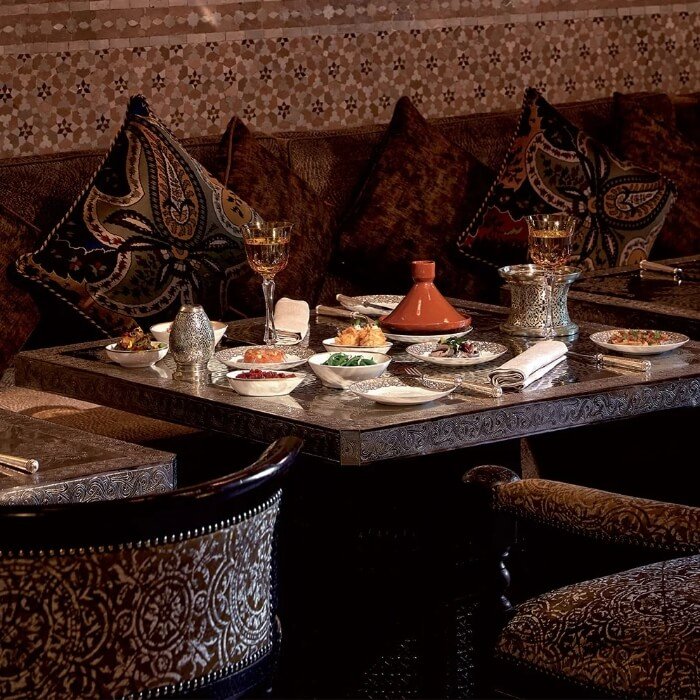
Traditional Moroccan Restaurants

Riad courtyard dining and the full Moroccan meal sequence — the same cuisine as the street food circuit, elevated to a sit-down format

Rooftop Restaurants Marrakech

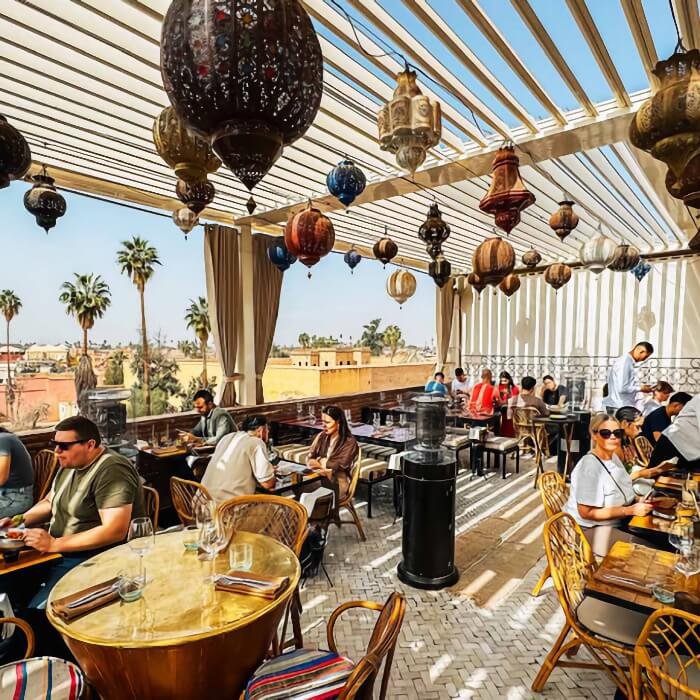
Rooftop Restaurants

Medina terraces with Koutoubia views — eating above the street food square rather than in it

Fine Dining Marrakech

Fine Dining

La Mamounia, Dar Yacout, and the Gueliz contemporary restaurants — the most formal end of the Marrakech food spectrum

Cafés Marrakech

Cafés

Gueliz terrasse cafés and Medina riad garden cafés — the morning and afternoon complement to evening street food

💬
Marrakist Marrakist Concierge