
These eight items cover the functional core of a Marrakech trip. Everything else is optional or available locally. Marrakech rewards simple, deliberate packing — versatility matters far more than volume.
Marrakech Packing List: What to Wear & What to Bring (2026 Guide)
Packing for Marrakech requires thinking about three things simultaneously: the climate, the culture, and the specific activities you have planned. Get all three right and the bag is light, functional, and appropriate everywhere you go. Underweight any one of them and you either find yourself too hot in a wool sweater in July, conspicuously overdressed in the hammam, or standing on cobblestones in heels that made sense on paper.
This guide covers what actually works in Marrakech across all seasons, contexts, and experiences — so you can make deliberate choices about what goes in the bag rather than packing everything and editing at the airport.
- What to wear in the Medina, at your riad, and on desert day trips without feeling out of place
- The specific items most travellers forget that become essential within 24 hours of arrival
- Seasonal packing breakdowns for spring, summer, autumn, and winter visits
- What to leave behind — and why the souks will solve most of what you forgot
Short on time? Start with the essential items below.
- Plugs
- Type C & E (European round-pin) — bring a universal adapter
- Summer peak
- 38–42°C in July–August — plan around it, don't fight it
- Winter mornings
- can drop to 4°C — riads' open courtyards hold the cold
- Skip the hard-shell case
- many riads are several alleys from vehicle access
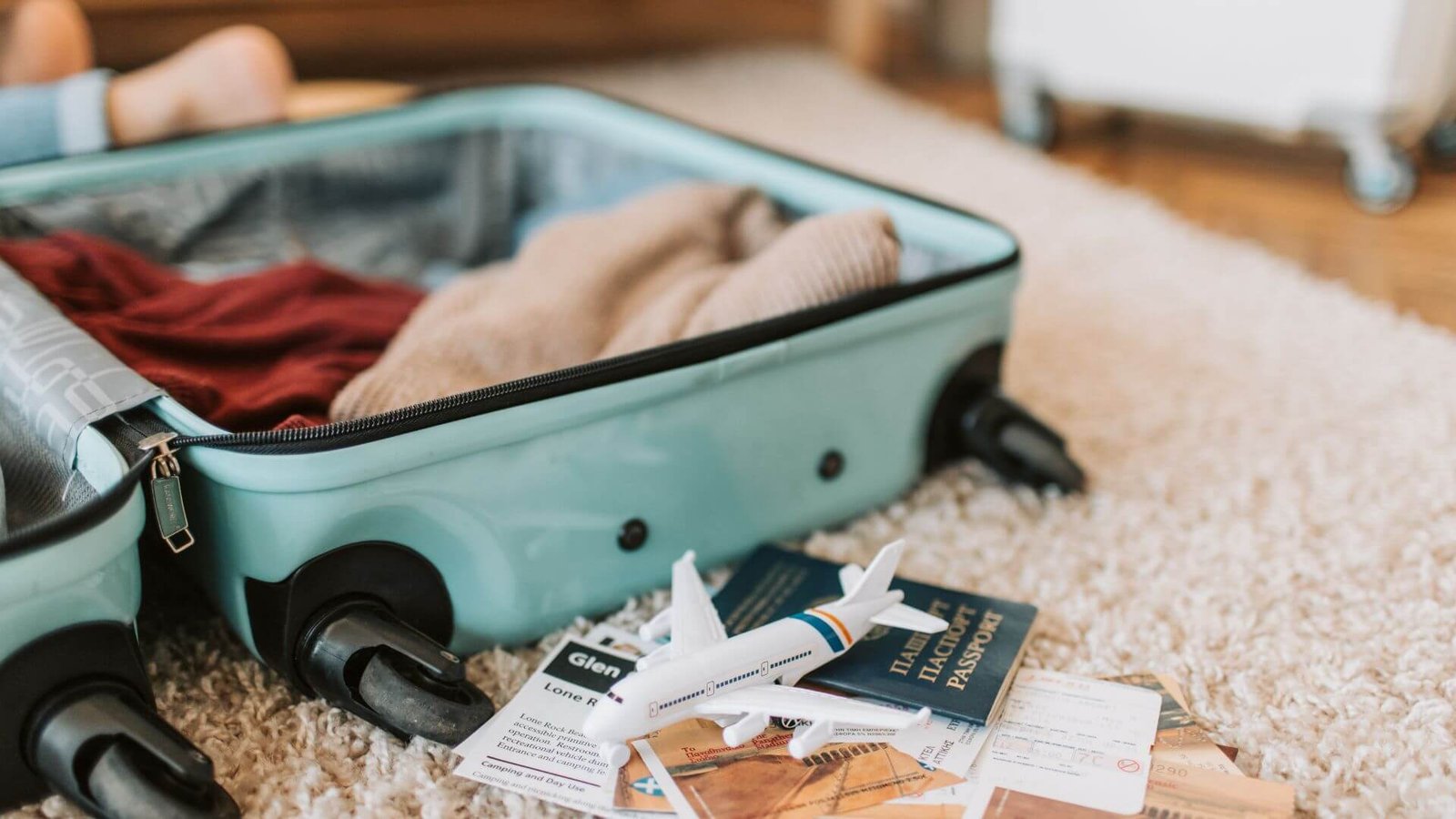
Packing for Marrakech — linen over synthetics, crossbody over shoulder bag, soft duffel over wheeled case, and leave space for what the souks will sell you
What to Pack for Marrakech: The Essentials
-
Lightweight, breathable clothing
Cotton and linen are the correct fabrics for Marrakech. Both breathe in heat, dry quickly if you perspire, and are available locally if you need more. Synthetics trap heat and are noticeably less comfortable in the enclosed souks and in the hammam.
-
Modest outfits
Loose trousers, long skirts, and tops that cover the shoulders work everywhere in Marrakech without adjustment — in the Medina, at a rooftop restaurant, and at mosque entrances. Tight or revealing clothing is not prohibited but does attract more attention in the Medina and makes some contexts (hammam, rural areas) less comfortable.
-
Comfortable walking shoes
The Medina's alleys are uneven, narrow, and occasionally covered in slippery tile. Trainers or supportive sandals with a proper sole are the correct choice. Most visitors who bring heels or flat shoes without ankle support regret it within half a day.
-
A scarf or shawl
A lightweight cotton or linen scarf serves four functions in Marrakech: sun protection on the neck and shoulders, coverage for mosque visits, dust management on desert day trips, and warmth on cool evenings. One item, four uses, minimal bag space.
-
Sunscreen & sunglasses
Marrakech sits at approximately 500m elevation in a semi-arid climate — the UV index is high year-round and significantly higher than equivalent latitudes in northern Europe. SPF 30 minimum as a daily base; SPF 50 for desert or mountain excursions. Polarised sunglasses are noticeably more comfortable in the reflected light of the Medina's white walls.
-
Travel adapter
Morocco uses Type C and E plugs (the standard European round-pin format). UK three-pin plugs and US two-flat-pin plugs don't fit. A universal adapter is the correct solution; a Type C adapter is the minimum. Most riads have at least one USB charging port but not necessarily enough for every device simultaneously.
-
Small backpack or crossbody bag
The souks are crowded, the alleys are narrow, and shoulder bags hanging to one side become a problem in tight passages. A crossbody bag or small backpack keeps essentials accessible and hands free, which matters when navigating, photographing, or haggling. Leave the large shoulder bag at the riad.
-
Cash (Moroccan Dirham)
The Medina operates substantially on cash. Petit taxis, street food, souk stalls, hammam attendants, and smaller restaurants all require dirhams. Withdraw at the airport ATM on arrival (Banque Populaire and Attijariwafa are the reliable options); this avoids the unfavourable rates at airport exchange bureaux and ensures you have cash before you need it.
Tip: Marrakech’s souks are one of the world’s great shopping environments — leather bags, textiles, ceramics, spice blends, and argan oil products are consistently excellent and genuinely less expensive than their equivalents in European boutiques. Pack with space for what you’ll carry home rather than space for every outfit you might theoretically want.
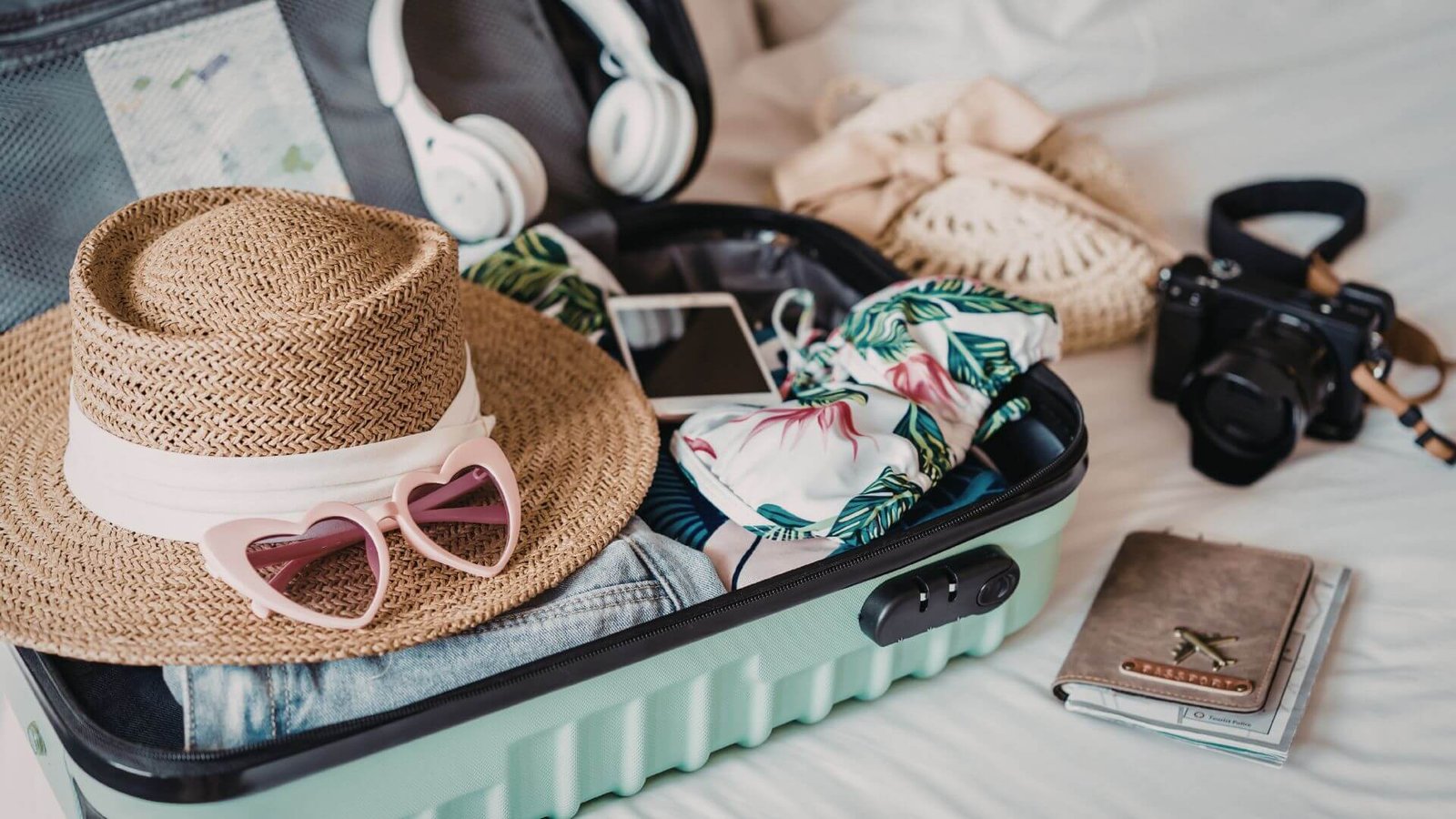
Marrakech Packing Essentials (What You’ll Actually Use)
The icon boxes above cover the non-negotiables. This section goes through the full category breakdown — clothing, documents, toiletries, electronics, and health items — with specific guidance on what’s worth including and what isn’t.
The principle throughout is the same: pack what you’ll use in Marrakech specifically, not what you’d pack for a generic warm-weather trip.
Clothing Essentials
- Loose, breathable tops — Cotton or linen, in lighter colours that reflect rather than absorb heat. Three to four tops are sufficient for most trips; the Medina’s filtered light and the riad pool are not environments that require outfit variety.
- Lightweight pants or long skirts — The most useful clothing item for Marrakech. Long enough to cover the knee (which matters in the Medina and on mosque visits), loose enough to move comfortably in the heat, and appropriate in every context from market to restaurant.
- One or two versatile outfits — For rooftop dinners, slightly smarter restaurant settings, or riad evenings when you want something other than the daytime basics. Linen trousers and a structured top travel well and cover this need without taking much space.
- A light jacket or layer — Required in autumn, winter, and spring evenings. Even in summer, the temperature drops noticeably after sunset and some riads’ open courtyards retain the cold. Lightweight down or a linen blazer works; a heavy jacket is rarely necessary.
- Swimwear — Most riads and hotels have pools. A riad pool at 2pm in August is not an optional extra — it’s the correct place to be when the Medina is at peak heat.
- Sleepwear — Lightweight and breathable. Riad bedrooms in summer stay warm even with air conditioning, and some older riads don’t have AC in every room.
Travel Documents
- Passport — Minimum 6 months validity from your arrival date; check this specifically rather than assuming. Some nationalities also require evidence of onward travel or accommodation booking at the border.
- Printed accommodation details — Riad addresses in the Medina are notoriously difficult to communicate verbally. Having a printed card with the Arabic address, or a screenshot of the riad’s GPS pin, means the taxi driver can get you there without a lengthy detour.
- Travel insurance information — The policy number, the emergency medical contact, and the cover summary — accessible offline in case of an incident in the Atlas or desert where mobile data is absent.
- Copies of important documents — Passport photo page, insurance policy, and visa (if applicable) stored in both cloud (offline-accessible) and physical format. Keep the physical copy in a different bag from the original.
Toiletries
- Sunscreen (high SPF) — SPF 50 for active days; SPF 30 as a daily minimum. Marrakech pharmacy sunscreens are available but more expensive than at home and the selection is limited.
- Moisturiser & lip balm — The air in Marrakech is drier than most European or North American climates. Noticeable within 24 hours, particularly on the lips and around the eyes.
- Basic personal care items — International brands are available in Marrakech’s pharmacies and supermarkets (Marjane, Carrefour) but require a taxi ride from the Medina. Bring what you need for the first few days; restock locally if required.
- Hand sanitiser & tissues — Useful throughout the day in the souks, at street food stalls, and in some hammams and public facilities where paper is not provided.
Electronics
- Universal travel adapter — Morocco uses Type C and E (European round-pin). Bring a universal adapter rather than a specific Type C if you have multiple devices with different connectors.
- Portable charger (power bank) — Full days in the Medina with Google Maps, WhatsApp, and photography running continuously drain a phone battery by early afternoon. A 10,000mAh power bank covers a full day without a recharge.
- Phone with offline maps — Download Marrakech on Google Maps or Maps.me before arrival. The Medina’s alley structure is not navigable by memory on a first visit; offline maps work when you’re in a dead zone under a souk roof.
- Camera (optional) — Phone cameras produce excellent results in Marrakech’s light. A dedicated camera is worth including only if you have specific photography objectives (low light in the souks, long lens for rooftop and Atlas shots) rather than as a default addition.
Health & Safety
- Basic medications — Paracetamol/ibuprofen, rehydration salts (particularly useful after a hammam or desert day in summer), anti-diarrhoeal medication, and any personal prescription items. Moroccan pharmacies are well-stocked but not always able to match specific branded products.
- Reusable water bottle — Tap water in Marrakech is technically treated but most visitors use bottled water. A reusable bottle with a filter (LifeStraw or Sawyer) reduces plastic use and cost on longer trips; a standard bottle is fine if you’re refilling from the riad’s supply.
- Comfortable day bag — Covered in the icon box section above. Non-negotiable for Medina days.
- Small first-aid kit — Plasters, antiseptic wipes, and blister prevention. The Medina’s cobblestones produce blisters in new shoes faster than most walking environments; address this preventatively.
Smart packing mindset: If you’re uncertain whether an item belongs in the bag, it probably doesn’t. Marrakech’s souks can supply most overlooked basics within 15 minutes of arrival. What they can’t supply is space in your bag for the ceramics, leather goods, and textiles you’ll want to bring home.
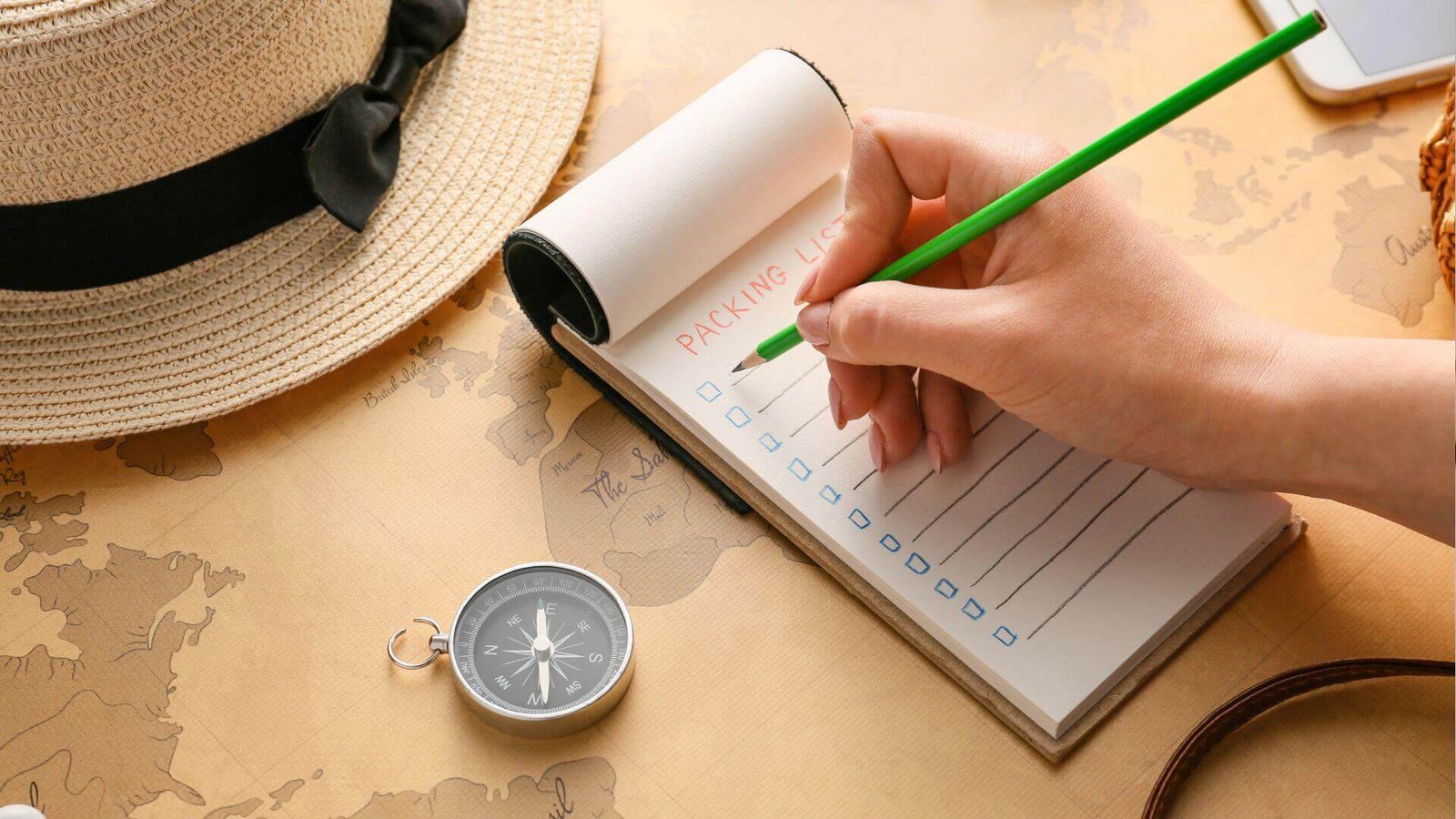
What to Wear in Marrakech (Without Feeling Out of Place)
The dress question for Marrakech is not primarily about rules — it’s about practicality. The city is used to international visitors and does not enforce a strict dress code for tourists outside religious sites. What matters is that certain clothing choices make specific contexts significantly more comfortable: cooler in the heat, less conspicuous in the Medina, and appropriate at mosque entrances and in rural areas.
The principle is simple: lean slightly modest in the Medina, dress freely in private riad and hotel space, and dress practically for everything else.
For Women
The Medina rewards loose, breathable, covering clothing for practical rather than purely cultural reasons — the narrow alleys concentrate the heat, the walking distances are longer than they appear, and lighter layers that cover the skin are more comfortable than shorts and a vest top at 35°C.
- Flowy dresses or maxi skirts — The single most practical garment for Marrakech. Covers everything required by context, breathes in heat, and packs flat. Linen or cotton, not synthetic.
- Loose pants with simple tops — The versatile alternative. Palazzo trousers and a linen shirt cover the knee, the shoulder, and the midriff without requiring thought.
- Tops that cover shoulders — Not legally required in tourist areas, but covering the shoulder reduces unwanted attention in the Medina noticeably, particularly when walking alone. A single lightweight shirt or scarf resolves this.
- A scarf or shawl — The most versatile item in the bag. Draped over the shoulders in the Medina; tied over the head at mosque visits; wrapped around the neck for cool evenings; folded into a headrest on long desert drives.
- Sandals or stylish trainers — Supportive sandals (not flip-flops) or lightweight trainers with ankle support. The cobblestone alleys of the Medina require proper sole grip; flat-bottomed sandals become uncomfortable after the first hour.
Shorts and tank tops are worn by tourists in Marrakech without incident, particularly in the Gueliz neighbourhood and in riad and hotel spaces. Many visitors find, however, that slightly more coverage produces a noticeably more relaxed experience in the Medina specifically.
For Men
Men have more latitude in Marrakech than women, but the same practical considerations apply: heat, walking distance, and the physical demands of the Medina’s terrain.
- T-shirts or lightweight shirts — A linen or cotton shirt is slightly more versatile than a t-shirt — appropriate for restaurants and rooftop bars without needing a change. Breathable fabrics in light colours perform better in the heat.
- Chinos, jeans, or tailored shorts — Full-length trousers in a lightweight fabric are more appropriate and often more comfortable than shorts in the Medina; knee-length shorts are fine in most tourist areas. Very short shorts attract more attention and are out of place in some contexts.
- Comfortable walking shoes — As for women: trainers or supportive sandals with proper soles. The Medina produces blisters in inadequate footwear faster than almost any other walking environment.
- Light layer for evenings — A linen blazer, lightweight sweater, or zip-up layer covers the temperature drop after sunset and doubles as appropriate cover for slightly smarter restaurant settings.
Cultural Dress Tips (That Make a Real Difference)
- In the Medina: Modest covering — shoulders and knees covered — produces fewer interactions from touts and guides, and a more comfortable experience overall. This is practical rather than purely cultural.
- In riads & hotels: Dress freely. Riad pools, rooftop terraces, and courtyard spaces are private environments where the cultural considerations of the public Medina don’t apply.
- On day trips: Prioritise practicality — layers for temperature variation in the Atlas, sun protection and closed shoes for desert excursions, comfortable walking shoes for everything.
- At mosques or rural areas: Cover shoulders and knees without exception. Non-Muslims are not permitted inside most Moroccan mosques, but the exterior areas and rural villages apply the same modest-dress expectation as the traditional Medina.
The reality: Dressing appropriately for Marrakech’s specific combination of heat, terrain, and cultural context is the single most impactful pre-trip decision you can make. It affects comfort, reception, and the practical ease of moving through the city more than any other packing choice.
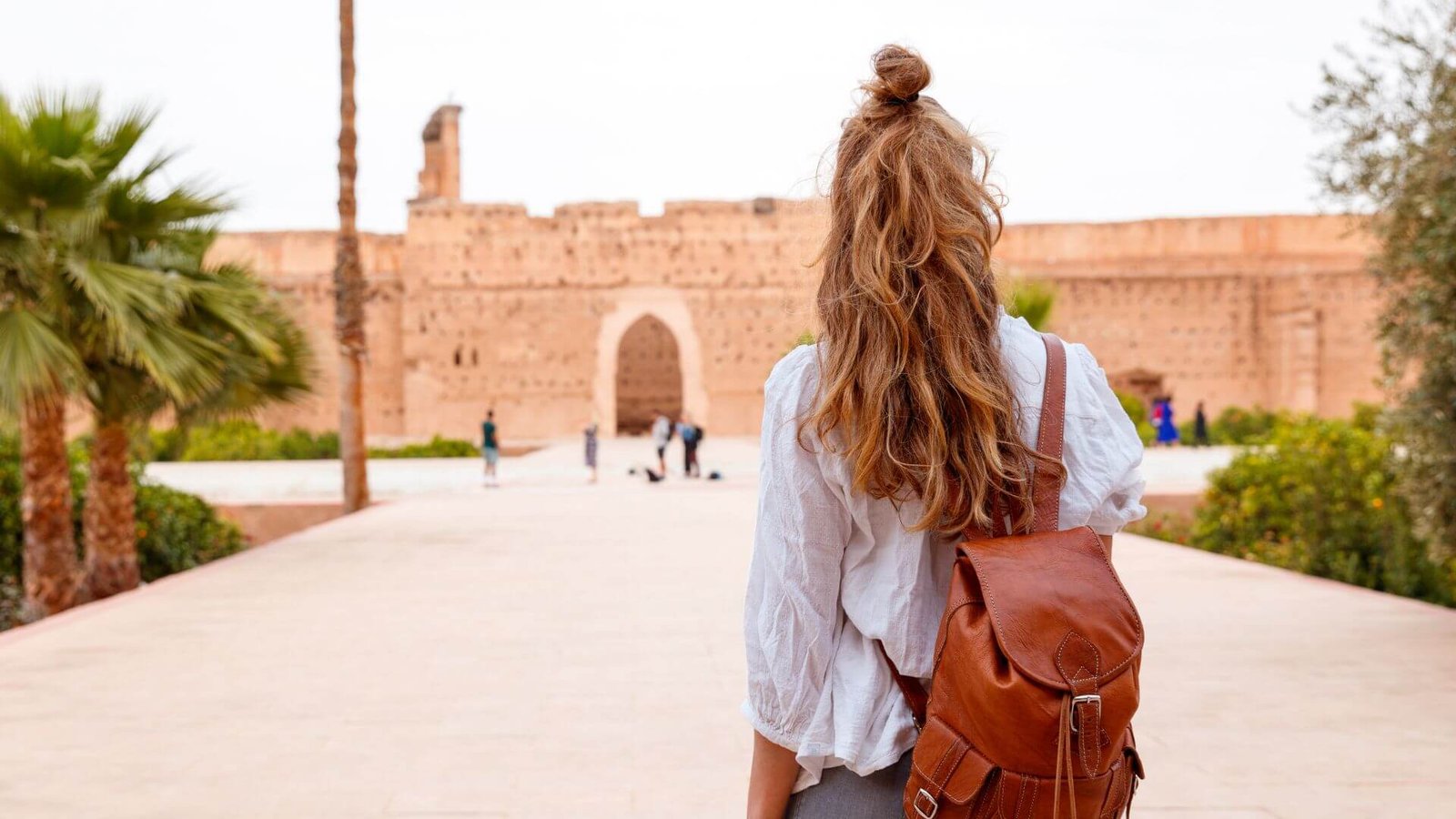
What to Pack for Marrakech by Season
Marrakech’s climate is genuinely variable across the year. The summer midday temperature regularly exceeds 38°C; winter mornings in January can drop to 4°C in the pre-dawn hours and stay below 12°C until mid-morning. The shoulder seasons (March–May, September–November) are consistently the most comfortable for visitors and require the simplest packing.
The principle across all seasons is layering rather than bulk — the temperature difference between morning and midday, and between midday and evening, is more significant in Marrakech than in most European and North American cities.
Spring (March – May)
The most popular visiting season for good reason: warm days (22–28°C), cool evenings (12–16°C), reliable sun, and gardens in full colour. The city is busy but not overwhelmingly hot.
- Lightweight clothing for daytime exploring — linen and cotton in the mid-weight range
- A light jacket or sweater for evenings — the temperature drops quickly after sunset
- Comfortable walking shoes — spring is the peak walking season and the alleys are at their most active
- Sunglasses and SPF 30 sunscreen — spring UV is higher than it feels on the skin
Summer (June – August)
Peak heat. Midday temperatures regularly reach 38–42°C in late July and August; the Medina’s enclosed alleys concentrate the heat further. Summer requires specific packing decisions that the other seasons don’t.
- Very light, breathable fabrics only — linen in the lightest available weight; nothing synthetic
- Loose-fitting clothing that maximises airflow over the skin
- Wide-brim hat or cap — essential for any midday movement outdoors
- SPF 50 sunscreen reapplied throughout the day — not optional in July and August
- Sandals or breathable shoes with moisture-wicking socks — feet overheat in enclosed trainers in the summer Medina
The correct summer strategy is activity in the early morning (before 10am), rest at the riad pool during the peak heat (noon–3pm), and re-emerging for the late afternoon and evening when the city cools and becomes active again.
Fall (September – November)
Closely resembles spring in packing terms: warm days, cooling evenings, comfortable walking. October and early November are the second most popular visiting period and arguably the best light for photography.
- Light layers that work both day and night — a long-sleeved linen shirt can function as both a daytime sun cover and an evening layer
- Comfortable walking shoes — autumn is the second major walking season
- A light jacket for evenings — temperatures drop faster after sunset in autumn than in spring
- Versatile outfits that work across the day’s temperature range without a full change
Winter (December – February)
Often underrated. Days are frequently clear, sunny, and mild (15–20°C); the Medina is quieter; accommodation prices are lower. But mornings and evenings are genuinely cold, and traditional riad buildings with their open courtyards retain night cold until well into the morning.
- Warm layers — a fleece or wool sweater, a proper jacket for mornings and evenings
- Long trousers and closed shoes as the baseline — not optional in January mornings
- A scarf for warmth — serves double duty as wind and cold protection in the Medina
- Lighter clothes for midday sunshine — the midday sun in December is warm enough for short sleeves
Key insight: Marrakech’s climate is defined by temperature contrast rather than temperature extremes — except in peak summer. The morning-to-midday range and the midday-to-evening range are both wider than most visitors expect. Layers are always the correct answer.
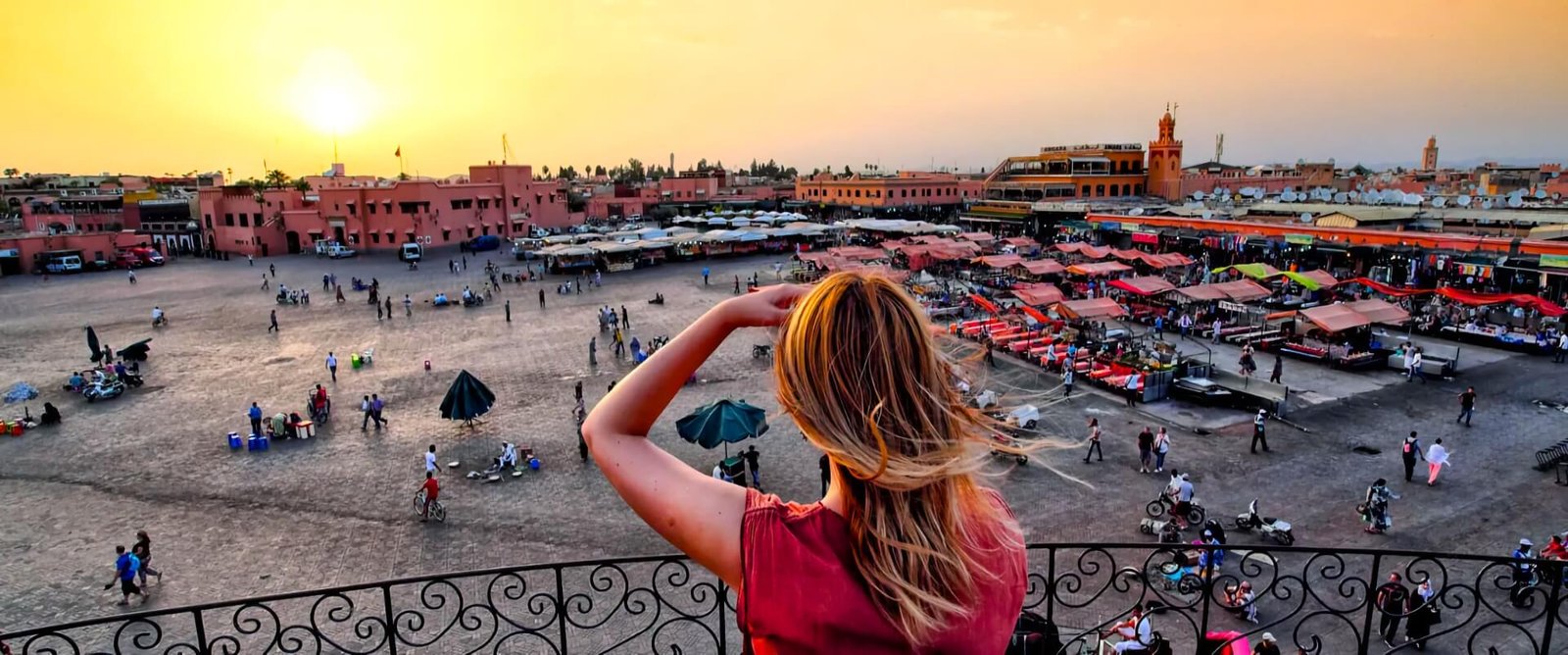
Packing for Specific Experiences in Marrakech
The Medina packing baseline covers most of what you need for most of the trip. But specific experiences have specific requirements that the general list doesn’t address. Desert excursions, Atlas Mountain day trips, and hammam visits each need something slightly different — and missing one item can affect the experience more than you’d expect.
Desert Trips (Agafay or Sahara)
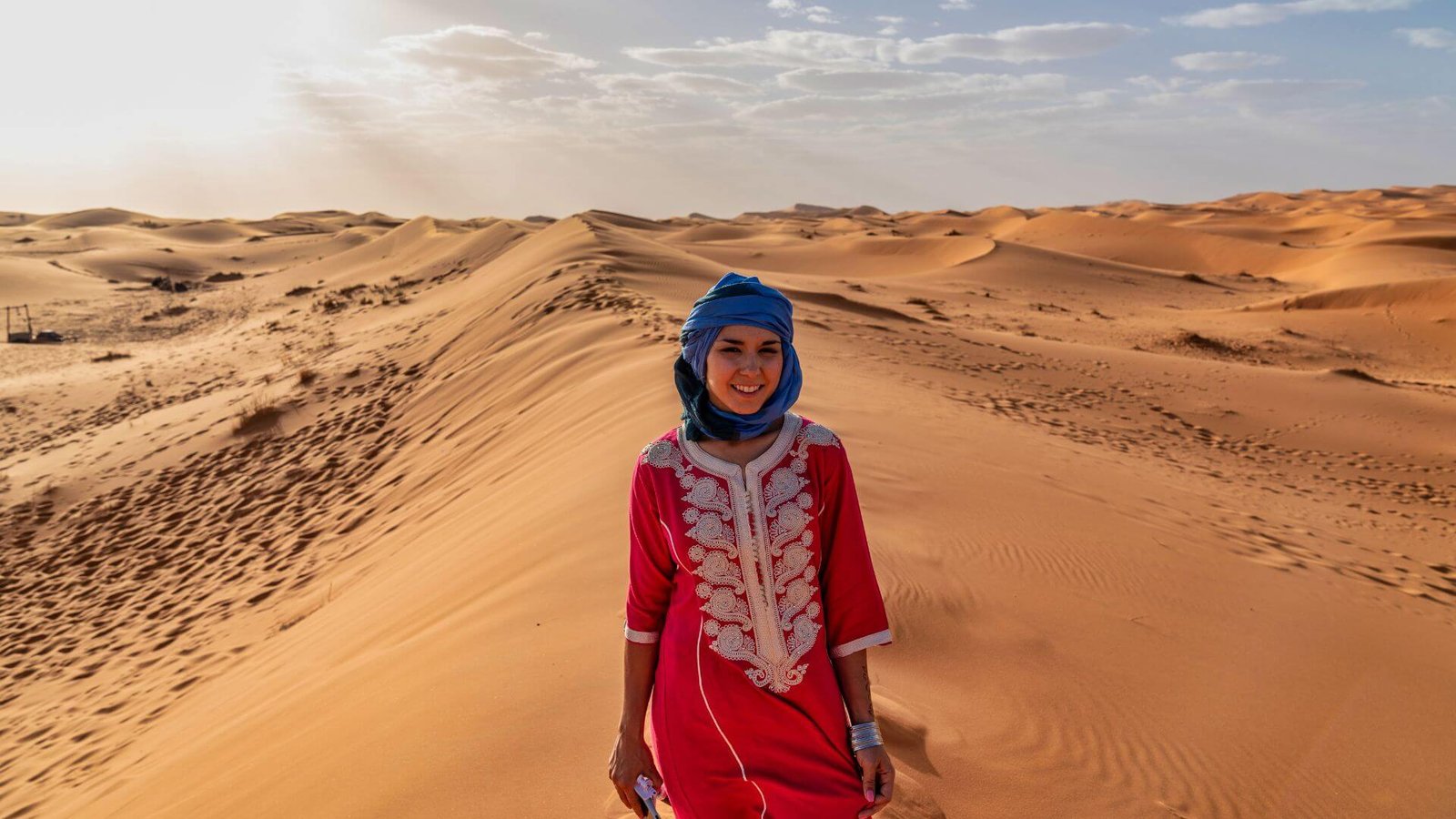
The Agafay plateau (40 minutes from Marrakech) and Saharan desert trips both involve the same climate pattern: intense midday heat, significant cooling after sunset (dropping to single figures in winter), and wind-carried dust at any speed.
- Light, loose clothing for daytime heat — the same linen layers that work in the Medina work in the desert
- A warm layer or jacket for the evening — the temperature drop after sunset in the Agafay and Sahara is faster and more significant than in the city
- Sunglasses and SPF 50 sun protection — desert UV is more intense than city UV at the same temperature
- Closed shoes — sand and rocky plateau terrain require more foot protection than sandals provide
- A scarf — wraps around the face and neck during windy sections of desert drives and quad rides; the most practical single item for desert conditions
Atlas Mountains Day Trips
The Atlas are 60–70km from Marrakech but feel climatically different: cooler at altitude, greener in the valleys, and with significantly more physical activity involved than a Medina day.
- Comfortable walking or hiking shoes with ankle support — the valley paths are uneven and the village steps are steep; trainers work for most routes but dedicated hiking shoes are better for longer walks
- Layered clothing — the temperature in the Atlas valleys is 5–10°C cooler than Marrakech at the same time of day; the temperature at passes is cooler still
- A light jacket or fleece — essential even in summer for Atlas altitudes above 2,000m
- Reusable water bottle — the Atlas day trips involve more physical exertion than city days; hydration needs are higher
Hammam & Spa Experience
The designed hammam provides almost everything needed for the session. What you bring should be minimal.
- Swimwear — some modern spa hammams use swimwear rather than the traditional pestemal wrap; confirm with the operator before arriving
- Flip-flops or easy sandals — for the changing room and the transition between steam room and cooling area; the hammam provides plastic sandals but having your own is more hygienic
- A change of underwear — the only personal item that the hammam doesn’t provide and that makes a difference post-session
- Hair tie (if needed) — for long hair during the steam room and scrub phases
Most hammams provide towels, pestemal wrap, black soap, and kessa glove. The session is designed to work without personal toiletries.
Riad & Pool Time
The riad pool and courtyard is where the day’s logistics stop and the trip’s quality of experience begins. Pack for this deliberately.
- Swimwear — covered above; include this regardless of season since most riads maintain pool temperature year-round
- Light, relaxed outfits for sitting in the courtyard — the riad is a private environment and the dress considerations of the Medina don’t apply
- Something slightly dressier for dinner — riad dinners are one of the consistent highlights of a Marrakech trip; the setting rewards a modest upgrade from daytime basics
Exploring the Medina
This is the core of most Marrakech visits and the context for which the general packing list is built.
- Comfortable walking shoes — the non-negotiable. The Medina requires more walking on more varied terrain than any other part of the trip.
- Crossbody bag or small backpack — keeps hands free, prevents the bag from catching on narrow souk passages, and places valuables in a less accessible position than a shoulder bag
- Sunglasses and sun protection — the Medina’s main thoroughfares are open to full sun; the alleys are shaded but the transition between the two is constant
- Outfits that feel easy and breathable — comfort over everything; the Medina is not a runway
Think in moments, not outfits: The most effective packing approach for Marrakech is to identify the three or four specific types of day you’ll have — Medina walking day, riad pool afternoon, desert excursion, rooftop dinner — and pack exactly what each requires. This produces a smaller, more functional bag than trying to cover every theoretical scenario.
What Not to Bring to Marrakech
The items below are consistently packed by first-time Marrakech visitors and consistently left at the accommodation. Knowing what to leave behind is as useful as knowing what to include — it creates space in the bag, reduces weight, and removes the low-level anxiety of carrying things you’re not using.
- Overly revealing clothing — Not prohibited in tourist areas, but significantly less comfortable in the Medina than modest alternatives. The practical argument for modest dress in the Medina is stronger than the cultural one.
- Hard-shell or wheeled suitcases — The Medina’s alley surfaces — uneven tile, cobblestone, narrow stone passages — make wheeled luggage genuinely difficult. A soft duffel or flexible bag is manageable where a hard-shell case is not. Many riads are several alleys from the nearest vehicle access point.
- Too many outfit options — Marrakech visits use a much smaller wardrobe rotation than people expect. The heat, the dust, the walking distances, and the social contexts all converge on a small number of comfortable, versatile pieces. Four or five items of clothing cover most trips adequately.
- Expensive jewellery or valuables — Not worth the anxiety of managing in crowded souks and unfamiliar environments. Simple, inexpensive jewellery is the correct choice for Marrakech.
- High heels — The Medina’s cobblestones and uneven tile surfaces are consistently cited by visitors as the reason their heels stayed in the bag for the entire trip. Leave them at home unless your Marrakech itinerary is specifically rooftop-dinner-only.
- Bulky towels or full toiletry kits — Riads and hotels provide towels of quality equal to or better than most visitors would travel with. Full toiletry kits add weight without benefit; the Medina’s pharmacies stock most essentials within 15 minutes of any riad.
- “Just in case” items — The leading source of bag weight in every packing list. If the specific scenario that item covers hasn’t occurred on your last three trips, it won’t occur in Marrakech. Leave it.
The simplest rule: If the item doesn’t make a specific, identifiable moment in Marrakech better, it doesn’t justify the bag space. Traveling lighter in Marrakech is not a constraint — it’s an advantage, particularly in the Medina and on desert and mountain day trips where every kilogram carried is a kilogram of walking weight.
Frequently Asked Questions About Packing for Marrakech
Do I need to dress modestly in Marrakech?
Marrakech doesn’t legally require modest dress for tourists, but the practical case for it is strong: covering shoulders and knees in the Medina produces a noticeably less attention-attracting experience, particularly for women walking alone, and is more comfortable in the heat than bare skin in tight spaces. In riad, hotel, and most restaurant settings, dress freely. At mosque sites and in rural areas, covering shoulders and knees is expected.
What type of shoes are best for Marrakech?
Supportive trainers or sandals with a proper sole and ankle support. The Medina’s surfaces — uneven tile, cobblestone, narrow stone passages — produce blisters and ankle strain faster than most urban walking environments. Flat-soled sandals and new shoes (including new trainers) are the most common footwear mistake. Wear whatever you’re bringing for at least a day before the trip to confirm they work.
Can I pack light and still be prepared?
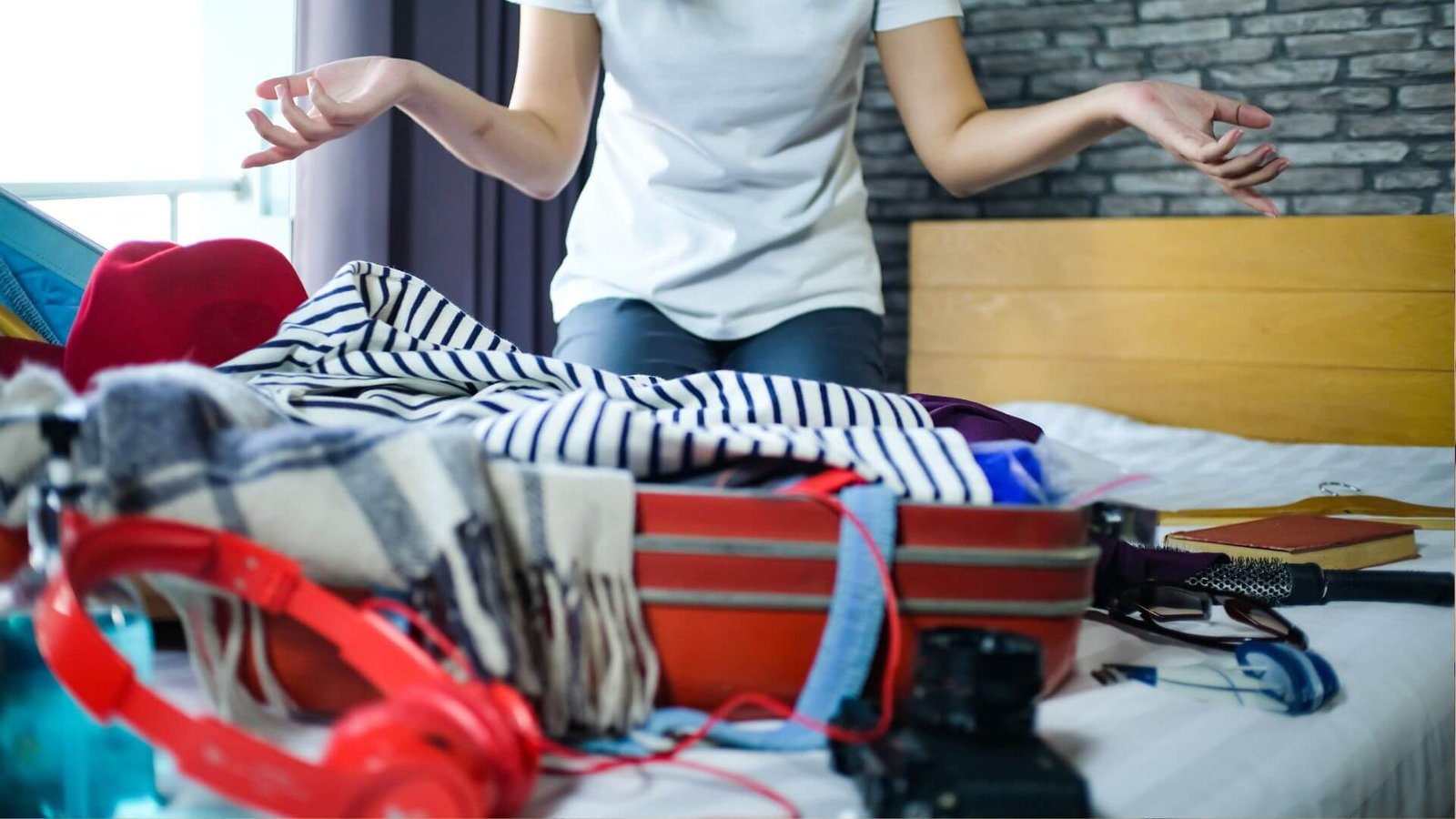
Yes, and light packing is actively better in Marrakech. The Medina’s alley access limitations, the hard-shell suitcase problem, and the souk shopping most visitors do on arrival all argue for a smaller, lighter bag. Five or six clothing items, the essentials list above, and a spare bag for purchases covers most trips adequately.
Do I need to bring sunscreen and sunglasses?
Yes to both. Marrakech’s UV index is high year-round — the city’s elevation and semi-arid climate produce more intense UV than equivalent temperatures in northern Europe. SPF 30 daily as a minimum; SPF 50 for desert and mountain excursions. Polarised sunglasses are particularly useful in the Medina’s reflected light.
Are there items I should avoid bringing?
Hard-shell wheeled suitcases, high heels, bulky toiletry kits, expensive valuables, and any item whose justification is “just in case” rather than a specific identified use. These add weight and take up space that souk purchases will need on the return journey.
Do I need a special bag for exploring the Medina?
A crossbody bag or compact backpack is the correct choice — keeps hands free, sits more securely against the body than a shoulder bag in crowds, and doesn’t catch on the narrow souk passage walls. A standard handbag or tote is workable but produces more fatigue on long Medina days. Leave anything larger than a day bag at the riad.
Should I pack differently for day trips or desert excursions?
Yes, with specific additions for each. Desert trips (Agafay or Sahara) need a warm layer for evening temperatures, closed shoes, and a scarf for dust management. Atlas Mountain day trips need ankle-support walking shoes and an additional warm layer for altitude. Both require SPF 50 and a full water bottle rather than the lighter sun protection adequate for a Medina day.
Explore More About Marrakech
The packing list is the preparation layer. The guides and sections below cover what you’ll actually do once you arrive — where to stay, what to see, which day trips are worth the drive, and which experiences are worth booking before the trip rather than after.
-

Where to Stay in Marrakech
Riad versus hotel, the Medina versus Gueliz, budget versus boutique — the full breakdown of Marrakech's accommodation options with specific area recommendations
-
Top Things to Do
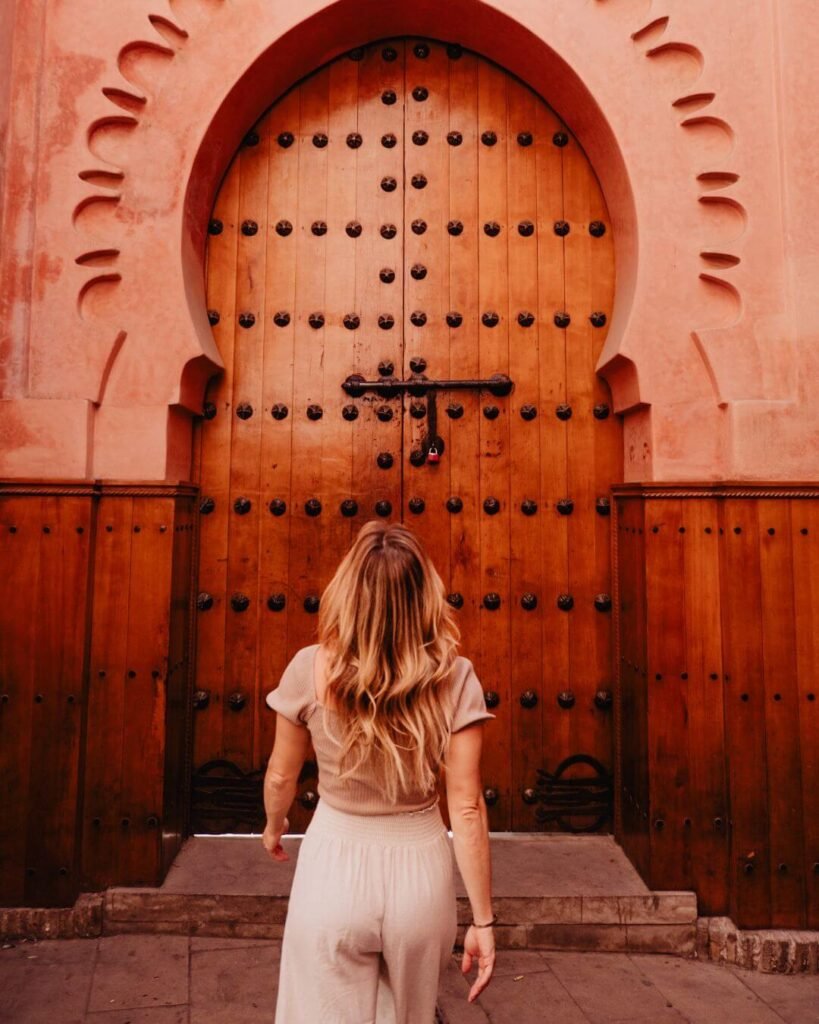
The Medina's major sites, the hidden corners worth finding, and the experiences that don't appear on the standard tourist circuit
-

Marrakech Day Trips
The Atlas Mountains, the Agafay desert, the coastal road to Essaouira — what each excursion actually involves and which ones are worth a full day versus a half-day
-

Experiences in Marrakech
The five bookable experiences — hot air balloon, quad biking, camel ride, cooking class, hammam — with specific guidance on timing, booking, and what to expect
-

Travel Planning Guides
The full planning hub: visa requirements, SIM card options, travel insurance, and currency logistics — the logistical layer that sits underneath everything else
 Marrakist Concierge