
Not all desert experiences are equal. The Agafay plateau on a quad produces a specific kind of engagement with the landscape — the kind that requires physical input, makes you aware of your own body, and leaves you genuinely tired in a way that a camel ride or a sunset from a camp does not. That’s the point.
Desert Quad Biking Adventure in Marrakech
The Agafay plateau sits 40 kilometres southwest of Marrakech — a rocky, semi-arid expanse that reads as lunar rather than sandy, with the Atlas Mountains on three sides and the city’s light pollution just barely visible on the northern horizon. On a quad, this terrain is exactly what it should be: uneven, fast, and open in every direction.
Quad biking in the Agafay is the most physically active experience available this close to Marrakech. You’re not observing the desert — you’re in it, controlling something with real power across real terrain. The wind, the dust, the engine noise, the sudden opening of the landscape around each ridge — these register differently at speed than they do from a vehicle window. For the part of a Marrakech trip that needs to be genuinely physical, this is the correct option.
- Standard circuit
- 15–20 km across the Agafay plateau
- No experience needed
- briefing covers everything in 10–15 min
- Summer plateau temp
- 35–40°C — hydrate before and during
- Total door-to-door
- 3–4 hours — back in the city by early afternoon
Powered by GetYourGuide
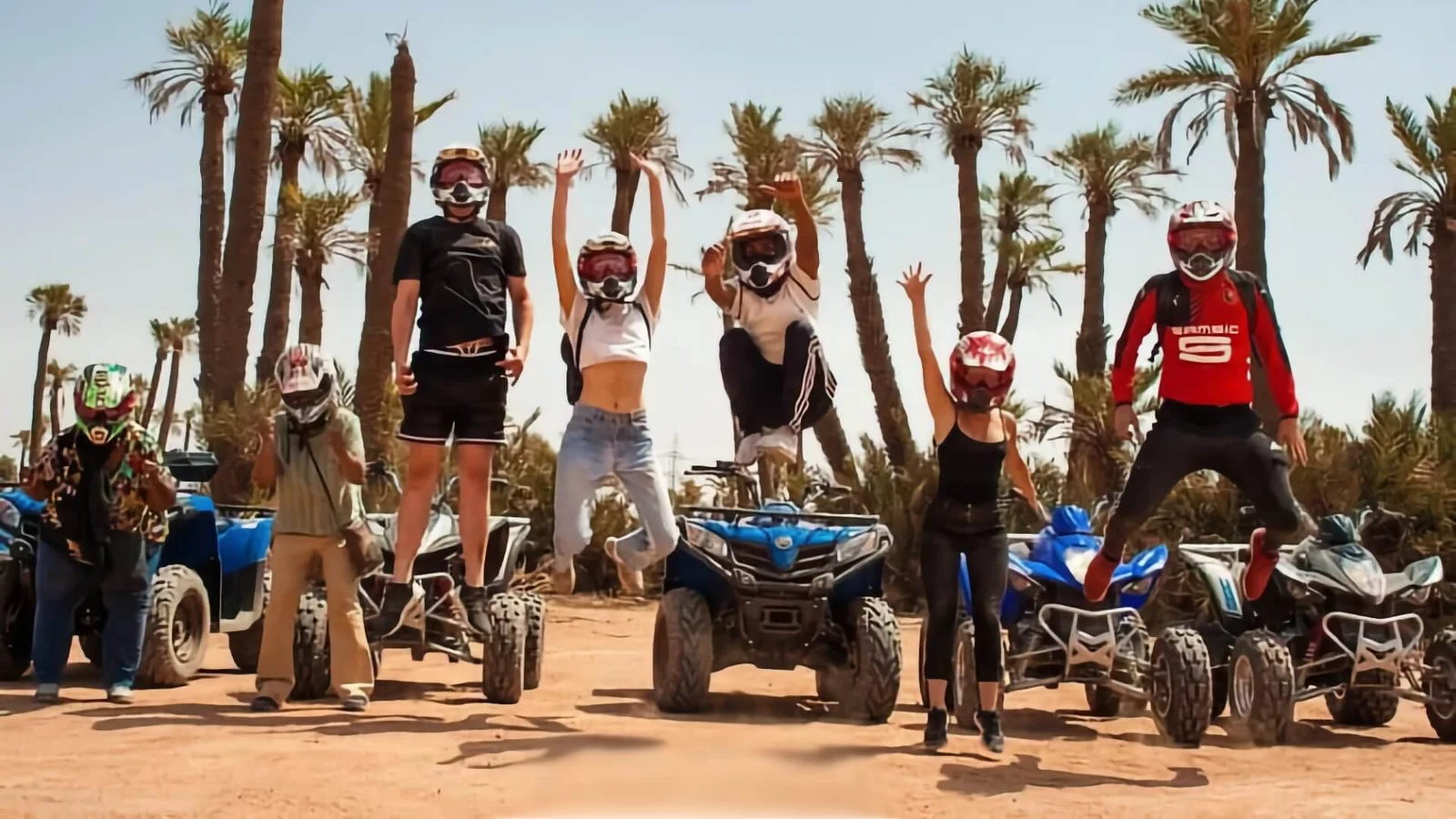
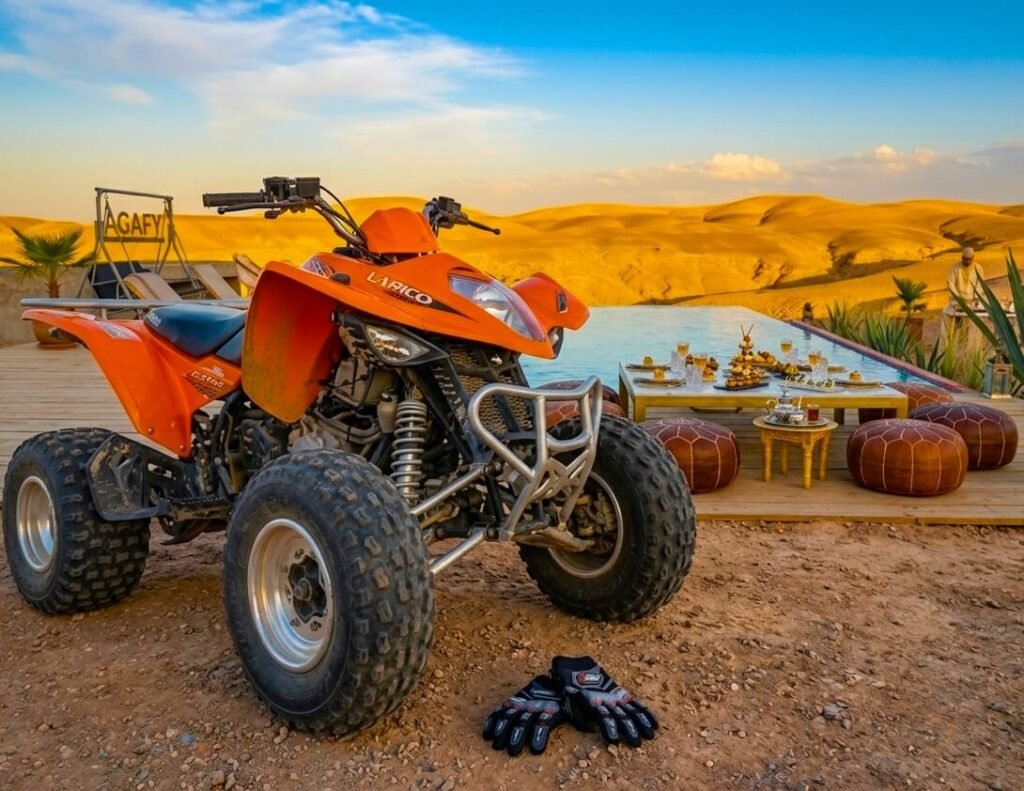
Desert quad biking — Agafay — rocky plateau, Atlas on three sides, engine noise and then sudden silence at the ridge: the most physically active thing you can do 40 km from Marrakech
Why This Adventure Is Unmissable
-
Unleash Your Inner Adventurer
A quad on the Agafay plateau accelerates from stationary to speed in a context where the horizon is always visible and the terrain never entirely predictable. The combination of control, physical response, and spatial scale produces an adrenaline quality that's specific to this kind of desert riding — not replicated in a go-kart, not replicated on a mountain trail.
-
Vast, Untouched Landscapes
The Agafay is rocky plateau rather than dune desert — closer in appearance to a high-altitude moon surface than to the sand of the Sahara. The Atlas Mountains are visible throughout the ride, shifting perspective as the circuit moves. The absence of roads, buildings, and vegetation for the full duration of the ride is a landscape experience that's difficult to access any other way from Marrakech.
-
Adrenaline Meets Safety
All circuits are guided — an instructor leads the group, sets the pace, and monitors the terrain. Protective gear (helmet, gloves) is provided before the briefing. The guided format means the adrenaline is real and the risk is managed; first-time riders do not need prior experience with motorised vehicles to complete the standard circuit.
-
Perfect for Groups or Solo Thrills
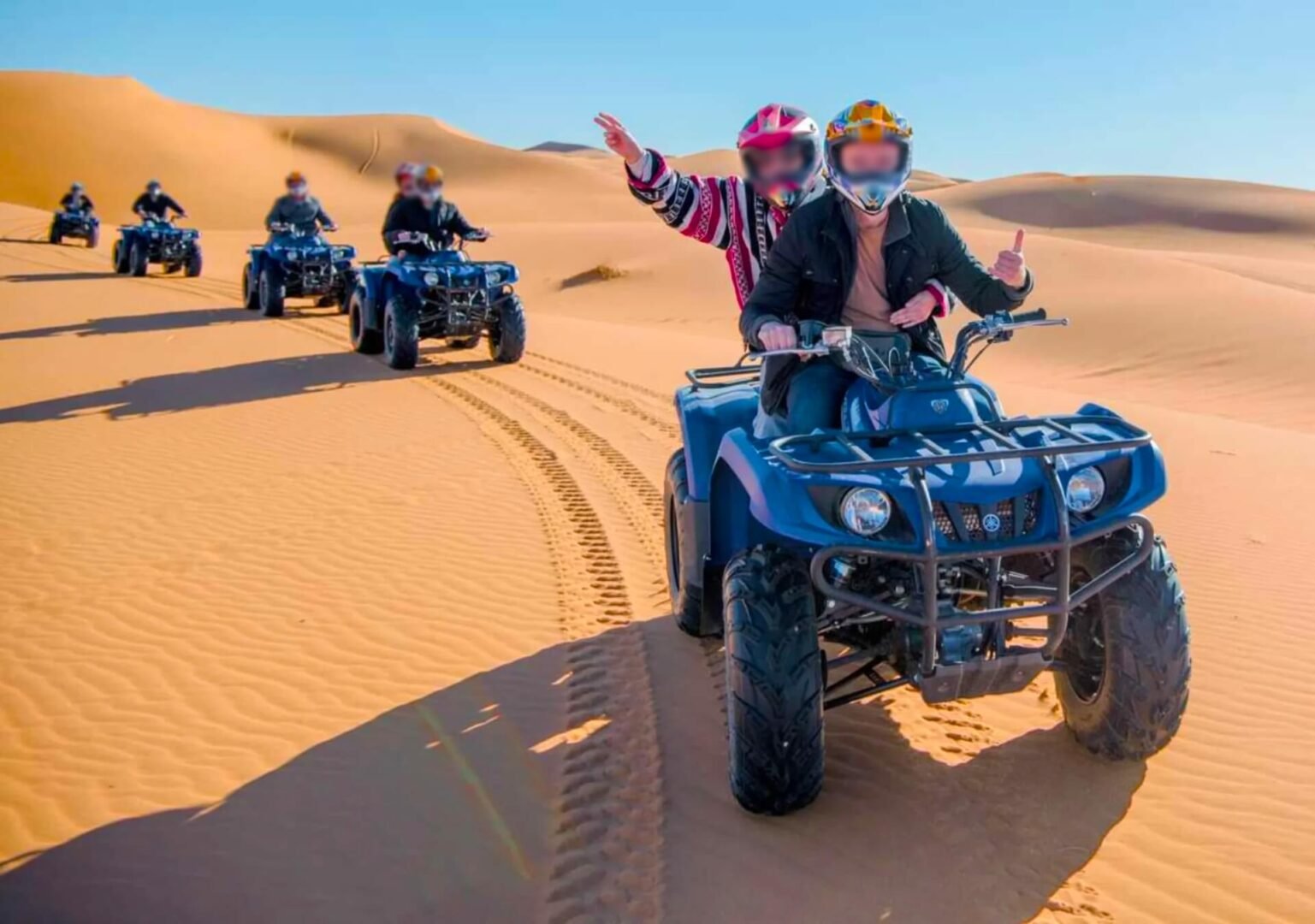
The standard circuit accommodates groups up to around 10 riders on separate quads. The physical independence of the activity — each rider on their own machine — means it works whether you want to race your friends or focus entirely on your own ride. The private option extends this to full circuit customisation.
-
Memories You'll Relive Again and Again
The specific sensory memory of a quad ride on the Agafay — the vibration of the engine through the frame, the sudden silence when you pause and cut the throttle, the dust settling in the Atlas light — has a physical quality that makes it unusually vivid. Most visitors who do this as part of a Marrakech trip describe it as the experience they most want to return to.
What to Expect on Your Desert Quad Biking Adventure
From Marrakech to the plateau and back, the experience is structured to maximise time on the bikes and minimise the logistics in between. Here’s the sequence.
-
Pickup & Transfer
Hotel pickup is included in most bookings — the transfer from the Marrakech Medina or hotel district to the Agafay plateau takes approximately 40 minutes by vehicle. The drive itself marks the transition: the city thins out into olive groves, the olive groves give way to argan scrub, and the plateau opens up ahead. Arrival at the site is the first time the full scale of the terrain is visible.
-
Safety Briefing & Gear
All riders receive a safety briefing before mounting the quad. The briefing covers the controls (throttle, brake, neutral, reverse), the hand signals used during the guided circuit, and the protocol for stopping and regrouping. Helmets and gloves are provided and mandatory. The briefing typically takes 10–15 minutes; first-time riders are given additional time with the controls before the circuit begins.
-
Desert Ride (1–2 Hours)
The guided circuit moves across the plateau in a route calibrated to the group's experience level — the standard 1-hour circuit covers approximately 15–20km of varied terrain including rocky flat sections, graduated ascents, and ridge-line views of the Atlas. The 2-hour circuit extends this with longer flat sections at higher speed and, depending on conditions, sections of seasonal dry riverbed. The instructor leads from the front; the group maintains a convoy formation that can be tightened or loosened based on rider confidence.
-
Short Break & Photo Opportunity
Most circuits include a 10–15 minute pause at a high point in the plateau — a ridge or elevated flat section with unobstructed views of the Atlas to the south and the Marrakech plain to the north. This is the moment to stop the engine, let the silence of the plateau register, and take photographs. The contrast between this pause and the riding on either side of it is part of what structures the experience well.
-
Return to Marrakech
Transfer back to Marrakech follows the circuit. Most participants arrive back in the city by early afternoon, which leaves the rest of the day open — the hammam is the correct next step for the physically tired.
Pricing & Booking Options
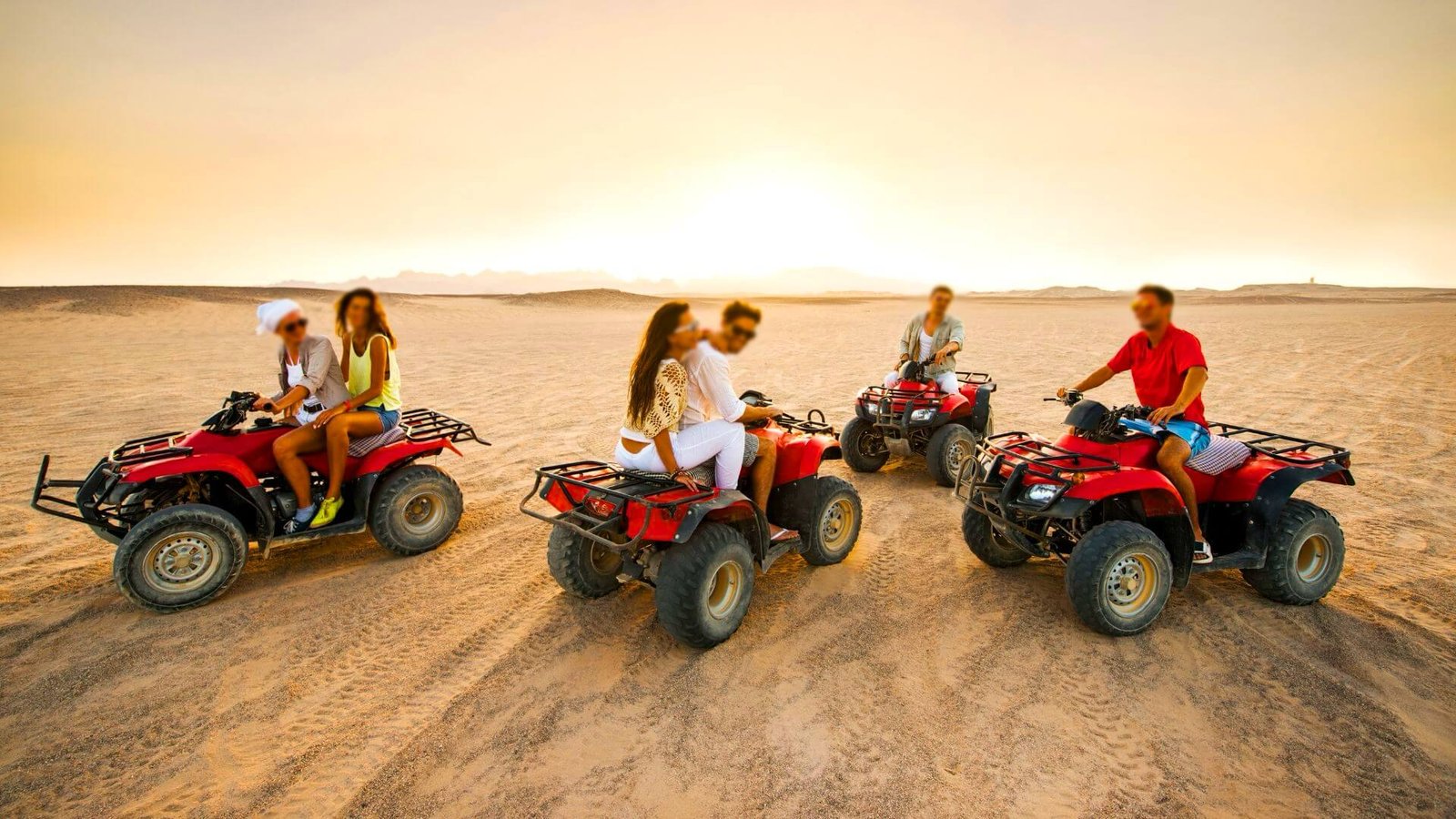
The three options below correspond to different experience levels and group configurations. The standard adventure is the right starting point for most visitors; the advanced and private options are for riders who want more time, more speed, or complete independence.
Standard Adventure
The standard 1–2 hour guided circuit on the Agafay plateau. Suitable for first-time riders and small groups — the pace is set by the instructor and the terrain is varied without being technical. The correct option for most visitors, covering the full Agafay experience within a half-day format that returns you to Marrakech by early afternoon.
- Shared quad bikes (small groups)
- 1–2 hour desert circuit
- Hotel pickup & drop-off
- Professional guide & safety gear included
Advanced Adventure
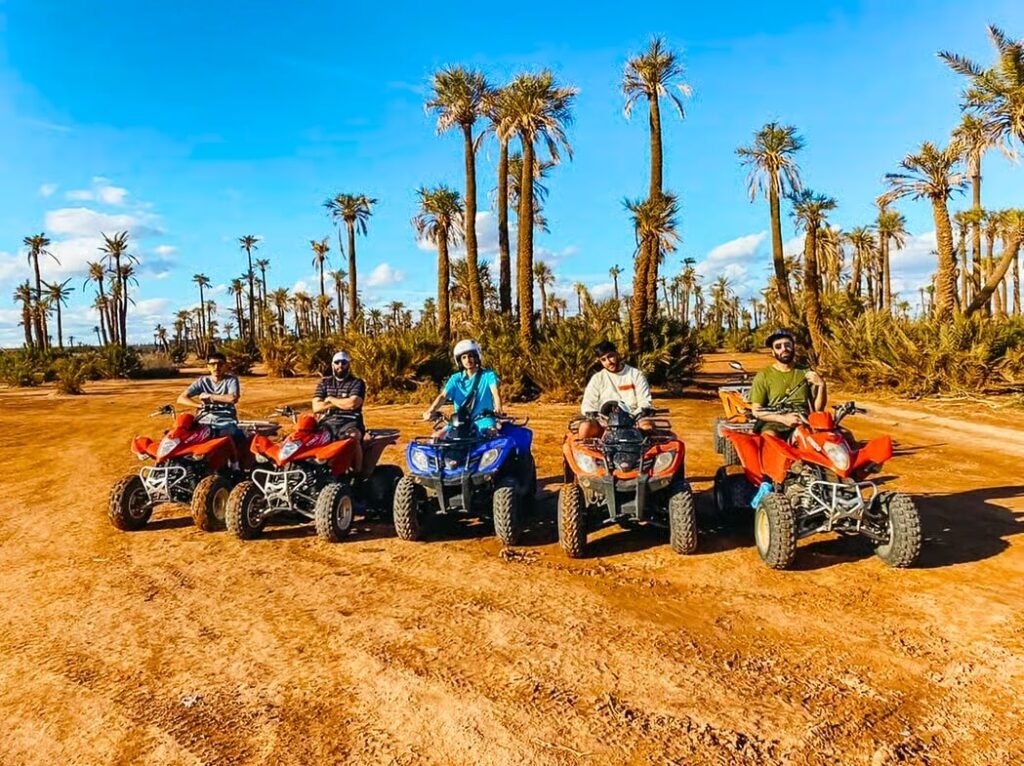
The 2-hour extended circuit for riders who have previous quad experience or want to push further into the plateau. The route adds distance, speed sections, and more technical terrain. The instructor still leads the group but the pace is higher and the stops fewer. For visitors who found the standard circuit too conservative or who specifically want the longer ride.
- Shared or semi-private quad bikes
- 2-hour desert circuit
- Priority pickup & drop-off
- Expert guidance on more technical terrain
Private Adventure
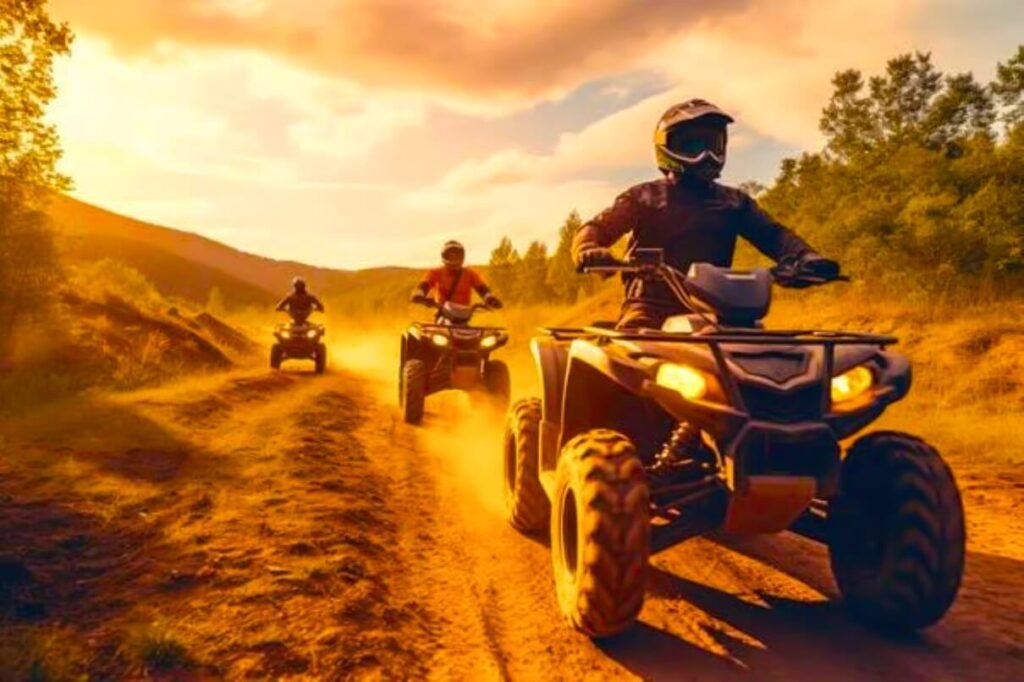
Full private circuit for your group only — separate quads, a dedicated guide, and a route customised to your group’s experience level and preferences. The private format removes the convoy pacing constraint entirely; the guide adapts the ride in real time. The appropriate option for couples, families with older children, or groups of friends who want the experience without sharing the circuit with strangers.
- Private quad bikes for your group only
- Customisable ride length and route
- Personal guide and dedicated support
- Exclusive photo stops at chosen points
Note: Desert conditions — wind, visibility, and plateau temperature — affect the experience and occasionally require rescheduling. Early booking is recommended in high season (October–November, March–April) when weekend slots fill quickly. Safety protocols are applied consistently across all circuit options.
Tips to Make the Most of Your Quad Biking Adventure
The physical preparation for a quad ride is simple but specific. A few practical choices make the difference between a comfortable ride and one spent managing avoidable discomfort.
-
Wear Comfortable, Close-Fitting Clothing
Loose fabric — scarves, open shirts, flowing trousers — catches wind at speed and can interfere with the quad's controls or become a distraction. Fitted lightweight layers that cover your arms and legs protect against sun and sand abrasion while allowing the range of motion the riding position requires. Long sleeves are not optional on the Agafay; the UV exposure at plateau altitude is higher than in the city.
-
Bring Sunglasses & a Scarf
The plateau kicks up dust — particularly in spring and autumn wind seasons. Sunglasses protect your eyes from grit at speed; the helmet visor helps but doesn't seal completely. A buff, bandana, or neck gaiter worn over the mouth and nose for the dustier sections of the circuit is the single most effective comfort item for this experience. The operator provides helmets; everything else is your responsibility to bring.
-
Wear Closed-Toe Shoes
Sandals and flip-flops are not permitted on the quads — the foot pegs require stable footwear and the throttle control is operated by the foot in the riding position. Trainers or walking shoes are the correct choice. Boot-cut or wide-leg trousers that could catch on the frame are worth avoiding.
-
Stay Hydrated
Desert air at altitude dehydrates faster than city air at the same temperature. Drink 500ml of water before the circuit begins and carry a small bottle in the quad's storage compartment if available. The plateau in summer reaches 35–40°C; even in cooler months the physical exertion of riding and the sun exposure make hydration more important than it would seem at the start of the circuit.
-
Ride Within Your Limits
The instructors are calibrating the group's pace continuously — if the standard circuit feels fast, signal to the guide and the pace will adjust. Pushing beyond a comfortable speed on unfamiliar terrain with a hired machine is the cause of almost all quad incidents. The experience is more enjoyable at 70% of maximum speed than at 100%; the terrain, the views, and the physical sensation are all better when there's enough concentration left to register them.
Powered by GetYourGuide
Frequently Asked Questions
Is desert quad biking safe?
Yes, with the appropriate protocols in place. All circuits are guided by qualified instructors; riders receive a full briefing before mounting and wear helmets and gloves throughout. The guided convoy format means no rider is alone on the terrain, and the instructor can halt the group immediately if a rider has difficulty. The Agafay plateau terrain is challenging but not technically extreme on the standard circuit.
Do I need prior experience?
No prior experience is required for the standard circuit. The briefing covers all controls thoroughly, and the first section of the circuit is deliberately paced to allow riders to develop confidence before the terrain becomes more varied. Riders who have never used a quad before consistently complete the standard circuit without difficulty. The advanced circuit assumes basic prior familiarity with the controls.
What happens if the weather is bad?
High winds and severe dust storms can make the plateau circuit unsafe or unpleasant and may lead to rescheduling. Rain is rare on the plateau but also affects traction. If conditions prevent a safe ride, the booking is rescheduled or refunded. Booking early in the trip rather than on the last day provides the flexibility to reschedule if needed.
How long is the quad biking experience?
The total experience from hotel pickup to hotel drop-off is typically 3–4 hours. The circuit itself is 1–2 hours depending on the option booked; the remainder is the transfer (40 minutes each way) and the pre-ride briefing (10–15 minutes).
What should I wear?
Fitted long trousers, a long-sleeved lightweight top, closed-toe shoes, sunglasses, and a scarf or buff for dust. The helmet and gloves are provided. Leave loose clothing, open footwear, and unnecessary jewellery at the accommodation.
Explore More Exciting Experiences
The experiences below sit across the full range of what’s available in Marrakech — from the opposite end of the energy spectrum (the balloon’s silence versus the quad’s noise) to the cultural and restorative side of the city. Each one produces a different kind of memory.
-

Hot Air Balloon Ride Over Marrakech
Everything the quad is not: silent, slow, and seen from above. The same Agafay plateau landscape, but at 1,000 metres and 6am, with the Atlas in full morning light
-

Camel Ride in the Palm Grove
The slowest desert option — a 1-hour circuit through the Palmeraie on routes used by camel guides for generations. No engine, no speed, no dust — just the rhythm of the animal and the canopy of palms
-
Traditional Hammam & Spa Ritual
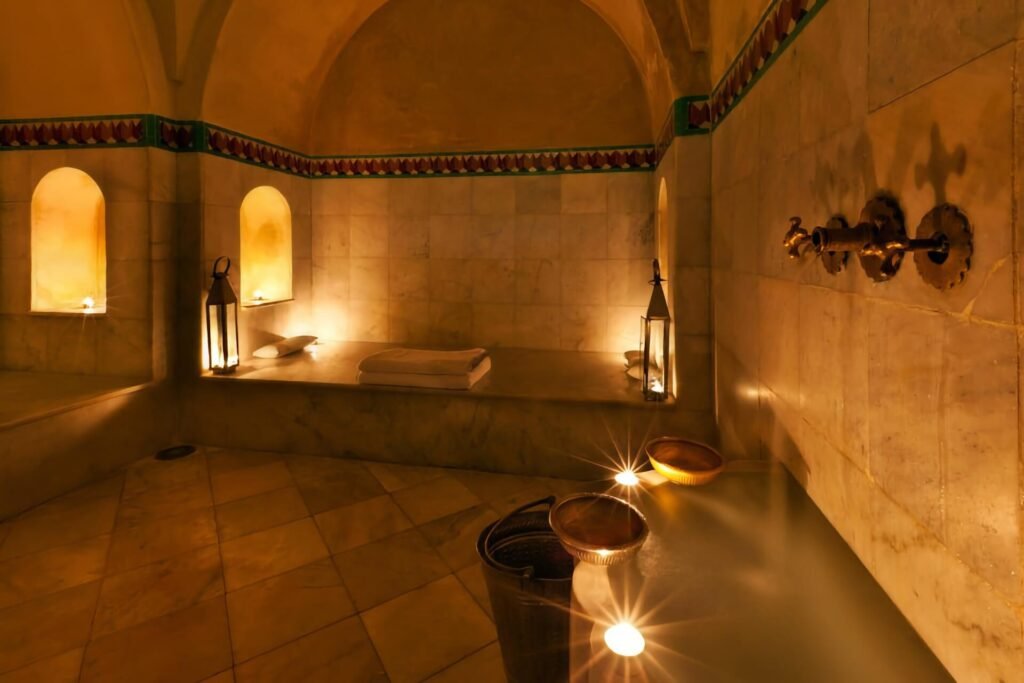
After the dust and the physical exertion of the plateau, 90 minutes of steam, black soap, and kessa scrub is the correct counterbalance — the most effective physical reset available in Marrakech
-
Moroccan Cooking Class
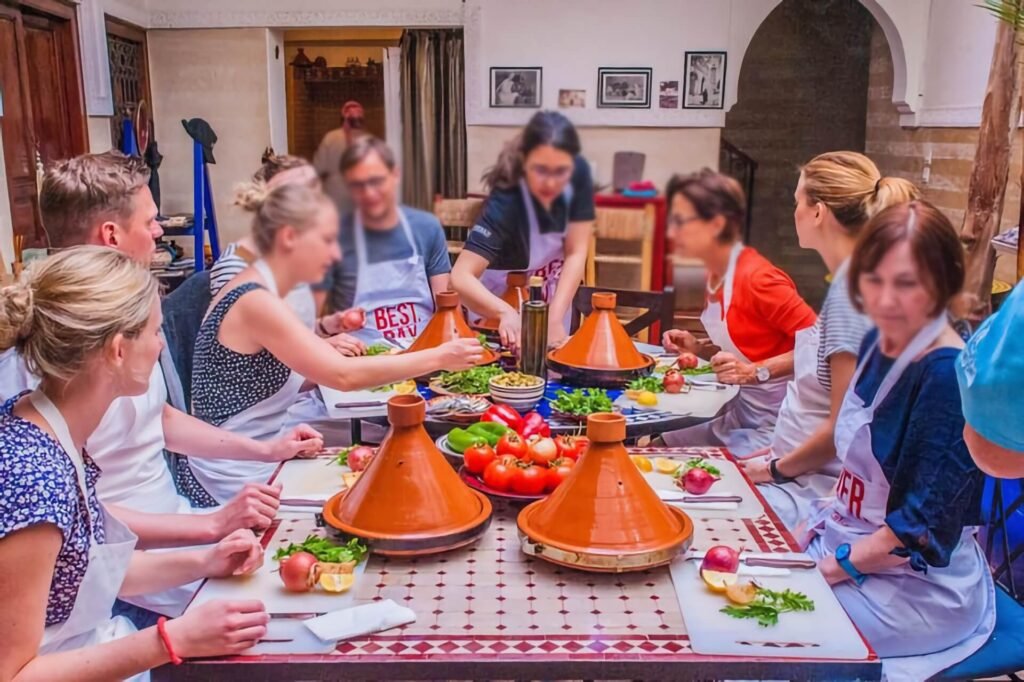
A 3-hour riad cooking class — the most indoor, most sedentary, and most culturally specific experience on the list. Tajine technique, spice knowledge, and a table lunch at the end
 Marrakist Concierge