
The best Marrakech trips combine the iconic with the immersive. The Bahia Palace and the souks are non-negotiable. So is a hammam, and probably a cooking class. Beyond those, the city rewards curiosity — the less expected experiences often become the most memorable. Below is the full range of what’s available, from the famous to the overlooked.
Things to Do in Marrakech: The Complete Guide
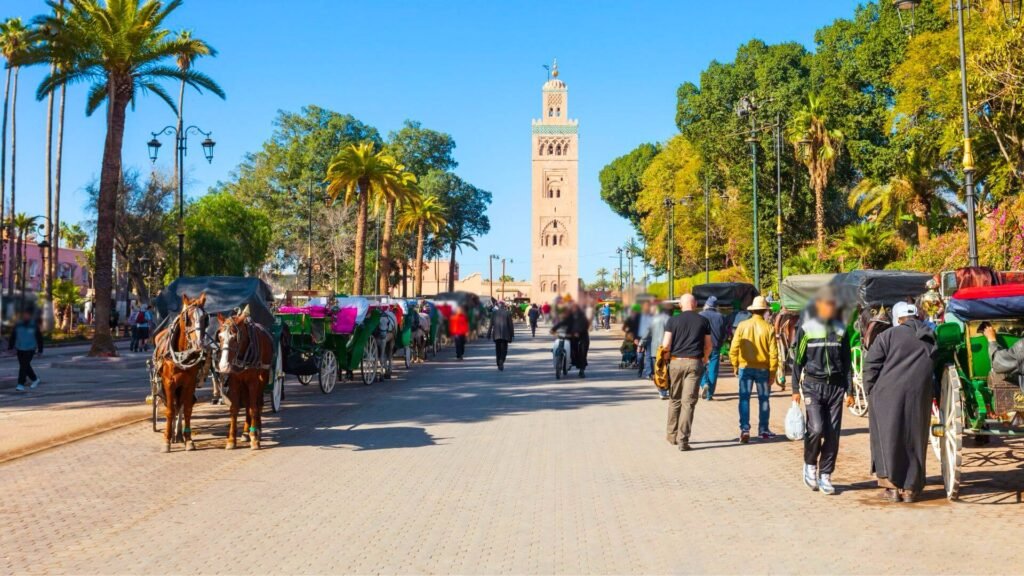
Marrakech is not a city you simply visit. It pulls you in. The call to prayer echoing off the Koutoubia minaret. The smell of cumin and rose water drifting through the souks. A riad courtyard so quiet you’d never guess the chaos of Jemaa el-Fna is a five-minute walk away.
What surprises most visitors is the density of it — how many genuinely different things there are to do, and how little of the city feels designed for tourists rather than lived in by real people. The medersas and palaces are extraordinary. The hammams are a centuries-old practice still functioning as they always have. The food is serious. The day trips — to the Atlas Mountains, to the Drâa Valley, to the coast — are as good as the city itself.
This guide covers the best things to do in Marrakech: the essential attractions, the experiences worth booking in advance, the places most visitors miss, and how to fit it all together based on how long you have. Whether you’re here for a long weekend or building a longer Morocco itinerary, start here.
- Best time to visit
- Oct – Apr
- Recommended stay
- 2 – 5 days
- Arrive early
- Majorelle Garden before 9am
- Agafay Desert
- 30 min from the city
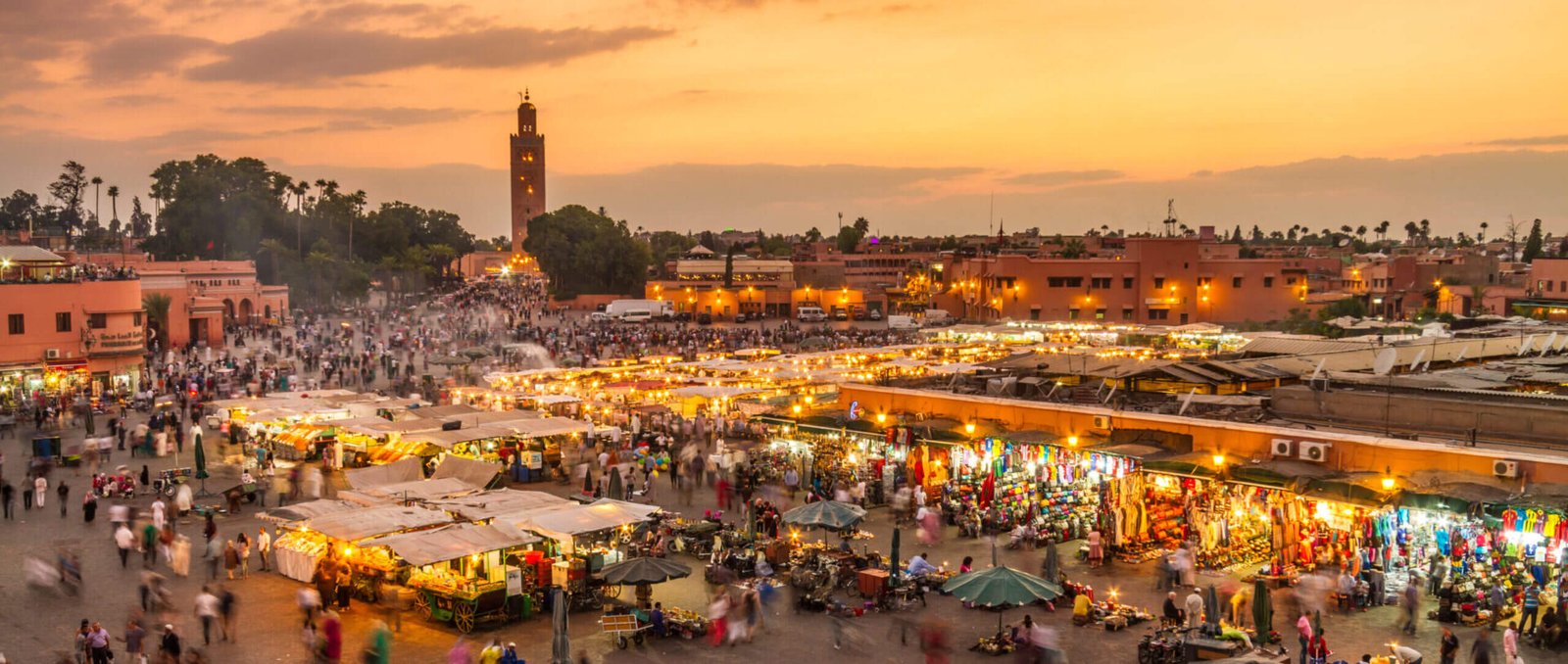
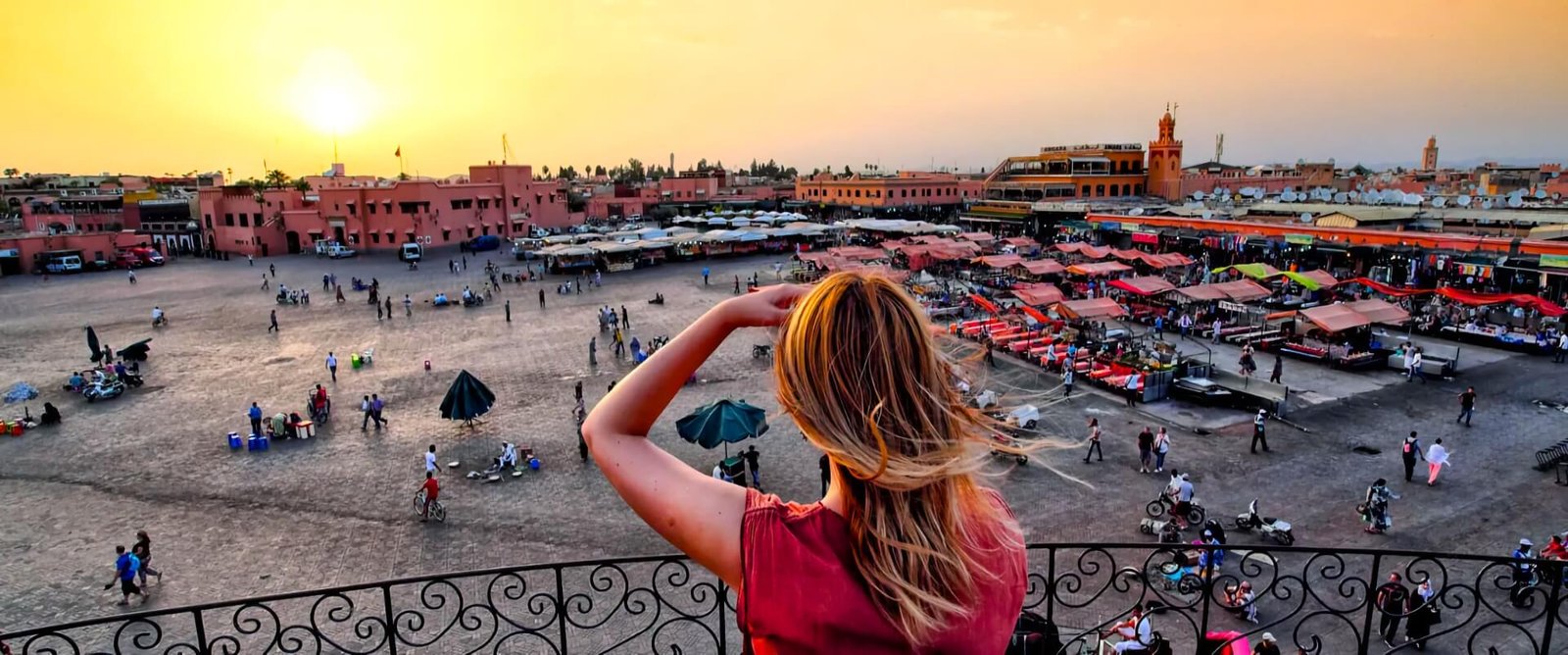
Jemaa el-Fna — morning fruit market, afternoon storytellers, open-air feast by night: one square, three cities in one day
Top Experiences You Can’t Miss in Marrakech
-
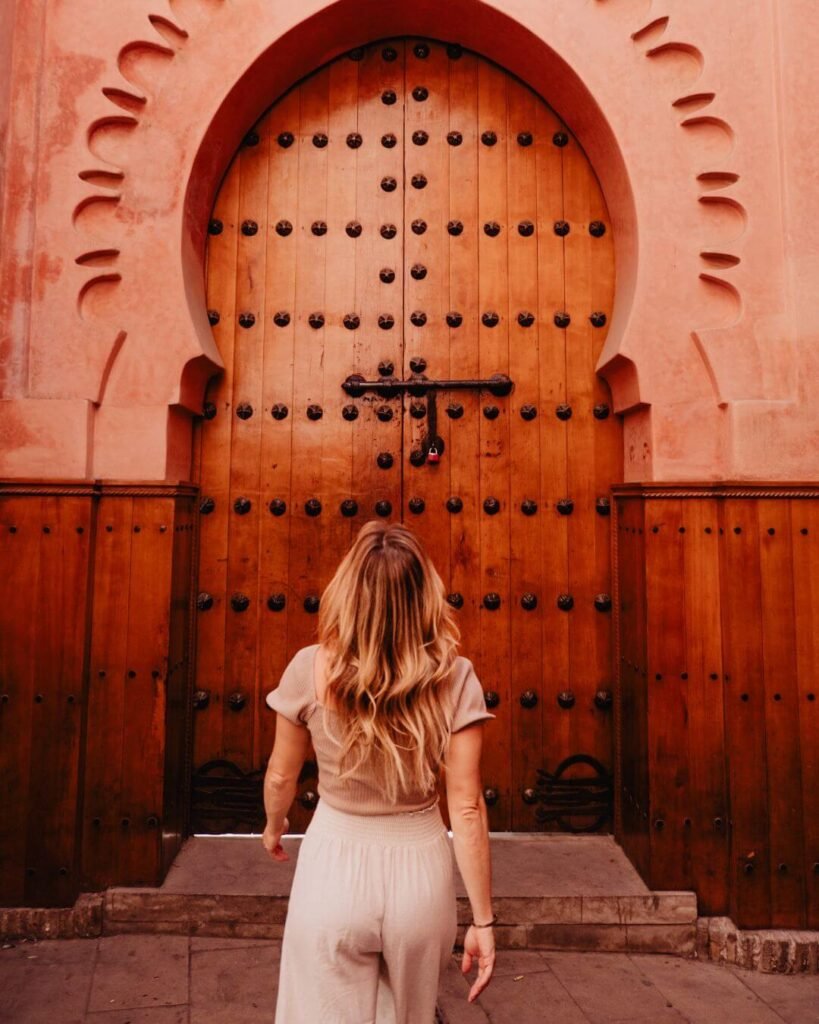
Top 20 Things to Do in Marrakech
The essential starting point. Every experience that matters in the city, ranked and explained — so you know what to prioritize however much time you have.
-

Marrakech Attractions
The palaces, mosques, gardens, and historic sites that define the city. Bahia Palace, Majorelle Garden, Ben Youssef Madrasa, the Koutoubia — all explained with honest advice on visiting.
-

Unique Experiences
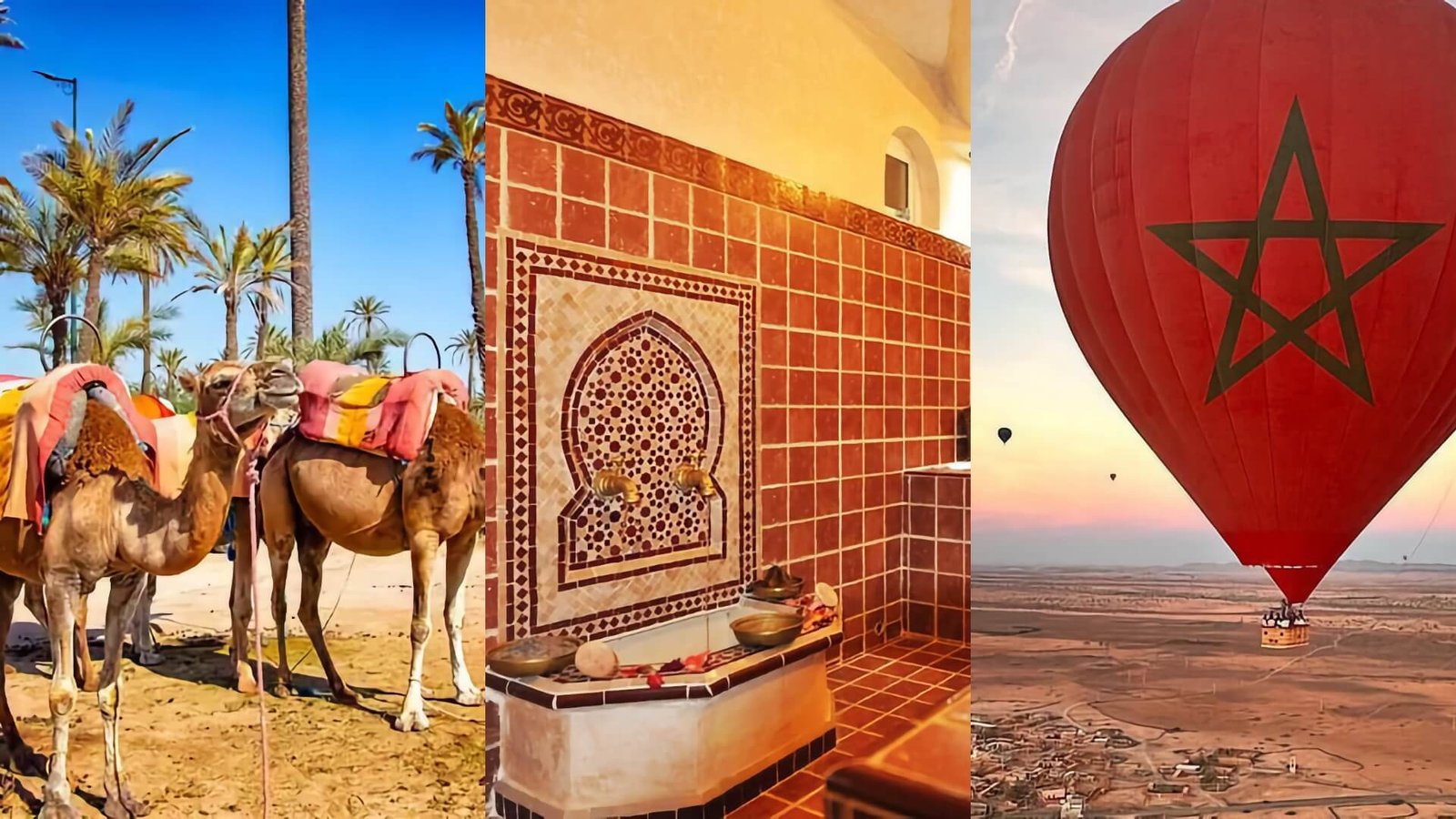
Camel rides at the Palmeraie, hot air balloon flights at sunrise, quad bikes in the desert outskirts. The activities that go beyond sightseeing and turn a trip into something genuinely different.
-
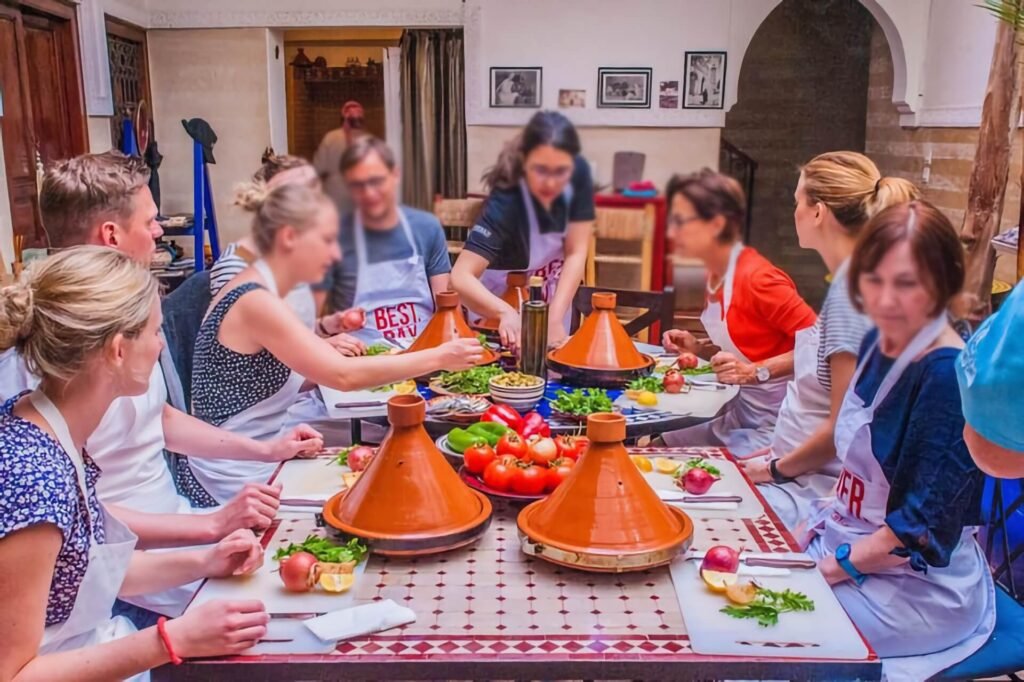
Food & Cooking Classes
Moroccan cuisine is one of the great underrated food cultures in the world. A cooking class — starting in the spice market, ending at the table — is one of the best ways to understand the city.
-
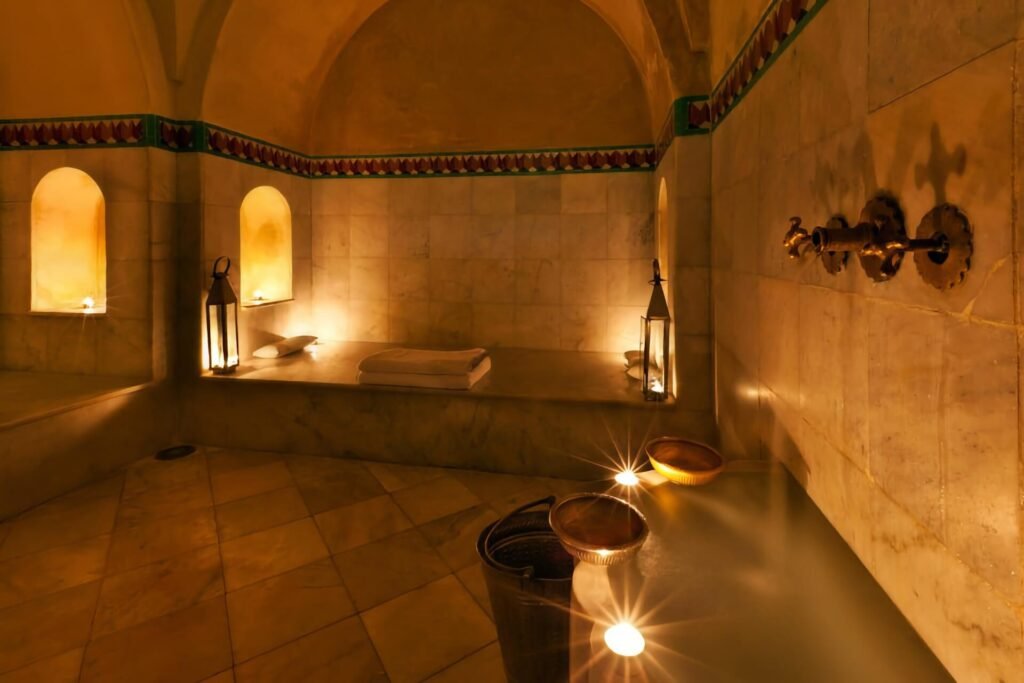
Hammams & Spa Rituals
A traditional hammam is not a spa day. It's a centuries-old ritual of steam, black soap, and exfoliation that locals practice weekly. Our guide covers the best options from authentic to luxury.
-
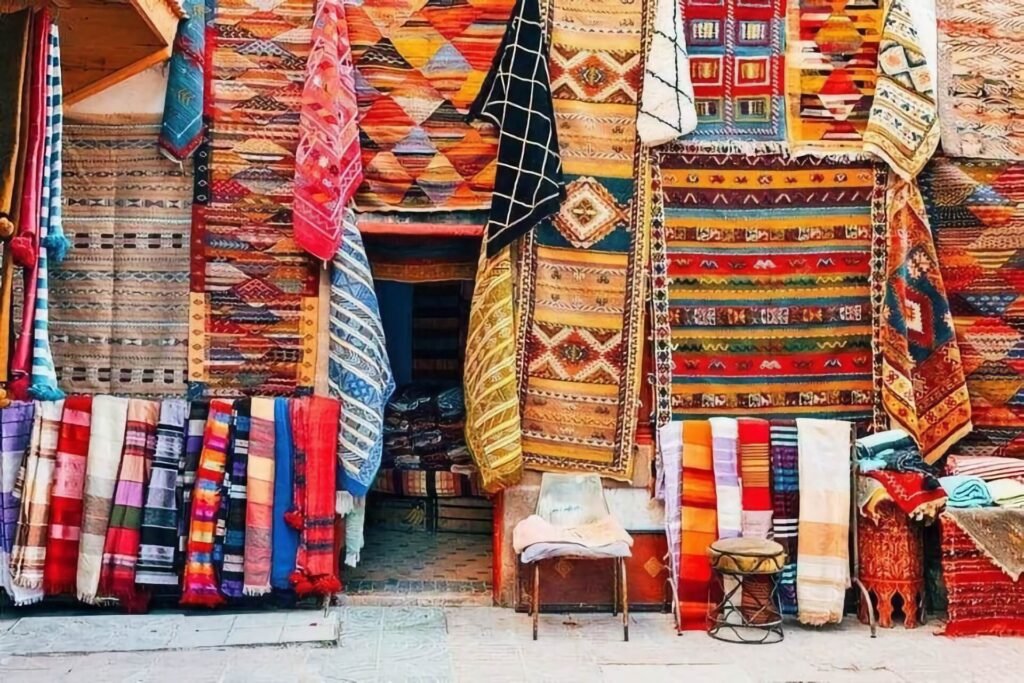
Shopping in the Souks
The souks require a strategy. This guide covers which quarters sell what, how to navigate without getting lost, and how to bargain without embarrassing yourself or the seller.
-
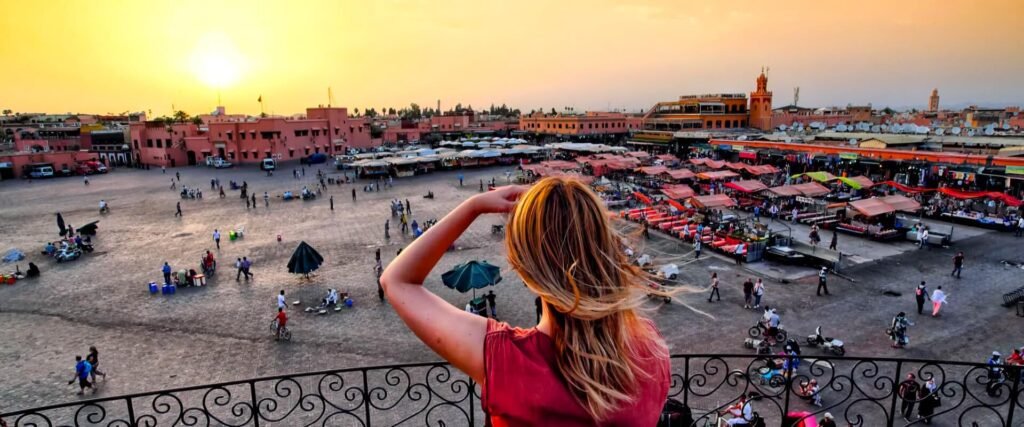
Instagram Spots
The Majorelle Garden, the Ben Youssef courtyard, the tanneries from above, the rooftops at dusk. Where to go for the shot, and when to arrive before everyone else does.
-

Hidden Gems
The Museum of Confluences. The Mellah. The Chrob ou Chouf fountain. Quiet corners of a loud city — for travelers who want to go beyond the obvious.
Marrakech’s Most Famous Attractions
Marrakech’s historic core is extraordinarily dense. Within walking distance of each other you’ll find one of the great medieval squares in the world, a 12th-century mosque that still defines the city’s skyline, royal palaces built for sultans who commissioned the finest craftsmen in North Africa, and gardens designed by a French artist and later restored by Yves Saint Laurent.
Jemaa el-Fna is the obvious starting point — not because it’s the most beautiful thing in the city, but because it’s the most alive. Go in the morning for the market, stay through the afternoon, and come back at dusk when the food stalls appear and the square transforms into something genuinely extraordinary.
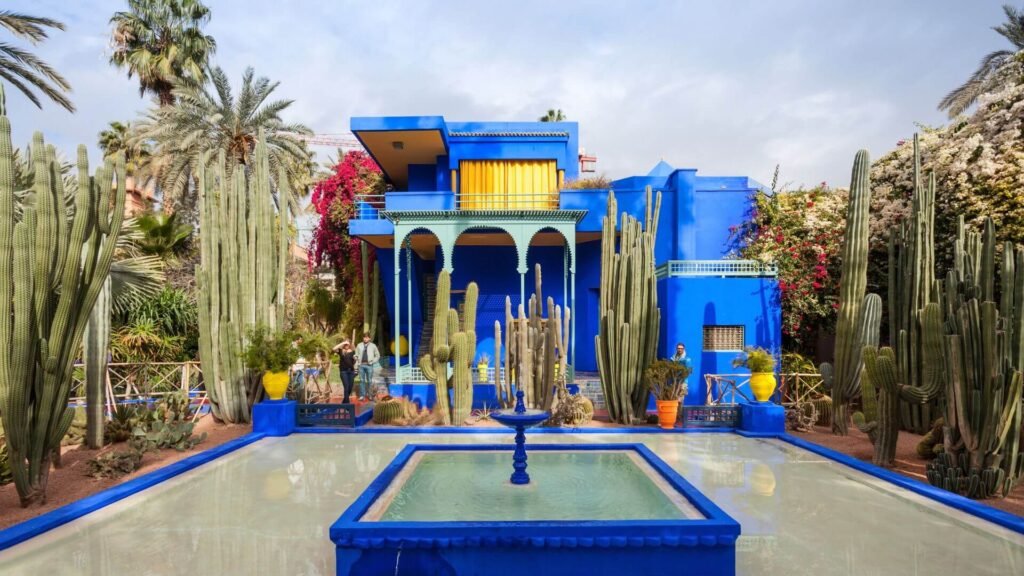
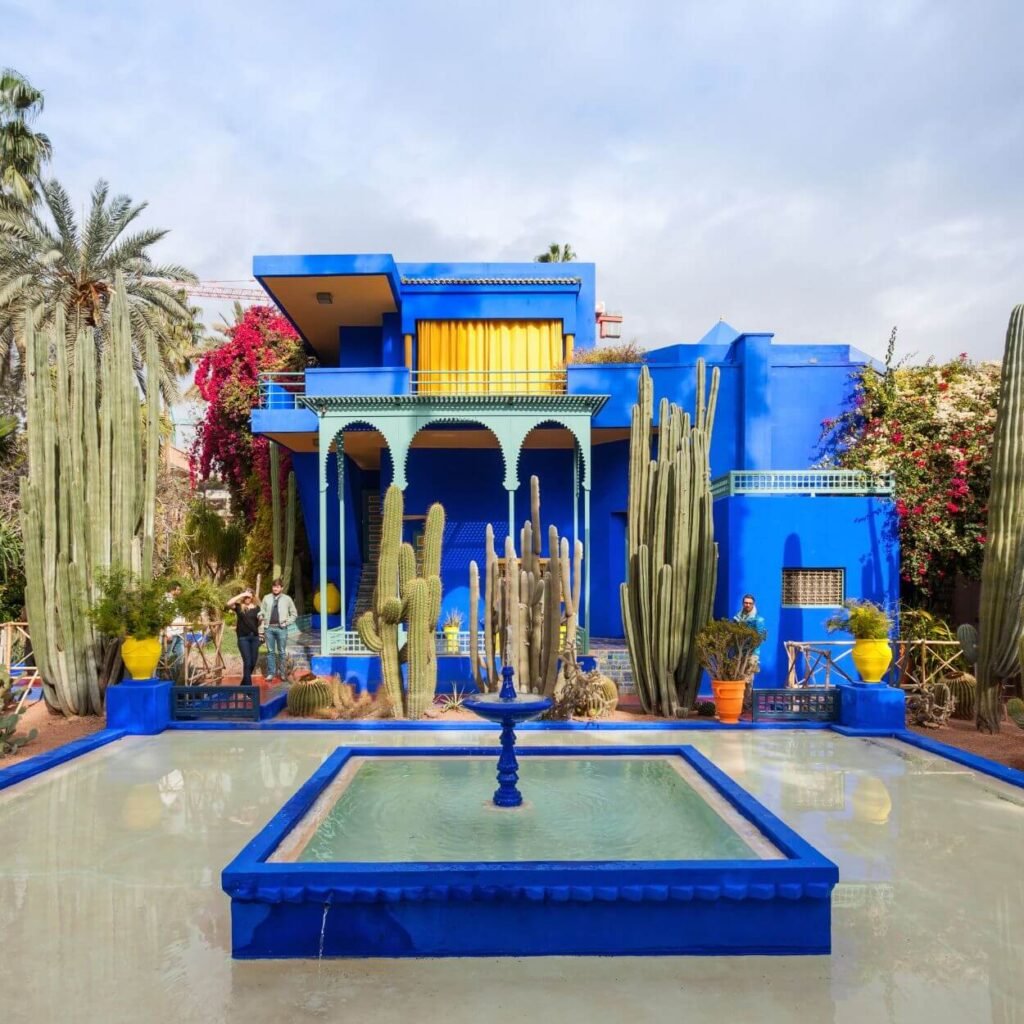
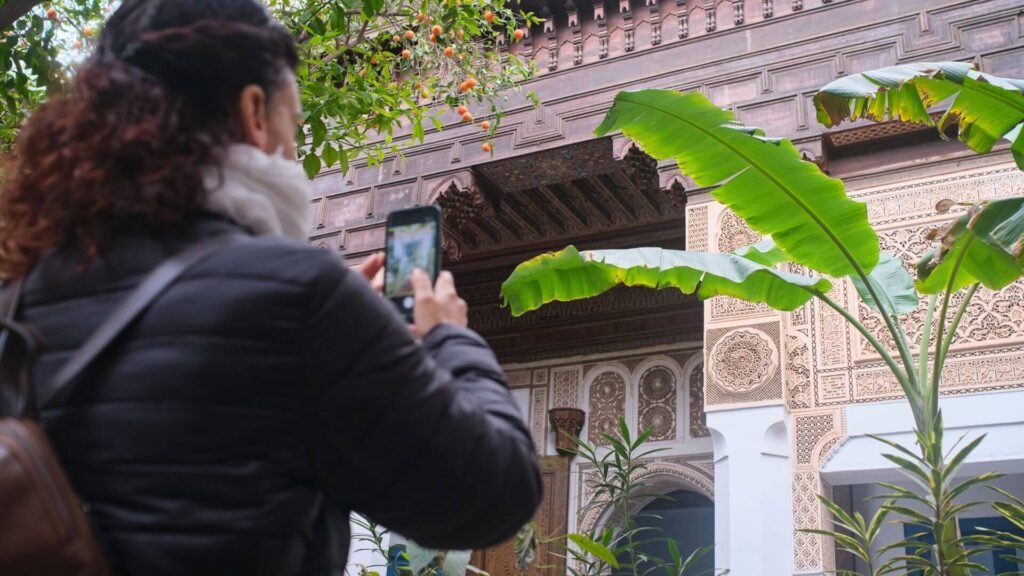
The Bahia Palace rewards a slow visit. The Majorelle Garden rewards arriving before 9am, when it’s possible to appreciate the cobalt-blue architecture and the plantings without the crowd. Ben Youssef Madrasa is the finest example of Andalusian-Moroccan architecture in the city — the central courtyard alone justifies the entrance fee.
These landmarks are the foundation of any Marrakech trip. The complete guide covers all of them in detail, with honest advice on timing, tickets, and what’s actually worth the visit versus what looks better in photographs.
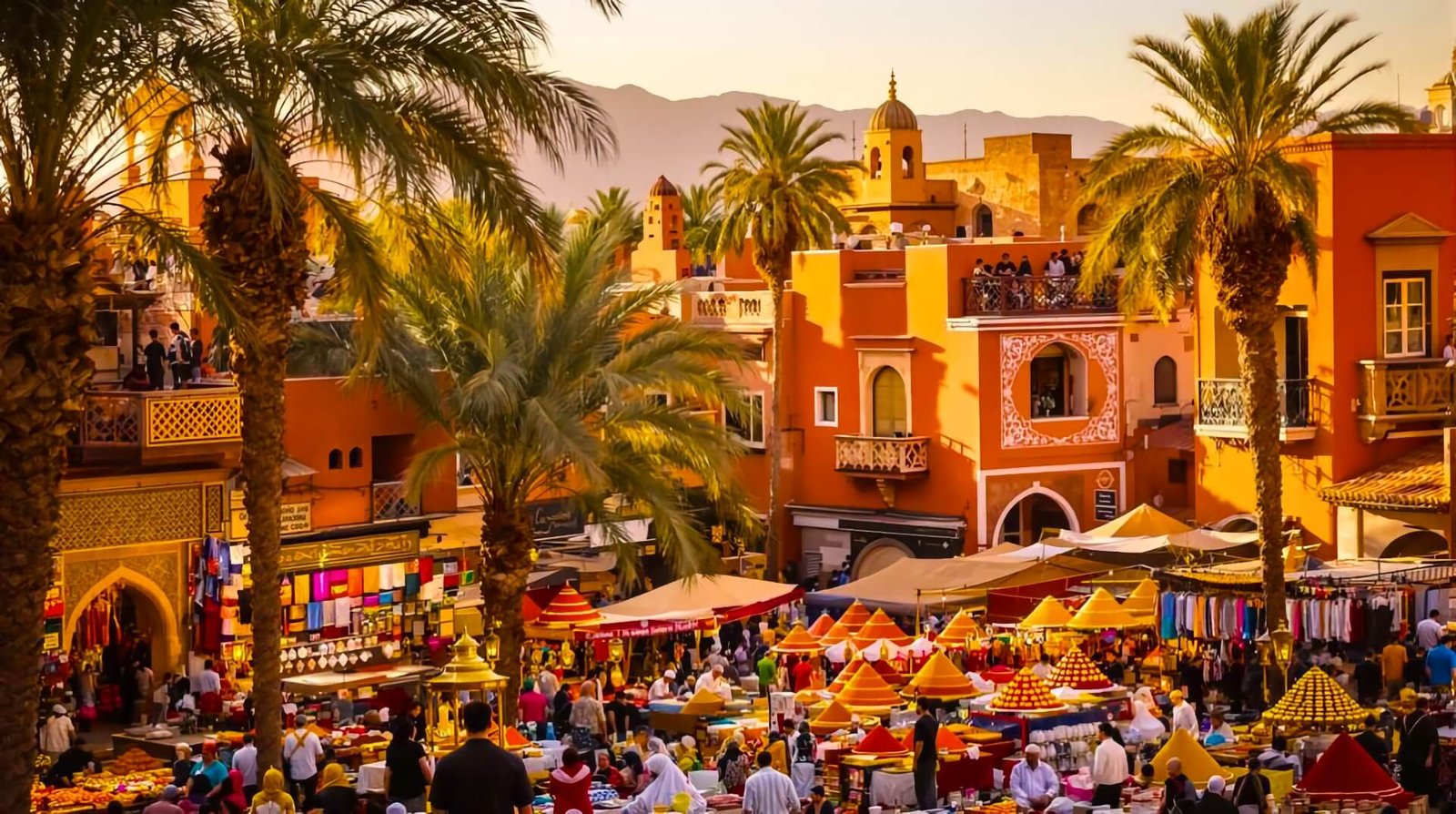
Unique Experiences You Can Only Have in Marrakech
Some of the best things to do in Marrakech aren’t things you visit — they’re things you do. A hammam session at a neighborhood bathhouse. A cooking class that starts in the spice market and ends at a table set in a riad courtyard. A sunrise hot air balloon flight over the palmeries and the patchwork of agricultural land north of the city.
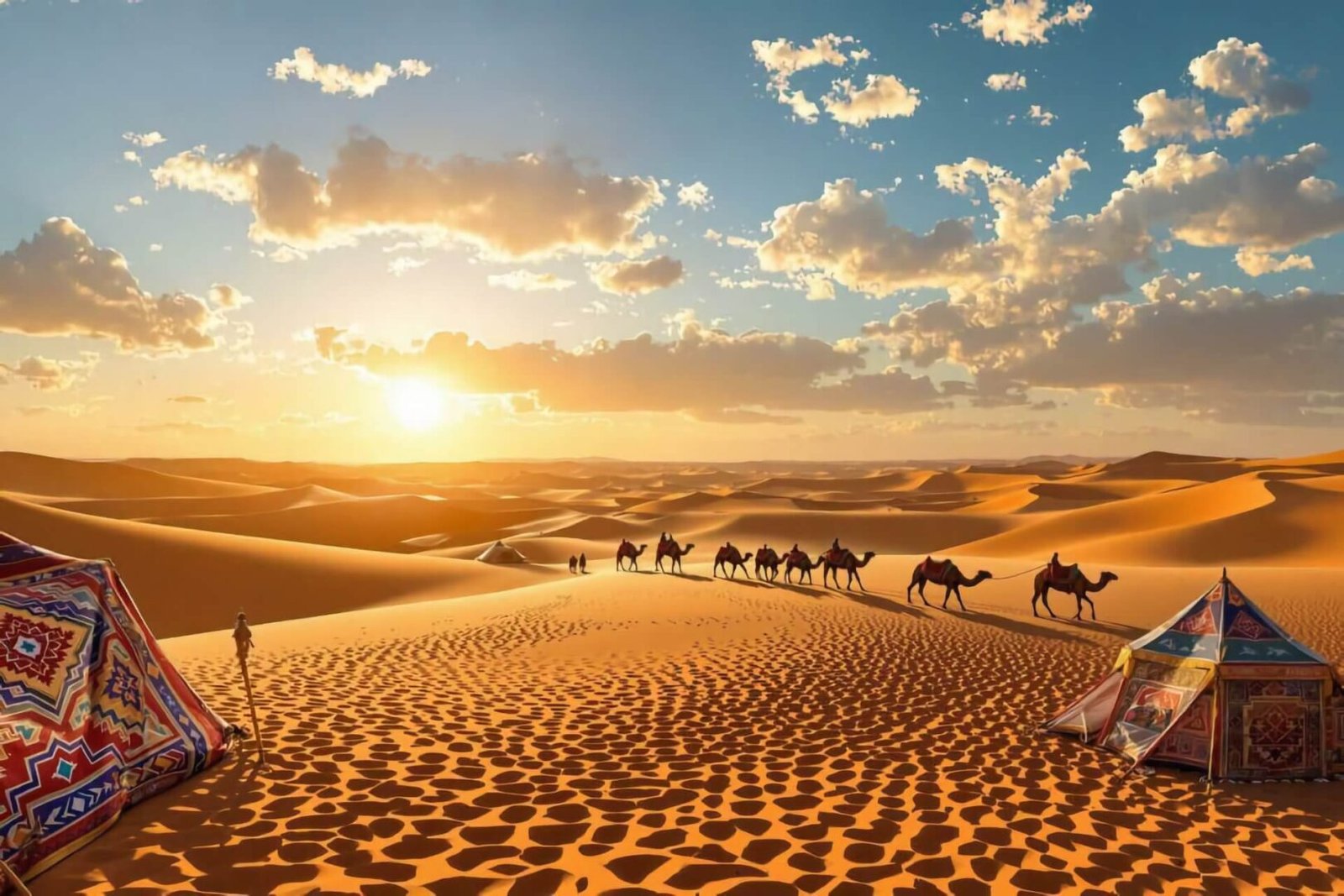
The desert experiences are closer than most travelers expect. The Agafay Desert — a rocky, arid landscape thirty minutes from the center — is the easiest option for camel rides, sunset dinners, and quad biking. The Palmeraie, immediately north of the city, offers camel rides in a more accessible setting.
These aren’t experiences designed purely for tourists. The hammam is where Marrakech residents actually go. The cooking traditions being taught in the classes are genuinely practiced at home. The best experiences in the city have that quality — they feel connected to real Moroccan life rather than performed for outside consumption.
Food Experiences & Cooking Classes
Moroccan cuisine is built on spice combinations that took centuries to develop — the layering of ras el hanout, preserved lemon, saffron, and argan oil produces flavors that are genuinely difficult to replicate without understanding how they work together. A cooking class is the most direct route to that understanding.
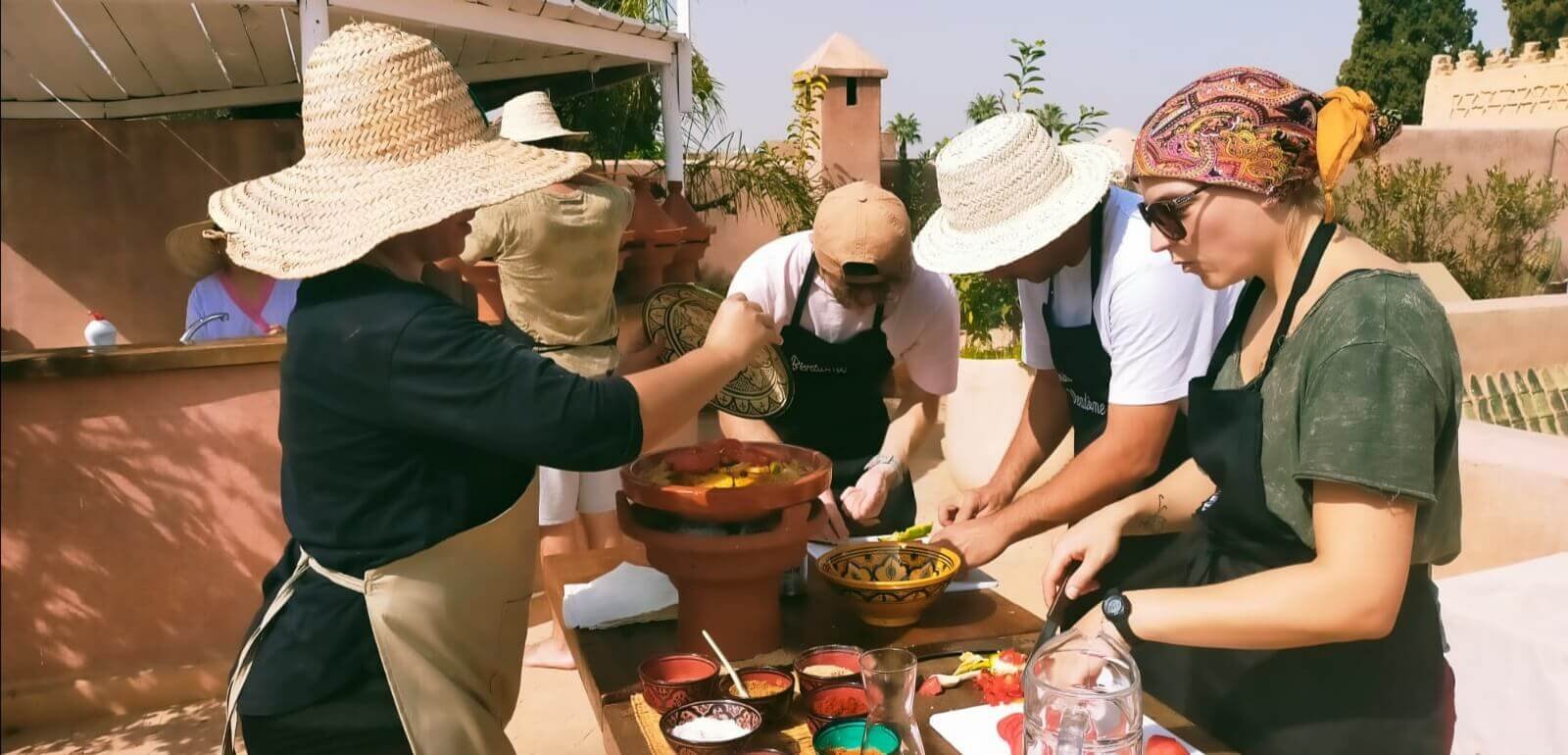
The better classes start in the spice market, where you select and smell the individual ingredients before they become a dish. They end at a table with the food you’ve made — tagine, couscous, a pastilla if you’re lucky, and harira to start. Most are run by local cooks in their own riads, and the quality of the teaching reflects genuine knowledge rather than a scripted experience.
Food tours offer a different approach — moving through the souks and the streets around Jemaa el-Fna, tasting as you go. Fresh-baked msemen, sheep’s head if you’re adventurous, fresh orange juice at the square, makouda from a stall that’s been there for thirty years. Both approaches are worth doing if you have time for both.
Traditional Hammams & Spa Rituals
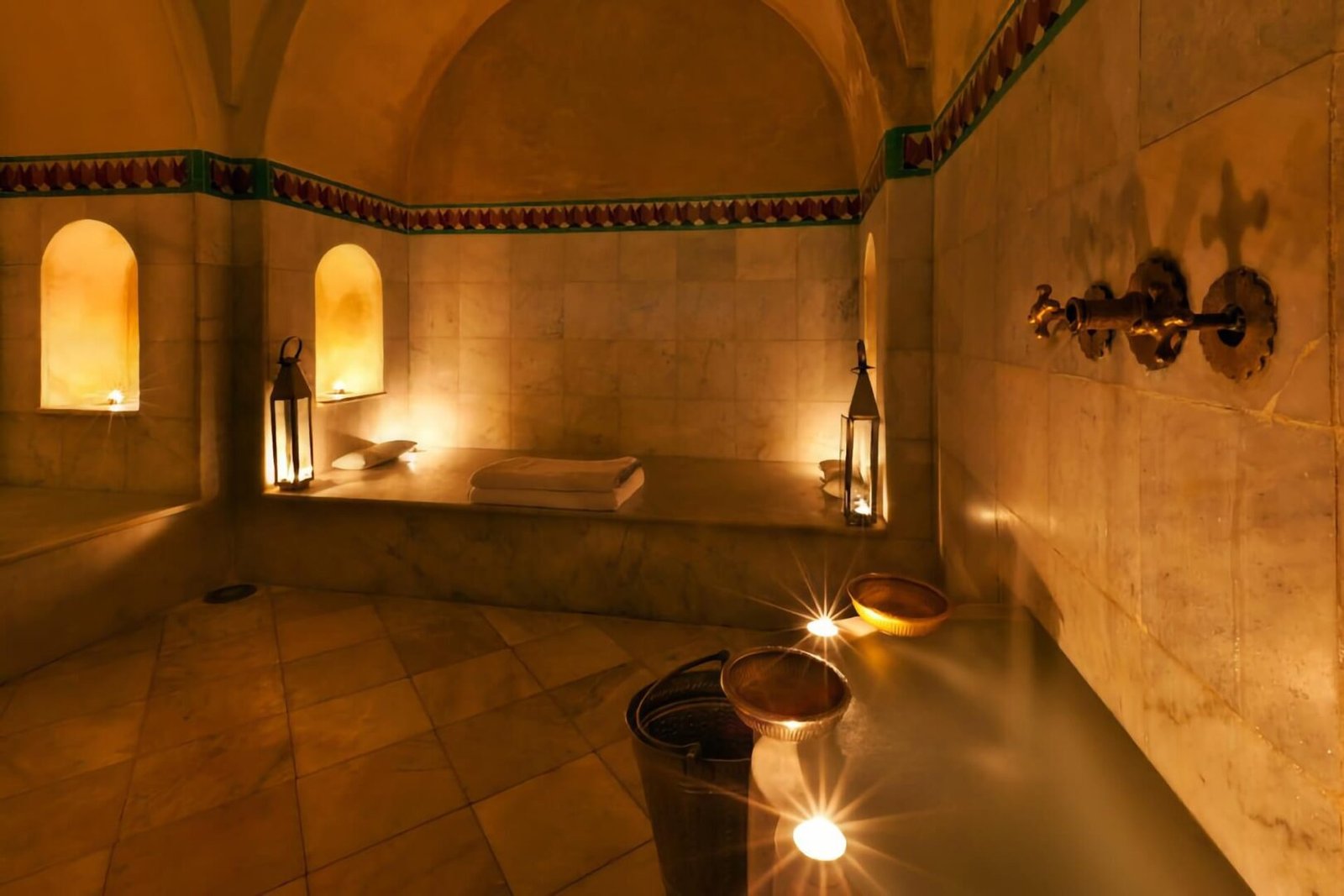
A traditional Moroccan hammam is not a wellness experience in the contemporary sense. It’s a civic institution — the neighborhood bathhouse where Marrakech residents have gathered for centuries to wash, to talk, and to perform a ritual of cleansing that is woven into daily life.
The process is specific: warm rooms that open the pores, black soap made from olives applied and left to work, then a vigorous exfoliation with a kessa glove that removes more dead skin than you thought possible. The result is genuinely different skin — softer, cleaner, more alive — and a kind of physical relaxation that’s hard to achieve any other way.
The spectrum runs from entirely local neighborhood hammams, where you’ll pay a few dirhams and share the space with residents of the quarter, to high-end spa interpretations in luxury riads and hotels that use the same techniques in considerably more refined surroundings. Both are worth experiencing for different reasons. Our guide covers both ends and everything in between.
Shopping in the Souks
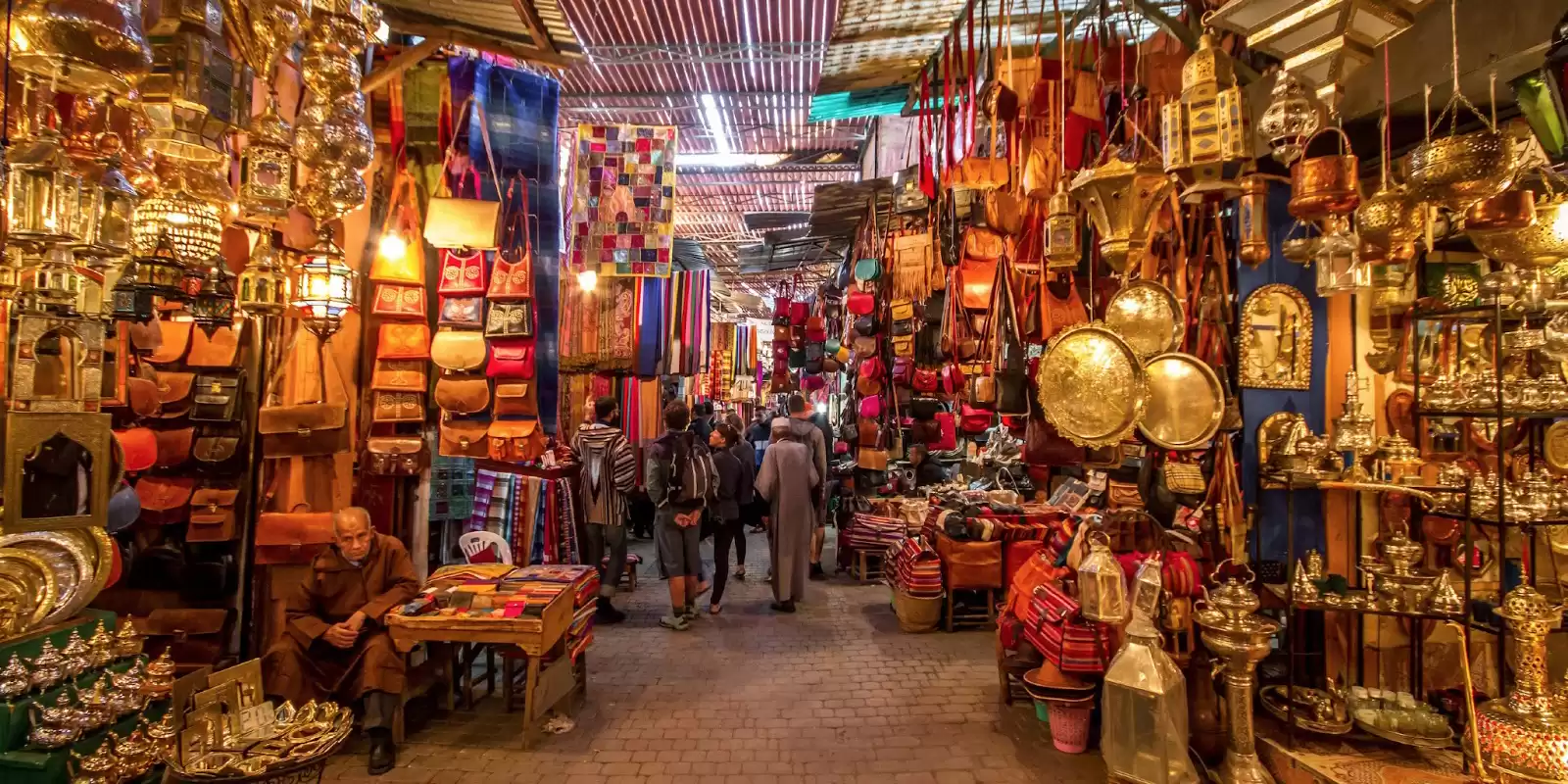
The souks of the Medina are not one market — they’re a series of specialist quarters, each dedicated to a particular craft: the leather tanneries of the Chouara, the brass and copper workers of the Medina’s northern quarter, the carpet sellers, the spice merchants, the weavers. Understanding the geography of the souks makes the experience considerably more rewarding.
The craftsmanship is real. The carpets are hand-knotted by Berber artisans from the Atlas Mountains and the south. The leather goods come from tanneries that have operated for a thousand years using methods that haven’t fundamentally changed. The pottery, the brasswork, the lanterns — much of what’s for sale in Marrakech’s souks is genuinely made in Morocco, often by artisans who learned the craft from their fathers.
Bargaining is expected in most souk transactions. The rule of thumb: start at around half the asking price and expect to settle somewhere around two-thirds. Being willing to walk away usually produces the best outcome. Our shopping guide covers which quarters to prioritize, what represents genuine quality, and how to avoid the shops that have made an art of appearing authentic while selling mass-produced goods.
Most Beautiful Spots for Photography in Marrakech
Marrakech photographs well almost everywhere, but some locations reward the effort of going specifically for the image. The Ben Youssef Madrasa’s central courtyard — best before 9am, before the tour groups arrive. The Chouara tanneries viewed from the terraces above — go in the morning when the colors are freshest. The Majorelle Garden’s cobalt-blue buildings against the subtropical planting.
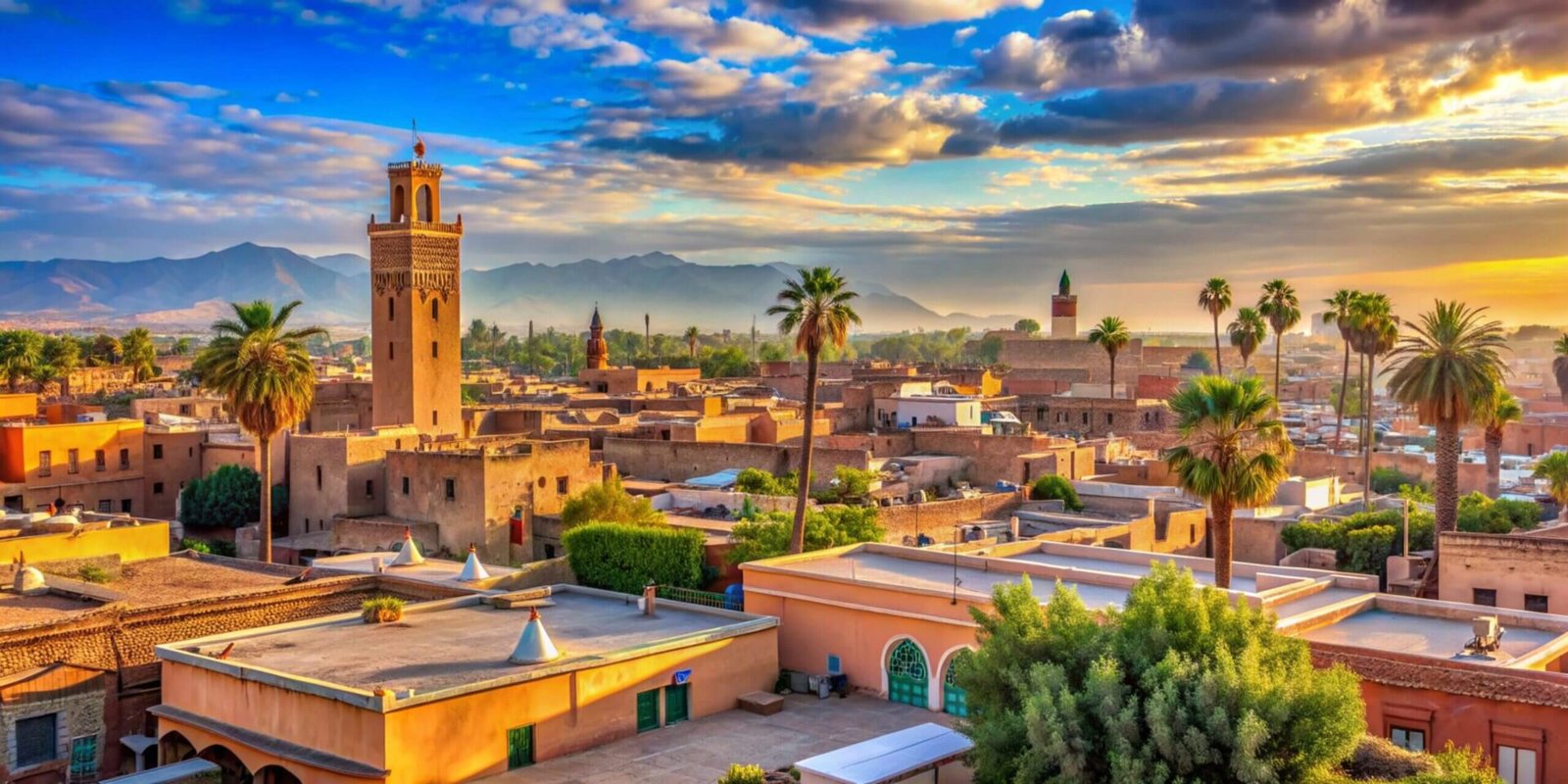
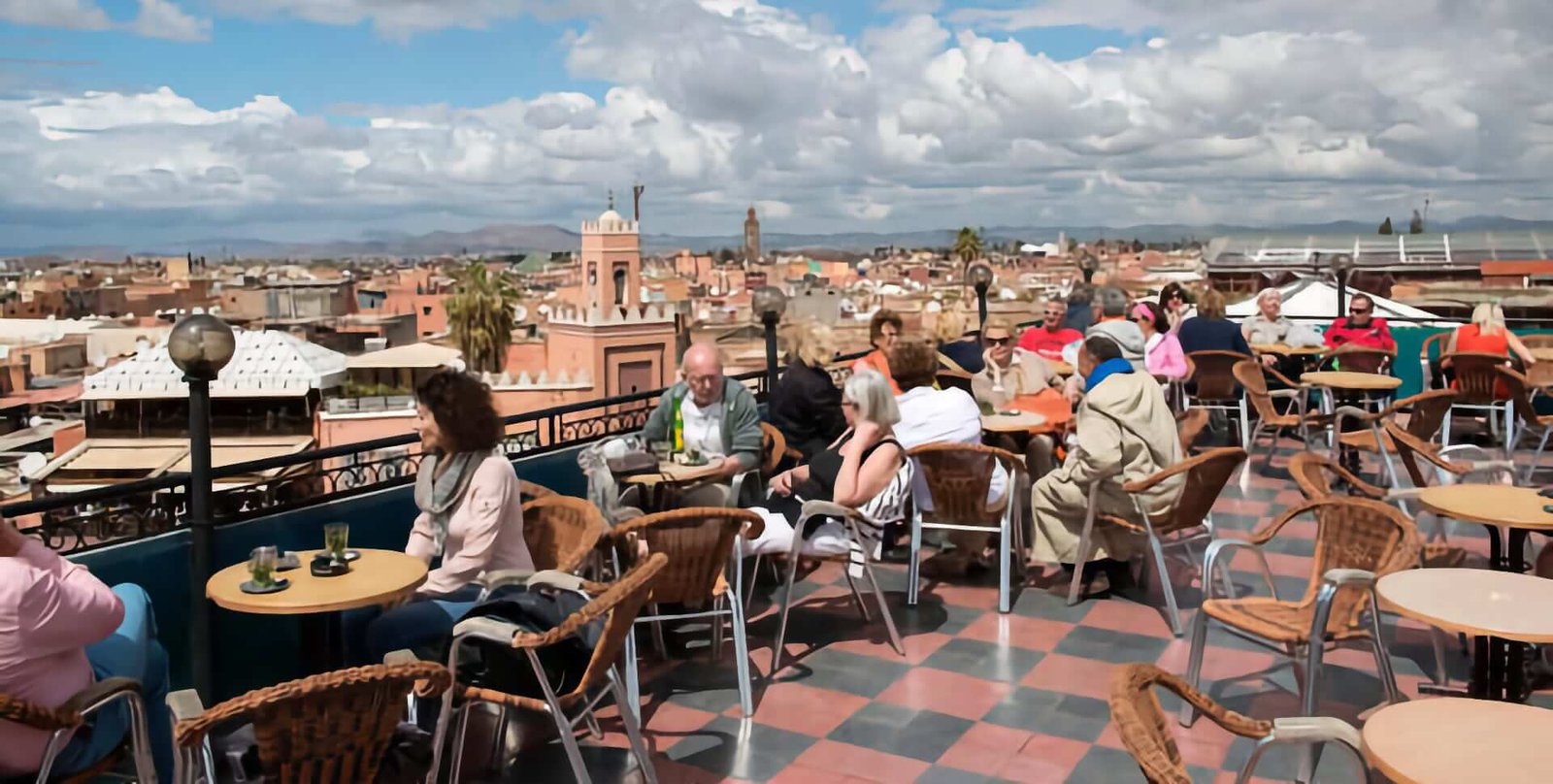
Beyond the obvious: the rooftops of the Kasbah at dusk, when the light turns the city amber. The geometric tilework of the Bahia Palace’s smaller courtyards. The view from Café de France over Jemaa el-Fna as the food stalls are being set up in the late afternoon. The narrow souk alleys in the morning, when the light comes through the bamboo screens overhead and everything is still.
Our guide covers the specific spots, the best times of day for each, and the practical information — whether you need to pay for access, how far in advance to arrive, and which angles produce the shots that actually do the city justice.
Things to Do in Marrakech for Every Traveler
Marrakech offers experiences tailored to every type of traveler. Whether you are seeking romance, adventure, family-friendly activities, or luxury, the city has something unforgettable to offer.
Couples
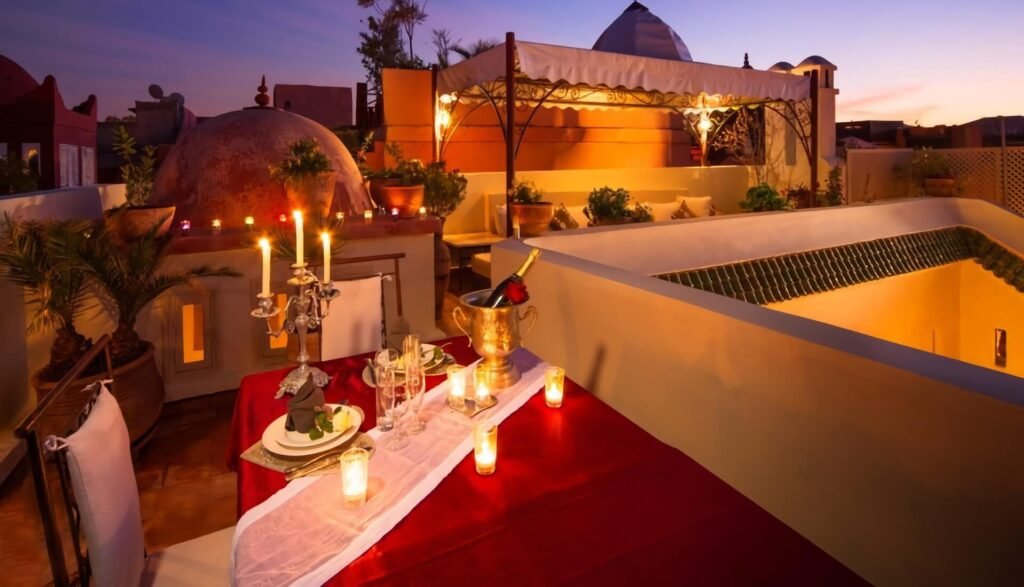
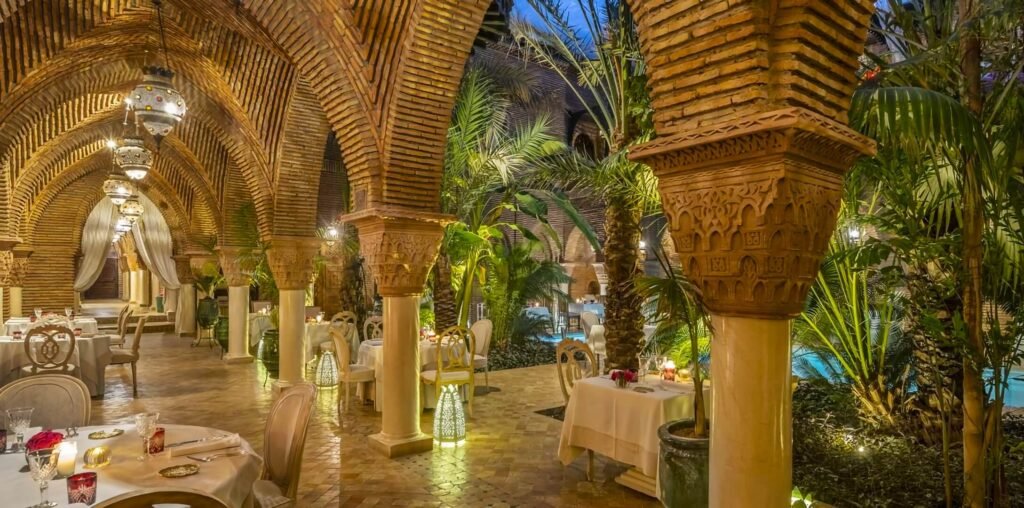
Candlelit riad courtyards, hammam sessions for two, rooftop dinners as the city quiets, and the particular atmosphere of Marrakech’s evenings — all of it makes the city work unusually well for couples who want something genuinely different.
Families
Majorelle Garden, camel rides at the Palmeraie, the acrobats at Jemaa el-Fna, the Museum of Confluences — Marrakech has more for children than most families expect, particularly for children old enough to engage with a genuinely different world.
Luxury Travelers
Private guided tours that bypass the crowds, restaurants in riads that most visitors never find, spa programs at the city’s finest properties, bespoke day trips to the Atlas foothills. Marrakech at the luxury level is exceptional.
Adventure Seekers
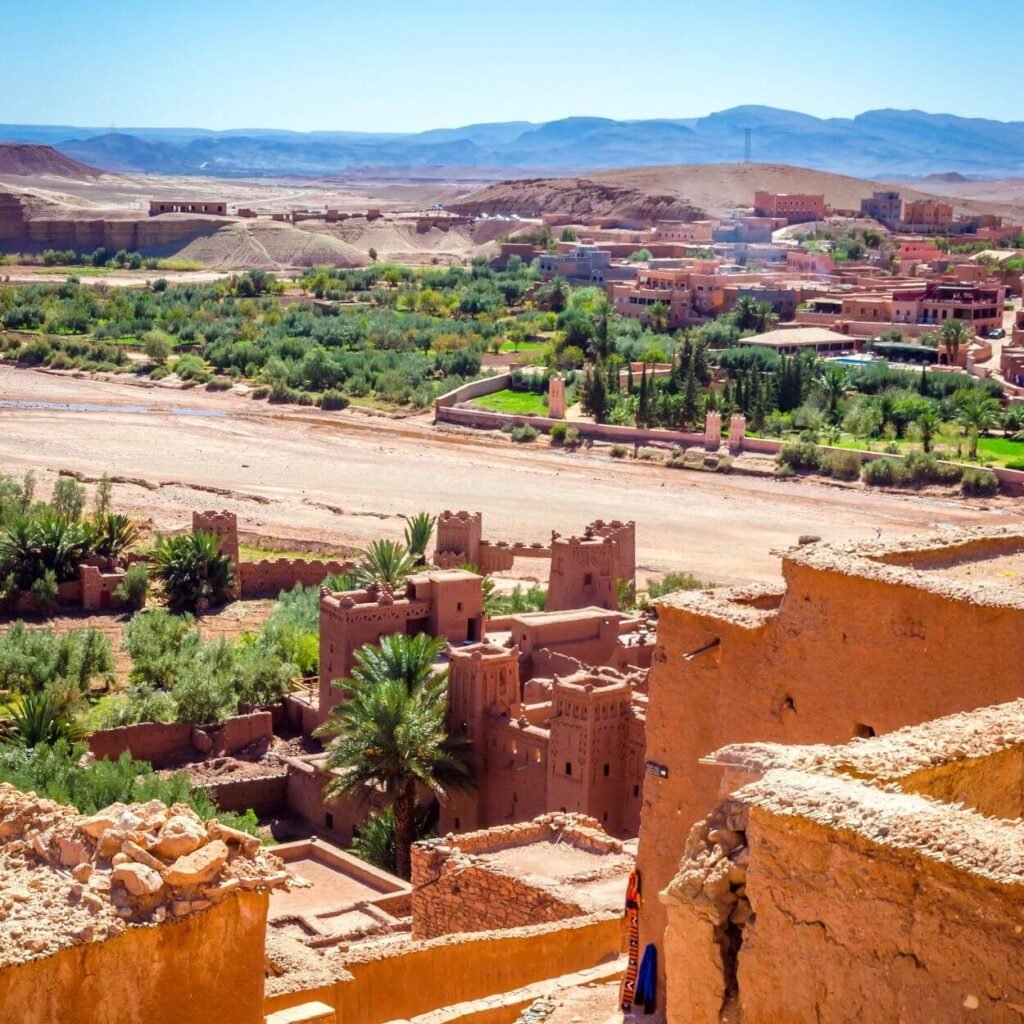
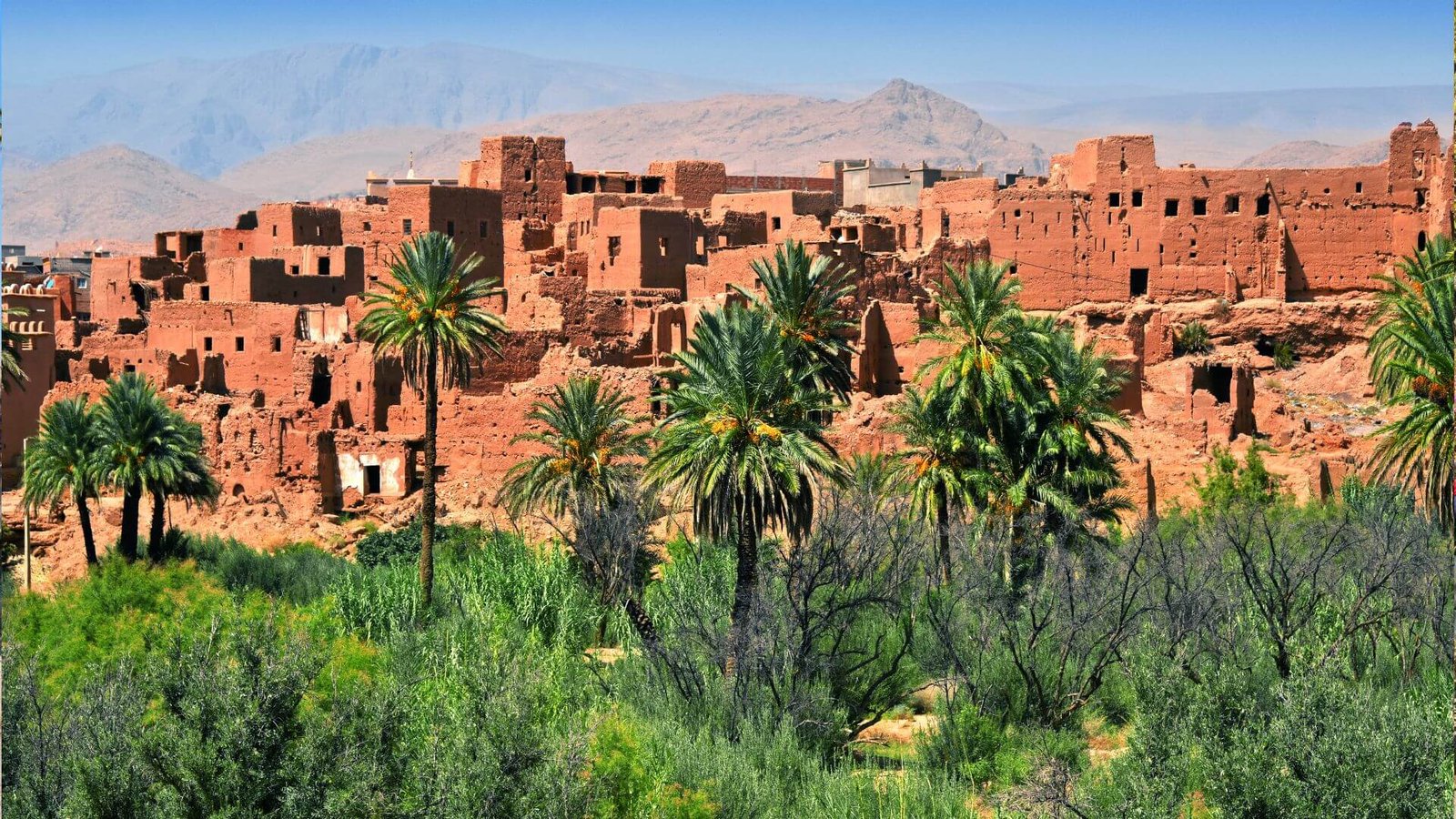
Sunrise hot air balloon flights, quad biking in the Agafay Desert, hiking in the Ourika Valley, camel treks at sunset. The landscape around Marrakech is extraordinary — and most of it is within an hour of the city.

How to Plan Your Marrakech Trip
How you experience Marrakech depends entirely on how long you have. Two days is enough for the essentials — Jemaa el-Fna, a palace, a garden, a hammam, the souks. Three gives you room to breathe and add a cooking class or a day trip. Four or five days is when the city starts to reveal its less obvious layers. Our itinerary guides are built around these realities.
-
2 Days in Marrakech
The essentials, efficiently sequenced. For a short trip with no wasted time. 2 days -
3 Days in Marrakech
The right balance of landmarks, experiences, and a moment to slow down. 3 days -
4 Days in Marrakech
More time for the souks, hidden gems, and a day trip out of the city. 4 days -
5-Day Marrakech + Desert Trip
City plus a night in the Agafay or further into the Sahara. 5 days -
7-Day Morocco Trip
Marrakech as a base for exploring the country more widely. 7 days
FAQ: Things to Do in Marrakech
What are the best things to do in Marrakech?
The non-negotiables: Jemaa el-Fna at dusk, the Bahia Palace, Majorelle Garden, a traditional hammam, the souks, and at least one meal that wasn’t chosen from a menu displayed in four languages. Beyond those, the best things to do in Marrakech depend on how long you have and what kind of traveler you are — which is what the rest of this guide is for.
Is 3 days enough for Marrakech?
Yes, for a first visit covering the main attractions. You’ll fit in Jemaa el-Fna, two or three palaces or gardens, a hammam, the souks, and a decent amount of wandering. For a more relaxed experience, or if you want to add a cooking class, a day trip, or the hidden gems that most visitors miss, four to five days is more comfortable.
What is Marrakech famous for?
Jemaa el-Fna — one of the great public squares of the world. The Medina’s souks and the crafts they sell. The palaces and gardens. The food. The hammam tradition. The architecture of the riads. And increasingly, the quality of the restaurants, the design hotels, and a contemporary Moroccan culture that’s more sophisticated than most visitors expect before they arrive.
Is Marrakech safe for tourists?
Yes. Marrakech is one of North Africa’s most visited cities and has a well-established infrastructure for tourism. Standard urban precautions apply — keep an eye on bags in the busy souks, use licensed guides if you want a guide, book taxis through your accommodation for the first few trips until you understand the city’s geography. Nothing out of the ordinary for a major city.
What should tourists not miss in Marrakech?
Jemaa el-Fna at dusk, the Ben Youssef Madrasa’s courtyard, the Bahia Palace, Majorelle Garden before the crowds, a neighborhood hammam, and at least one morning of genuine wandering in the Medina with nowhere specific to be. The city rewards slow walking and curiosity more than most places.
 Marrakist Concierge