Hidden Gems in Marrakech: Discover the City's Best-Kept Secrets

Marrakech is famous for its souks, palaces, and the spectacle of Jemaa el-Fna. But the city that most visitors experience is a curated surface. Behind it — down quieter alleys, through modest unmarked doors, in neighborhoods that don’t appear on the main tourist circuit — is a Marrakech that moves at a different pace.

These are the hidden gems: a palace most people walk past without entering, a photography museum above a quiet courtyard café, a neighborhood bakery operating at 5am, a garden that was sealed from public access for decades. Places the city’s residents use as part of daily life, and that curious visitors remember longer than the monuments.

This guide organizes them by category — historical, natural, food, and craft — with a walking route at the end that connects several in a single half-day. The links within each section point to the fuller guides for related experiences.

Maison de la Photographie ~10,000 photos of Morocco from the 1870s–1950s
Neighborhood bakeries operating from 5am — follow the smell
Local mint tea 3 dirhams at a neighborhood café
Hidden gems walking route ~3 hours, best on a weekday morning
Powered by GetYourGuide
Back to Menu
Marrakech hidden gems

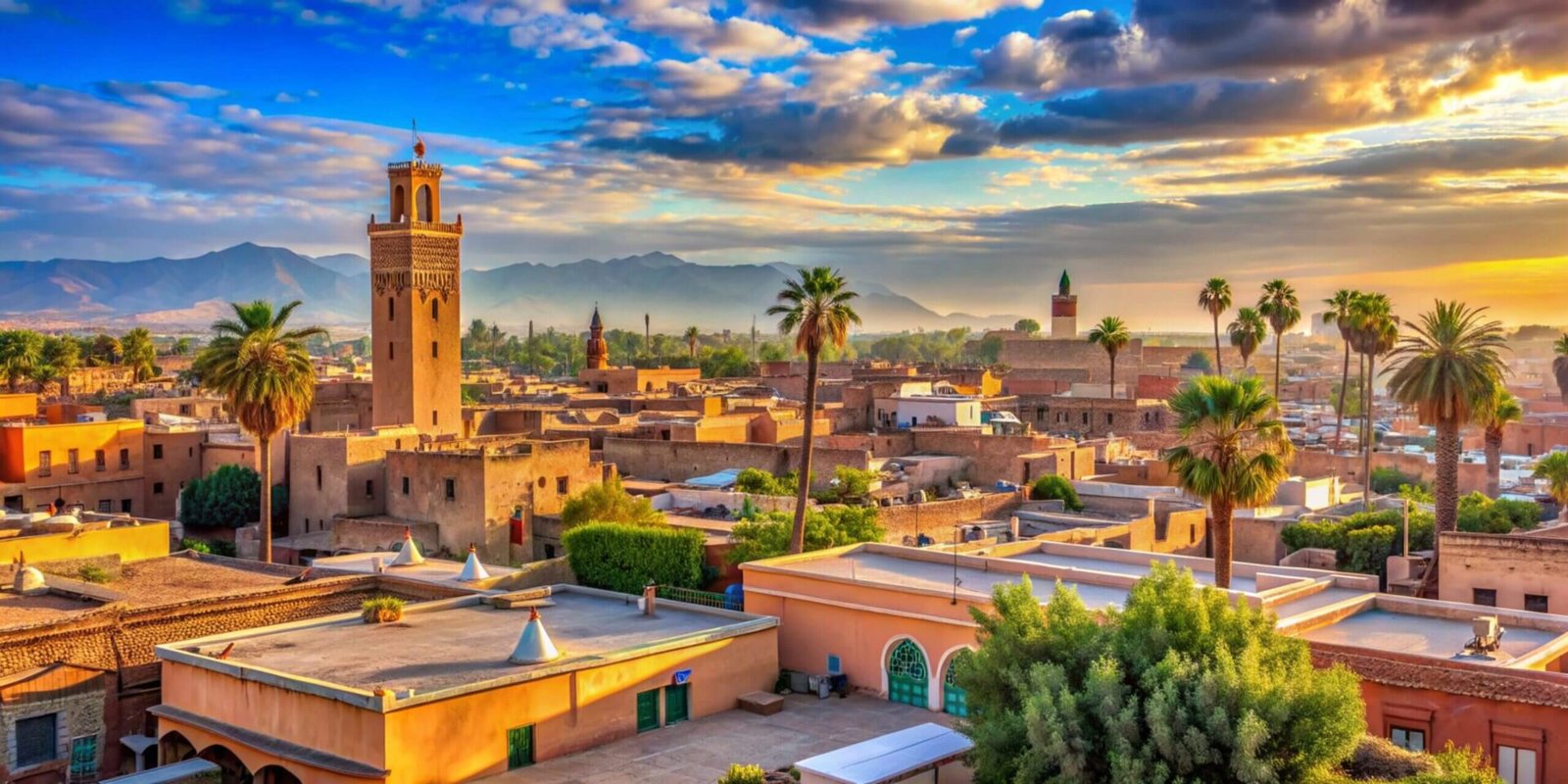
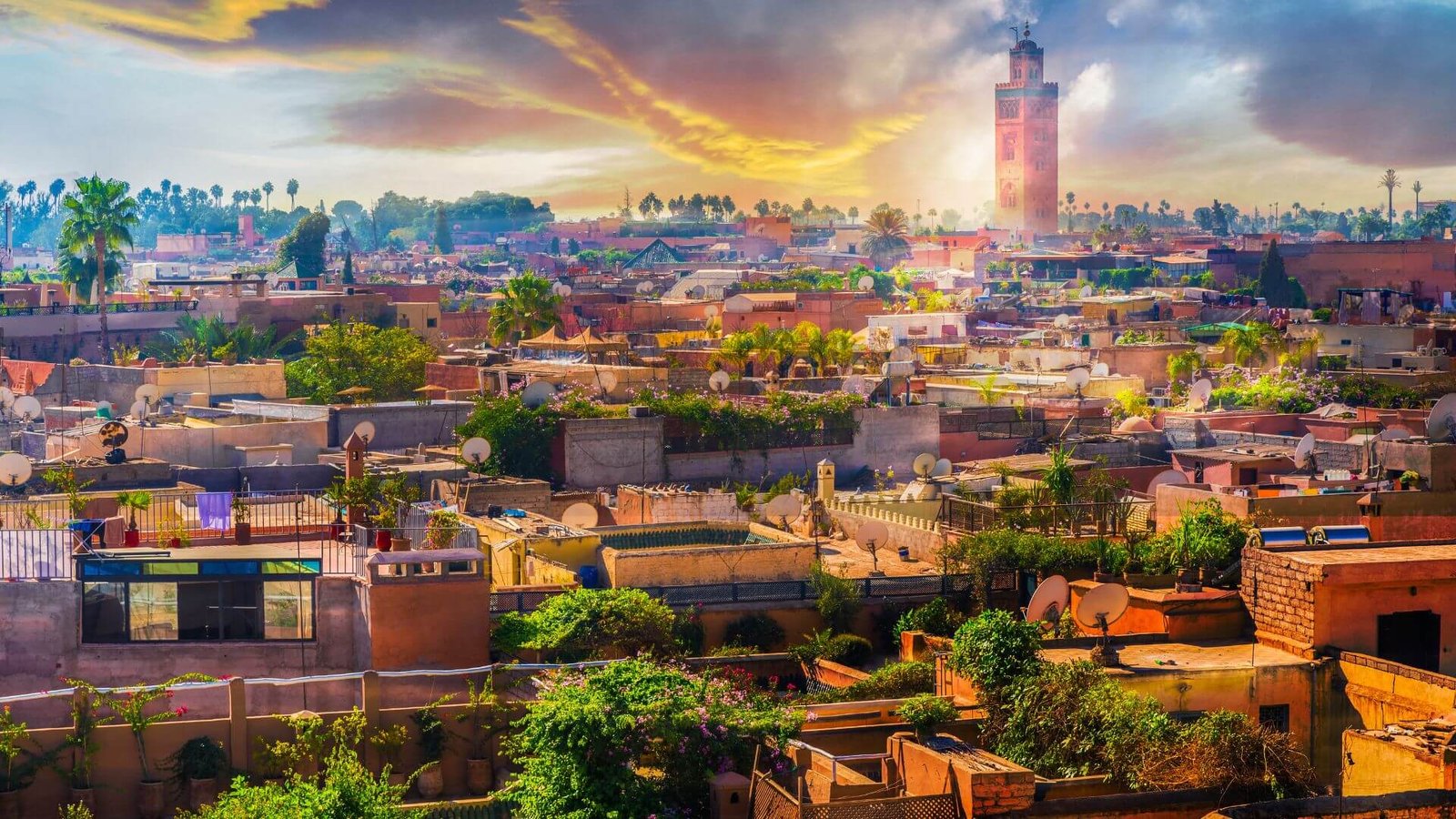
Hidden Marrakech — the city behind the monuments: a palace most visitors walk past, a garden sealed for decades, a bakery firing up at dawn before the souks open

Why Exploring Hidden Gems in Marrakech Is the Secret to Experiencing the Real City

The major monuments tell one story of Marrakech — the grand dynastic story of palaces, mosques, and imperial ambition. The hidden gems tell a different one: the daily rhythm of a city that has been continuously inhabited for a thousand years.

Away from the busiest tourist routes, the pace changes. You notice things you’d miss at speed: the way a riad courtyard concentrates morning light on a fountain, the sound of a loom in a workshop behind a closed door, the social choreography of a neighborhood hammam. These are the experiences that create genuine connection to a place rather than just familiarity with its most photographed surfaces.

The practical case for hidden gems is also straightforward: fewer people means better photographs, more space to think, and vendors and artisans who have time for conversation rather than a transaction. For more famous sites, see the top attractions guide ; for immersive activities that build on what the hidden gems reveal, the experiences guide is the next step.

Marrakech travel tips

Historical & Cultural Hidden Gems in Marrakech

Three of Marrakech’s most undervisited historical sites, each genuinely worth the time and each consistently overlooked in favor of the larger palaces and gardens.

Dar El Bacha – A Palace Most Travelers Walk Past

Built in the early 20th century for Thami El Glaoui, the Pasha of Marrakech who collaborated with the French protectorate and was for a period one of the most powerful men in Morocco, Dar El Bacha is an extraordinary building that most visitors to the northern Medina walk past without entering. The palace now houses the Musée des Confluences (Museum of Confluences), which explores cultural exchange between civilizations through art, artifacts, and historical context — a genuinely interesting curatorial premise executed well.

The architecture is the equal of the Bahia Palace in decorative quality: carved cedar ceilings, zellige floors, painted salons, and a courtyard around which the whole complex is organized. The scale is more intimate than Bahia, which means the craftsmanship is easier to examine closely. The courtyard café is where most visitors stop; the museum rooms beyond it are where the visit becomes worthwhile.

Located on Rue Dar El Bacha in the northern Medina, five minutes’ walk from the Musée de Marrakech. Open most days; check opening hours locally.
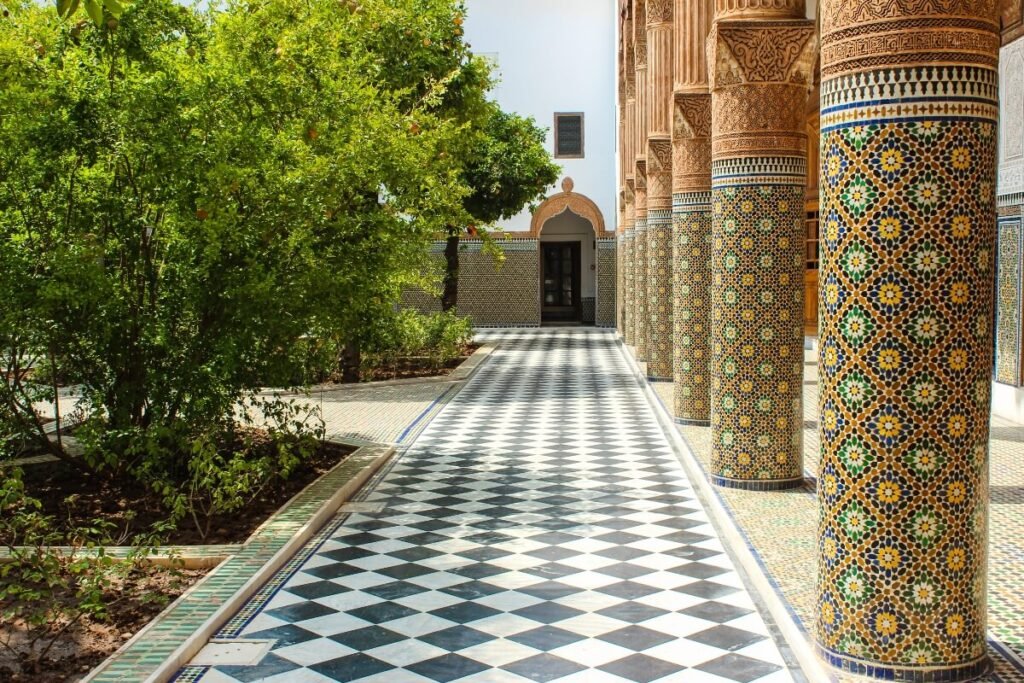
Dar El Bacha Marrakech

Maison de la Photographie – A Window into Morocco's Past

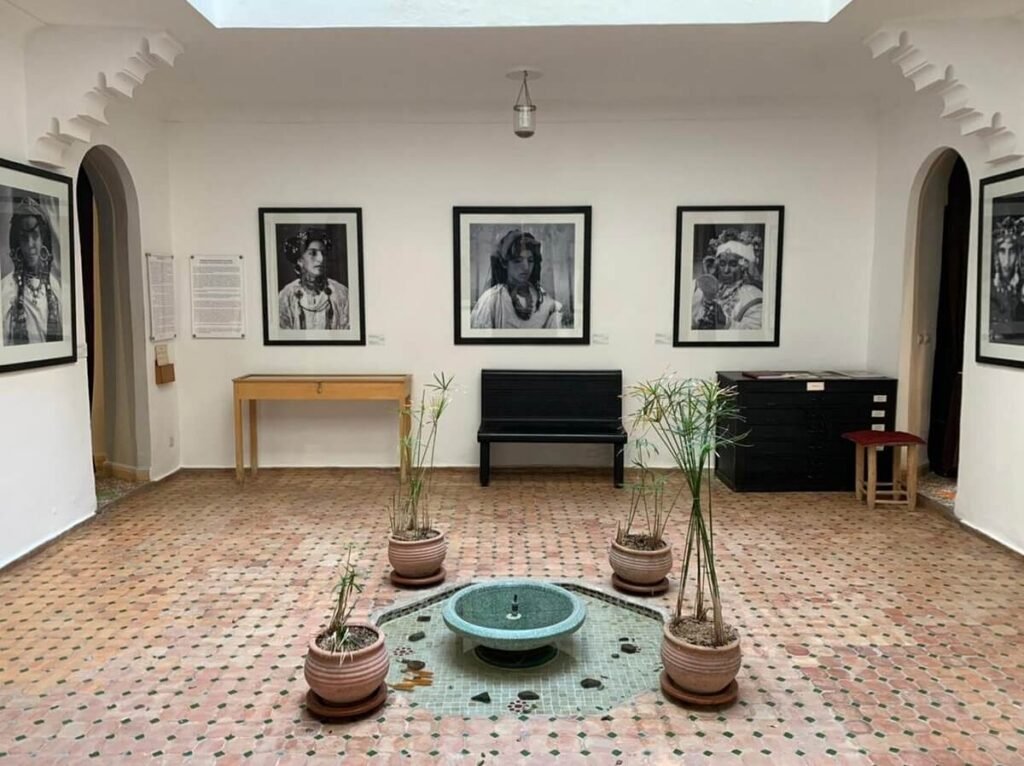
An institution that should be on every serious visitor’s itinerary and is on almost none. The Maison de la Photographie holds around 10,000 photographs — negatives, glass plates, albumen prints — documenting Morocco from the 1870s to the 1950s. The images show a Morocco that no longer exists in the same form: pre-Protectorate cities, desert caravans, village life in the Atlas, the Jewish quarters of the imperial cities, the faces of ordinary Moroccans in contexts that colonial photography usually erased.

The building is arranged around a central staircase, with images displayed by period and theme, and a rooftop terrace at the top with a café and an unobstructed view toward the Atlas Mountains — one of the better free (or included-in-ticket) rooftop views in the Medina.

Located on Rue Ahl Fès in the northern Medina, just north of the Ben Youssef Madrasa. Allow ninety minutes minimum.

Maison de la Photographie Marrakech

Dar Si Said Museum – The Hidden Palace of Moroccan Crafts

The Dar Si Said is the brother palace to Bahia — built by the brother of Bou Ahmed in the same late 19th-century period, in the same architectural tradition, and two hundred metres away. It receives a fraction of the visitors. The building now houses the National Museum of Moroccan Weaving and Carpets, which sounds specialized but is genuinely excellent: an extensive collection of Amazigh textiles, historic carpets, and decorative objects that give context to what’s for sale throughout the souks.

For anyone who spent time looking at rugs in the souk and wants to understand what they were actually looking at — what makes a Beni Ourain different from an Azilal, what the geometric patterns in Berber weaving traditionally signified, how regional traditions differ — this is the most informative hour available in Marrakech.

Located on Derb Si Said in the Riad Zitoun el-Kedim area, a short walk from Bahia Palace. Can be combined with Bahia and El Badi in the same morning.

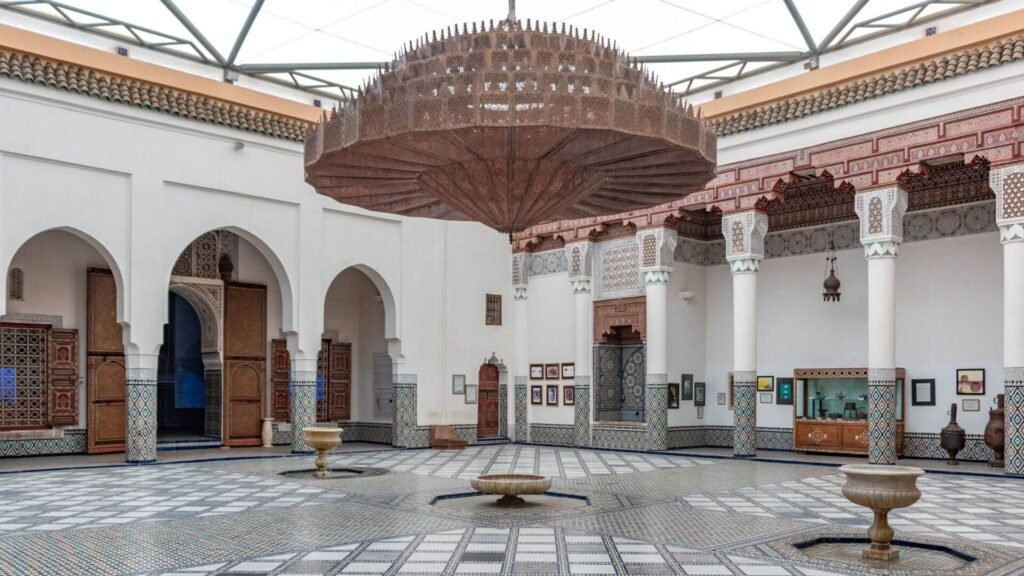
Visit the Marrakech Museum

For the full list of major historical sites, see the guide to Marrakech’s top attractions

Historical & Cultural Hidden Gems in Marrakech

Nature & Peaceful Hidden Gems in Marrakech

Three places to go when the Medina has reached maximum intensity and the priority is somewhere quiet. Each offers a genuinely different character.

Le Jardin Secret – A Hidden Oasis in the Heart of the Medina

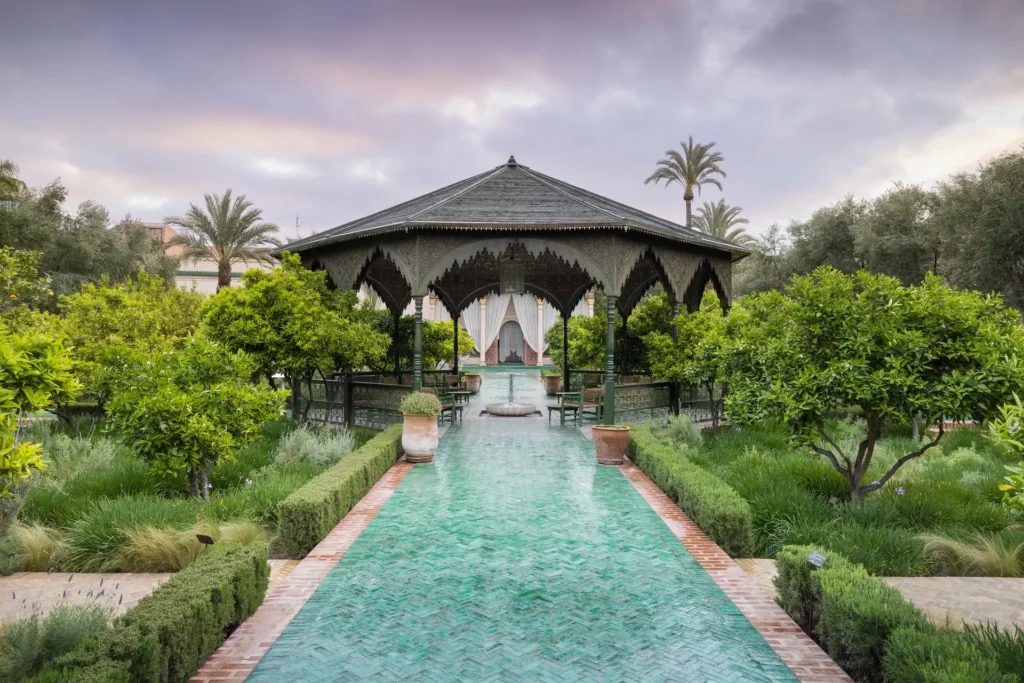
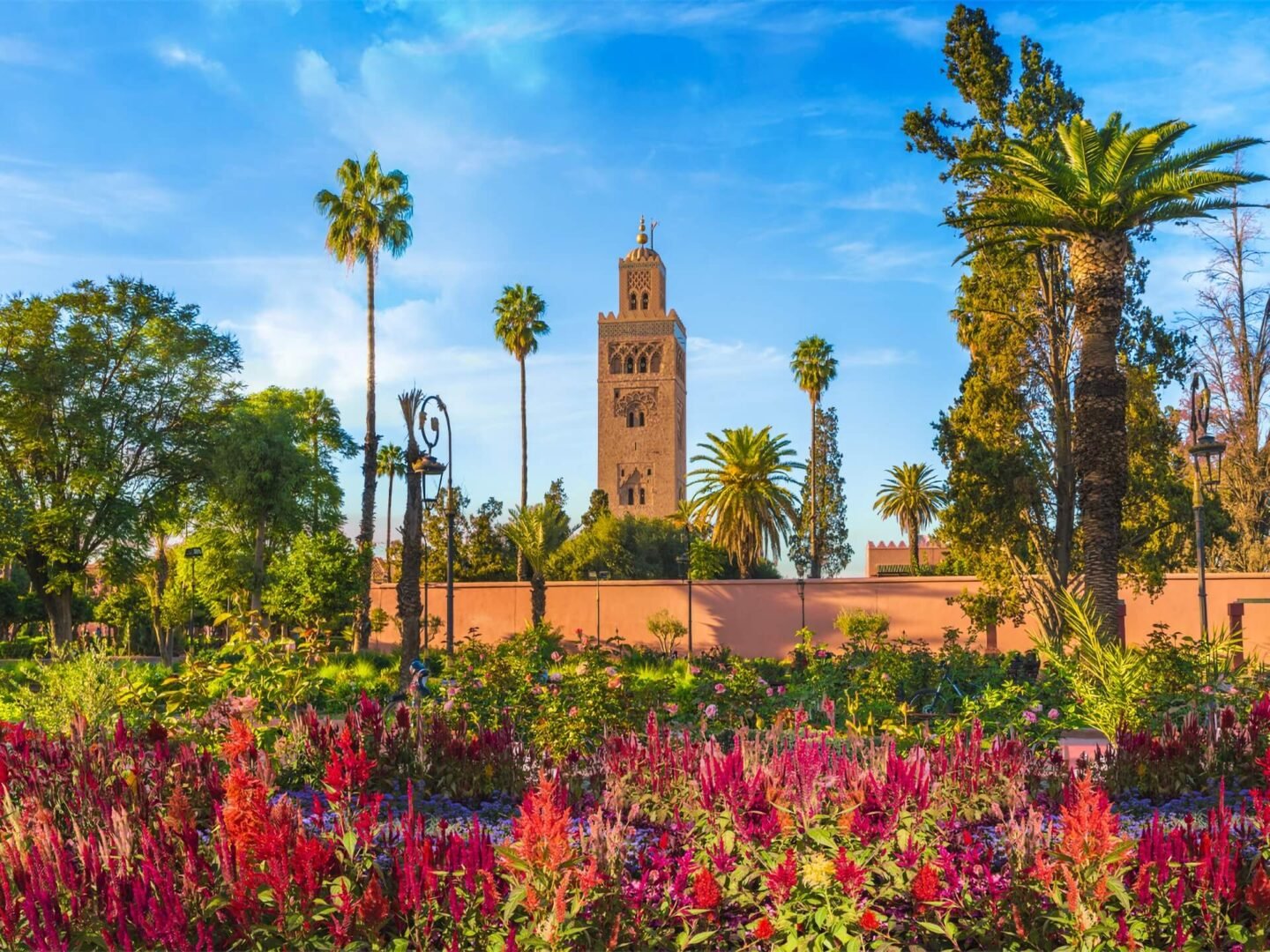
Covered in detail in the attractions guide , but worth naming here as the quietest major site in the Medina. The Islamic garden’s four-part chahār bāgh layout, the tower viewpoint over the northern Medina rooftops, and the consistent absence of large tour groups make it the most reliably peaceful garden experience within the old city walls.

Located on Rue Mouassine in the northern Medina souk district, between the Mouassine mosque and the main carpet souk. Best mid-morning on a weekday.

Le Jardin Secret

Cyber Parc – Marrakech's Most Underrated Green Space

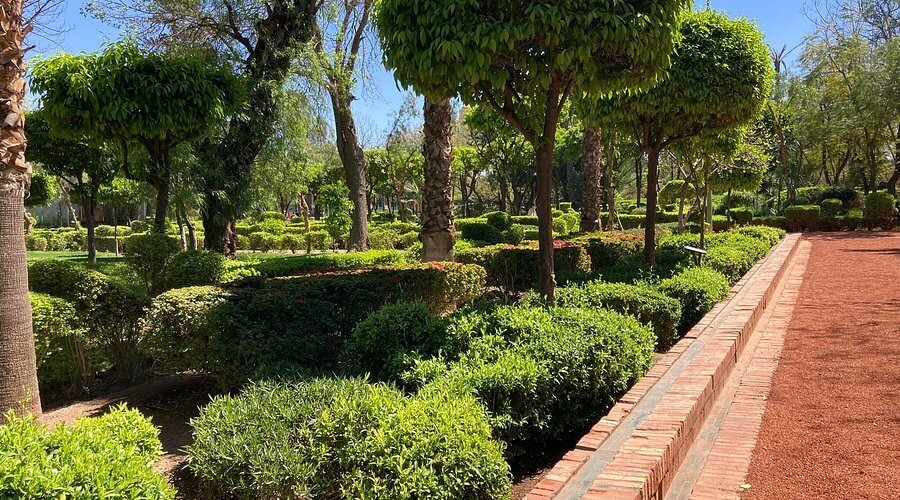
The Arset El Harti, known locally as Cyber Parc for the public internet terminals installed in the 2000s, is an 18th-century garden near the Bab Jdid gate immediately outside the medina walls. It was created for Sultan Sidi Mohammed ben Abdallah and remains one of the most pleasant places to sit for free in the city — palm trees, shaded benches, wide paths, and a population of local residents using it as a city park rather than a tourist attraction.

The garden is almost entirely absent from tourist itineraries, which means it operates as genuinely local green space: elderly men playing cards, children after school, families picnicking on weekends. The contrast with the Medina’s energy is immediate and striking.

Located near Bab Jdid, a ten-minute walk from Jemaa el-Fna. Free entry.

Cyber Park Marrakech

Hidden Medina Rooftops – Secret Views Above the City

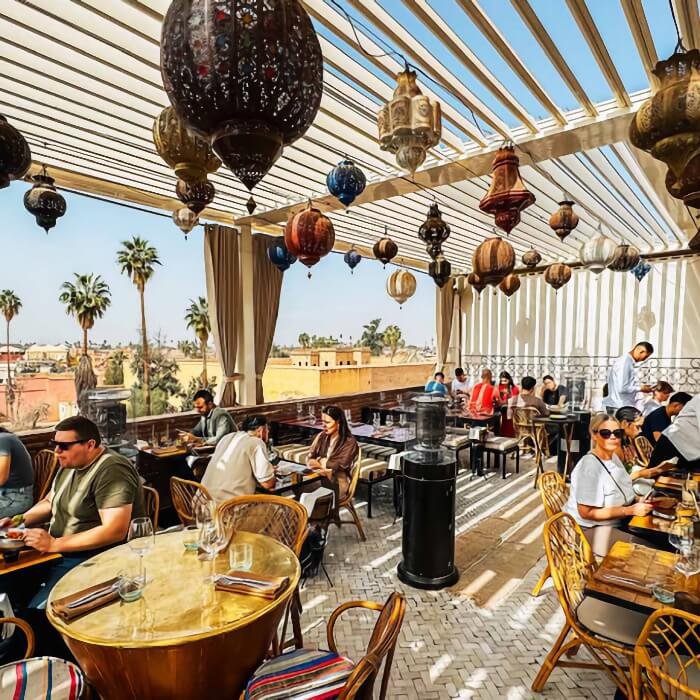
The rooftop view over the Medina is one of the defining Marrakech images, but the best views are not always at the most prominent cafés. Several smaller establishments in the northern Medina — particularly around the Mouassine quarter and the streets between Rahba Kedima and Ben Youssef — have rooftop access that is less known and correspondingly less crowded.

The Café des Épices on Place Rahba Kedima is the most accessible reliable option; it has a clear view north over the carpet souk rooftops toward the minarets of the northern Medina. Less obvious are the handful of smaller riad-cafés on the streets adjacent to the main souk arteries that offer similar views without the name recognition.

For the full photography guide to these and other viewpoints, see the photography spots guide

Rooftop Restaurants Marrakech
Powered by GetYourGuide
Nature & Peaceful Hidden Gems in Marrakech

Hidden Food & Local Experience Gems in Marrakech

Three food-related hidden gems, ranging from an experience that requires no planning to one that requires booking in advance.

Traditional Medina Bakeries – The Scent of Fresh Bread at Dawn

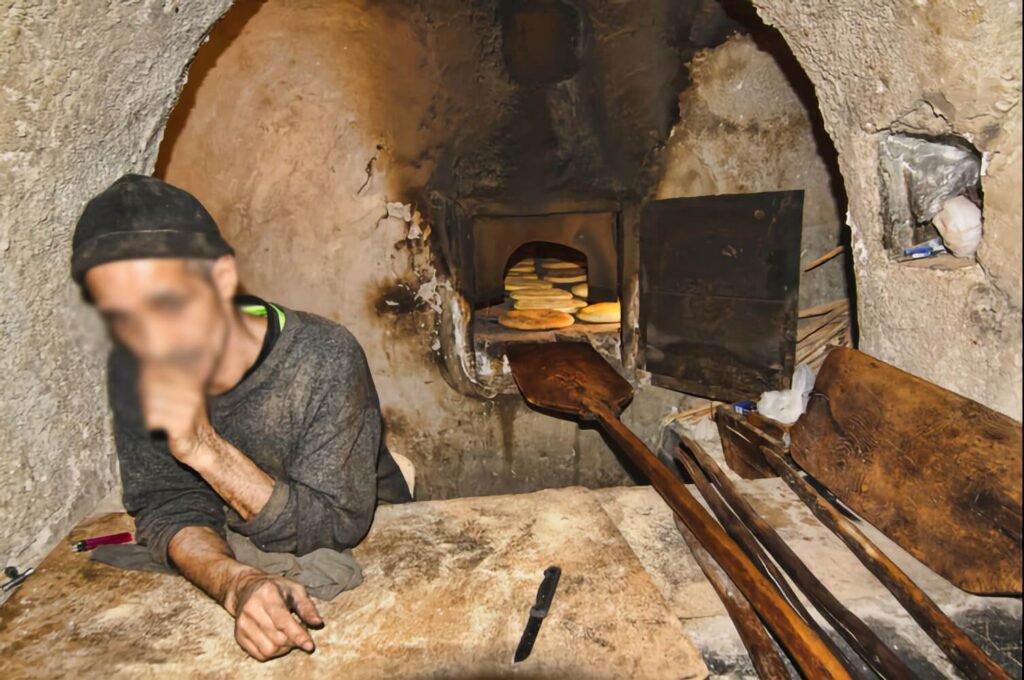
One of the most reliably moving experiences in the Medina costs nothing and requires only being awake before 7am. The neighborhood bakeries (farran) scattered through the residential quarters operate communal ovens where local households bring their own dough to be baked. From around 5am onward, the activity is continuous: residents arriving with trays of shaped bread, bakers marking each loaf to identify the owner, the smell of baking bread in alleys that are otherwise dark and quiet.

The bakeries are in the residential quarters rather than the souk district — the areas around the Mouassine, Kennaria, and Riad Zitoun neighborhoods. They’re not difficult to find; follow the smell and the foot traffic at that hour. No transaction necessary; observe from the doorway unless invited in.

Traditional Medina Bakeries

Hidden Medina Cafés – Quiet Corners for Mint Tea

The medina’s café culture operates at two speeds: the tourist-oriented rooftop cafés around Jemaa el-Fna and the souk circuit, and the local neighborhood cafés in the residential quarters where a glass of mint tea costs three dirhams and the other customers are not visitors. The second category is significantly harder to find and significantly more worth finding.

Characteristics: small, unlabeled or minimally labeled, plastic chairs and basic tables, a television showing Al Jazeera or a football match, no English menu. The tea and coffee are excellent and the experience of sitting for an hour in one while the neighborhood moves around you is closer to being in Marrakech than almost anything a guidebook will direct you toward.

The streets south of Dar Debagh (the tannery area) and the alleys between Bab Ailen and the Kasbah are where these cafés are most concentrated. None are nameable because they change; look for the ones where no one turns to look at you when you enter.

Hidden Medina Cafés

Local Cooking Experiences – Discover the Secrets of Moroccan Cuisine

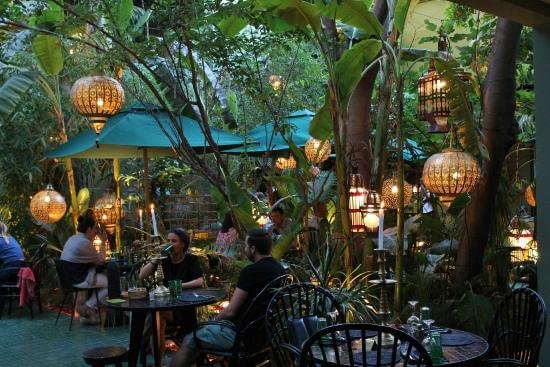
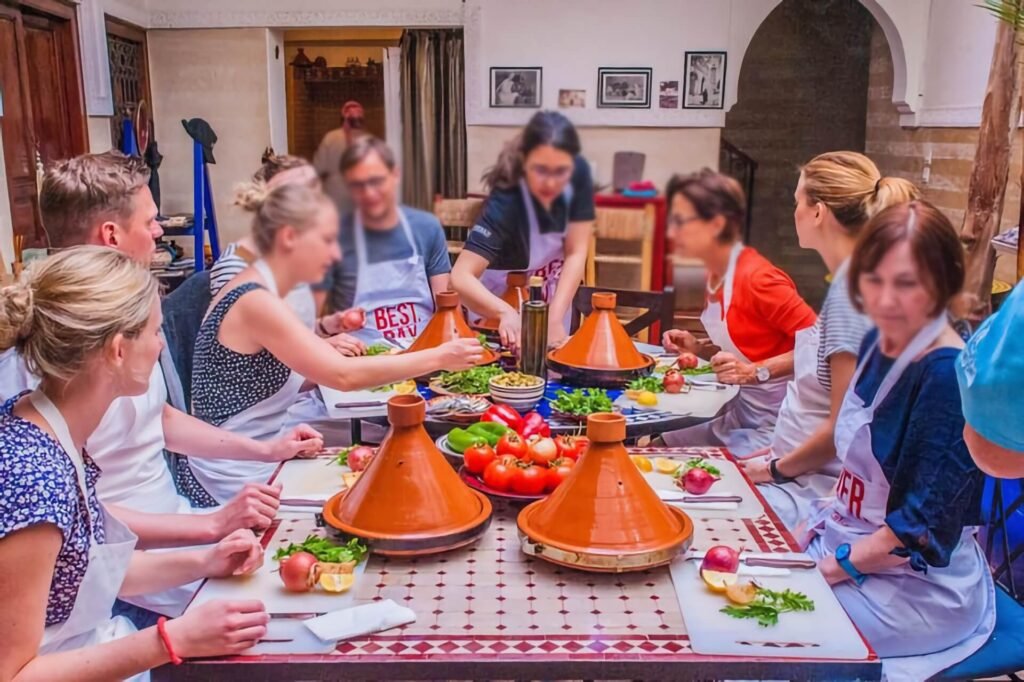
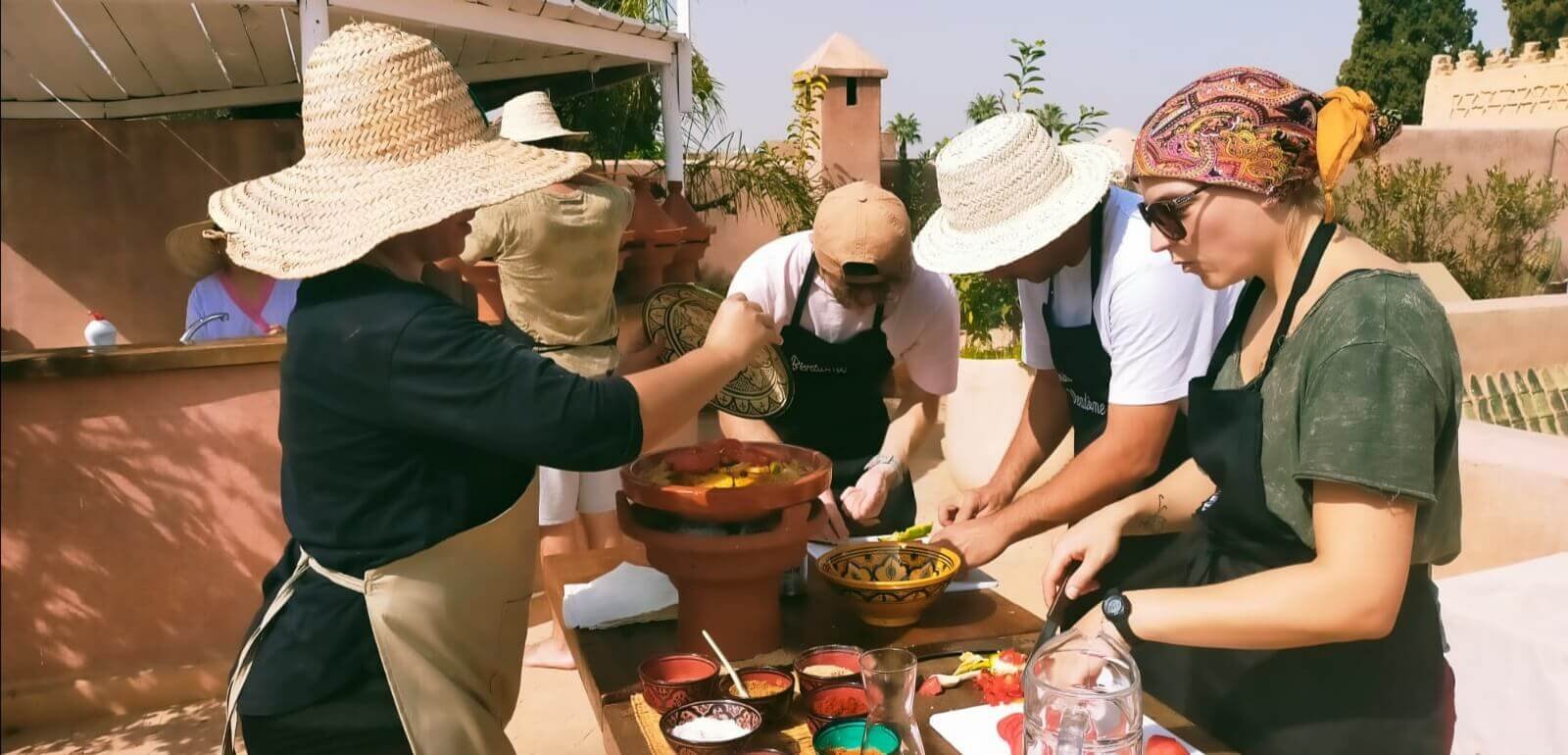
A cooking class is already on the food and cooking guide , but it belongs on this page too because it’s the most direct entry into the hidden domestic side of Marrakech. The best classes are the ones that begin in a neighborhood market rather than a tourist souk, are run from a riad kitchen rather than a dedicated culinary school, and end with a meal at a courtyard table.

What makes this a hidden gem rather than just an activity: the riad kitchen, the domestic cooking equipment, the specific combination of spices that a particular cook has developed over years — these are genuinely not visible from the streets. A cooking class is one of the few legitimate ways to access the domestic interior of the Medina.

See the full cooking class guide for the seven specific options with honest reviews.

Take a Moroccan Cooking Class
Cooking Class at Riad Vendôme

Art, Crafts & Shopping Hidden Gems in Marrakech

Three ways into Marrakech’s craft and art culture that go beyond the souvenir circuit.

Artisan Workshops in the Medina

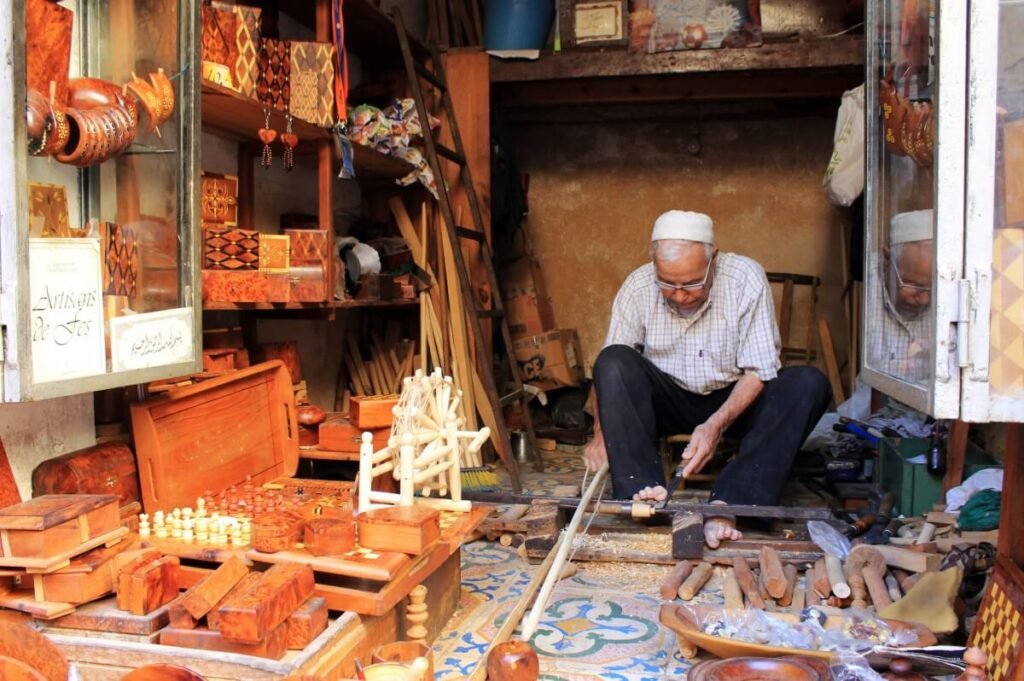
The objects sold in the Medina’s souks are made somewhere, and that somewhere is often a few streets away. The working workshops — the ones where the production happens rather than just the retail — are concentrated in specific areas: the metalwork workshops around and behind Souk Haddadine, the woodwork workshops near Bab Doukkala, the leather workshops adjacent to the Chouara tannery, and the pottery and tile workshops further out toward the Kasbah.

These are not tourist experiences — they’re working operations where visitors are tolerated rather than catered to. The right approach is to arrive without a guide (guides tend to redirect toward shops that pay commission), to make eye contact, to show genuine interest, and to understand that watching for five minutes is acceptable while photographing people at work requires asking. The tannery workshops adjacent to the Chouara are the most accessible because the souvenir shop terraces that provide the aerial view also provide ground-level access to the leather dyeing process.

Artisan Workshops in the Medina

Hidden Galleries & Contemporary Art Spaces

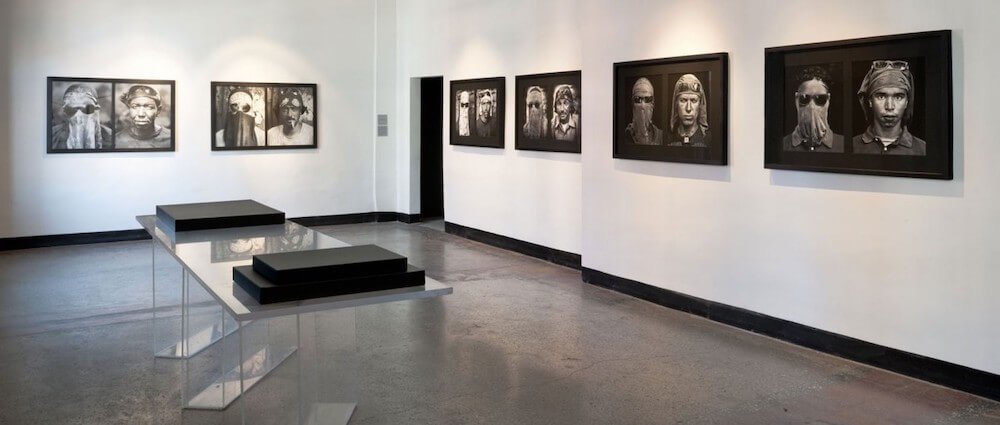
Marrakech has a small but serious contemporary art scene centered primarily in Gueliz, with outposts in the Medina. The David Bloch Gallery on Rue de Yougoslavie in Gueliz is the most established — showing international and Moroccan contemporary artists with a program that runs year-round and changes regularly. Several restored riad spaces in the Medina host temporary exhibitions, particularly around the time of the Marrakech Biennale.

These spaces attract a different crowd from the main tourist sites — younger Moroccans, the international creative community resident in the city, serious collectors — and offer a different conversation about what Marrakech is and is becoming, which is itself worth having.

Hidden Galleries & Contemporary Art Spaces

Hidden Corners of the Souks

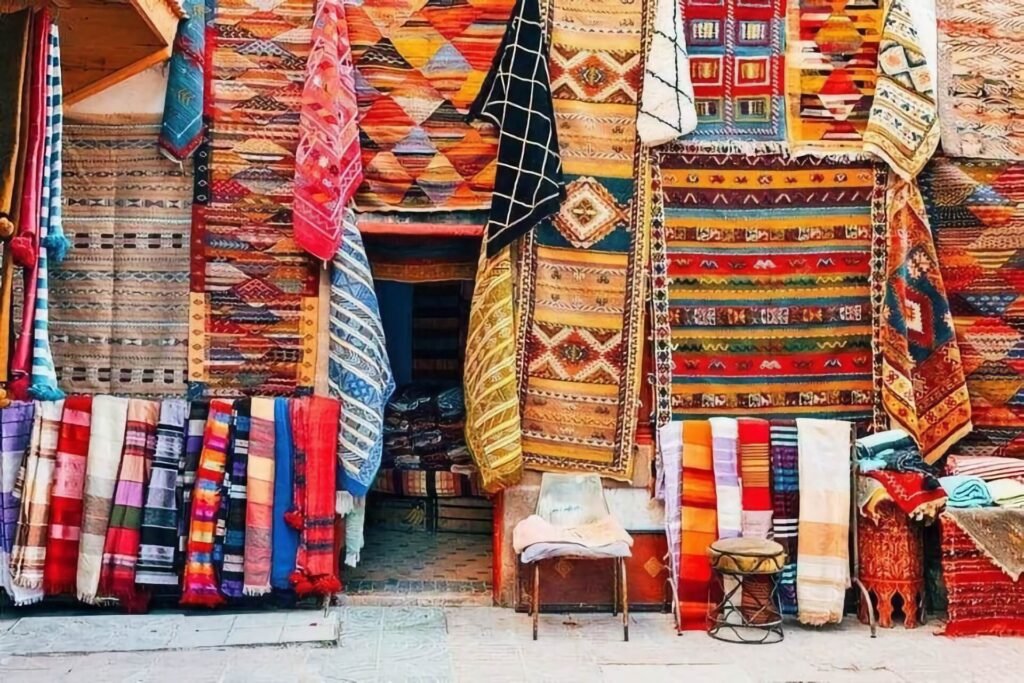
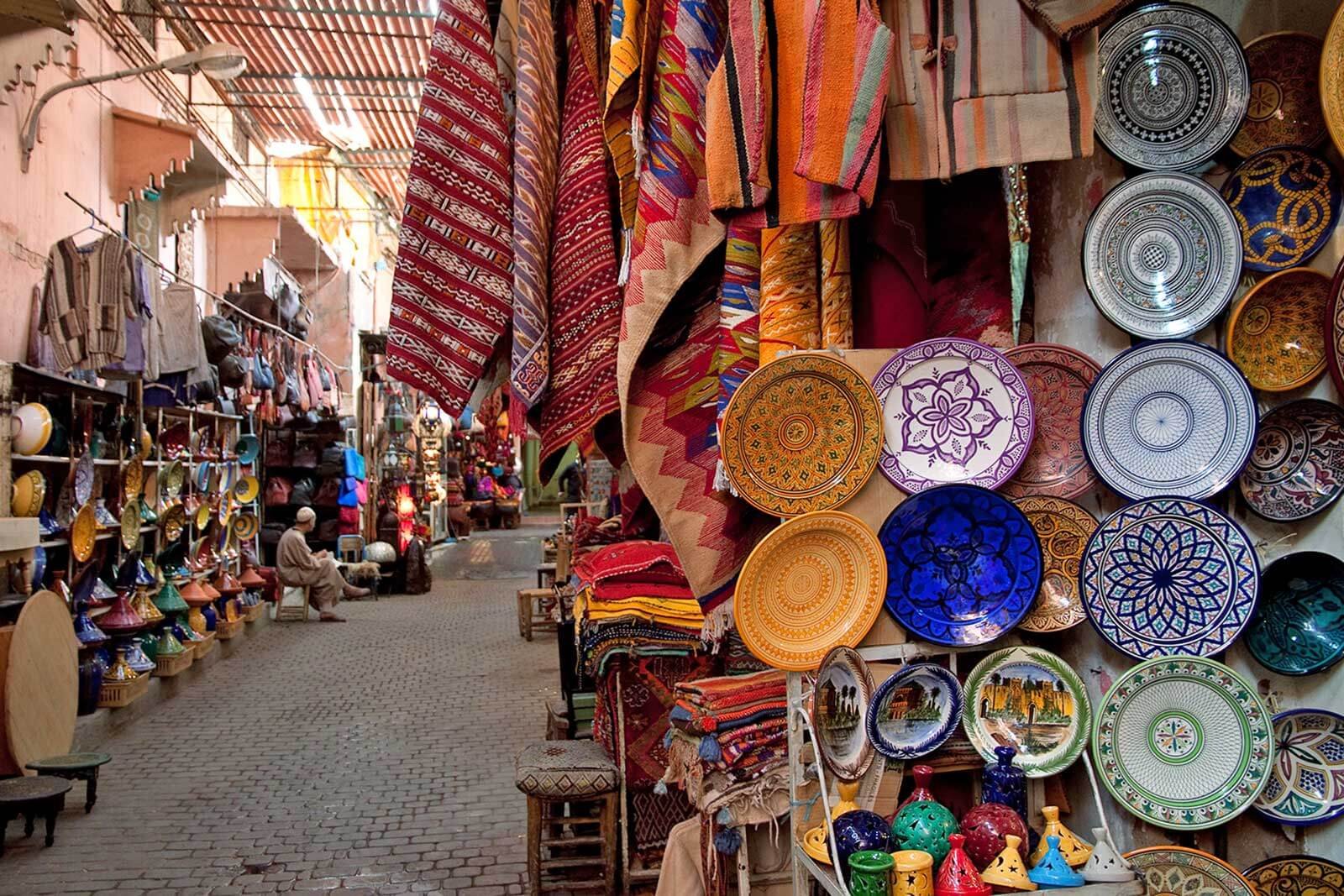
Three souk areas that consistently reward the visitor who navigates away from the main arteries. The Souk des Teinturiers (dyers’ souk) near the Mouassine quarter, where fresh-dyed wool hangs across the alleys in vivid color and the dyeing vats are visible below. The criée berbère area near Rahba Kedima, where carpets are historically auctioned and the merchandise shifts from tourist goods to pieces that local households actually buy. And the antique dealers concentrated in the Rue Riad Zitoun el-Kedim area south of Jemaa el-Fna, where the quality of the stock varies enormously but where genuinely old objects occasionally appear among the reproductions.

For the full breakdown of what’s where in the souk system, see the Marrakech shopping guide

Moroccan Carpet Shops
Why Shopping in Marrakech Is Unique

Tips for Discovering Hidden Gems in Marrakech

Slow down and let the Medina guide you

The hidden gems of Marrakech are not on the fastest route between the major monuments. They appear in the streets between them, in the alleys off the main souk arteries, in the residential quarters that have no particular reason to be on an itinerary. The practical instruction is simple: when you see a street that doesn’t appear to be going anywhere touristic, follow it for five minutes. The Medina is bounded; you won’t get truly lost, and the worst outcome is retracing your steps.

Visit early in the morning or late in the afternoon

The medina at 7am is a completely different city from the medina at 11am. The bakeries are operating, the neighborhood cafés are doing their first coffee service, the alleys that will be choked with visitors in two hours are quiet enough to hear your own footsteps. For the museums and gardens, early morning before 10am is consistently better than any other time. Late afternoon, as the light softens, is when the rooftop views and outdoor spaces perform at their best.

Talk to locals and ask for recommendations

Riad owners are the best single source of current hidden gem information in Marrakech. They live in the Medina, they know what has recently opened or closed, and the good ones are genuinely interested in their guests having a real experience of the city. Ask specifically for their personal favorite place to have tea, their favorite neighborhood to walk through, what they’d show a friend visiting for the first time. These conversations consistently produce better information than any printed guide.

Combine hidden gems with iconic attractions

The most efficient Marrakech itinerary alternates between the two. The southern Medina cluster (Bahia, El Badi, Saadian Tombs) is adjacent to Dar Si Said and the Riad Zitoun el-Kedim antique area. The northern Medina cluster (Ben Youssef Madrasa, Le Jardin Secret) is adjacent to Dar El Bacha and the Maison de la Photographie. Building the hidden gems into the same half-day as the nearby major monuments adds depth without adding distance.

Tips to Make the Most of Your 2 Days in Marrakech

A Hidden Gems Walking Route in Marrakech

This route covers the northern Medina’s hidden gems in a half-day, works best on a weekday morning, and takes approximately three hours at an unhurried pace including stops.

Start near Dar El Bacha

Enter from the Bab Doukkala side of the Medina and walk toward Rue Dar El Bacha. The palace entrance is easy to miss — look for the large wooden door on the right side of the street. Allow forty-five minutes for the museum and courtyard, including the courtyard café if you want to begin with coffee.

From Dar El Bacha, take the street heading east toward the Mouassine quarter. This is one of the more architecturally intact residential sections of the northern Medina, with a functioning fountain, a historic mosque, and the streets that contain the dyers’ souk a few minutes’ walk further.

Continue to Le Jardin Secret

From the Mouassine mosque, follow the signs toward the Jardin Secret on Rue Mouassine. The entrance is approximately five minutes’ walk. Allow an hour for the garden, including time on the tower viewpoint. This is the quietest point of the route — use it to decompress before the souk section.

Explore the quiet souk alleys

Leaving the garden, head northeast into the souk district but avoid the main Souk Semmarine artery. The alleys immediately adjacent to it — the dyers’ souk to the northwest, the carpet souk to the north, the specialist antique dealers to the south — are the areas worth exploring. None of these require a specific destination; the instruction is simply to stay off the widest streets.

Finish with tea on a rooftop

The Café des Épices on Place Rahba Kedima is the most accessible endpoint — a short walk from the souk alleys and a clear rooftop view north over the Medina. Order the mint tea, look at the rooftops, and decide whether to continue to the Maison de la Photographie (fifteen minutes on foot, north toward Ben Youssef) or return south toward Jemaa el-Fna.

For more structured time in the city, the top things to do guide and the 3-day Marrakech itinerary are the right next references.

Discover More Unique Things to Do in Marrakech

The hidden gems are one layer of Marrakech. These guides cover the others — the famous monuments, the immersive activities, the wellness traditions, and the market system that the hidden gems plug into.

Top 20 Things to Do in Marrakech

Top 20 Things to Do in Marrakech

Every experience that matters in the city, ranked and explained. Start here if you haven't already.

Marrakech attractions

Best Attractions in Marrakech

The palaces, gardens, and monuments. The context that makes the hidden gems more meaningful.

hot air balloon ride Marrakech with Berber Breakfast

Unique Experiences in Marrakech

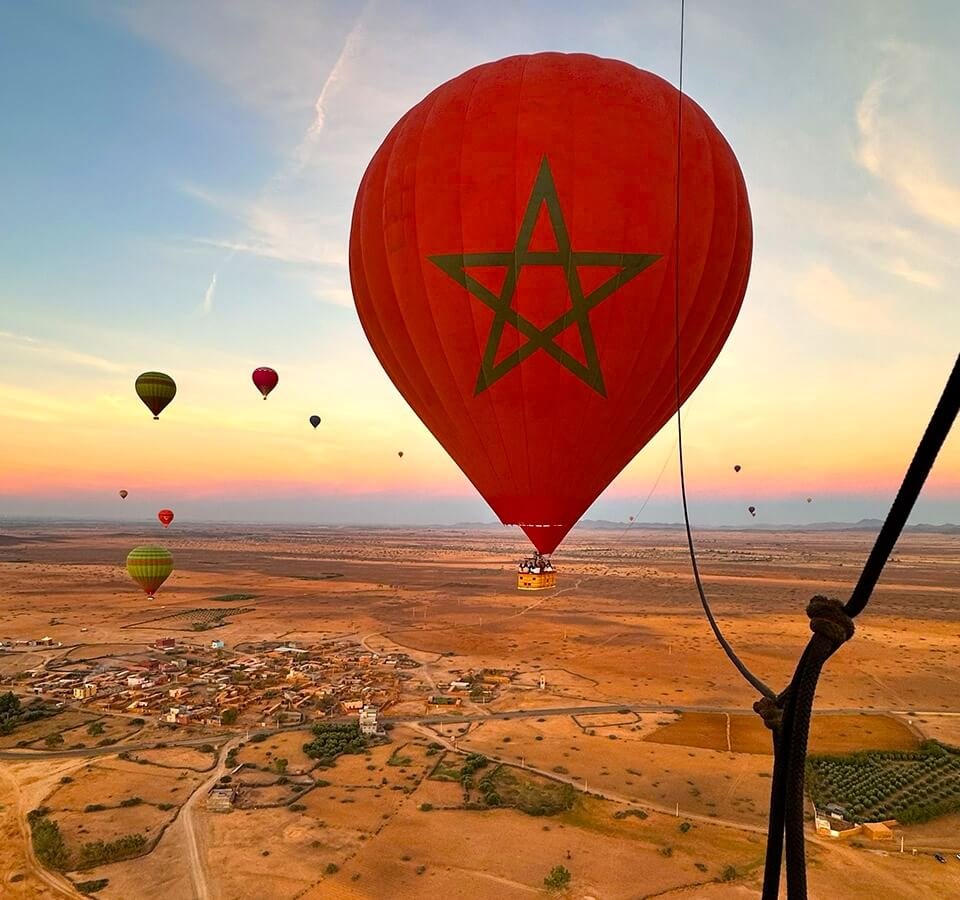
Hot air balloon, desert quad biking, camel rides. The activities that take you beyond the Medina.

Moroccan Hammam

Traditional Hammams & Spas

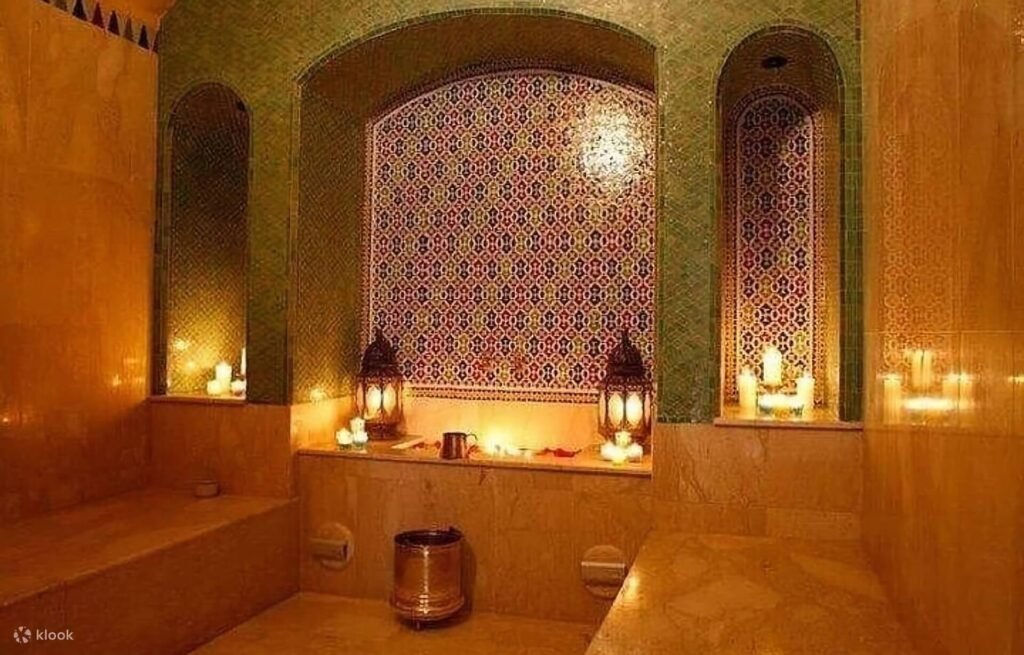
The neighborhood hammam is itself a hidden gem. This guide covers both the local and luxury versions.

shopping in marrakech

Marrakech Shopping Guide

The full breakdown of the souk system — what's where, how the bargaining works, and where quality concentrates.

💬
Marrakist Marrakist Concierge