
Top 20 Things to Do in Marrakech
Marrakech rewards almost any kind of traveler, but it rewards the prepared one most. The 20 experiences in this guide cover the full range — the landmarks that genuinely justify their reputation, the cultural rituals that connect you to how the city actually lives, and the adventures that use the extraordinary landscape around it. Each entry includes honest advice on timing, what to expect, and how to get the most from the visit. If you want the full city picture alongside this list, our Marrakech Travel Guide covers everything from neighborhoods to day trips.
- Majorelle Garden
- opens at 8am — go before the crowds
- Best photo hours
- before 9am & after 4pm
- Souks bargaining
- start at half, settle around two-thirds
- Agafay Desert
- just 30 min south of the city
Quick Navigation: Top 20 Things to Do in Marrakech
Jump to whichever experience you want to plan first:
- 1. Explore Jemaa el-Fnaa
- 2. Visit Majorelle Garden
- 3. Discover the Saadian Tombs
- 4. Wander Bahia Palace
- 5. Admire Koutoubia Mosque
- 6. Step Inside Medersa Ben Youssef
- 7. Shop the Souks of Medina
- 8. Relax at Menara Gardens
- 9. Experience the Palmeraie
- 10. Explore El Badi Palace
- 11. Visit Marrakech Museum
- 12. Taste Local Cafés & Street Food
- 13. Indulge in a Traditional Hammam
- 14. Discover Marrakech Art Galleries
- 15. Photograph Marrakech's Most Beautiful Spots
- 16. Take a Moroccan Cooking Class
- 17. Soar in a Hot Air Balloon
- 18. Go Desert Quad Biking
- 19. Enjoy a Camel Ride
- 20. Unwind at a Luxury Riad
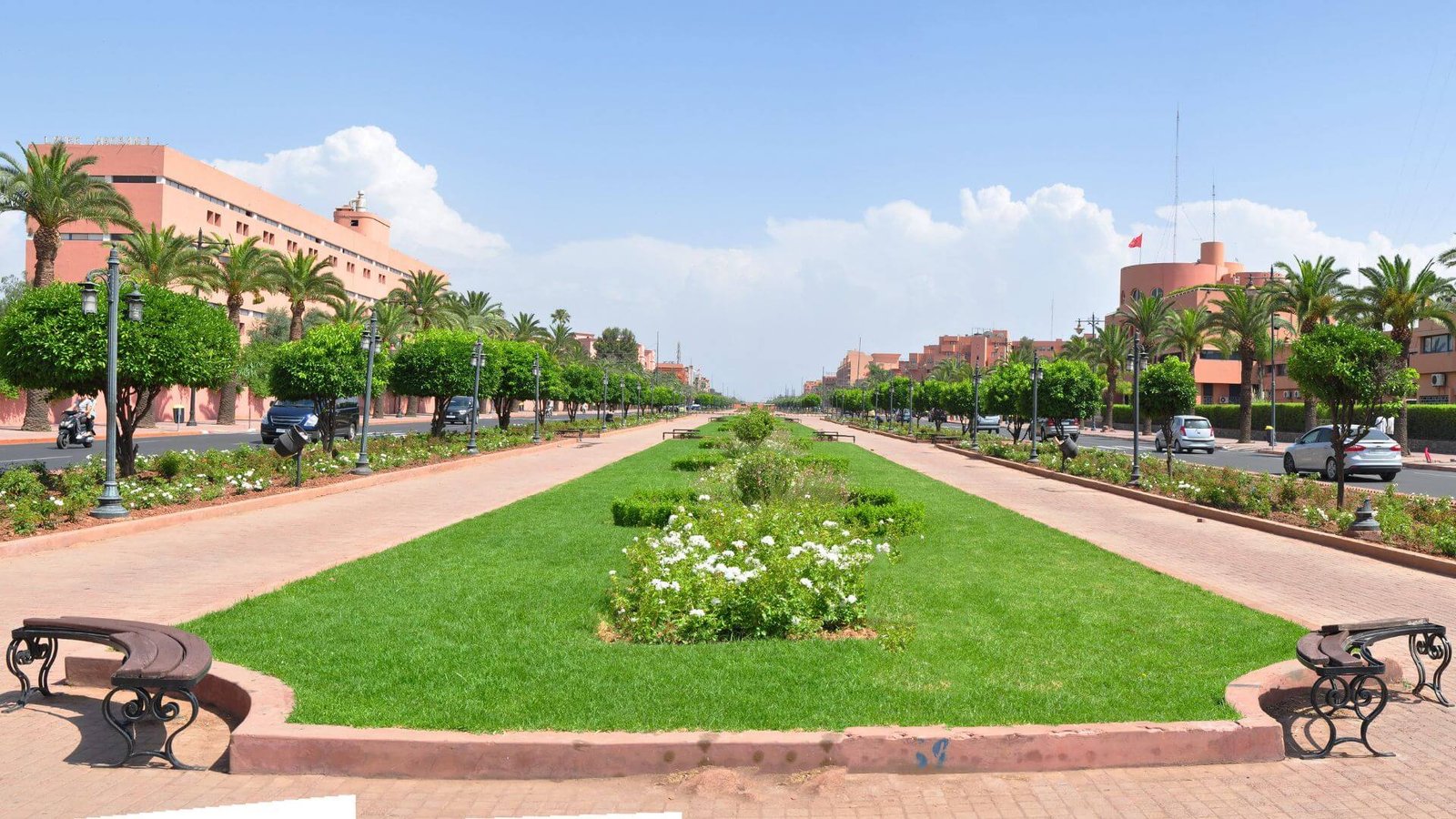
Marrakech — 20 experiences, one city: from a 12th-century minaret to sunrise over the Atlas from a hot air balloon
1. Explore Jemaa el-Fnaa
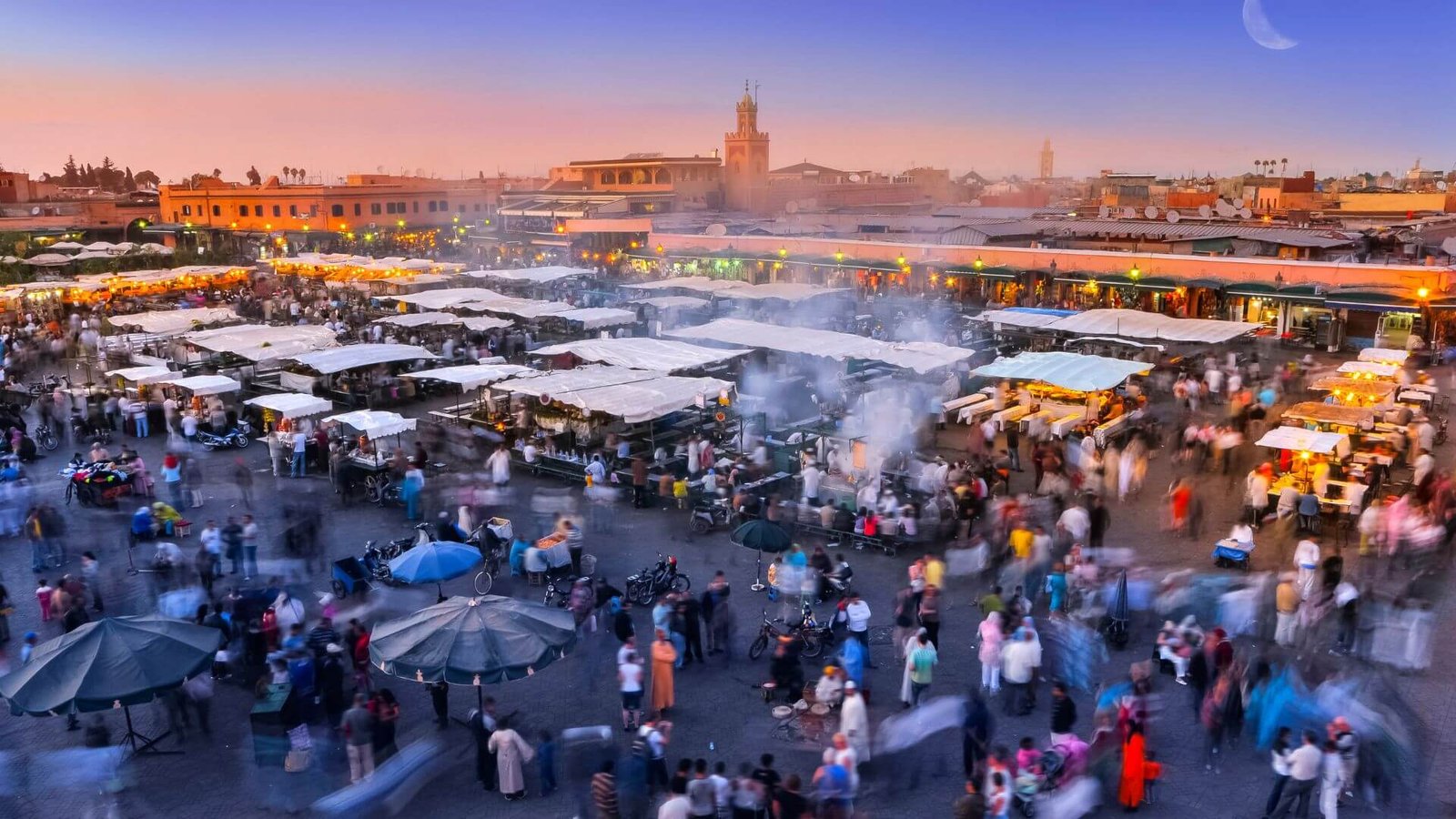
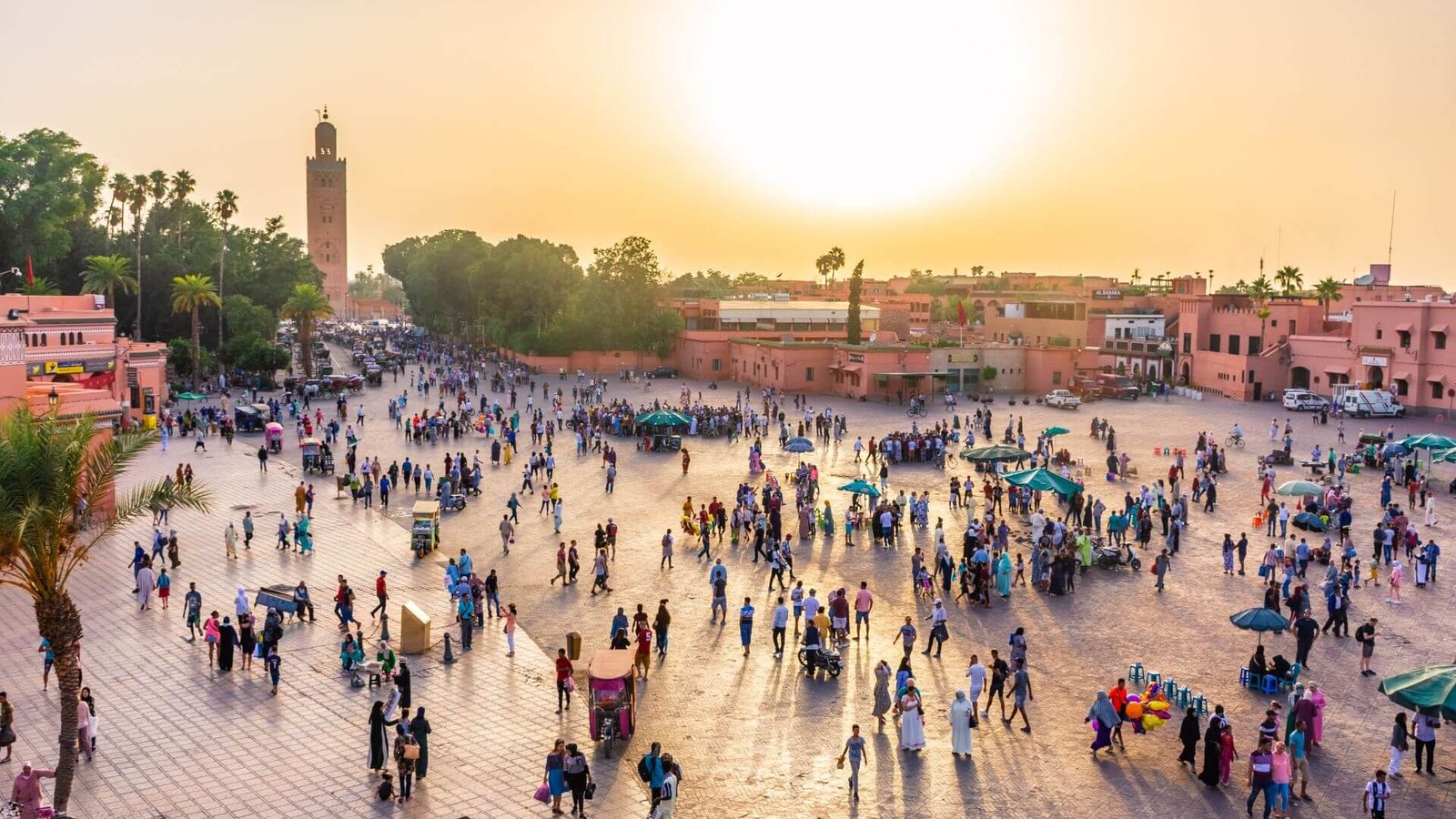
If Marrakech has a heartbeat, it pulses at Jemaa el-Fna. By day the square hums with fruit vendors, musicians, henna artists, and snake charmers performing traditions that are centuries old. By night it transforms into one of the great open-air food markets of the world — grilled meats, bubbling tagines, and the particular mint-tea sweetness that drifts through the smoke.
Wander slowly and let the square come to you. Storytellers draw circles of listeners, drums echo wall to wall, and from the rooftop cafés that ring the square the view at dusk — the whole of the Medina coming alive at once — is one of those scenes that stays with people for years.
Insider tip: Head to one of the rooftop cafés around the square just before sunset. As the sky turns gold, the entire plaza lights up with food stalls and lanterns—one of the most unforgettable scenes in Morocco.
For the food side of the square: Marrakech street food guide . For the full city picture: Marrakech travel guide .
2. Visit Majorelle Garden
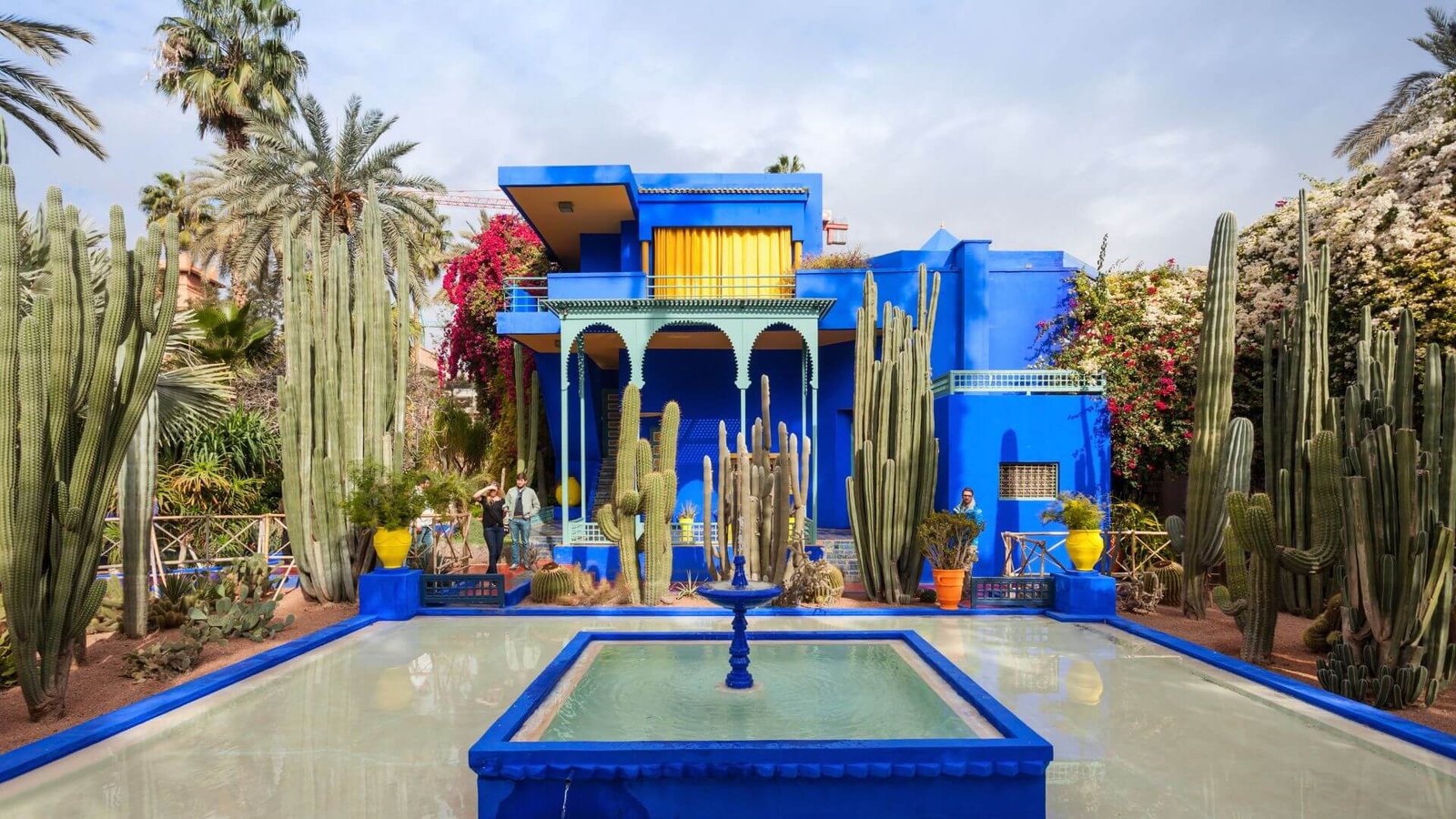
A peaceful oasis inside a busy city, Majorelle Garden was designed by French painter Jacques Majorelle in the 1920s and later restored by Yves Saint Laurent. It’s famous for the cobalt-blue buildings — “Majorelle Blue” — that contrast sharply with the subtropical planting: towering cacti, bamboo groves, and tranquil pools. Every corner feels carefully considered, almost like walking through a painting someone has been adding to for decades.
Insider tip: Visit early in the morning to avoid crowds and experience the garden at its most peaceful. The soft morning light also makes the famous Majorelle Blue glow beautifully—perfect for unforgettable photos.
For the city’s best photography locations: Instagram spots in Marrakech . For more landmarks: Marrakech travel guide .
3. Discover the Saadian Tombs
Hidden for centuries behind the walls of the Medina, the Saadian Tombs are one of Marrakech’s most compelling historical sites. Built in the late 16th century during the reign of Sultan Ahmed al-Mansour, these mausoleums honor members of the Saadian dynasty that ruled Morocco at its most powerful.
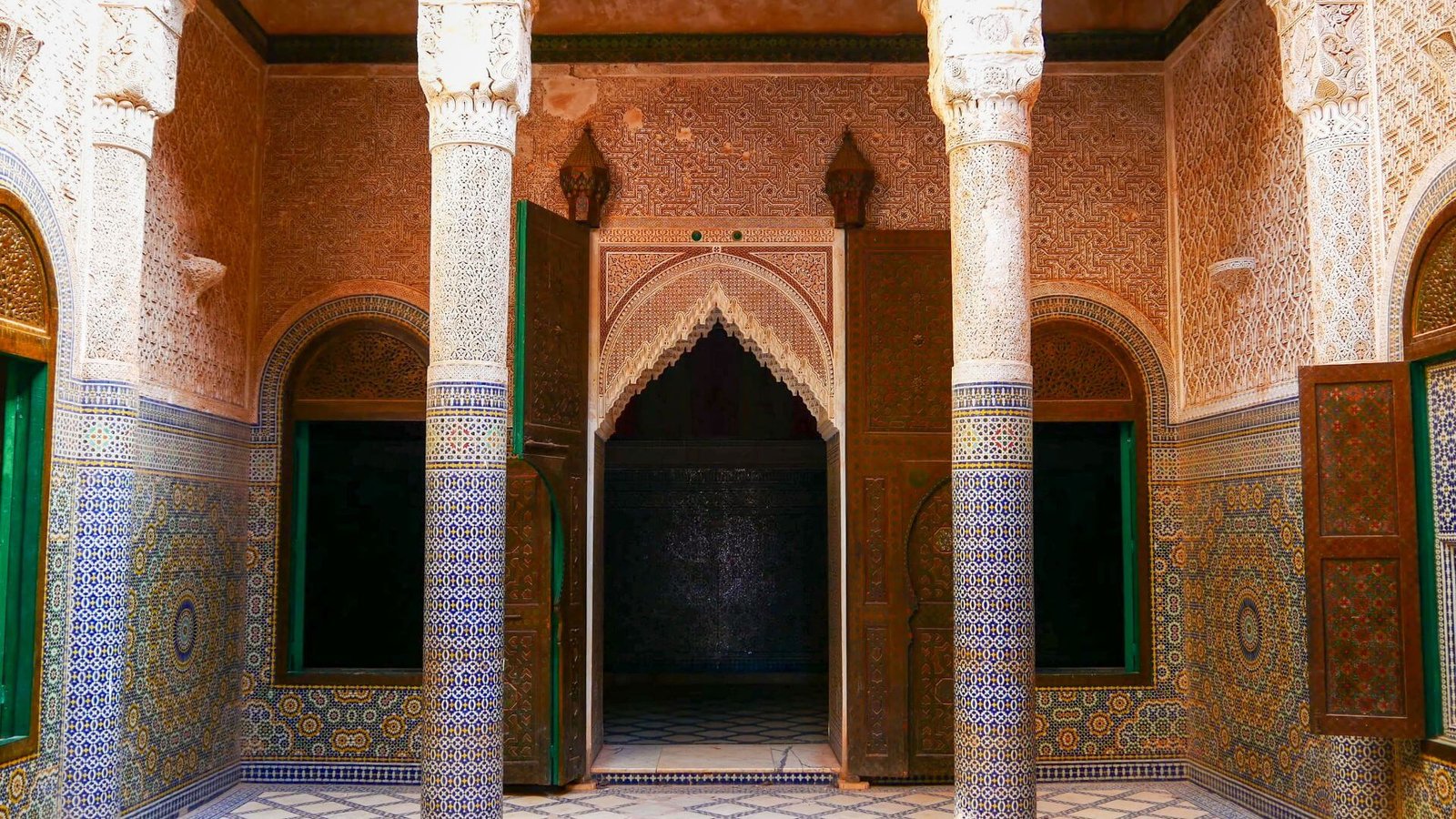
The craftsmanship in the Chamber of the Twelve Columns is extraordinary — Italian marble columns supporting carved cedar ceilings and stucco work in gold and white that represents the height of Moroccan-Andalusian artistry. Outside, gardens of tiled graves and orange trees create a quiet entirely at odds with the busy streets nearby.
Insider tip: The tombs were sealed by the Alaouite dynasty in the 17th century and only rediscovered in 1917 via aerial survey. The entrance corridor is narrow and the main chamber gets crowded quickly — arrive before 9am to see it without the queue.
For more historical landmarks: top attractions in Marrakech . For the full visit plan: Marrakech travel guide .
4. Wander Bahia Palace
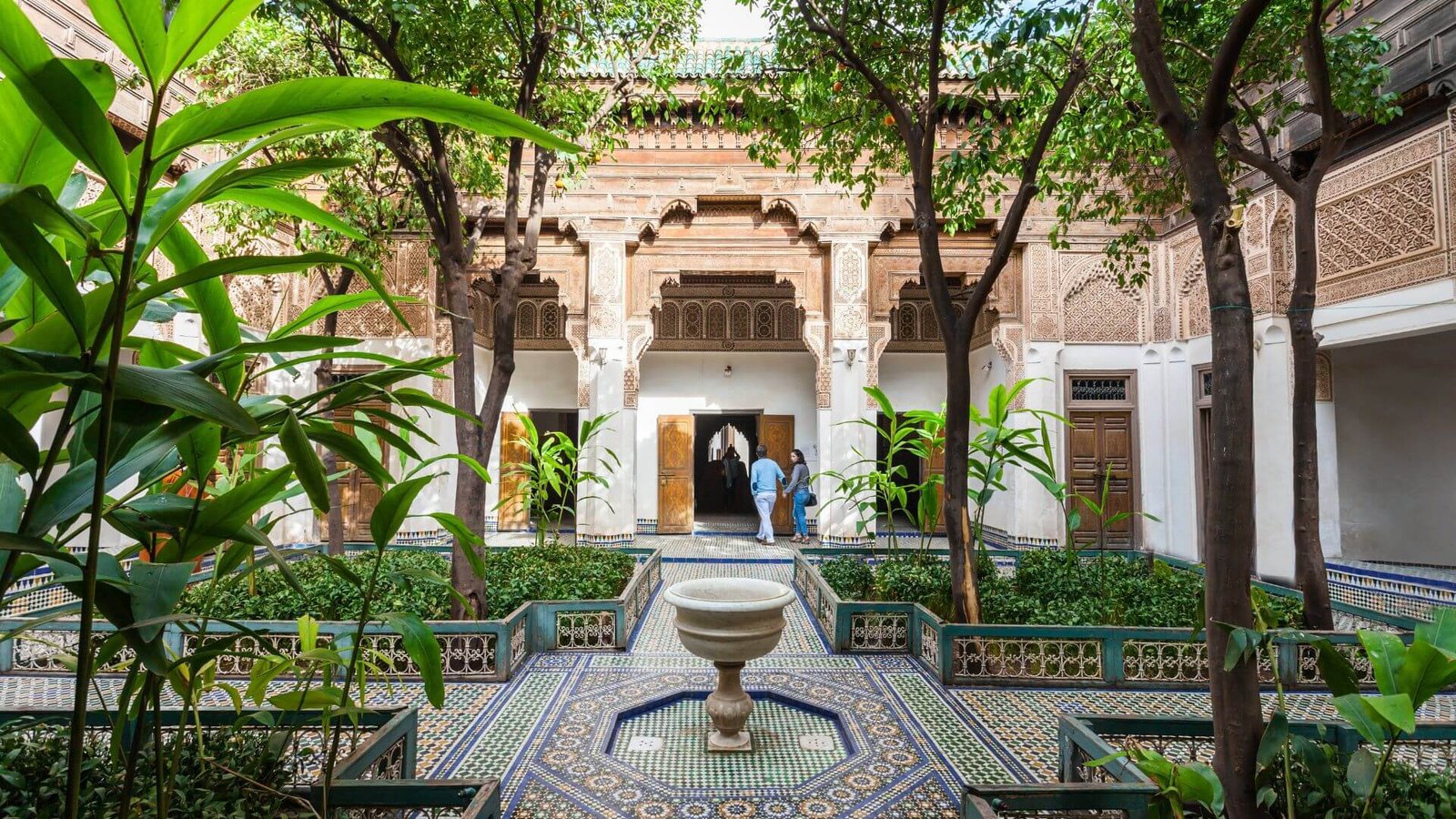
Stepping into Bahia Palace feels like entering a world built for someone who had very good taste and enough money to indulge it entirely. Built in the late 19th century, the palace unfolds as a series of interconnected riads, shaded courtyards, and quiet chambers. The name “Bahia” means brilliance, and the details earn it — zellige mosaics, painted cedar ceilings, carved stucco work in the smaller rooms that most visitors walk straight past.
Sunlight crosses the open courtyards and reflects off the tiles in patterns that change through the day. Photographers and architecture enthusiasts tend to linger considerably longer than they planned.
Insider tip: Take your time exploring the smaller courtyards and hidden corners of the palace. Many visitors rush through the main courtyard, but some of the most beautiful details—delicate stucco carvings and hand-painted ceilings—are tucked away in the quieter rooms.
For more historic sites: top attractions in Marrakech . For trip planning: Marrakech travel guide .
5. Admire Koutoubia Mosque
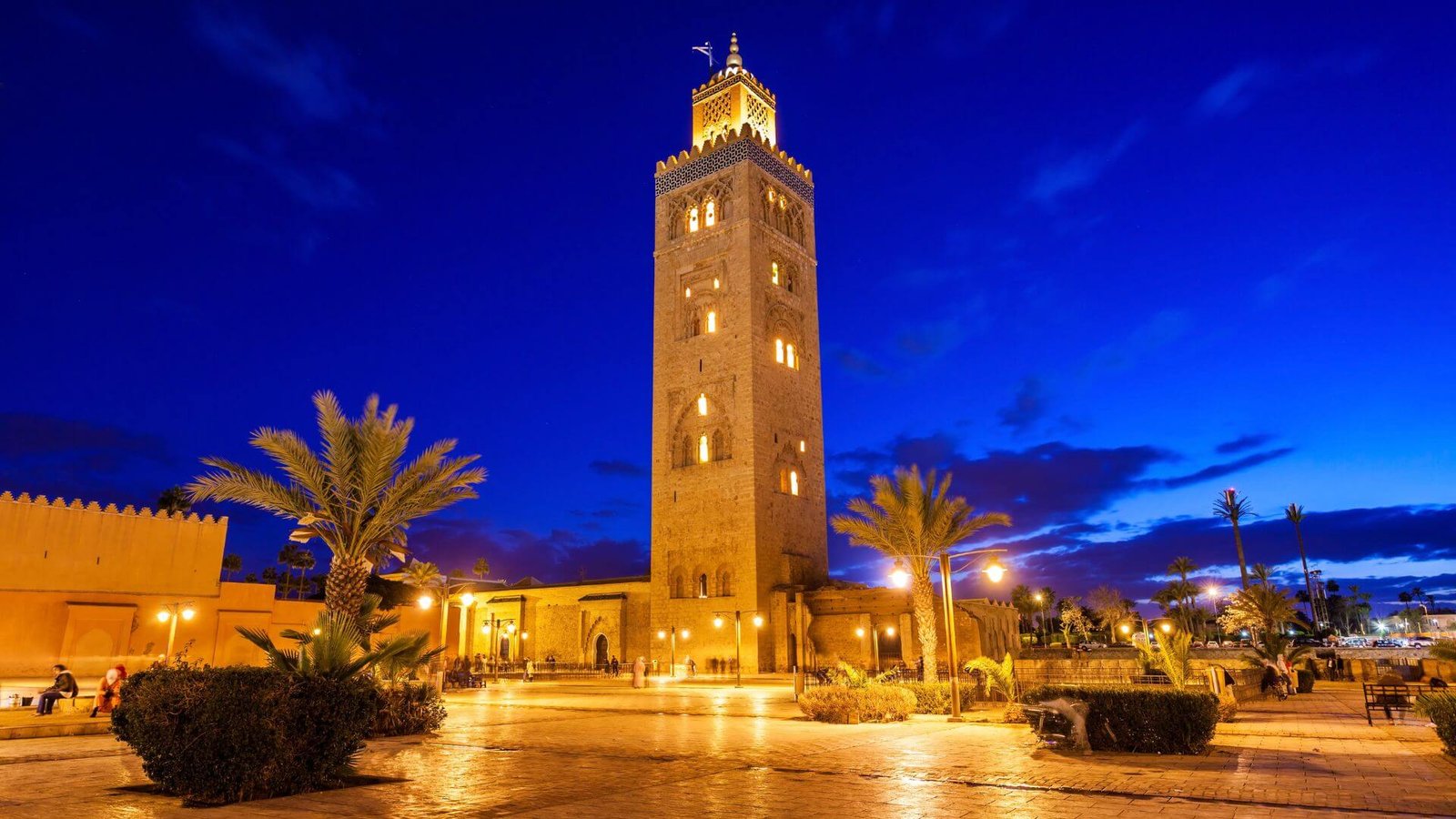
Rising above the Medina, the Koutoubia Mosque is Marrakech’s most immediately recognizable landmark. Its 12th-century minaret stands nearly 70 meters tall and is visible from much of the city — a masterpiece of Almohad architecture and the model from which the Giralda in Seville and the Hassan Tower in Rabat were later designed.
Non-Muslims cannot enter the mosque, but the surrounding gardens — palm trees, fountains, shaded paths framing the golden sandstone minaret — are worth time on their own. The combination of the mosque and the view toward Jemaa el-Fna makes this one of the most photogenic walks in the city, particularly in the late afternoon.
Insider tip: Visit the gardens in the late afternoon or early evening. As the light turns warm and golden, the mosque glows against the sky, creating one of the most magical views in the city.
The mosque is a short walk from Jemaa el-Fna — easy to combine in the same morning. For more city highlights: top attractions in Marrakech .
6. Step Inside Ben Youssef Madrasa
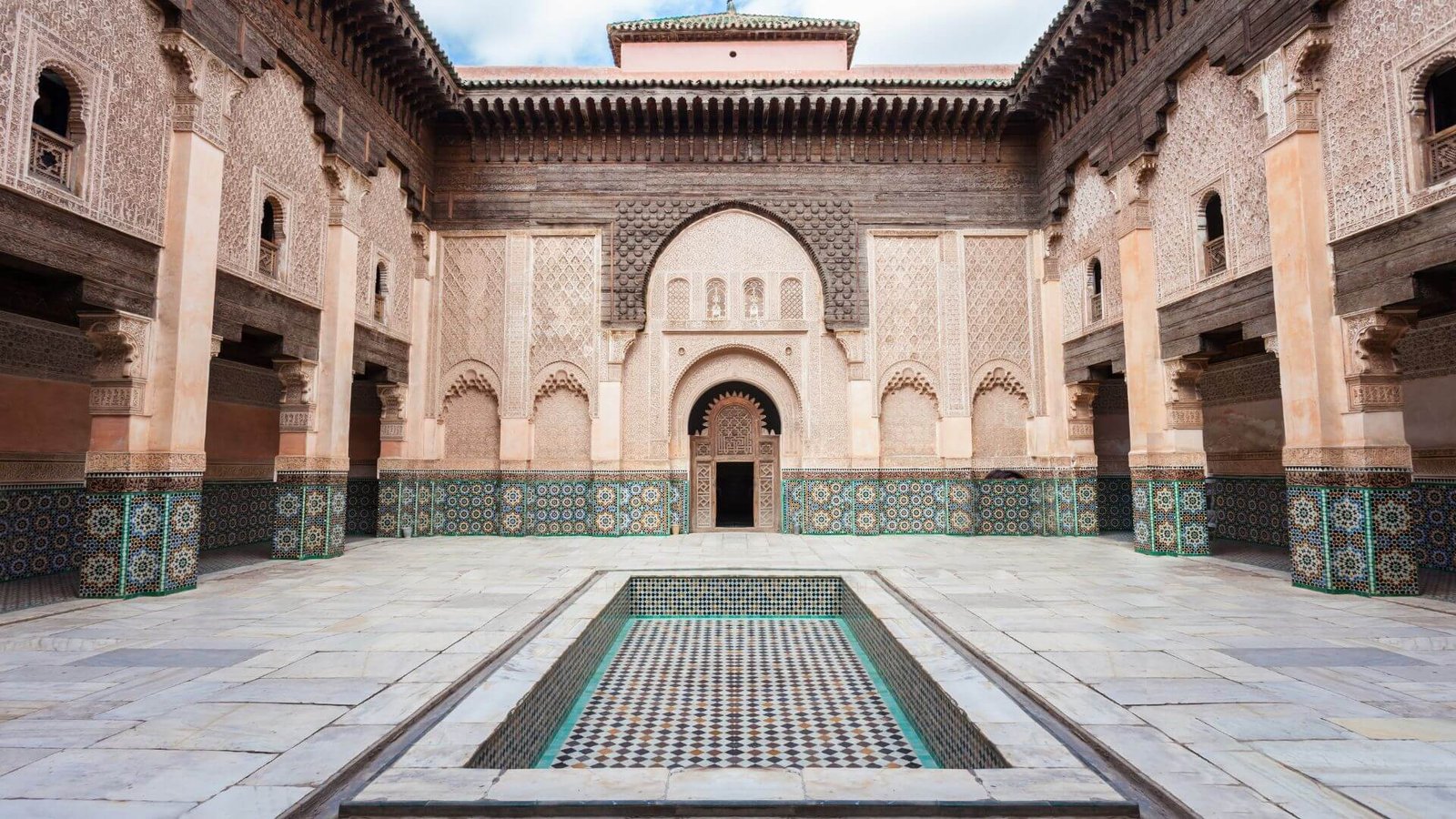
Ben Youssef Madrasa is the finest piece of Moroccan-Andalusian architecture in Marrakech. Founded in the 14th century and expanded by the Saadian dynasty, this Islamic college once housed hundreds of students. The moment you enter the central courtyard, the scale and detail are genuinely arresting — zellige tilework, carved stucco arches, cedar balconies, and a shallow reflecting pool at the center.
Climb the narrow stairs to the upper level where student cells line the balconies overlooking the courtyard. The cells are tiny. The view down into the carved marble and geometric tilework below is extraordinary.
Insider tip: Visit early in the morning to enjoy the courtyard before large tour groups arrive. The soft morning light also highlights the geometric patterns and carvings beautifully.
For more architectural landmarks: top attractions in Marrakech . For the full visit plan: Marrakech travel guide .
7. Shop the Souks of the Medina
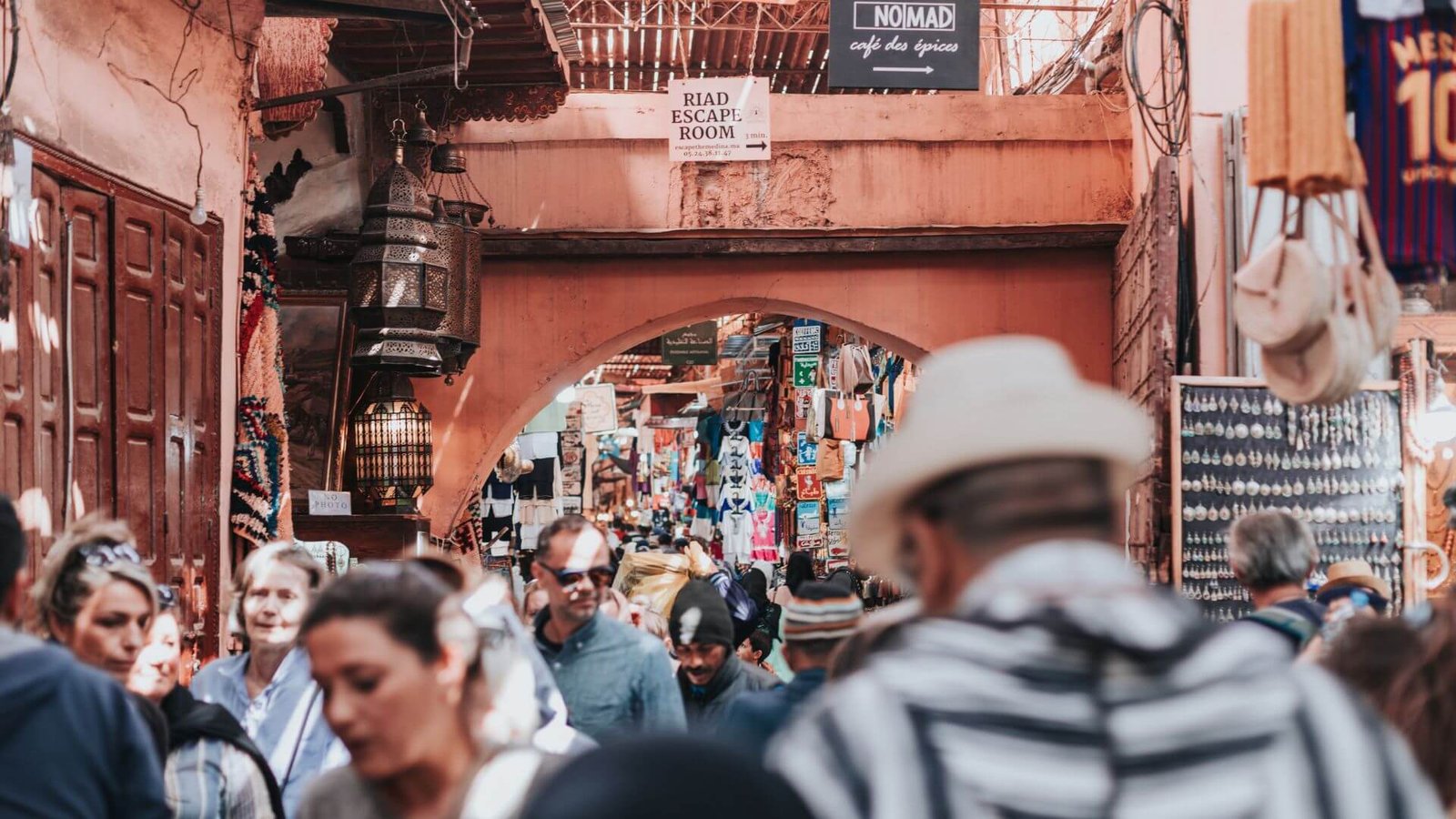
Getting deliberately lost in the souks is one of the best things you can do in Marrakech. The markets stretch for miles behind Jemaa el-Fna, organized by craft: carpet sellers, leather workers, brass and copper smiths, spice merchants, weavers, dyers. The deeper you go, the quieter and more artisan-focused they become.
The items are often genuinely made here — hand-knotted carpets from Berber cooperatives, leather from tanneries that have operated for centuries, metalwork from workshops you can hear before you find them. Bargaining is expected; the rule of thumb is to start around half the asking price and be willing to walk away.
Insider tip: The souk for spices is directly north of Jemaa el-Fna, near the Rahba Lakdima. The tanneries are in the north of the medina near Rue de Bab Debbagh — ask a shop owner overlooking them if you can access their terrace for the view.
For what to buy, where to find it, and how to navigate: complete Marrakech travel guide .
8. Relax at Menara Gardens
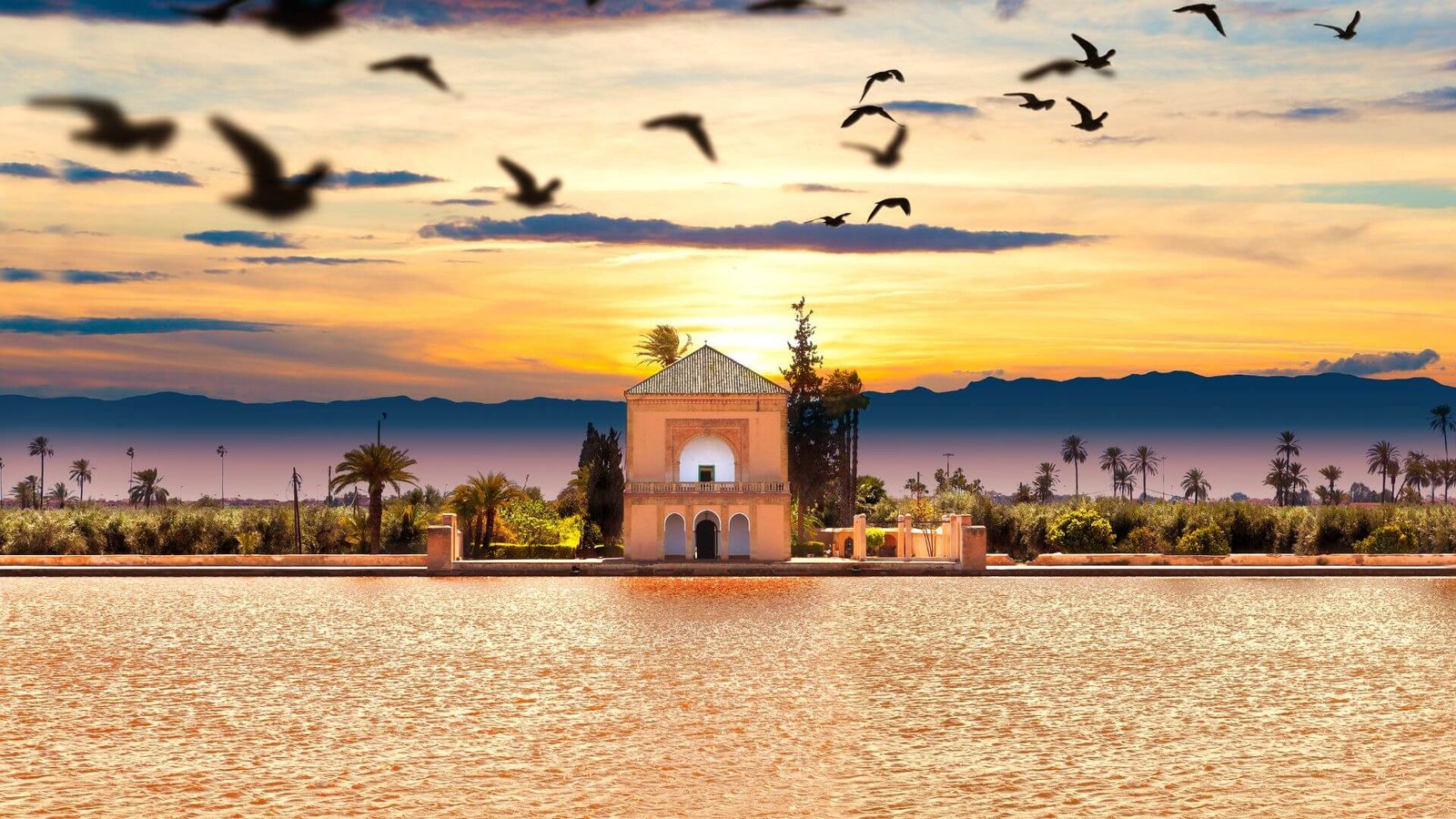
A short distance from the Medina, Menara Gardens offers something Marrakech’s old city doesn’t: space. Created in the 12th century under the Almohad dynasty, the gardens are centered on a large reflecting basin that mirrors the pavilion beside it and, on clear days, the snow-capped Atlas Mountains beyond. The scale is calming. Locals come here to walk, sit, and not be anywhere in particular.
The beauty is almost completely in the simplicity — open sky, olive groves, water, mountains in the distance. There are no elaborate decorations to interpret.
Insider tip: Visit in the late afternoon when the golden light reflects beautifully on the water and the Atlas Mountains become more visible. Sunset here can be incredibly peaceful.
If the Atlas Mountains view from here appeals, the day trip is worth it: Atlas Mountains day trip .
9. Experience the Palmeraie
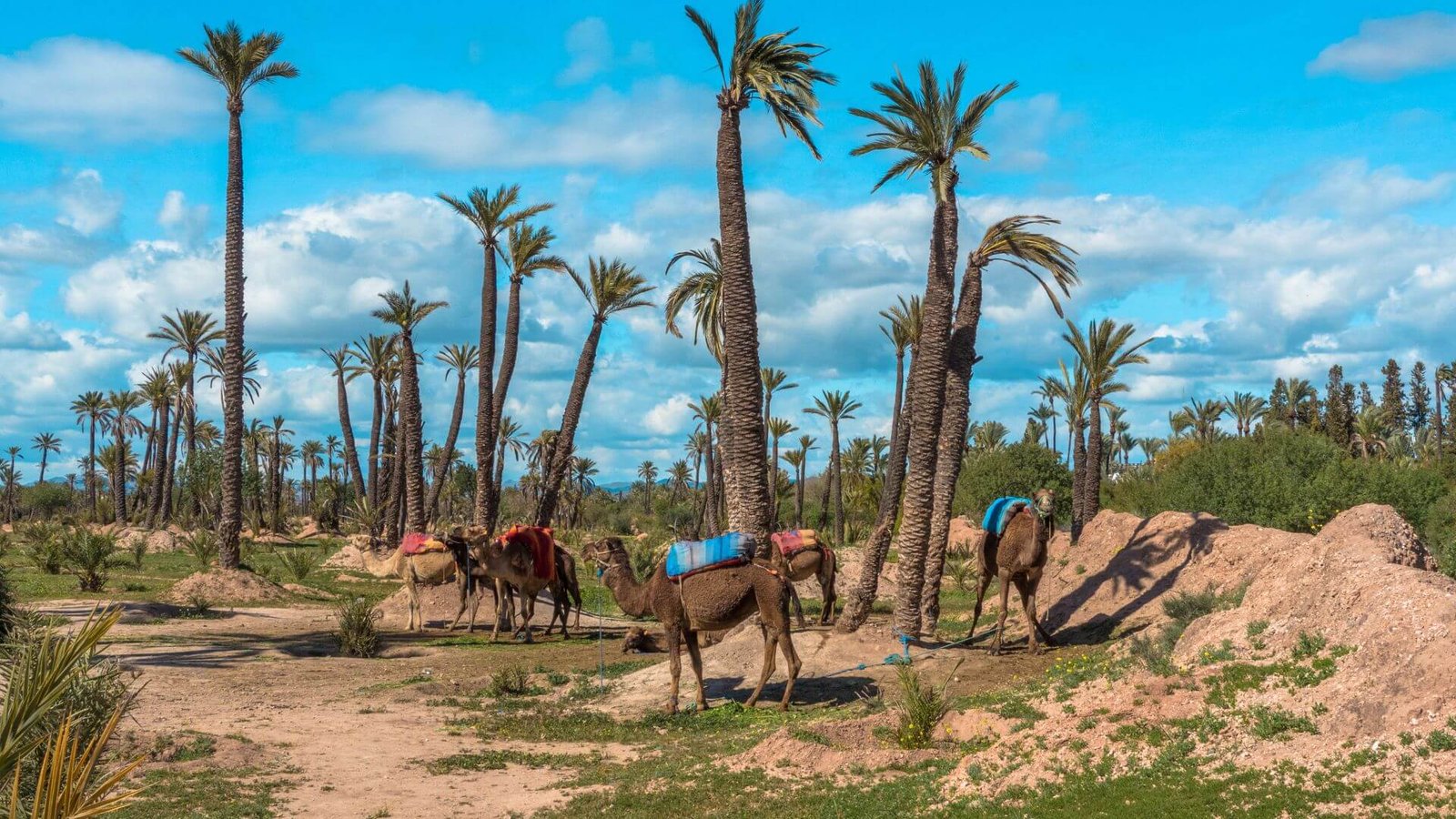
Immediately north of the city, the Palmeraie is a grove of over 100,000 palm trees that stretches across several kilometers of desert-edge landscape. It’s a different Marrakech entirely — wide open, quiet, with paths that wind between the palms and the occasional camel or quad bike track crossing them.
The Palmeraie is where most of the camel rides and quad biking in Marrakech take place, and where several of the city’s resort hotels sit. It’s also simply a good place to decompress after a morning in the souks. The light in the late afternoon across the palms and sandy ground is genuinely beautiful.
Insider tip: Late afternoon tours are the most magical. The temperatures are cooler, the light is perfect for photos, and the desert landscape takes on beautiful golden tones.
For the full guides: camel rides in Marrakech and desert quad biking .
10. Explore El Badi Palace
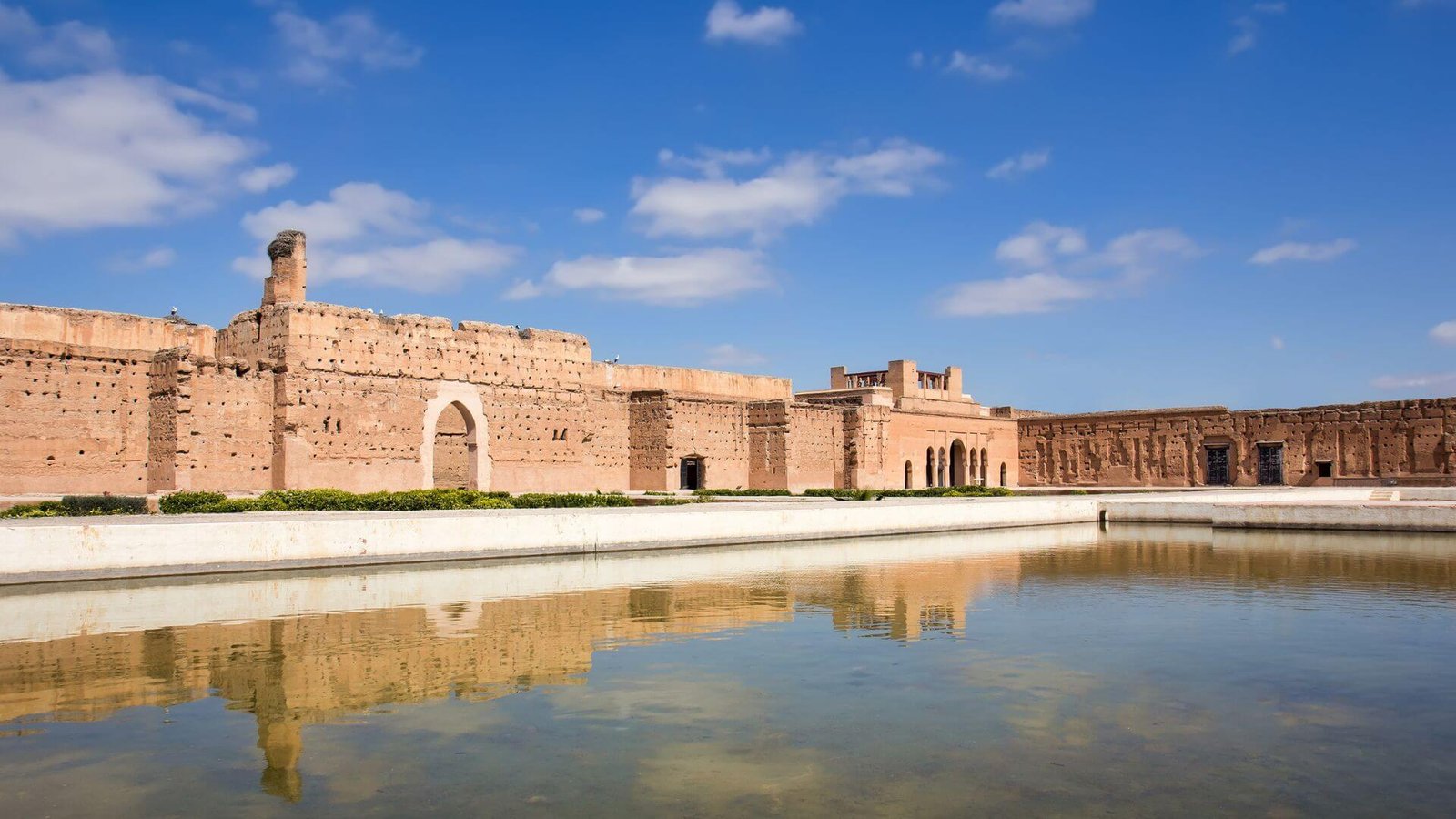
Once one of the most magnificent palaces in the world, El Badi now stands as a hauntingly atmospheric ruin. Built by Sultan Ahmed al-Mansour in the 16th century with materials from across the Mediterranean and Africa, it was stripped by his successor — the marble, the gold, the decorated surfaces all carted off to Meknès. What remains are vast courtyards, sunken gardens, and towering ochre walls beneath open sky.
This is precisely what makes El Badi worth visiting. The scale of what was here is clear from what’s left of it. A colony of white storks has nested in the ancient towers for as long as anyone can remember — their slow circles above the ruins add to the site’s particular atmosphere.
Insider tip: Climb the ramparts for panoramic views of the Medina and the Atlas Mountains in the distance. The elevated walkways also offer a unique perspective over the vast courtyards below.
For more historic landmarks: top attractions in Marrakech . For the full city guide: Marrakech travel guide .
11. Visit the Marrakech Museum
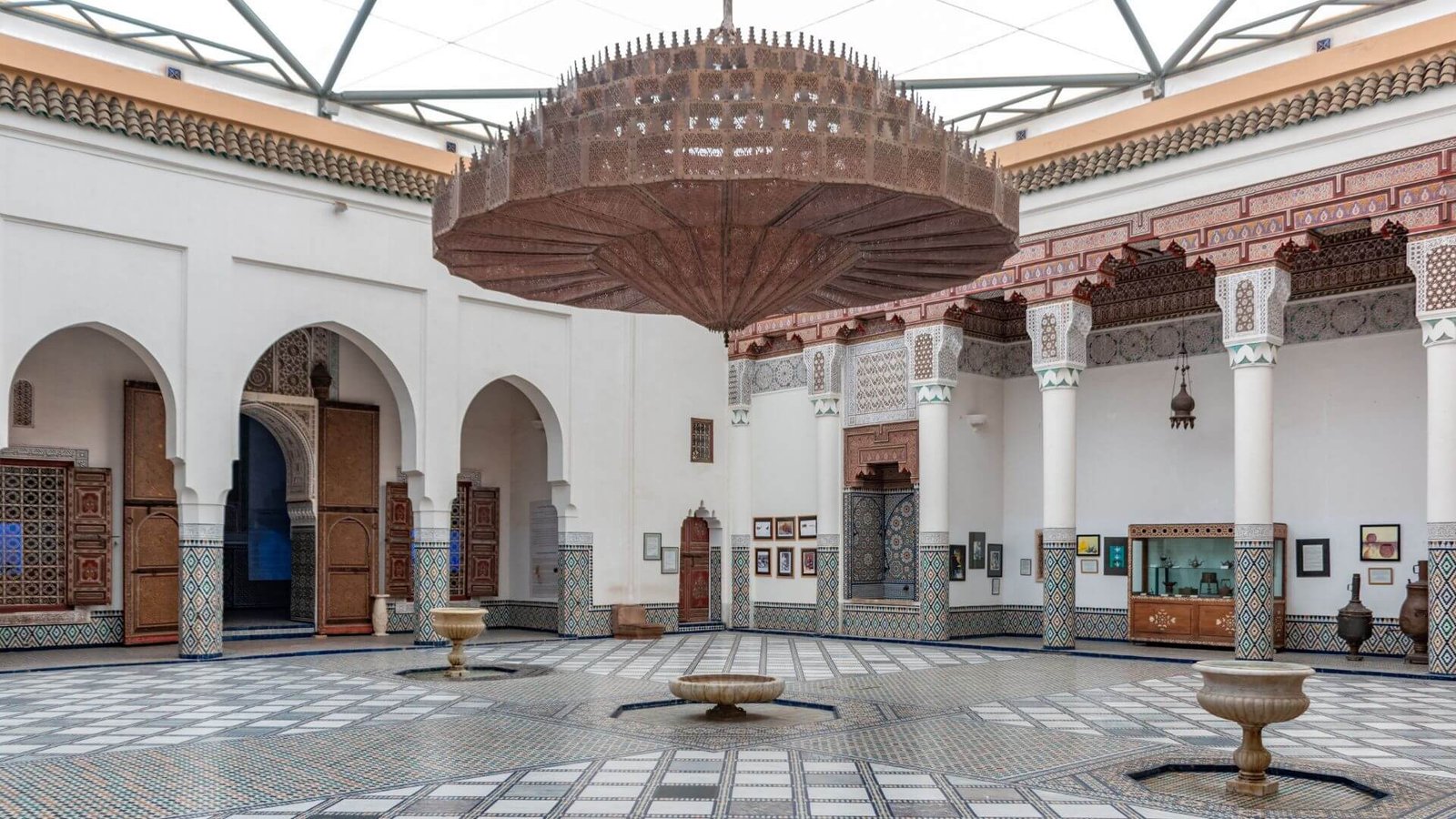
Housed in a beautifully restored 19th-century palace near Ben Youssef Madrasa, the Marrakech Museum is one of the city’s most undervisited sites. The building itself is as good as anything it contains — traditional riad architecture, zellige tilework, and a breathtaking central courtyard dominated by an enormous chandelier.
The collection moves between ancient coins and pottery, intricate textiles and calligraphy, and contemporary work by Moroccan artists. The courtyard, where light filters through the open roof and reflects in the central fountain, is one of those spaces where architecture and atmosphere combine into something genuinely memorable.
Insider tip: Visit in the late morning when the courtyard fills with natural light. It’s the perfect time to appreciate the intricate details and capture stunning photos of the palace interior.
For more cultural landmarks nearby: top attractions in Marrakech . For trip planning: Marrakech travel guide .
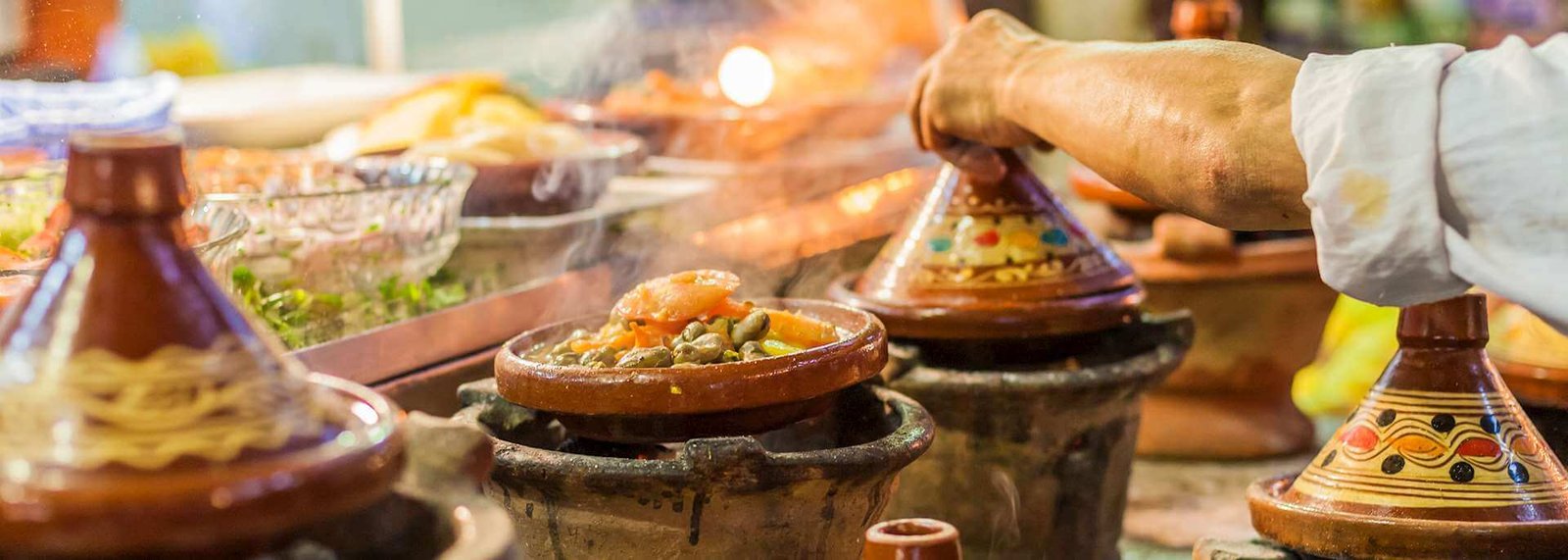
12. Taste Local Cafés & Street Food
Eating your way through Marrakech requires no planning and very little money. The city has a serious food culture at every level, from the stalls at Jemaa el-Fna where vendors have been grilling brochettes and ladling harira for decades, to the small cafés tucked into Medina alleyways where the locals actually eat.
As evening falls the main square becomes an enormous open-air kitchen. Smoke rises from grills, stalls assemble at speed, and the crowd that surrounds them is genuinely mixed — tourists and Marrakchis eating the same food at the same tables. Freshly squeezed orange juice from the stalls on the square’s edge is mandatory. Msemen pancakes with amlou (argan oil and almond paste) are worth seeking out.
Insider tip: The best street food stall indicator is a crowd of local workers at lunchtime. Avoid any stall where the vendor is primarily focused on getting you to sit down. The food on Jemaa el-Fna is good but priced for tourists — the alleys north of the square have better value.
For the full guide: best street food in Marrakech and traditional Moroccan restaurants .
13. Indulge in a Traditional Hammam
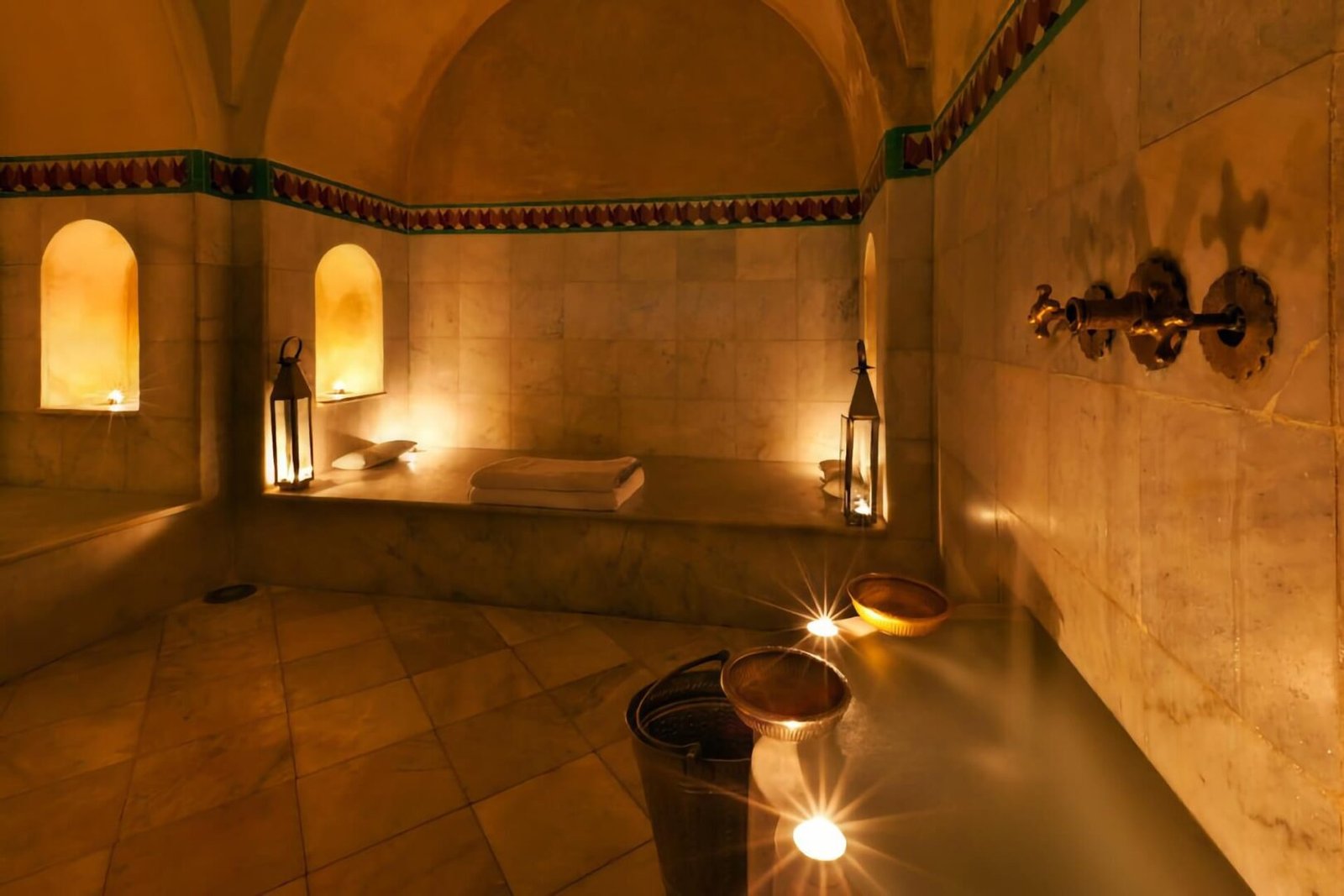
After a full day in the Medina, a traditional hammam is the most effective reset available. This centuries-old bathing ritual — steam room, black olive soap, exfoliation with a kessa glove — produces results that are difficult to describe without sounding hyperbolic, but: genuinely different skin, a physical relaxation that’s hard to achieve any other way, and the particular satisfaction of doing something that Marrakech residents do as a matter of weekly routine.
Neighborhood hammams cost a few dirhams and are shared with locals. Hammams in luxury riads and hotels use the same techniques in considerably more refined surroundings. Both are worth trying for different reasons.
Insider tip: If it’s your first hammam, the spa version is easier to navigate — staff guide you through the steps, the facilities are clearly marked, and you’ll come out understanding what the experience is. Then try a neighborhood one.
For both traditional and luxury options: best hammams and spas in Marrakech .
14. Discover Marrakech Art Galleries
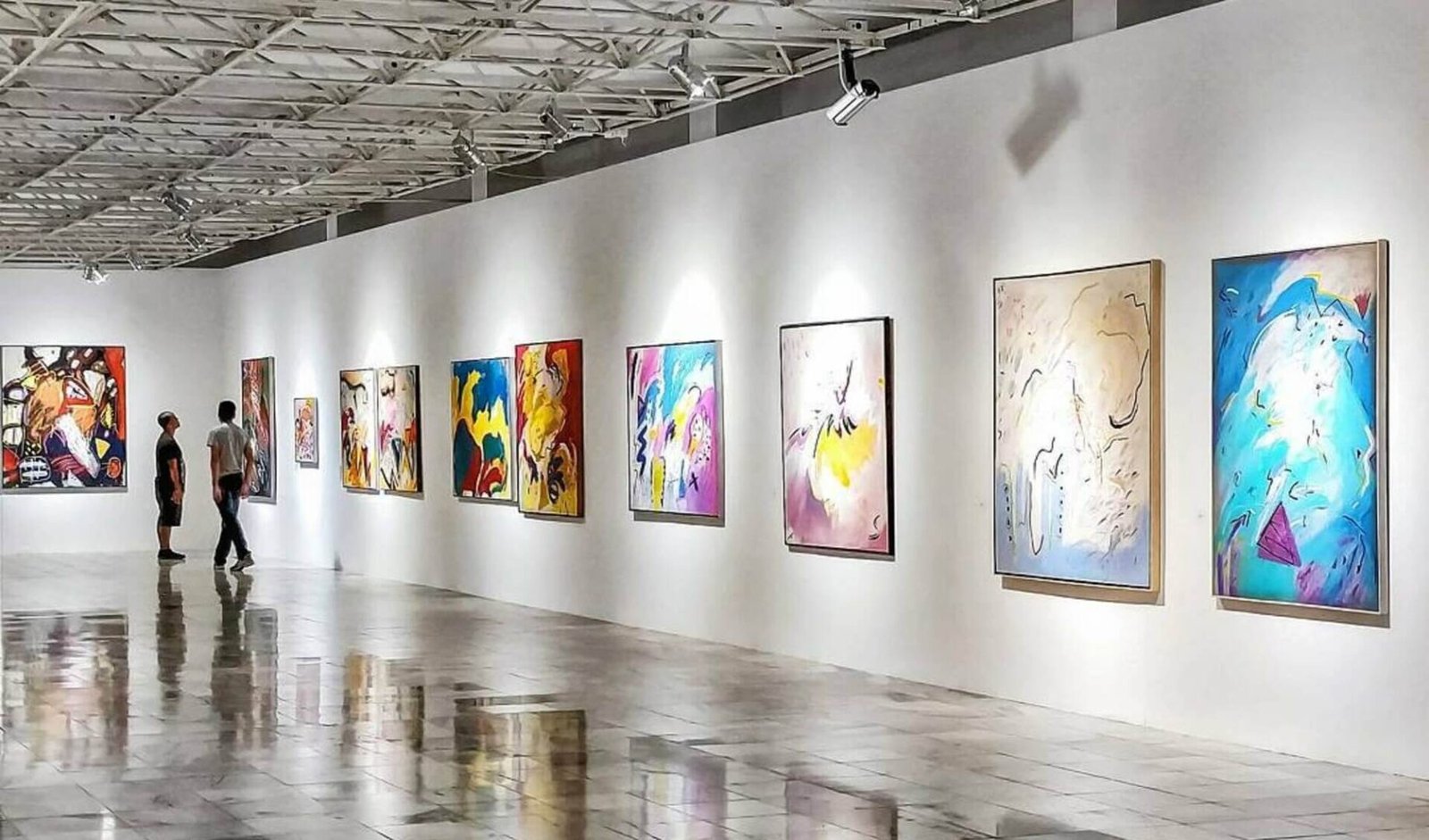
Gueliz, Marrakech’s modern quarter west of the Medina, has a genuinely interesting gallery scene. Contemporary Moroccan art here operates at the intersection of Amazigh (Berber) visual traditions, Arabic calligraphy, and the influence of French modernism that came through the colonial period and the international artists — Majorelle, Matisse, Delacroix — who were drawn to the city’s light and color.
The galleries in Gueliz are worth an afternoon. You’ll find abstract painting, sculpture, mixed media, and works that are harder to categorize. Several regularly host openings and artist talks. The quality varies, but the best work is genuinely interesting and the context gives it weight.
Insider tip: The David Bloch Gallery on Rue de Yougoslavie is one of the most established in the city, mixing international street and contemporary art with Moroccan work. Combine it with lunch at one of the better cafés on the surrounding streets.
For more cultural experiences: top attractions in Marrakech and Marrakech travel guide .
15. Photograph Marrakech's Most Beautiful Spots
Marrakech is one of the most photographed cities in the world, and the reasons are structural — the geometry of the architecture, the quality of the light, the color combinations that exist nowhere else. A few specific locations reward the effort of going with photography specifically in mind.
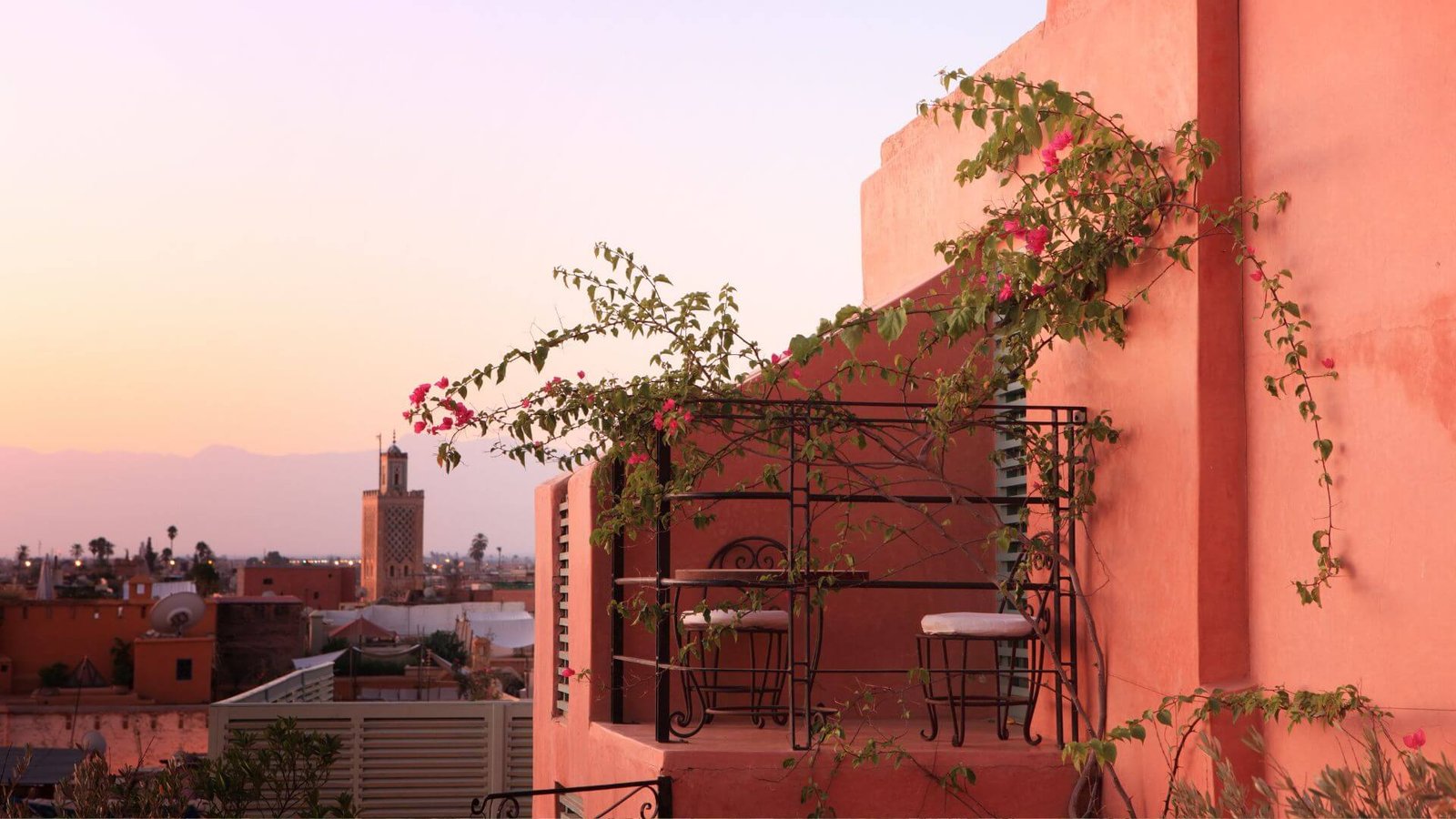
The Ben Youssef Madrasa courtyard before 9am, when the tour groups haven’t arrived and the morning light comes in at a low angle across the carved plasterwork. The Chouara tanneries from a terrace above — the vats of color change with the season and the dye being worked. Majorelle Garden at opening time. The view from any rooftop café over Jemaa el-Fna as the food stalls are being assembled in late afternoon. The narrow souk alleys in early morning when the bamboo screen overhead filters the light into stripes.
Insider tip: The best photography in the medina happens before 9am and after 4pm. At midday the light is flat and the crowds are at their worst. The Chouara tanneries are best in the morning when fresh hides are being worked and the colors are at their most vivid.
For the full location guide: most beautiful spots for photography in Marrakech . For more attractions: top attractions in Marrakech .
16. Take a Moroccan Cooking Class
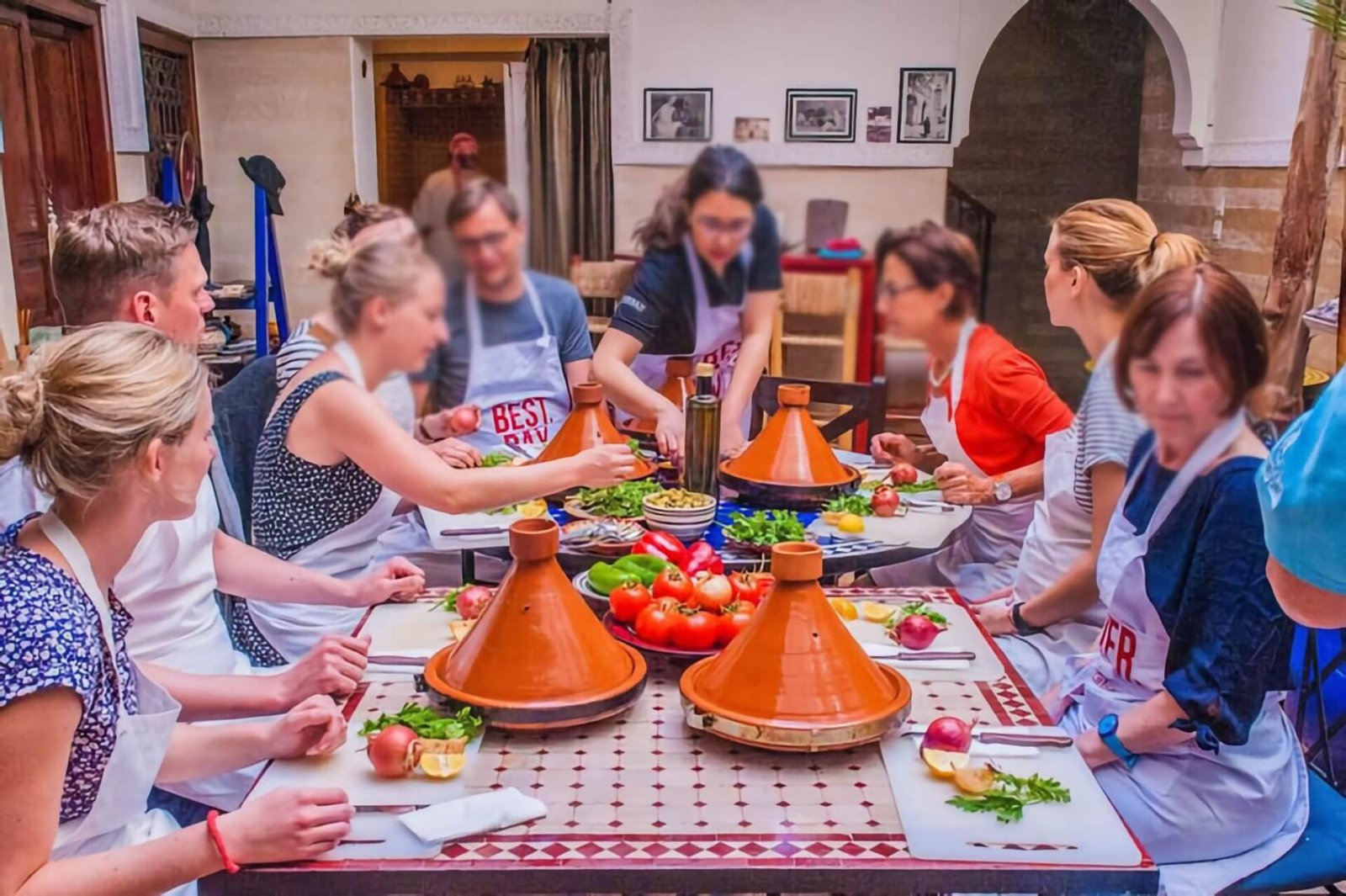
A Moroccan cooking class gives you direct access to one of the world’s genuinely underrated culinary traditions — the specific logic of how ras el hanout, preserved lemon, saffron, and argan oil combine to produce flavors that are deeply hard to replicate without understanding the underlying technique.
Most classes start in the spice market, where you select the individual ingredients before they become a dish. They end at a table in a riad courtyard with what you’ve made — usually tagine, couscous, perhaps a pastilla, harira to begin. The best ones are run by cooks who genuinely know what they’re doing and are happy to explain why things work the way they do.
Insider tip: Smaller classes — four to six people — produce a genuinely different experience from larger groups. You spend more time actually cooking and less time watching. Book the morning session if available; the spice market is best early.
For the full guide: Moroccan cooking classes and traditional Moroccan restaurants .
17. Enjoy a Hot Air Balloon Ride
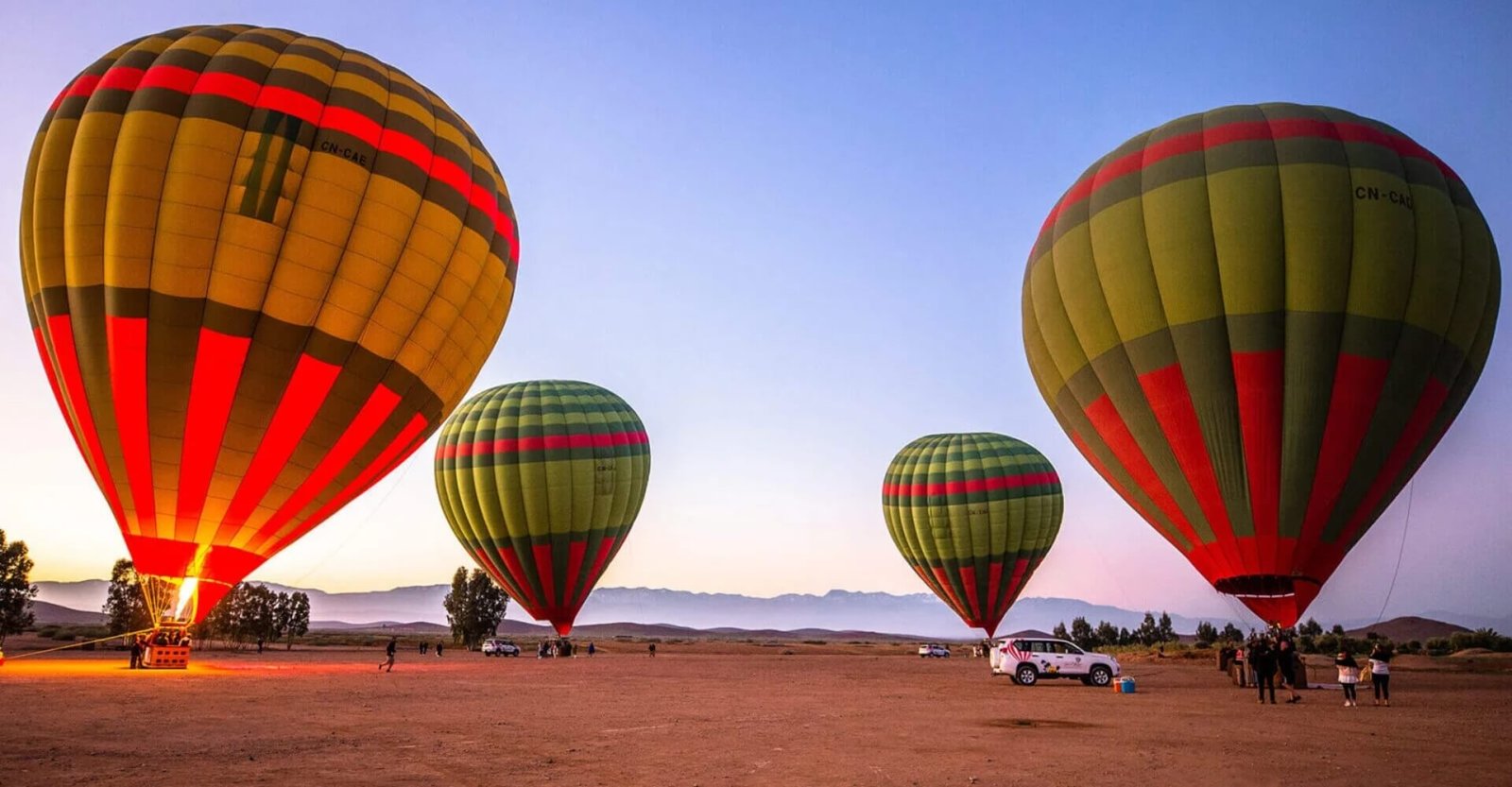
A hot air balloon ride at sunrise gives you a perspective on Marrakech that’s impossible to get any other way — the city’s red rooftops, the geometry of the Medina from above, the palmeries north of the city, and on clear days the Atlas Mountains rising behind everything.
The flights typically last around an hour. The silence is the thing people comment on most — the balloon moves with the wind so there’s no engine noise, just the occasional burst of the burner and the slow visual unfolding of the landscape below. The morning light across the Atlas foothills is extraordinary.
Insider tip: Book early morning rides for the best light and calm winds. Bring a camera with a good zoom to capture panoramic views of both the city and the distant Atlas Mountains.
For the full guide: hot air balloon rides in Marrakech . To combine with other adventures: Marrakech experiences .
18. Go Desert Quad Biking
Quad biking in the desert around Marrakech is most commonly done in the Palmeraie or the Agafay Desert — a rocky, arid landscape thirty minutes south of the city that’s easier to access than the Sahara and striking in its own right. Tours are guided, the terrain varies between flat tracks and rougher ground, and the combination of speed and open desert landscape is a reliable hit with people who might not have expected to spend an afternoon on a quad bike in Morocco.
The views from the higher ground in the Agafay — across the rocky plateau toward the Atlas range — are worth pausing for.
Insider tip: Wear comfortable clothing and closed shoes, and don’t forget sunglasses and sunscreen. Early morning or late afternoon rides are best to avoid midday heat and capture the perfect light.
For the full guide: desert quad biking in Marrakech . Pairs well with a camel ride for a full afternoon.

19. Enjoy a Camel Ride
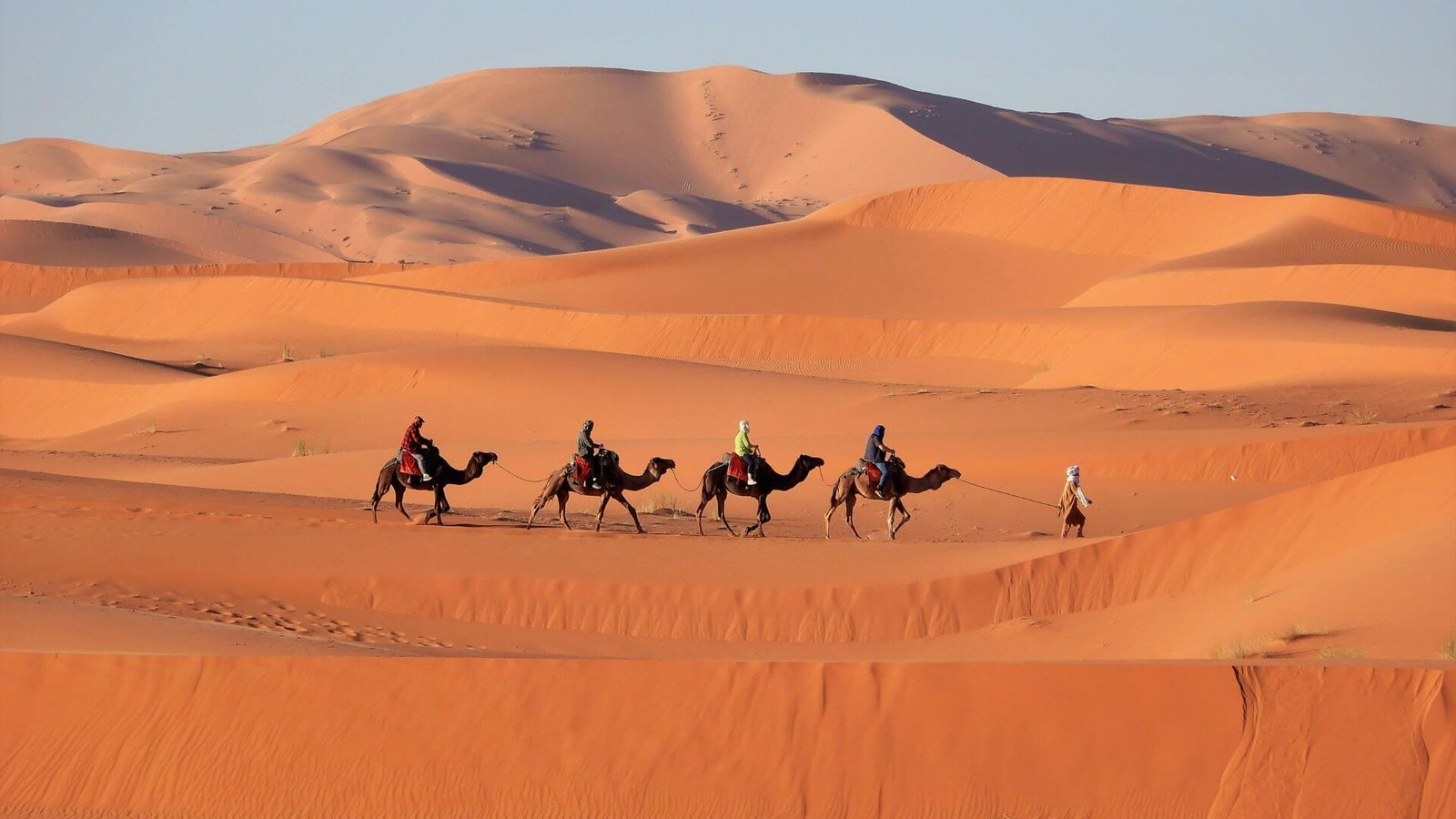
A camel ride through the Palmeraie is one of those experiences that sounds like a tourist trap and turns out to be genuinely good. The movement of a camel at walking pace through palm groves at late afternoon light, with the city invisible and the Atlas Mountains visible on the horizon, has a specific quality that’s hard to replicate. It’s unhurried, unusual, and the guides who lead them tend to be good company.
Rides vary from half an hour to full sunset excursions. The sunset timing is worth the extra cost for the light alone.
Insider tip: Sunset rides are particularly magical. The golden light illuminates the palms and dunes, creating stunning photo opportunities and a peaceful, almost cinematic atmosphere.
For the full guide: camel rides in Marrakech . Combines well with desert quad biking for the full Palmeraie experience.
20. Unwind at a Luxury Riad
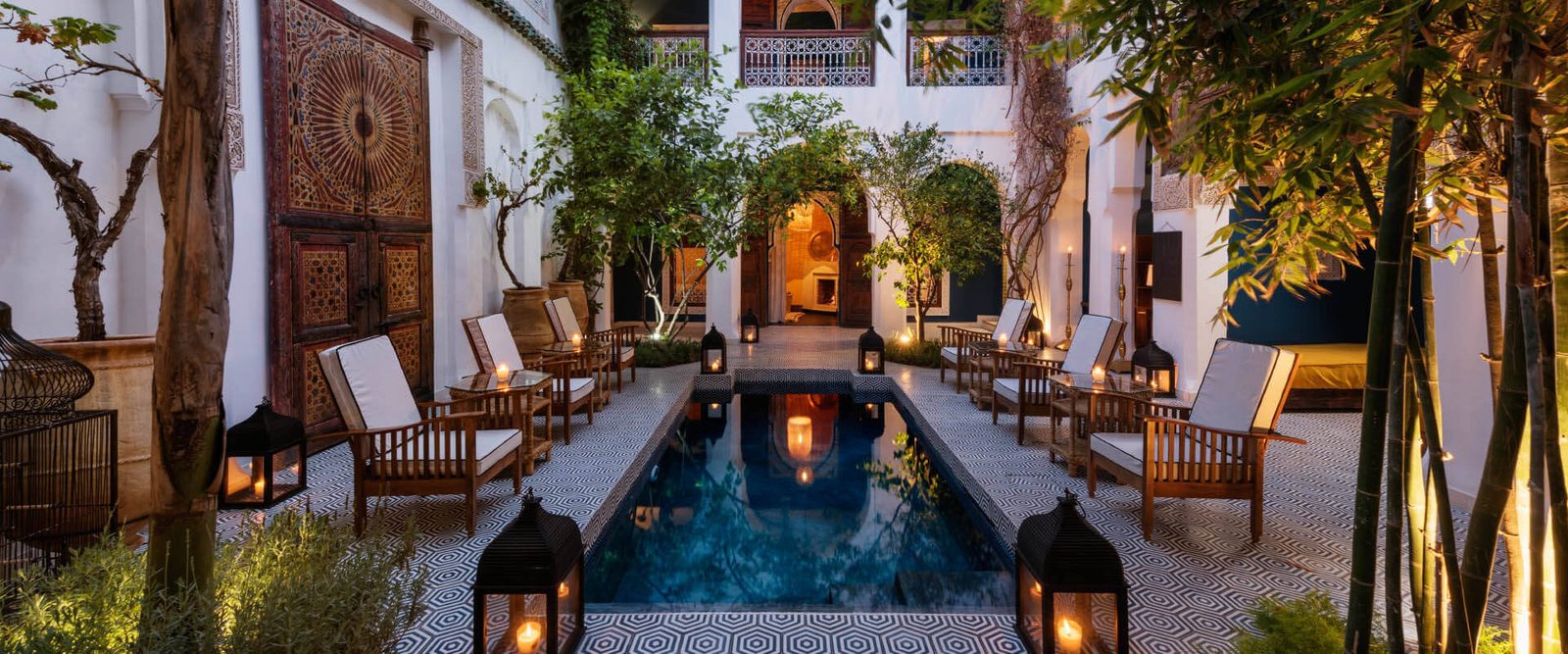
A luxury riad isn’t just accommodation — it’s an argument that Moroccan architecture is among the most intelligent ever developed for hot urban environments. The inward-facing design keeps cool air in the courtyard, the fountain provides white noise and evaporative cooling, the carved plasterwork and zellige tilework create surfaces that read differently in every quality of light.
At the luxury end, these buildings have been restored with serious care and fitted with the kind of service — private pools, spa access, rooftop terraces, staff who know your breakfast preference by day two — that makes them destinations in themselves. Staying in one of Marrakech’s best riads is the right ending to almost any kind of trip.
Insider tip: Book a riad in the Medina rather than adjacent to it — the difference in atmosphere between being inside the old city walls and being five minutes from them is significant. Rooftop terraces face west for the best sunset light.
For the best options: luxury riads in Marrakech and boutique riads .
Tips for Visiting Marrakech
Marrakech can feel overwhelming on a first visit. The Medina’s street grid is genuinely non-linear, the souks are loud and disorienting, and the gap between tourist prices and local prices is wide enough to be annoying if you’re not prepared for it. These tips address the practical reality.
Visit Popular Attractions Early in the Day
The Majorelle Garden, Ben Youssef Madrasa, and Bahia Palace all open by 9am. Being there within thirty minutes of opening means calmer spaces, better light, and no queues. By 10:30am the difference is significant.
Explore Jemaa el-Fnaa in the Evening
The square has two distinct characters. The daytime version is interesting. The evening version, when the food stalls appear and the entertainers take over the space, is extraordinary. Plan to be there around sunset and stay for at least an hour.
Dress Respectfully
Marrakech is a working Moroccan city, not a resort. Modest clothing — shoulders and knees covered — is appreciated everywhere and expected in mosques, religious sites, and the more traditional parts of the Medina.
Be Prepared to Bargain in the Souks
Fixed prices exist in some shops, particularly in Gueliz and in more contemporary stores. In the traditional souks, initial prices are opening positions. Start around half and expect to settle around two-thirds. Walking away is your most useful tool.
Stay Hydrated and Take Breaks
From May to September the heat is serious. Carry water, take shade breaks, and don’t underestimate how quickly a morning in the souks can become exhausting in summer.
For more detailed advice about visiting the city, check out our complete Marrakech Travel Guide , where you’ll find practical tips, local insights, and travel planning advice to help you make the most of your trip.
Plan Your Trip to Marrakech
The list above covers what to do. The links below cover how to structure it. Different amounts of time suit different depths of visit — here’s how we’d approach each.
Suggested Itineraries
How many days you have determines the kind of trip Marrakech can be. Two days is the essentials. Three days allows a cooking class or day trip. Four or five days is when the city starts to reveal its less obvious layers.
- 2 Days in Marrakech
- 3 Days in Marrakech
- 4 Days in Marrakech
- 5-Day Marrakech + Desert
- 7-Day Morocco Trip
Best Day Trips from Marrakech
Marrakech is an exceptional base for Morocco’s wider landscape. The Atlas Mountains are an hour away. Essaouira, on the Atlantic coast, is two and a half hours. The Ourika Valley is forty minutes. All are worth the time.
Where to Stay in Marrakech
Choosing the right place to stay can shape your entire experience. The historic Medina offers traditional riads and authentic charm, while areas like Gueliz and Hivernage provide a more modern atmosphere with restaurants, cafés, and nightlife.
For a complete overview of the city, including practical travel advice and insider tips, explore our full Marrakech Travel Guide .
Frequently Asked Questions About Things to Do in Marrakech
What are the must-see attractions in Marrakech?
Jemaa el-Fna at dusk, the Bahia Palace, Majorelle Garden before the crowds, Ben Youssef Madrasa, the souks, and a traditional hammam. These six cover the essential range of what makes Marrakech distinctive — its public life, its architecture, its gardens, and its wellness traditions.
How many days do you need in Marrakech?
Three days is enough for the main attractions and a genuine sense of the city. Four or five days adds a cooking class, a day trip, and the hidden-gem layer that most first-time visitors miss. If you want to combine the city with Atlas Mountains or desert excursions, five to seven days is comfortable.
What is the best time to visit Marrakech?
Spring (March to May) and autumn (September to November) are the most comfortable — warm but not brutal, and the city is at its most active. Summer is genuinely hot, though the evenings are pleasant and the tourist density drops slightly. Winter is mild and often beautiful, with occasional rain and the Atlas Mountains snow-capped from December.
Is Marrakech safe for tourists?
Yes. Marrakech is one of North Africa’s most visited cities with a well-developed tourist infrastructure. Standard urban precautions apply — keep an eye on bags in the busy souks, use taxis arranged through your accommodation initially, and don’t let persistent vendors follow you into transactions you didn’t initiate.
What should you not miss in Marrakech?
Jemaa el-Fna at night, Ben Youssef Madrasa at opening time, the Bahia Palace’s smaller courtyards, Majorelle Garden before 9am, a neighborhood hammam, and at least one evening of genuine wandering in the Medina with nowhere specific to be. The city rewards slow walking more than any other approach.
 Marrakist Concierge