
The key facts before departure.
Ourika Valley Day Trip from Marrakech
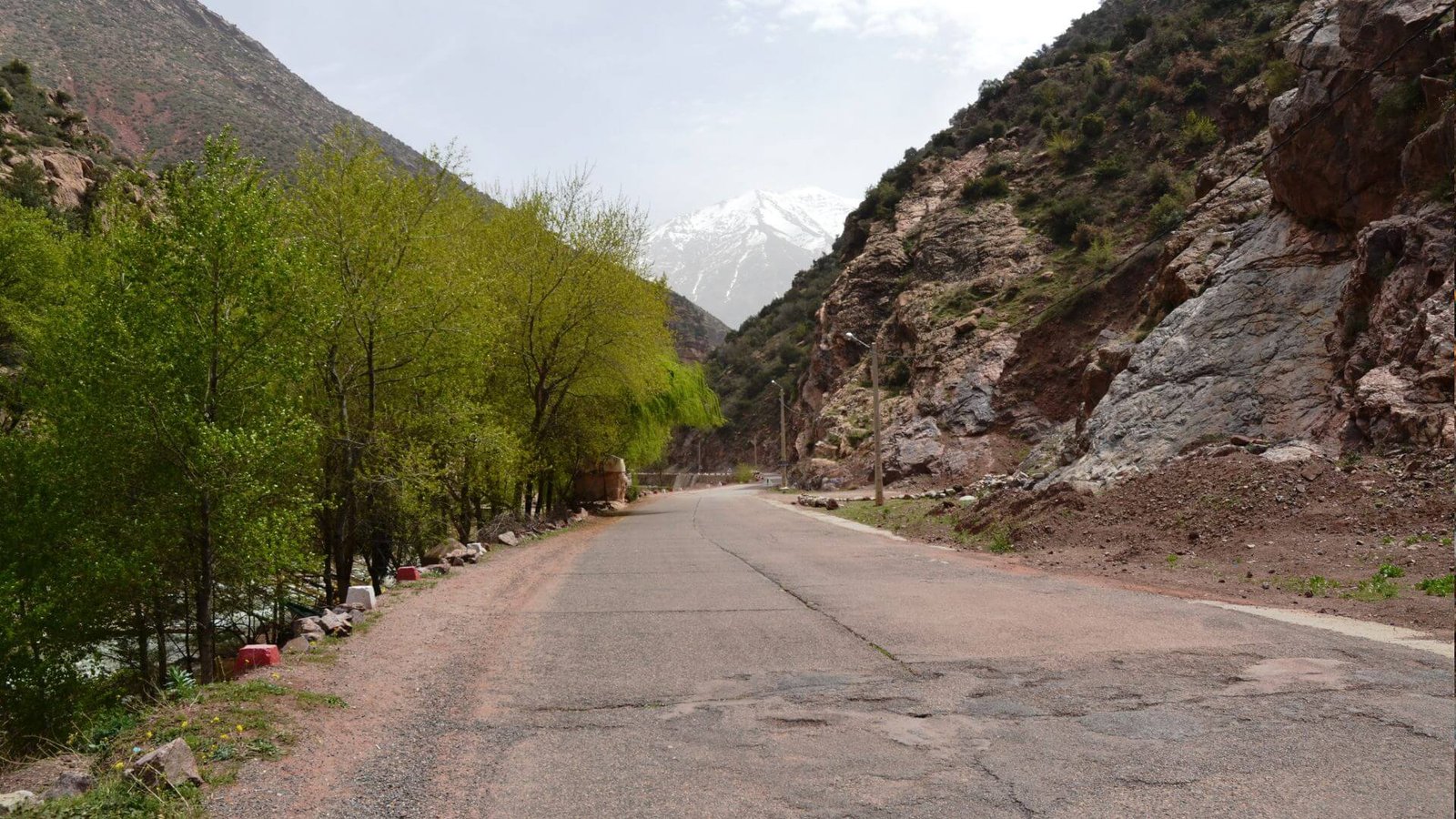
The Ourika Valley runs south from the Atlas foothills into a narrow river gorge about 60 kilometres from Marrakech — forty-five minutes to an hour by road. The valley follows the Ourika river through a series of Berber villages and riverside cafés before reaching Setti Fatma, where a short trail leads to a series of waterfalls. It’s the closest significant change of landscape available as a day trip from the city.
The Ourika Valley works well as either a half-day or a full day. A half-day gives enough time for the waterfall hike and a lunch stop. A full day allows more time in the villages along the route and a slower pace at each stop. It’s a genuinely different environment from Marrakech — cooler, greener, and quieter — without requiring a long drive or complex logistics.
- Setti Fatma
- 7 cascades — most visitors reach the first two (30 min hike each way)
- Valley temperature
- 5–8°C cooler than Marrakech in summer
- Best waterfall season
- spring — snowmelt fills the cascades through April–May
- Daily budget
- ~200 dirhams per person covers lunch & incidentals
Powered by GetYourGuide
Quick Navigation
- 1. Ourika Valley Day Trip: Quick Overview
- 2. Why Visit Ourika Valley?
- 3. Top Things to Do in Ourika Valley
- 4. How to Visit Ourika Valley from Marrakech
- 5. Perfect Ourika Valley Day Trip Itinerary
- 6. Best Time to Visit Ourika Valley
- 7. Practical Tips for Your Ourika Valley Trip
- 8. Ourika Valley Day Trip FAQ
- 9. Explore More Day Trips from Marrakech
- 10. Final Thoughts
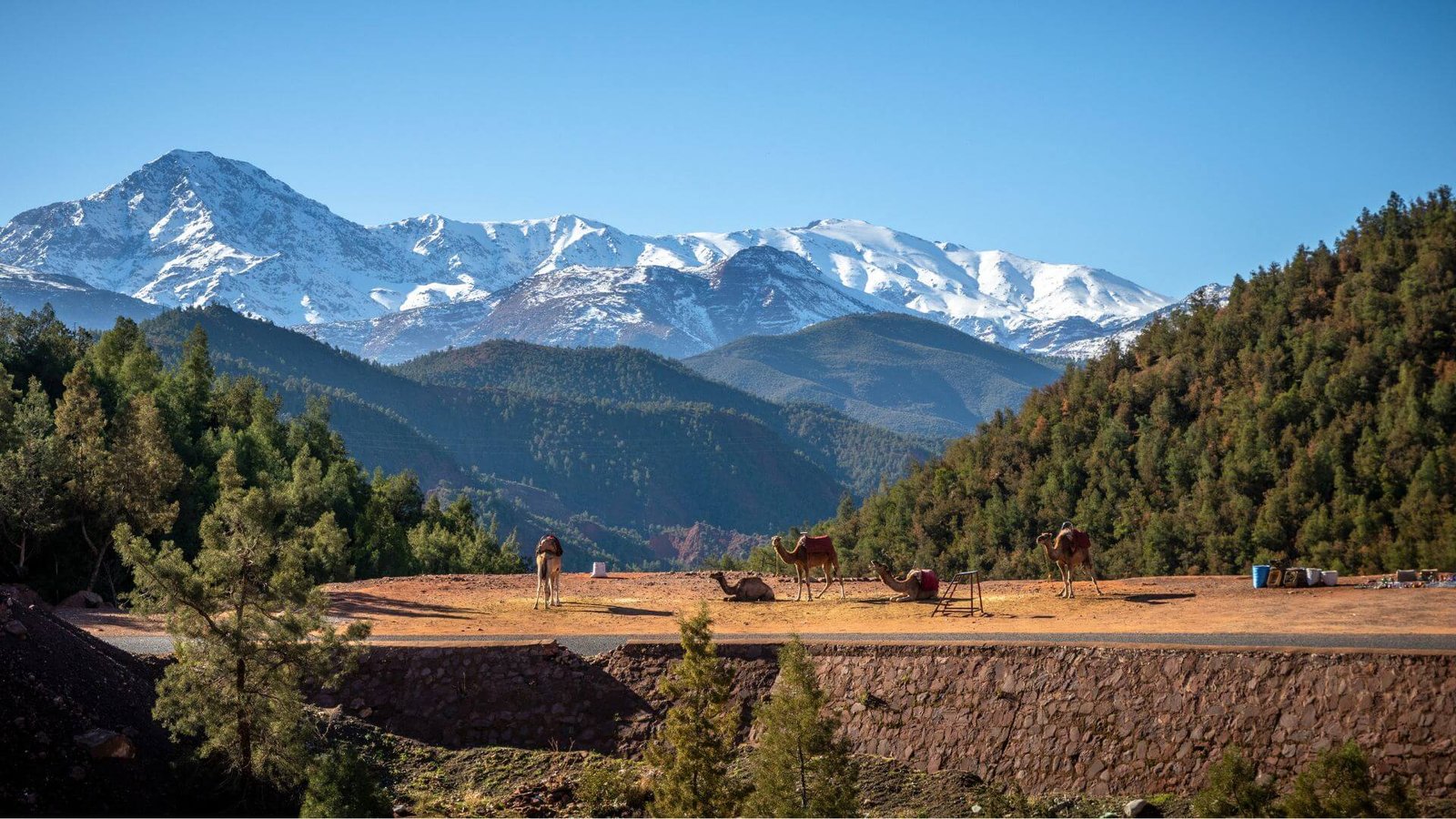
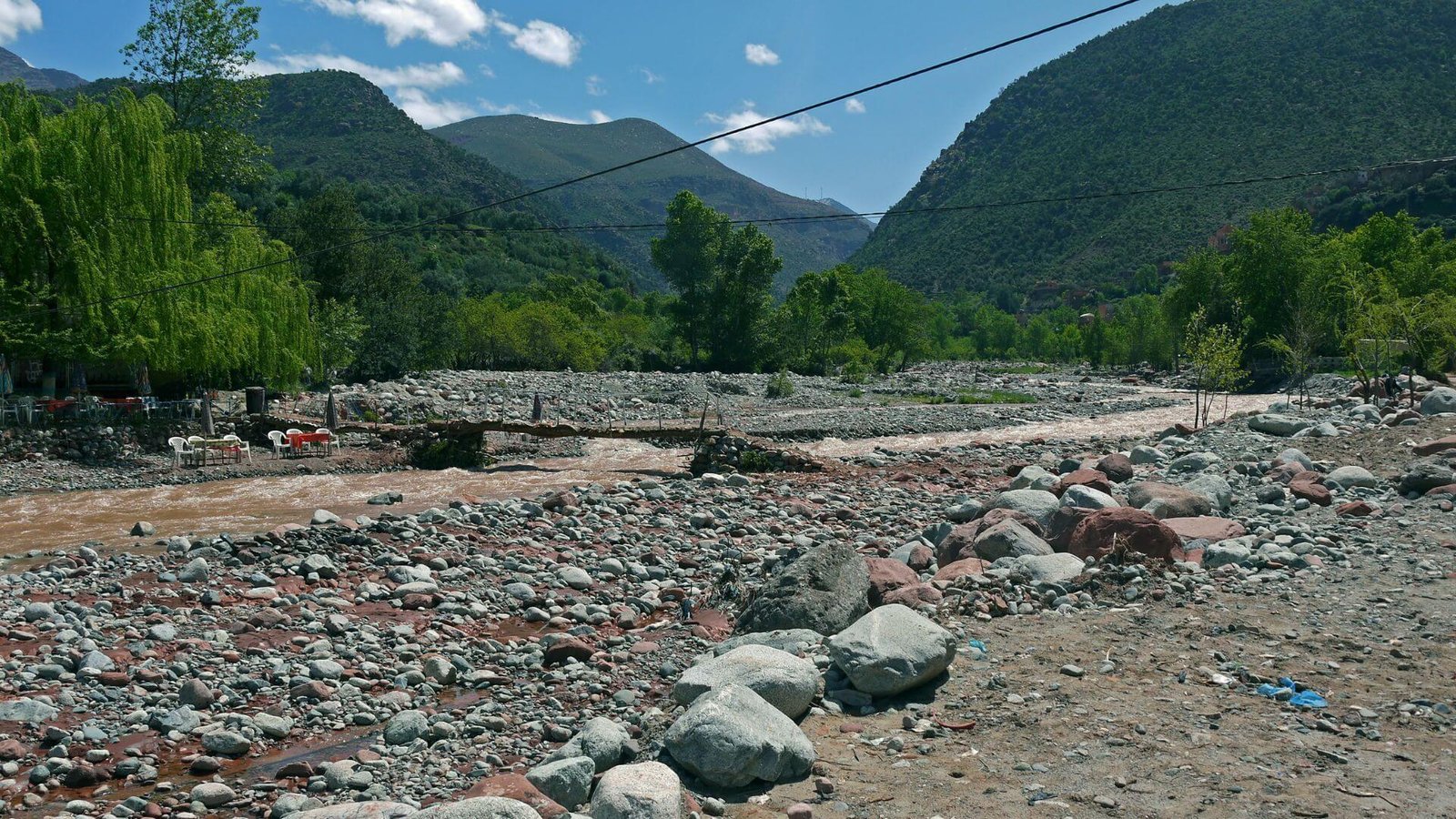
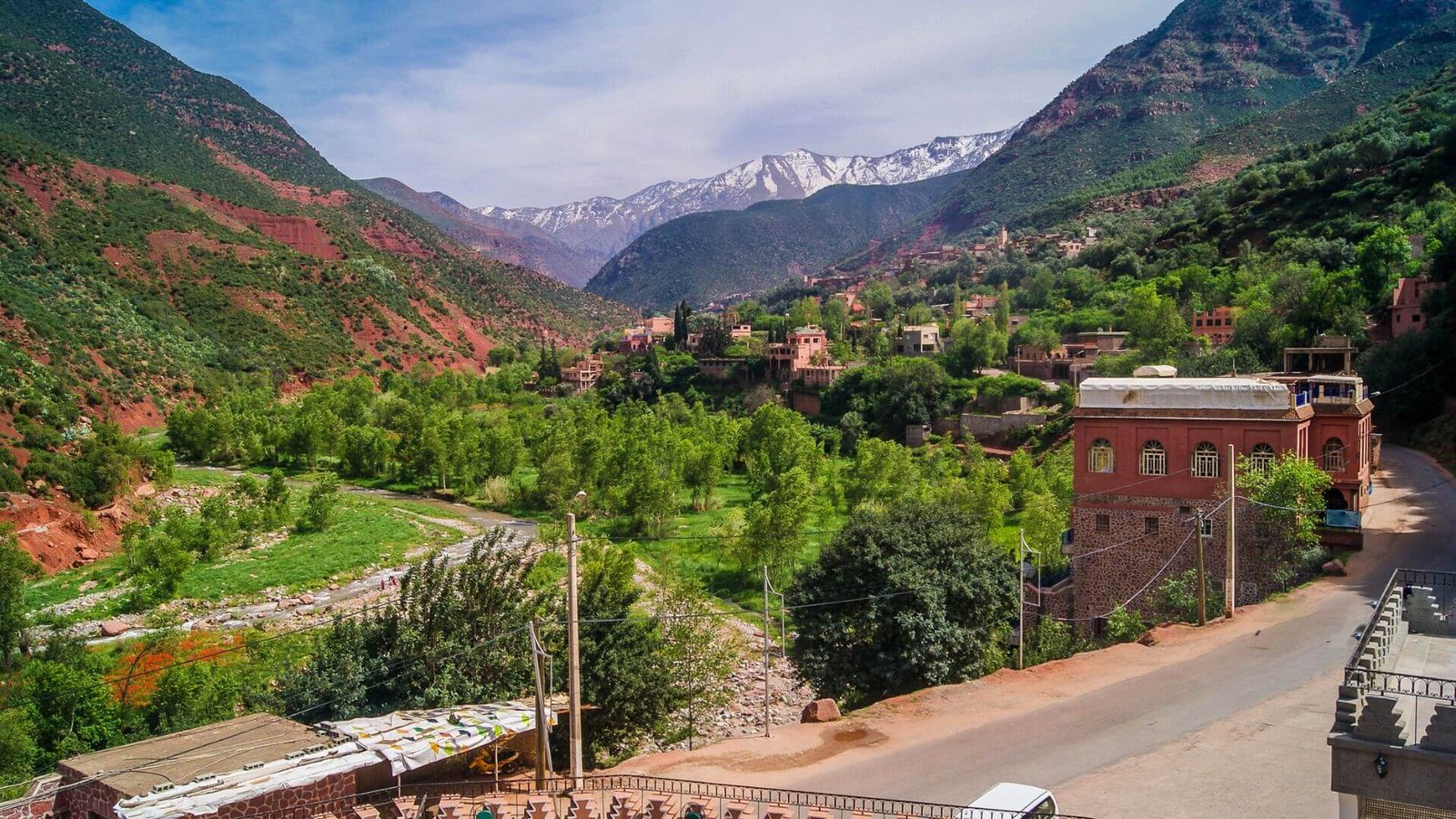
Ourika Valley — a river, terraced fields, and seven waterfalls, forty-five minutes from the Medina: the closest the city gets to silence
Ourika Valley Day Trip: Quick Overview
-
Distance from Marrakech
~30–35 km
-
Travel Time
45–60 minutes each way
-
What to Expect
Waterfalls, mountain scenery, local villages
-
Ideal Duration
Half-day to full-day trip
-
How to Get There
Private driver, guided tour, taxi, or self-drive
-
Best For
Nature lovers, families, photography, short escapes from Marrakech
Quick insight: Ourika Valley works best at an unhurried pace — the waterfall hike, a village stop, and a riverside lunch are the three things to build the day around.
Why Visit Ourika Valley?
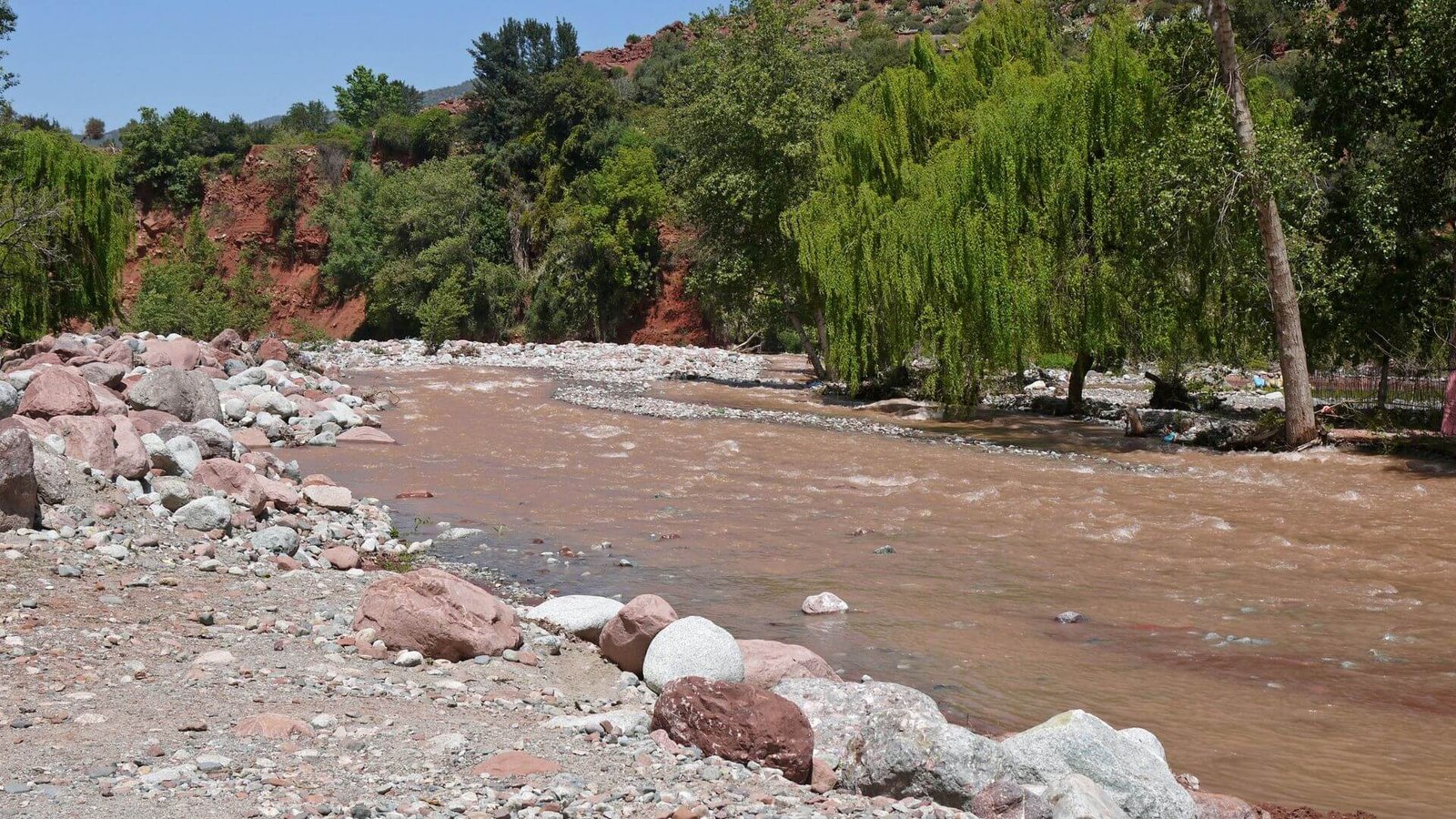
The practical case is simple: the Ourika Valley is forty-five minutes from Marrakech and a genuinely different landscape. Where the city is flat, hot, and built, the valley is hilly, cooler, and green — terraced wheat fields on the slopes, the Ourika river running through the bottom, walnut and olive trees on the banks. After several days in the Medina, the change of environment is immediately felt.
The valley is also one of the few places accessible as a half-day from Marrakech where the primary activity — the waterfall hike at Setti Fatma — is straightforward enough for most fitness levels. Seven cascades are accessible from the village; most visitors reach the first or second, which takes thirty minutes return. The path is rocky and crosses the river on stepping stones, but it’s not technically demanding.
The village communities along the valley road are working Berber agricultural settlements rather than tourism constructions. The weekly markets, the road-side cafés, and the social activity around the river are local rather than staged for visitors. This is one of the qualities that distinguishes the Ourika Valley from more heavily touristed experiences.
- The Setti Fatma waterfalls: the main attraction — a short, manageable hike from the village to the first cascade, with additional cascades for those who want more
- Berber villages: working communities along the valley road, with a weekly market atmosphere that is genuinely local
- The landscape: narrow river valley with terraced agriculture, distinctively different in feel from Marrakech even at forty-five minutes’ distance
- Accessibility: the closest full landscape change available as a day trip from the city — viable as a half-day
Powered by GetYourGuide
Top Things to Do in Ourika Valley
Five things worth planning around, in rough order of priority for a first visit.
Hike to the Setti Fatma Waterfalls
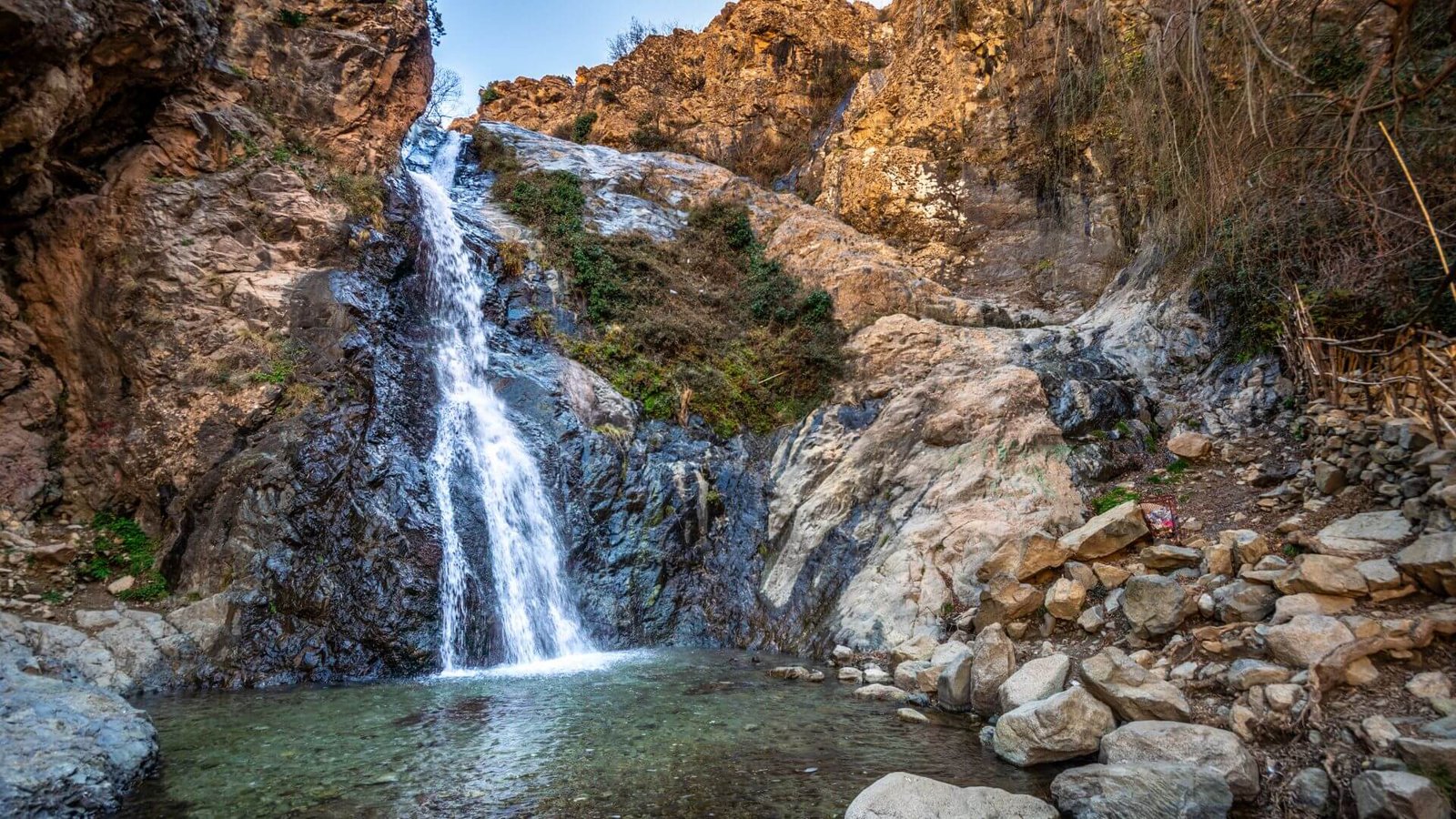
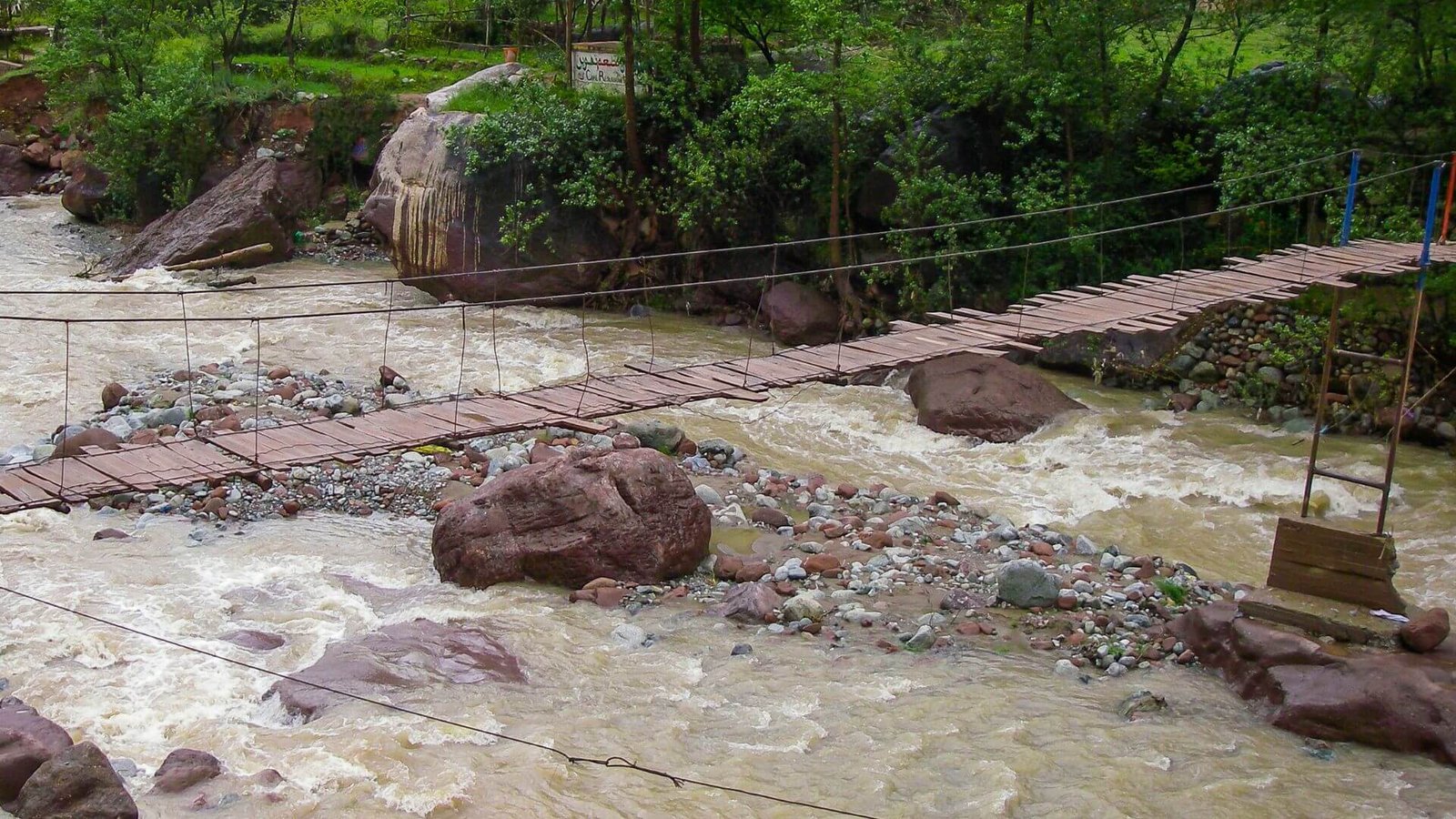
The trail from the end of the paved road at Setti Fatma village to the first waterfall takes about thirty minutes in each direction on a path that crosses the Ourika river twice via stepping stones. At the first cascade, the water drops into a rocky pool — wide enough to sit beside, cold enough to be refreshing. Six additional cascades are accessible above it; each successive one requires more scrambling. Most visitors reach the first two. The path is uneven and slippery after rain; closed shoes with grip are necessary. A small fee may be requested by local guides offering assistance at the crossing points — this is normal and appropriate to accept.
Explore Berber Villages Along the Route
The road from Marrakech to Setti Fatma passes through a series of villages — Aghbalou, Tindouf, Ourika itself — each with its own character and pace. These are working agricultural communities: terraced fields on the slopes above, irrigation channels running beside the road, women selling produce from roadside stalls. The most interesting stops are not at named “viewpoints” but at the quieter sections of road between the main tourist stops where local life is most visible. The weekly market at Aghbalou (typically Mondays) is worth timing the trip around if it falls on a visit day.
Walk Along the River and Olive Groves
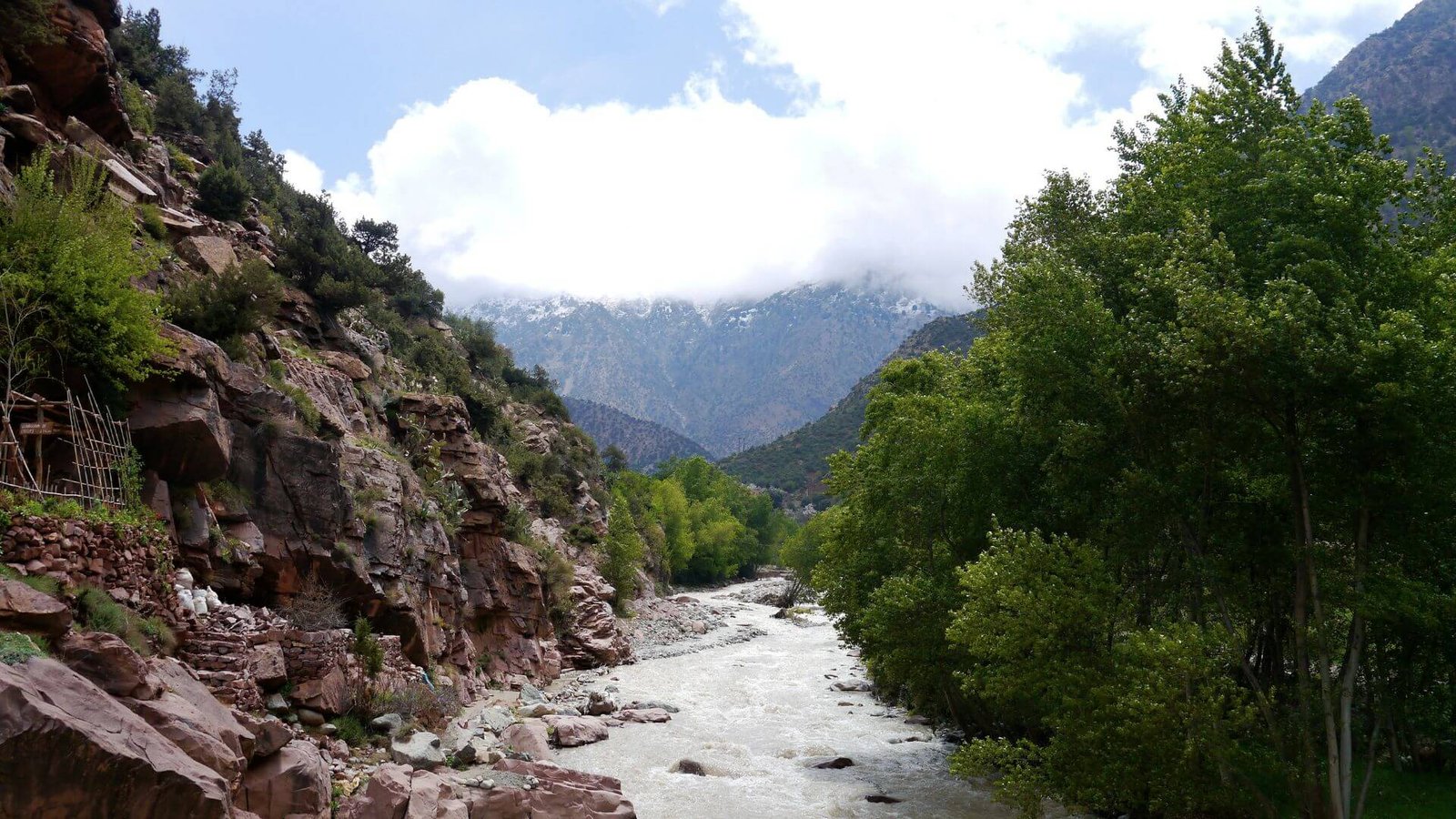
The Ourika river runs along the valley floor for the full length of the drive, and several sections have informal paths alongside it that are worth stopping for. The most accessible are near the main riverside café clusters, where paths continue upstream for several hundred metres through olive groves and along the bank. These walks are flat and easy; they work well as the activity between the waterfall hike and lunch.
Stop at a Riverside Café
The valley has a well-established circuit of riverside cafés — some with terraces built directly over the water, others set back in gardens. Mint tea, fresh orange juice, and simple tagine are the standard menu. These cafés are not tourist constructions; they serve the Marrakech families who use the valley as a weekend escape as well as visitors. Lunch at a good riverside café is one of the reliable highlights of the trip. Look for cafés with local clientele rather than tour group tables.
Browse Local Crafts at Roadside Stalls
Along the main valley road and at the entrance to Setti Fatma, vendors sell Berber textiles, ceramics, and basketwork. The selection is genuine local craft rather than imported souvenir stock. Prices are negotiable. This is a less pressured environment than the Marrakech souks — worth a look even if buying is not the intention.
Pro tip: The waterfall hike is better in the morning when the light comes over the ridgeline into the valley. The riverside cafés are most atmospheric at lunch when the local lunch crowd arrives. Structure the day around these two anchor points and fill the rest with whatever the valley offers.
How to Visit Ourika Valley from Marrakech
Three practical options. Ourika is the most accessible of the four day trips from Marrakech — all transport formats work here.
Guided Tour
Half-day and full-day guided tours from Marrakech cover the Ourika Valley as a standalone destination or combined with nearby Atlas stops. A guide is included and typically covers the Setti Fatma waterfall hike, a village stop, and lunch at a riverside café. The itinerary is fixed and the group pace applies. The main advantage is that the guide provides context — what the terraced agriculture means, how the irrigation system works, what the different villages specialize in. For a first visit, this adds genuine value.
- Pros: No logistics, local context, everything included
- Cons: Fixed schedule, group pace
- Best for: First-time visitors, anyone who wants context alongside scenery
Private Driver
A private vehicle with a driver gives the same coverage with a flexible schedule. You can spend longer at the waterfalls, stop at any village along the road, and return whenever you choose. The cost differential from a guided group tour is modest when split between two or three people. This is the most practical option for anyone who wants to explore the valley road rather than follow a fixed route.
- Pros: Flexible timing, stop wherever you want, adaptable itinerary
- Cons: Higher per-person cost than group tour
- Best for: Couples, families, anyone wanting flexibility
Self-Drive
The road from Marrakech to Setti Fatma is straightforward — the main R210 road south through the valley is paved throughout and well-signposted. The drive takes forty-five minutes to an hour depending on traffic out of the city. Parking at Setti Fatma is available near the end of the road but limited on busy summer weekends. Self-drive is the right choice for anyone already renting a vehicle and comfortable driving in Morocco.
- Pros: Full independence, lowest cost if already renting a car
- Cons: Parking limited at Setti Fatma on weekends; city traffic on the way out
- Best for: Confident drivers, anyone already renting a vehicle
Recommendation: For a first visit, the choice is between a guided group tour (context, convenience) and a private driver (flexibility, comparable cost for two). Self-drive is practical for anyone comfortable with Moroccan road conditions. All three formats work well for Ourika — it’s an easier destination than the Atlas Mountains or Essaouira in terms of navigation.
Perfect Ourika Valley Day Trip Itinerary
Two itineraries — one for a half-day, one for a full day. The waterfall hike and a riverside lunch are the two fixed points; everything else adjusts around available time.
Half-Day Itinerary (Morning)
- 08:30 — Depart Marrakech
- 09:15 — Arrive at a village stop along the valley road; short walk through the village
- 10:00 — Continue to Setti Fatma
- 10:15 — Begin waterfall hike (first cascade: 30 min return; second cascade adds 20 min)
- 11:30 — Riverside café for mint tea or juice
- 12:00 — Begin return to Marrakech
- 13:00 — Back in Marrakech
Works as an add-on to a Marrakech morning or as a standalone light day. Back in the city for a full afternoon.
Full-Day Itinerary
- 08:30 — Depart Marrakech
- 09:15 — First stop: village along the valley road (the area around Aghbalou if it’s a Monday market day; otherwise any quiet village section of the road)
- 10:00 — Continue to Setti Fatma
- 10:15 — Waterfall hike (first two cascades; allow ninety minutes including rest time at the top)
- 11:45 — Walk along the river downstream from the village
- 12:30 — Lunch at a riverside café (allow ninety minutes)
- 14:15 — Browse roadside craft stalls on the return
- 15:00 — Second village stop or additional valley walk
- 16:00 — Depart for Marrakech
- 17:00 — Back in Marrakech
The full day is genuinely more satisfying than the half-day — the valley rewards a slower pace and the extra time allows lunch at the right hour rather than rushing.
Pro tip: The single most important variable is leaving Marrakech before 9am. The valley road gets busy with day-trippers from mid-morning on weekends; arriving early means a quieter waterfall hike and better lunch timing at the riverside cafés.
Best Time to Visit Ourika Valley
The Ourika Valley is accessible year-round. The seasonal differences are meaningful for planning the waterfall hike specifically.
- Spring (March–May): The best time for the waterfall hike. Snowmelt from the High Atlas runs through the valley in full volume through April and May — the Setti Fatma cascades are at their most dramatic and the valley is fully green. Wildflowers on the slopes. Temperatures are comfortable for walking. Recommended.
- Summer (June–August): The valley is cooler than Marrakech (approximately 5–8°C lower) and is where city families come to escape the heat — which means it gets busy on weekends. The waterfalls are lower after the dry season. Good for the riverside café experience and the village atmosphere; less good for dramatic waterfall photography.
- Autumn (September–November): The crowds reduce, the temperature is comfortable for walking, and the terraced fields are in harvest. The waterfalls pick up again after autumn rains in October and November. A good balance of conditions.
- Winter (December–February): The valley is quieter than any other season. The waterfalls can be strong after winter rain. The surrounding ridgelines have snow from December, which provides a different visual context. Temperatures are cool but manageable with a mid-layer.
Pro tip: Morning arrivals are better than afternoon arrivals regardless of season — the light in the valley comes over the ridgeline in the morning, and the waterfall path is less crowded. Aim to start the hike before 11am.
Top recommendation: Spring for the waterfalls at their best. Autumn for a quieter, equally pleasant experience. Avoid summer weekends if solitude is a priority.
Practical Tips for Your Ourika Valley Trip
- Footwear for the waterfall hike is non-negotiable. The Setti Fatma trail involves river crossings on stepping stones and rocky paths that are slippery when wet. Closed shoes with grip — trainers at minimum, hiking boots if you have them. Sandals cause falls.
- Bring a light jacket. The valley is cooler than Marrakech, particularly in the morning and in the shade of the canyon above Setti Fatma. A layer that packs small is the most useful thing to bring.
- Carry water for the hike. The valley has riverside cafés but not trail-side water sources. A litre per person is the minimum for the waterfall hike and any additional walking.
- Cash for small transactions. The riverside cafés, the craft stalls, and any local guide assistance at the river crossings are cash only. 200 dirhams per person covers a comfortable lunch and incidental costs.
- Protect camera lenses near the waterfall. The spray from the first cascade reaches the viewing area and affects unprotected lenses. Keep a cloth accessible and keep lens caps on when not shooting.
- Try the food at a riverside café. The valley’s riverside restaurants serve simple tagine, couscous, and fresh salads at prices lower than comparable Marrakech restaurants. This is the right place to eat rather than bringing food from the city.
- Start the hike before 11am. The narrow path to the waterfalls can become genuinely crowded in summer and on weekends. An early start means a quieter hike and better light in the canyon.
Pro tip: The Ourika Valley is the most relaxed of the four day trips from Marrakech — the logistics are simple, the main activity is accessible to most fitness levels, and the return journey is short enough that there’s no pressure to rush. The main mistake is over-scheduling: pick the waterfall hike, pick a riverside café, and leave the rest to what the valley offers on the day.
Ourika Valley Day Trip FAQ
How far is Ourika Valley from Marrakech?
30–35 kilometres by road, following the R210 south from the city. Journey time is forty-five minutes to one hour depending on traffic leaving Marrakech — weekend mornings can be slower.
Can you visit Ourika Valley in half a day?
Yes. A half-day — departing Marrakech at 8:30am and returning by 1pm — gives enough time for the Setti Fatma waterfall hike (first two cascades) and a riverside café stop. A full day allows a slower pace, a village stop along the road, and a proper lunch.
What is the best time to visit?
Spring for the waterfalls at full volume and the valley at its greenest. Autumn for comfortable temperatures and fewer crowds. Avoid summer weekends if you want a quiet experience. Morning arrivals are better than afternoon regardless of season.
Is it suitable for families?
Yes. The waterfall hike is accessible for children old enough to manage rocky paths and river crossings — supervise at the stepping stone crossings and near the waterfall pool. The riverside cafés and village walks are suitable for all ages. The drive itself is short enough not to be an issue.
How do I get there?
By private driver (most flexible), guided tour (most context, fixed schedule), self-drive (most independent, straightforward road), or grand taxi from Bab er Rob in Marrakech (negotiated price, cheapest option). All four formats work for Ourika Valley.
Do I need special equipment for hiking?
Closed shoes with grip are necessary for the waterfall path — the trail is uneven and the stepping stone crossings are slippery. Hiking boots are better but not required for the first two cascades. For the higher cascades, proper hiking footwear and more fitness are needed.
Explore More Day Trips from Marrakech
Ourika is the closest day trip from Marrakech. These guides cover the three others and the city’s main experiences.
-
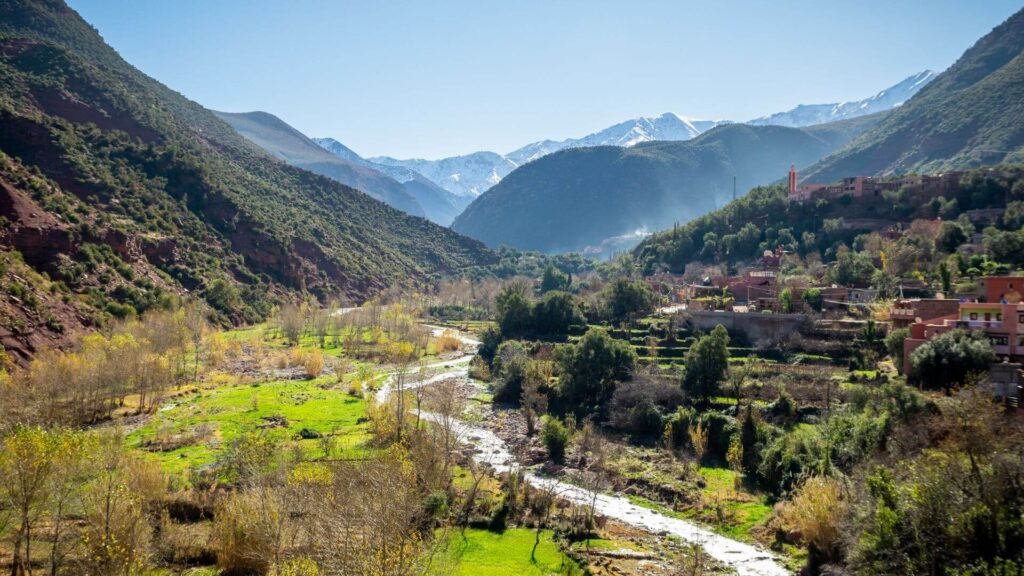
Atlas Mountains Day Trip
Imlil valley, High Atlas trails, and Berber village culture — longer drive, more dramatic landscape
-
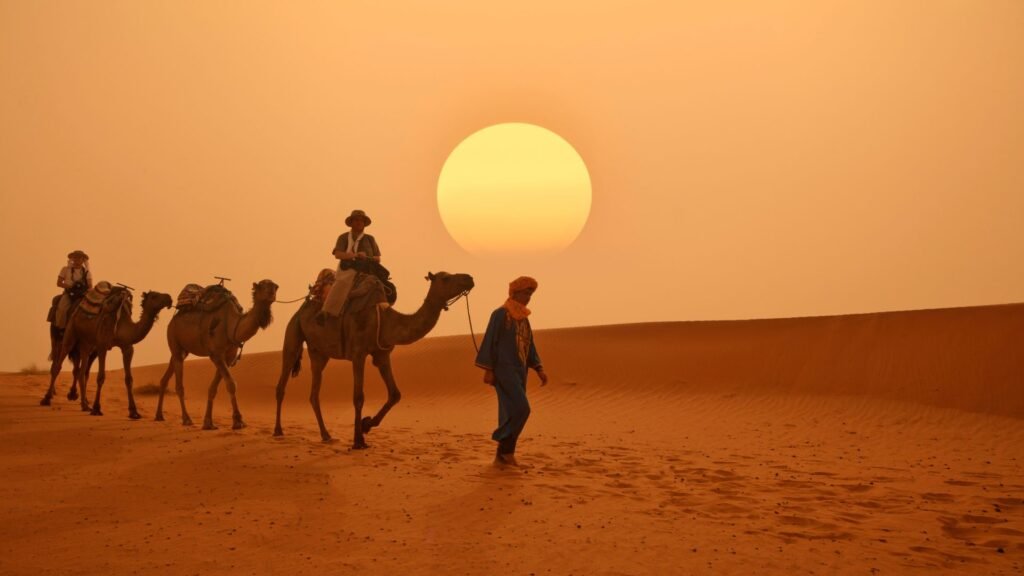
Sahara Desert Tours
Two to four days south — sand dunes, desert camp, and the route through Aït Ben Haddou
-
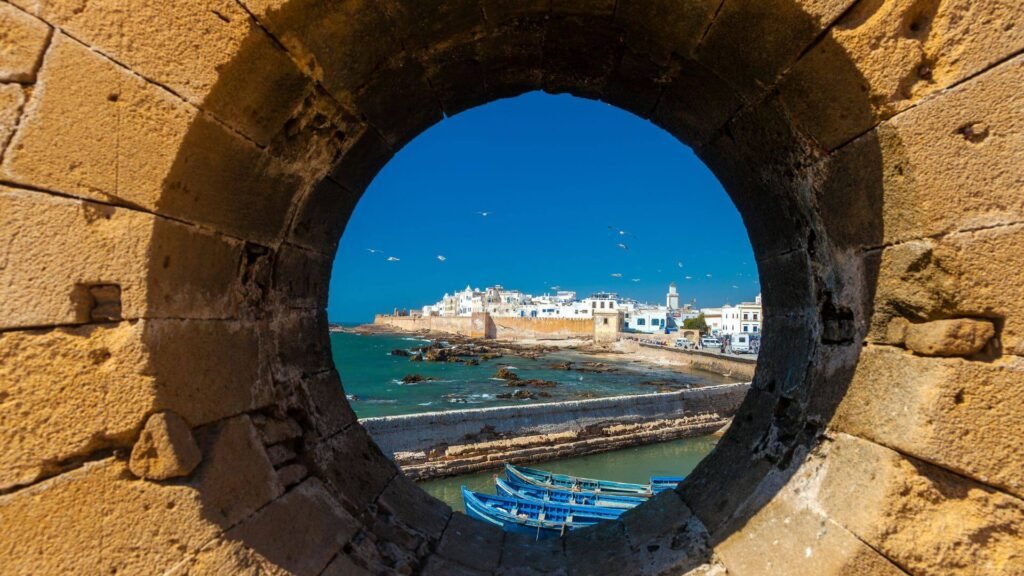
Coastal Escape to Essaouira
Atlantic coast, UNESCO medina, fresh seafood at the port — two and a half hours west
-
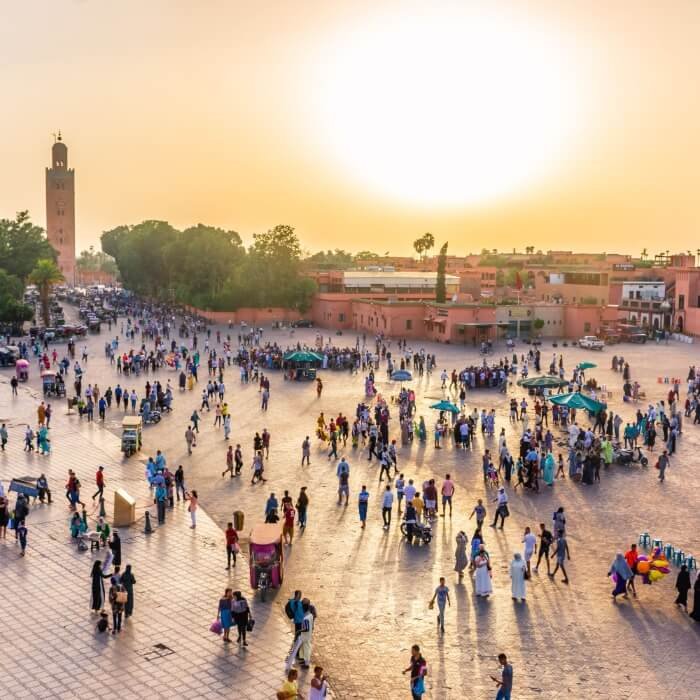
Top 20 Things to Do in Marrakech
The city's essential experiences for the days between excursions
-
2-Day Marrakech Itinerary
A structured two-day city plan that fits an Ourika half-day
Final Thoughts on Your Ourika Valley Day Trip
The Ourika Valley is the right answer when the question is “where can I go for a half-day that will feel genuinely different from Marrakech?” The drive is short, the waterfall hike is manageable, and the riverside lunch at a good café with the river below and the valley walls above it is one of the more pleasant meals available near the city.
It’s not the Atlas Mountains at depth, and it’s not Essaouira’s coastal character. It’s a river valley forty-five minutes from a major city, which is exactly what it promises: a change of landscape, a different temperature, a slower pace, and a return by mid-afternoon. That’s enough.
For the full picture of what to do in and around Marrakech, the Marrakech travel guide is the right starting point before planning which day trips to combine.
 Marrakist Concierge