
Connectivity resolved, the remaining logistics cover the physical and financial preparation for the trip. These four guides address the areas that most directly affect day-to-day experience in Morocco.
Best SIM Card & Internet in Morocco
For most travellers, the fastest way to get connected in Morocco is a local SIM card bought on arrival. Morocco’s three operators — Maroc Telecom, Orange Morocco, and Inwi — all offer tourist-facing prepaid plans from approximately EUR 5–20 for 5–20 GB of data, valid for 7–30 days. All three are sold at the Marrakech Menara and Casablanca Mohammed V airport kiosks; activation requires a passport and takes 10–15 minutes.
Want internet before you land? Skip the airport queue and activate your data plan before departure with an eSIM.
Get your Morocco eSIM from Airalo (instant activation, no physical SIM required)
- Local SIM
- €5–20 for 5–20 GB — airport kiosk, 10–15 min, passport required
- Roaming
- €5–15/day with EU carriers — a local SIM pays for itself in one day
- 5 GB
- enough for a 3–5 day city trip // 10–15 GB for desert & mountain excursions
- Maroc Telecom
- best rural coverage — the right choice if you're leaving the city
Stay Connected in Morocco: Your Complete SIM & Internet Guide
Mobile data in Morocco is inexpensive, widely available, and genuinely useful from the first hour — the Marrakech Medina’s alley structure is not navigable by memory, and Google Maps requires live data to be useful in the enclosed souk environment. The question is not whether to get a local SIM but which provider suits your itinerary and whether a physical SIM or eSIM better fits your phone and travel pattern.
This guide covers the three Moroccan operators and their plans, where to buy (airport versus in-city versus pre-departure), the eSIM option and when it makes more sense than a physical card, and the specific mistakes worth avoiding.
Insider insight: The difference between Maroc Telecom and the other two operators matters most if you’re planning Atlas Mountain or Saharan excursions — in Marrakech and the other major cities, all three perform equivalently.
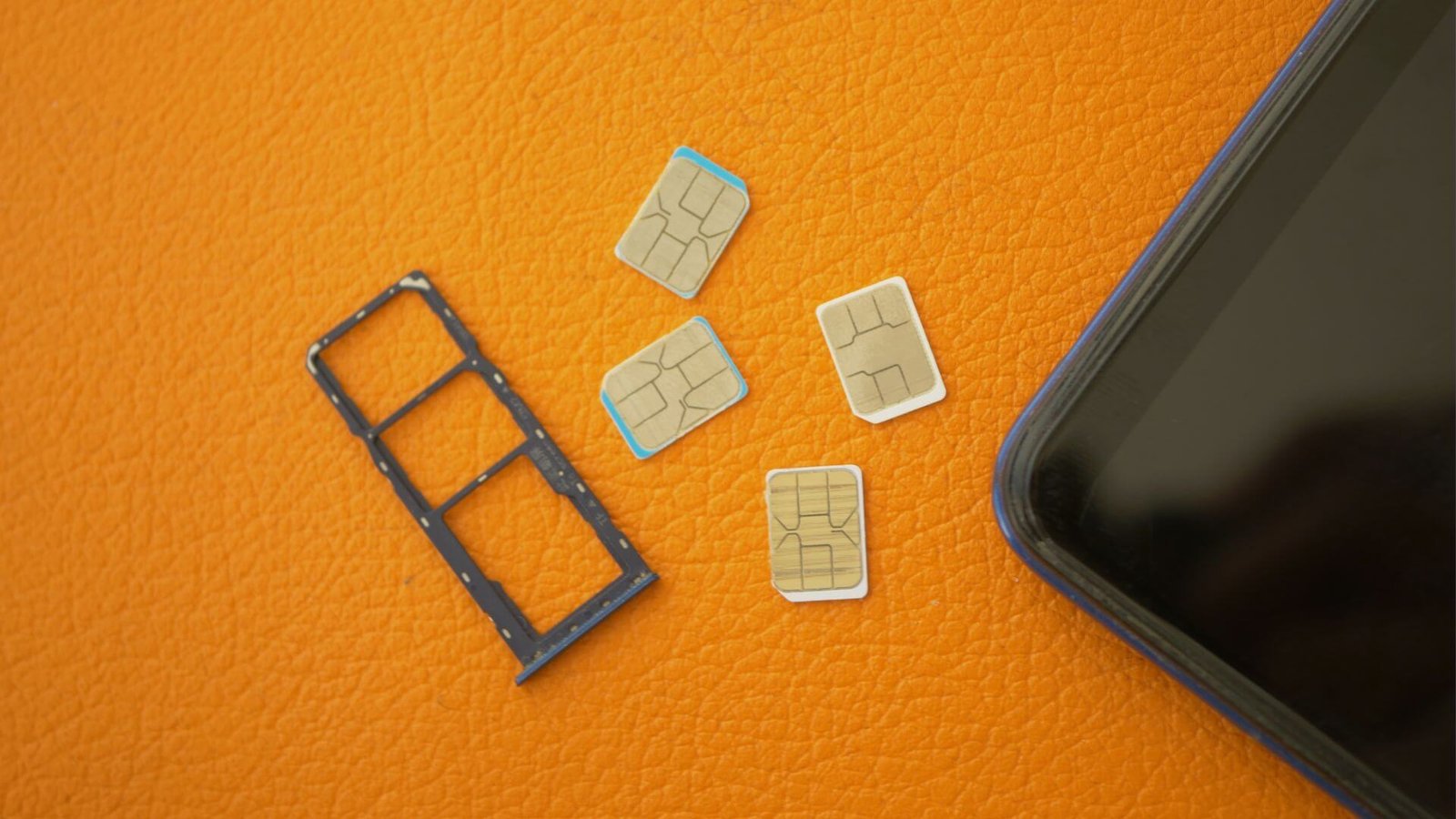
Morocco SIM card — buy at the airport, insert before you reach the taxi, and navigate the Medina from minute one: local data is inexpensive and the Medina's alleys are not navigable without it
Where to Buy SIM Cards & How to Activate
SIM cards are available at several points in Morocco. The most practical for most travellers is the airport kiosk on arrival — it provides connectivity before you reach your riad and eliminates the need to find a shop in an unfamiliar city.
- Airports: The Marrakech Menara and Casablanca Mohammed V airport arrivals halls have official kiosks for all three operators. Maroc Telecom’s kiosk at Menara is consistently the most staffed and has the shortest wait times. The 10–15 minute process (passport registration, SIM insertion, plan selection, test) is completed before you collect your luggage in some cases.
- Mobile shops: Every Moroccan city has dedicated operator stores — Maroc Telecom (identifiable by its orange-and-green branding), Orange, and Inwi. In-city stores typically offer a wider range of plan options than airport kiosks and staff can configure the phone if needed.
- Online: Some providers offer pre-ordered SIMs for hotel pickup; this is rarely necessary given the airport kiosk availability, but works for travellers arriving at unusual hours.
- Hotels & riads: Some accommodations stock SIMs, typically Maroc Telecom. Convenience pricing applies; expect to pay 20–30% more than at the operator’s own kiosk.
Activating Your SIM Card
Activation is immediate with a valid passport. The process:
- Present your passport for registration — required by Moroccan telecommunications law for all SIM purchases.
- Insert the SIM card into your unlocked phone (confirm your phone is SIM-unlocked before departing if not using your home carrier’s SIM).
- Follow the operator’s setup instructions or have the staff configure the APN settings if your data doesn’t activate automatically.
- Select or purchase a prepaid data plan — most tourist-facing options are 7, 14, or 30-day packages.
- Restart the phone and confirm connectivity by loading a map or browser page.
Pro tip: Keep the SIM packaging card (which contains the SIM serial number) until you leave Morocco. If you need to top up via the operator’s app or troubleshoot a registration issue, the serial number is required.
Top SIM Providers, Plans & Costs in Morocco
Morocco’s three operators cover the country at comparable quality in major urban areas. The differences that matter for a tourist are coverage in remote areas and plan pricing structure.
1. Maroc Telecom
- Coverage: The most extensive nationwide network, including the pre-Saharan desert zones, Atlas Mountain valleys, and rural Atlantic coast areas where Orange and Inwi coverage drops.
- Data Plans: 5 GB–20 GB for approximately EUR 5–20, valid 7–30 days. Plans are clearly labelled at the airport kiosk; staff speak functional English.
- Best For: Travellers whose itinerary includes the Agafay desert, Atlas Mountain day trips, Saharan excursions, or any destination significantly outside a major city. The coverage difference in remote areas is material.
2. Orange Morocco
- Coverage: Excellent in Marrakech, Casablanca, Fès, Essaouira, and the main tourist corridors. Coverage degrades in remote areas at a steeper rate than Maroc Telecom.
- Data Plans: 5 GB–15 GB for approximately EUR 5–15, valid 7–30 days.
- Best For: City-focused travellers whose itinerary stays within the major urban centres and developed coastal areas.
3. Inwi
- Coverage: Solid in Marrakech and other major cities; limited outside them. The weakest rural coverage of the three operators.
- Data Plans: 5 GB–15 GB for approximately EUR 4–15, valid 7–30 days. Often the cheapest plan for equivalent data volume in urban areas.
- Best For: Short urban stays or budget-conscious travellers who won’t venture far from cities and don’t require rural coverage.
Pro tip: If you’re uncertain about your itinerary at the point of SIM purchase, choose Maroc Telecom. The marginal price difference over Orange or Inwi is small relative to the coverage insurance it provides for unplanned excursions.
Use an eSIM (Fastest & Easiest Option)
If your phone supports eSIM (most phones released from 2019 onward — iPhone XS and later, most recent Samsung Galaxy and Google Pixel models), the eSIM is the most convenient connectivity option for Morocco.
An eSIM is a software-based SIM profile downloaded to your phone before departure. You purchase and activate it at home, and your phone connects to the Moroccan network the moment it lands. There is no airport queue, no passport registration process at a kiosk, and no need to swap out a physical SIM card.
✅ No need to visit a shop
✅ Keep your home SIM active
✅ Instant activation
The primary practical advantage for Morocco specifically is arrival connectivity: the Medina navigation challenge begins the moment you leave Menara airport, and having maps and WhatsApp active before you reach the taxi rank removes a friction point that a significant number of first-time visitors to Marrakech experience.
Tips & Mistakes to Avoid When Buying a SIM in Morocco
- Don’t rely on roaming: European and North American carriers charge EUR 5–15 per day for Morocco roaming, or apply per-MB charges that make a week of normal phone use cost EUR 50–150 more than a local SIM. A local SIM is the correct choice for any stay beyond 24 hours.
- Check coverage before buying: If your itinerary includes the Atlas Mountains, Agafay desert, Erg Chebbi dunes, or the road between Marrakech and Ouarzazate, Maroc Telecom’s rural coverage advantage is real and worth the slightly higher plan cost. Check the operator’s coverage map against your specific itinerary.
- Bring your passport: Moroccan law requires passport registration for every SIM sold. Your home driving licence, national ID card, or other identification is not a substitute. Keep the passport accessible (not packed in checked luggage) for the purchase.
- Top up in advance: The remote areas where coverage matters most are also the areas where you’re least likely to find a top-up point. Purchase a plan with enough data to cover your full trip, including remote excursion days, at the time of SIM purchase.
- Consider an eSIM: If your phone is eSIM-compatible and your home carrier allows eSIM additions (most do), the eSIM is the better option for arrival connectivity and removes the passport registration queue from the airport experience. The trade-off is that eSIM plans are generally sold in larger data packages and cost slightly more than a minimal physical SIM.
- Keep receipts: The SIM registration receipt (which includes your SIM’s ICCID number) is useful if the SIM fails to activate, needs to be re-registered, or requires customer service troubleshooting during the trip.
Insider tip: A 5 GB plan is adequate for a Marrakech city break of 3–5 days with normal navigation, messaging, and social posting use. For a 10–14 day trip that includes desert excursions and Atlas day trips — where downloading offline maps before departing is worth doing — a 10–15 GB plan provides the buffer for offline map downloads and the days where connectivity is intermittent.
Frequently Asked Questions about SIM Cards & Internet in Morocco
Can I use my home SIM card in Morocco?
Technically yes, but the cost makes it impractical for most stays. European carriers typically charge EUR 5–15 per day for Morocco roaming data; North American carriers charge variable per-MB rates that accumulate quickly. A local Moroccan SIM covering 10 GB for EUR 10–15 is the correct economic choice for any trip of more than 24 hours.
Do I need a passport to buy a SIM in Morocco?
Yes. Moroccan telecommunications law requires passport registration for every SIM sold. The passport must be the same document you entered Morocco with. Keep it accessible for the purchase — not packed in a checked bag or stored separately. The registration is completed by the operator’s staff at the point of purchase and takes 3–5 minutes.
Which provider has the best coverage?
Maroc Telecom has the most extensive coverage network in Morocco, including remote desert and mountain areas. Orange Morocco and Inwi are equivalent to Maroc Telecom in the major cities (Marrakech, Casablanca, Fès, Essaouira) but their coverage degrades more steeply outside the urban centres and main tourist corridors. For itineraries that include Atlas Mountain day trips or Saharan desert excursions, Maroc Telecom is the correct choice.
Can I use an eSIM in Morocco?
Yes. Morocco’s operators support eSIM, and third-party eSIM providers (including Airalo) offer Morocco-compatible plans that activate via QR code before departure. The eSIM works on any phone that supports the standard (iPhone XS and later, Samsung Galaxy S20 and later, most recent Pixel models). The eSIM’s main advantage is arrival connectivity — data is active the moment the phone connects to the Moroccan network, with no airport queue required.
How much data do I need for my trip?
5 GB covers a 3–5 day urban trip with normal navigation, messaging, and occasional social posting. 10–15 GB covers a 1–2 week trip that includes desert and mountain excursions, particularly if you’re downloading offline maps for areas with limited connectivity. The marginal cost between a 5 GB and 10 GB plan is typically EUR 3–5 — not worth optimising; take the larger plan.
Plan the Rest of Your Trip to Morocco
-

Complete Morocco Packing List
What to bring for Marrakech's specific combination of climate, culture, and activities — including what the adventure excursions require that a standard city-trip packing list misses
-

Travel Insurance for Morocco
The two Morocco-specific coverage gaps most standard policies miss: medical evacuation from remote areas and activity cover for adventure excursions — with provider recommendations
-

Morocco Visa Guide
Entry requirements by passport nationality, documents to carry at the border, and the 90-day limit — everything needed to confirm your entry status before booking
-
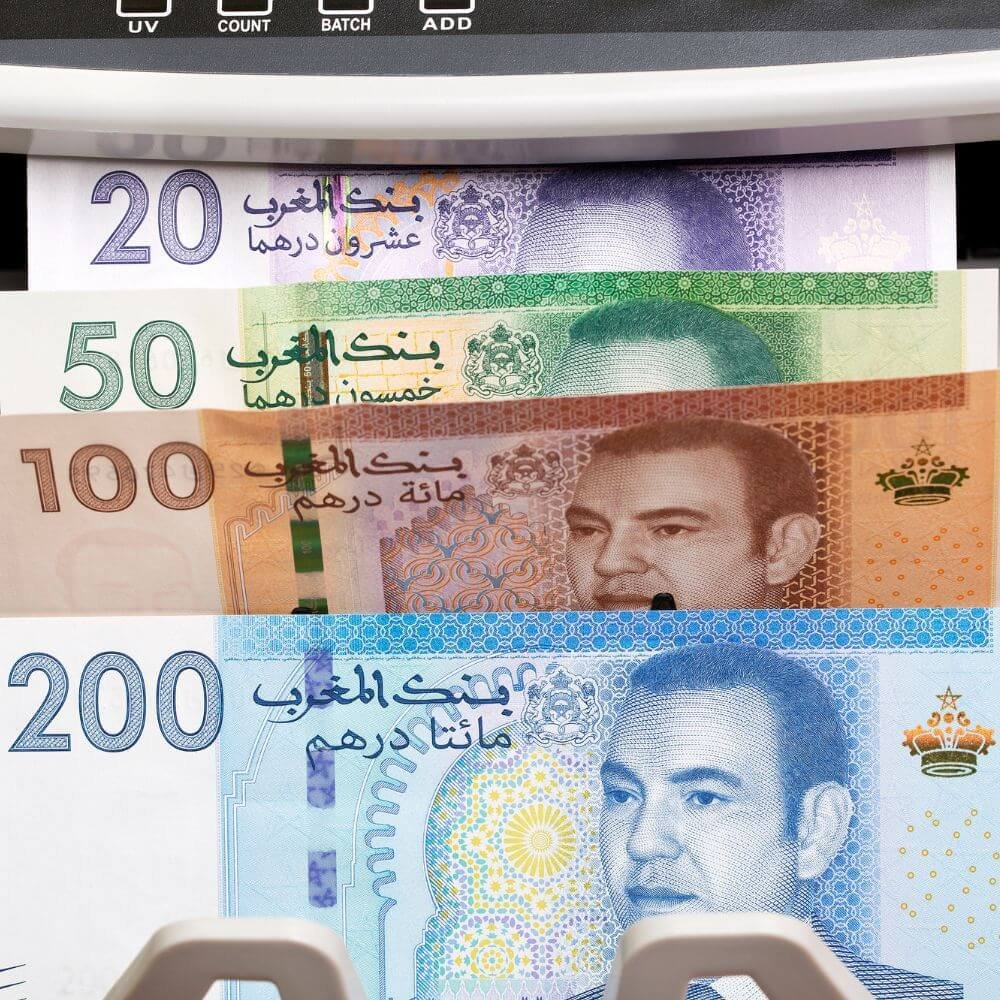
Currency & Tipping Guide
The dirham, where cards work and where they don't, how much to withdraw on arrival, and the tipping conventions across different contexts you'll encounter
 Marrakist Concierge