
Visa resolved, the preparation layer shifts from documentation to logistics and experience. The guides below cover what comes next — where to stay, what to do, and how to structure the time in Marrakech once the administrative work is complete.
Do You Need a Visa for Morocco?
Whether you need a visa to enter Morocco depends on your nationality. Travellers from over 60 countries — including the USA, UK, Canada, Australia, and most of Europe — do not need a visa for stays of up to 90 days. If your country is not on the visa-exempt list, you will need to apply for a tourist visa before departure.
Tip: Even if you’re visa-exempt, your passport must be valid for at least 6 months from your entry date, and border officers may ask for proof of accommodation or a return ticket.
This guide covers which nationalities require a visa, the types available, how to apply, fees, processing times, and the specific mistakes worth avoiding before you travel.
- Visa-free
- up to 90 days for 60+ nationalities — passport must be valid 6 months from entry
- Tourist visa
- $20–$60 USD — apply 3–4 weeks before, not at the last minute
- No visa on arrival
- must be obtained before departure
- EHIC / GHIC
- not valid in Morocco — a separate travel insurance policy is required
Everything You Need to Know About Getting a Morocco Visa
Morocco’s visa rules are less complicated than they appear for most visitors — the majority of European, North American, and Australasian travellers enter without a visa and without documentation beyond a valid passport and basic travel confirmation. The complexity is concentrated at the edges: specific nationalities that sit in a grey zone between visa-exempt and visa-required, overstay rules that aren’t prominently communicated, and the documentation that border officers can technically request even from visa-exempt travellers.
This guide addresses all of it directly. By the end, you’ll know your specific visa status, what to prepare at the airport, what the application process involves if you need one, and what the single most common mistake is at the border.
Table of Contents
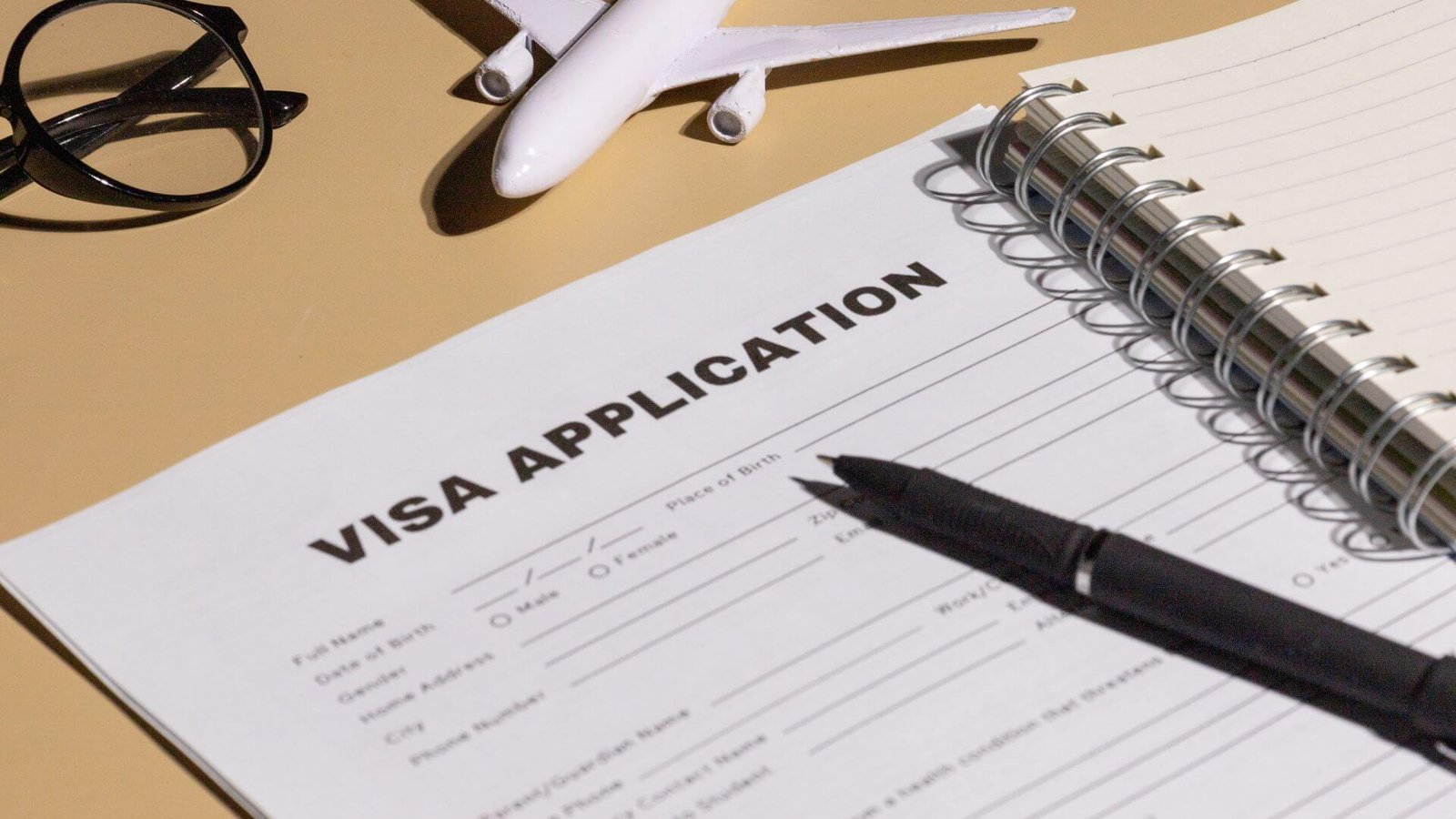
Morocco visa guide — most visitors enter without one, but the 6-month passport rule is checked at check-in before you even board: verify before you book
Visa Requirements by Nationality
Morocco’s visa exemption framework is relatively generous compared to most non-Schengen destinations. The list below covers the primary categories, but as diplomatic agreements can change, always verify your specific passport with the official source before booking.
Visa-Exempt Travelers (Stay up to 90 days)
Citizens of the following countries do not need a visa for stays of up to 90 days. Entry is on presentation of a valid passport, with no pre-arrival application required:
- United States
- United Kingdom
- Canada
- Australia
- European Union countries (Germany, France, Spain, Italy, etc.)
- New Zealand
- Japan
- South Korea
- Gulf countries (UAE, Qatar, Saudi Arabia, etc.)
- And many others — verify your specific passport against the official Moroccan consulate list
Travelers Who Need a Moroccan Visa
Nationals of countries not covered by the visa exemption framework must apply for a tourist visa before departure. This currently includes, among others:
- India
- China
- Russia
- Most African countries not covered by the visa-exempt framework
- Other countries depending on current diplomatic agreements
Tip: Even visa-exempt travellers must carry a passport with at least 6 months validity from the entry date, and border officers may request evidence of accommodation or a return ticket. These requirements are applied inconsistently but exist on paper for every nationality.
For confirmed, current entry status by nationality, consult the official Moroccan consulate website before travel.
Types of Moroccan Visas
For travellers who do require a visa, Morocco offers four main categories. The correct visa type depends entirely on the purpose and planned length of stay.
1. Tourist Visa
The standard visa for leisure travel to Morocco.
Duration: Up to 90 days.
Required documents: Passport valid for 6 months from entry; proof of accommodation (hotel or riad booking, or invitation letter); return or onward ticket; completed visa application form; recent passport-sized photographs.
Processing time: Typically 5–15 working days from submission, depending on the embassy or consulate.
2. Business Visa
For travel to Morocco for professional purposes — meetings, conferences, or site visits.
Duration: Typically 30–90 days.
Required documents: Letter of invitation from a Moroccan entity; passport; completed visa application form; proof of financial means.
Processing time: Approximately 5–10 working days.
3. Transit Visa
For travellers transiting through Morocco en route to a third country without formally entering Morocco.
Duration: Typically up to 24 hours.
Required documents: Passport; onward ticket confirming departure from Morocco; visa application form if required by nationality.
Processing time: Can be issued rapidly at certain consulates for eligible nationalities.
4. Student or Long-Term Visa
For stays beyond 90 days — university study, formal internships, or residency-qualifying stays.
Required documents: Acceptance letter from a recognised Moroccan institution; proof of accommodation; financial means evidence; passport; completed visa application form; recent photographs.
Processing time: 2–4 weeks, sometimes longer depending on the consulate and time of year.
Pro tip: Misidentifying your visa type is one of the most common application mistakes. If the purpose or duration of your stay is non-standard — extended tourism, work-adjacent activities, or long-term stay — consult the Moroccan embassy or consulate in your country before submitting any application.
How to Apply for a Morocco Visa
The Morocco visa application process is a standard in-person embassy procedure for most nationalities. The steps below cover the full sequence; the most common delays occur at Steps 2 and 5.
Step 1: Determine Your Visa Requirement
Check whether your passport requires a visa using the Visa Requirements by Nationality section above. Visa-exempt travellers do not need to proceed further, but should confirm their passport has at least 6 months validity from the planned entry date.
Step 2: Gather Required Documents
The following are required for most visa applications; specific consulates may request additional items:
- Passport with at least 6 months validity and at least one blank page for entry stamps
- Completed visa application form (obtained from the Moroccan embassy or consulate)
- Recent passport-sized photographs meeting the consulate’s specifications
- Proof of accommodation in Morocco (hotel booking, riad confirmation, or invitation letter)
- Return or onward ticket confirming departure from Morocco within the visa validity period
- Financial means evidence (recent bank statement showing sufficient funds for the stay)
Step 3: Submit Your Application
Applications are submitted through:
- The Moroccan embassy or consulate in your country of residence — the standard route for all nationalities
- An official eVisa portal, if your nationality is eligible for online application
Confirm opening hours, appointment requirements, and whether your specific consulate accepts walk-ins or requires pre-booking before attending.
Step 4: Pay Visa Fees
Fees vary by nationality and visa type. The fees section below provides typical estimates. Payment methods differ by consulate and may include cash (local currency), bank transfer, or online payment. Retain the payment receipt as proof of submission.
Step 5: Track and Collect Your Visa
Processing times range from 5 to 15 working days for tourist visas. Some consulates provide an online tracking reference; others require a follow-up call. Collect your stamped passport from the embassy or consulate in person, or arrange documented collection if the consulate permits it.
Insider tip: Embassy processing times are stated minimums rather than guarantees. Applications submitted during public holidays, the peak summer season (June–August), or near Ramadan routinely take longer. Submit 3–4 weeks before departure rather than the minimum required.
Morocco Visa Fees & Processing Times
The fees below represent typical ranges across Moroccan consulates worldwide. The exact amount charged to your nationality may differ slightly; payment methods vary by consulate location.
| Visa Type | Typical Fee | Processing Time | Validity |
|---|---|---|---|
| Tourist Visa | $20 – $60 USD | 5 – 15 working days | Up to 90 days |
| Business Visa | $40 – $100 USD | 5 – 10 working days | 30 – 90 days |
| Transit Visa | $10 – $30 USD | 1 – 5 working days | Up to 24 hours |
| Long-Term / Student Visa | $50 – $150 USD | 2 – 4 weeks | Varies (long stay) |
Fee amounts are affected by bilateral agreements between Morocco and the applicant’s country of nationality; some nationalities pay at the lower end of the range, others at the higher. Check the specific consulate fee schedule for your passport before attending.
Smart tip: The stated processing time is the minimum under normal conditions. Build in 2–3 additional working days for bank processing, public holidays, and seasonal embassy workloads. A visa application submitted on a Thursday for a trip the following Friday has failed more Morocco trips than any documentation issue.
Important: Visa fees and processing times are subject to change. Confirm the current schedule directly with the Moroccan embassy or consulate serving your country before submitting.
Morocco Entry Requirements & Important Rules
Having the correct visa status is necessary but not sufficient for smooth entry. Moroccan border control conducts a standard document check for all arrivals — the process is typically 2–3 minutes for travellers with complete documentation and straightforward travel plans.
The situations below cover the documentation most commonly requested. Most travellers are waved through without incident; the rare cases of delay or refusal almost always involve one of the categories listed.
Passport Validity
- Your passport must be valid for at least 6 months from your date of entry into Morocco. This is checked at check-in by the airline before you board, and again at immigration on arrival.
- At least one blank page is required for the entry stamp; a passport with no blank pages will create problems at immigration regardless of validity.
Proof of Accommodation & Return Travel
- A confirmed hotel reservation, riad booking confirmation, or signed invitation letter from a Moroccan host. A printed or digital copy is acceptable; most officers accept a phone screenshot.
- A return or onward ticket showing departure from Morocco within the permitted stay period. This can be a flight, ferry, or bus ticket to any destination.
Proof of Sufficient Funds
- Border officers may ask for evidence that you can financially support yourself during the stay, particularly for extended visits or for nationalities that border officers have been instructed to check more carefully.
- Acceptable evidence includes a bank card with available funds, a recent bank statement, or cash in a major currency. There is no formally stated minimum amount; 50–100 EUR/USD per day of planned stay is a reasonable working figure.
Length of Stay
- Visa-exempt travellers may remain in Morocco for up to 90 days from the date of entry. The 90-day clock starts at the border entry stamp, not at the start of the Moroccan calendar year.
- Overstaying produces an exit fine and a record on your entry documentation. In more serious cases it can affect future entry. Exit immigration checks departure dates; an overstay is detected on departure even if it was not flagged on entry.
Health & Travel Insurance (Recommended)
- Travel insurance is not formally required for entry into Morocco, but is recommended for the specific coverage gaps that arise: medical evacuation from the Atlas or Saharan regions, activity cover for adventure excursions, and trip cancellation cover for peak-season bookings.
- Standard European travel insurance (including EHIC/GHIC) does not provide cover in Morocco; a separate policy is required.
What actually matters: The large majority of arrivals in Morocco clear immigration in under 5 minutes. The documentation described above is genuinely asked for only a fraction of travellers. Having it prepared and accessible removes the possibility of a problem rather than guaranteeing one.
Important: Entry requirements are subject to change and may differ by arrival point (Casablanca airport versus Marrakech airport versus Tanger ferry, for example). Confirm current requirements with your airline and the Moroccan consulate before departure.
Visa Tips & Mistakes to Avoid (From Real Travelers)
The visa and entry process for Morocco produces surprisingly few genuine problems for well-prepared travellers. The issues that do occur are almost all in the following list — small, avoidable, and identifiable in advance.
- Don’t assume you’re visa-exempt — The visa exemption framework covers the majority of European, North American, and Australasian travellers, but it’s not universal. Check your specific passport, not your general regional assumption, before booking. Rules change with diplomatic agreements and some edge cases (dual nationals, recently renewed passports with new nationalities) are not obvious.
- Check your passport validity early — The 6-month validity rule is enforced at check-in before you board, not just at the Moroccan border. An airline will deny boarding for a passport with less than 6 months remaining; this is the most common avoidable pre-departure problem.
- Apply earlier than you think you need to — Consulate processing times are stated minimums. Peak travel seasons, local public holidays, and staff variations all extend actual processing. A stated 5-day processing time in April can become 12 days in practice. Submit the application 3–4 weeks before departure as a baseline.
- Print key documents — Electronic copies are convenient but not always sufficient. Some border officers specifically request physical copies; airlines with older boarding systems may not be able to verify digital documents. A printed hotel booking and return ticket take seconds to produce and eliminate a category of potential problem entirely.
- Be clear about your travel plans — Immigration officers are checking for clarity and consistency: where are you staying, how long, what are you doing, when are you leaving. Short, direct answers that match your documentation produce smooth crossings. Vague or inconsistent answers produce additional questions.
- Avoid overstaying your visa — The 90-day limit is tracked and enforced on departure. An overstay of even a few days produces a fine and a record that can affect future visa applications and re-entry. If you need longer than 90 days, apply for an extension through the local police authorities (Brigade Touristique) before your initial stay expires.
- Keep things simple — A clear itinerary, confirmable accommodation, and a return ticket are the three things that produce smooth Morocco border crossings for the overwhelming majority of travellers. Unnecessary complexity — unexplained multiple-entry questions, unclear destinations, absent documentation — creates problems where none would otherwise exist.
Insider mindset: Moroccan immigration processes approximately 15 million international arrivals per year. The officers are not looking for reasons to refuse entry — they’re processing travellers quickly. Documents in order, plans clear, answers direct: the process is over in under 3 minutes.

Frequently Asked Questions About Morocco Visas
Do I need a visa to travel to Morocco?
It depends on your passport nationality. Citizens of the US, UK, Canada, Australia, Japan, South Korea, New Zealand, most EU countries, and several Gulf states can enter Morocco without a visa for up to 90 days. Citizens of India, China, Russia, and most other countries require a tourist visa obtained in advance through a Moroccan embassy or consulate. Check the nationality list in this guide or verify directly with the Moroccan consulate for your specific passport.
How long can I stay in Morocco without a visa?
Visa-exempt travellers can stay in Morocco for up to 90 days from the date of entry, as recorded by the border entry stamp. The 90 days cannot be renewed by simply leaving and re-entering Morocco (a practice sometimes called “border running” that Moroccan authorities have historically allowed inconsistently but do not guarantee).
Can I extend my stay in Morocco?
Yes, in principle. Extensions beyond the initial 90-day entry must be applied for through the local police authority (Brigade Touristique) before the original stay expires. Extension approval is not guaranteed and requires documentation of the reason for the extended stay. Applications should be submitted at least 2 weeks before the expiry date to allow processing time.
How long does it take to get a Morocco visa?
Tourist visa processing times typically range from 5 to 15 working days under normal conditions. Business and long-term visas take a similar minimum with more variability. Add 3–5 days to any stated processing time as a buffer, particularly during peak travel seasons (summer, Ramadan, school holidays in the applicant’s country).
What documents do I need to enter Morocco?
All travellers: valid passport with 6+ months remaining validity and at least one blank page. For most straightforward arrivals, nothing further is checked. Officers may additionally request: confirmed accommodation details (hotel booking or riad confirmation), return or onward ticket, and evidence of financial means. Visa holders: the visa and all documentation submitted with the application.
Do I need travel insurance for Morocco?
Not legally required for entry. Strongly recommended in practice for two Morocco-specific risks: medical situations in remote areas (the Atlas Mountains and pre-Saharan regions are several hours from adequate hospital facilities) and activity cover (adventure experiences including quad biking and desert excursions are excluded from many standard policies). European health insurance cards (EHIC/GHIC) do not provide cover in Morocco.
Can I get a Morocco visa on arrival?
No. Morocco does not operate a general visa-on-arrival scheme. Travellers who require a visa must obtain it before departure through a Moroccan embassy, consulate, or official eVisa portal if their nationality is eligible. Arriving at the Moroccan border without the required visa will result in refusal of entry.
Plan the Rest of Your Trip to Marrakech
-

Marrakech Packing List
Climate, culture, and specific experience requirements: what actually belongs in the bag for Marrakech and what the souks will supply at a fraction of the price you'd pay at home
-

Where to Stay in Marrakech
Medina versus Gueliz, riad versus hotel, and the neighbourhood-level differences that affect what kind of trip you'll have — with specific area recommendations
-
Top Things to Do
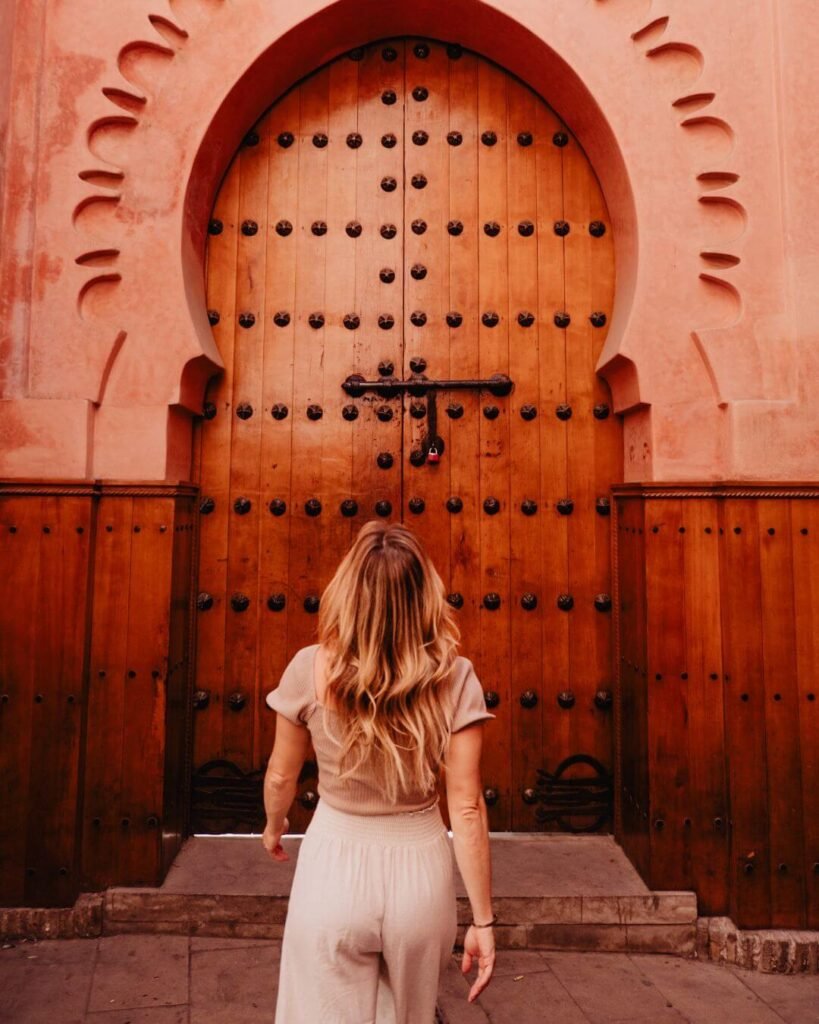
The Medina's major sites alongside the less-obvious experiences that don't appear in the standard guides — and how to prioritise when the list is longer than the trip
-

Best Day Trips from Marrakech
The Atlas Mountains, Agafay desert, Essaouira coast, and Ourika Valley — what each excursion is actually like and which ones are worth a full day versus a half-day
-
3 Days in Marrakech Itinerary
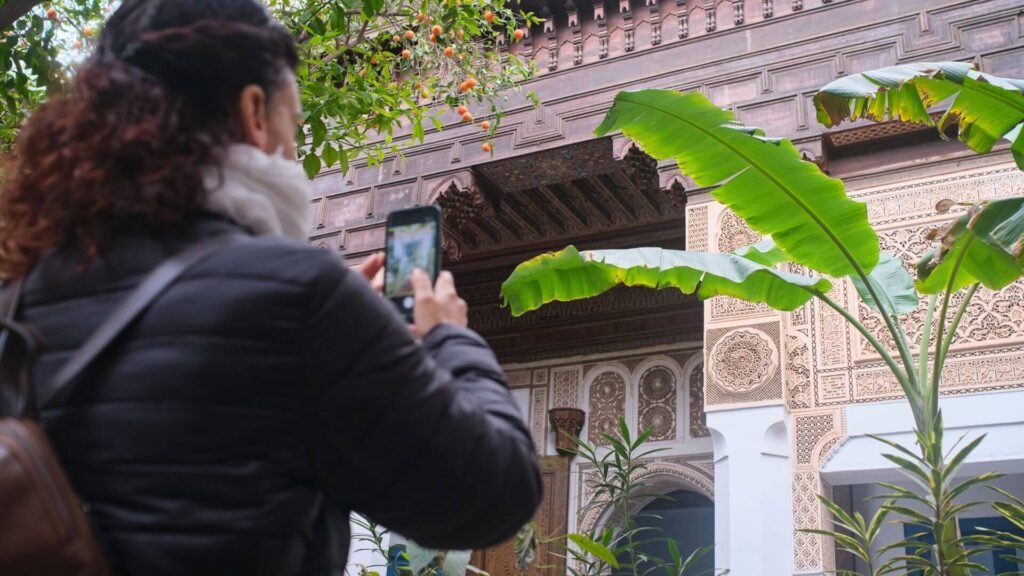
A structured three-day plan covering the Medina's key areas, one experience booking, and the pacing that makes three days feel like five
 Marrakist Concierge