
The key facts before you decide.
Atlas Mountains Day Trip from Marrakech
The Atlas Mountains begin less than an hour south of Marrakech and rise to over 4,000 metres at Jebel Toubkal, the highest peak in North Africa. Within that distance the landscape changes completely: cooler air, quieter roads, walnut orchards and terraced fields replacing the city’s ochre walls and market streets.
A day trip here works at several levels of ambition. The Ourika Valley is accessible and popular, with the Setti Fatma waterfalls as a short hike at the end. Imlil sits at the base of the Toubkal massif and is the starting point for the mountain’s serious trekking routes — but even a two-hour walk from the village gives a genuinely different sense of scale. Ouirgane is the quietest of the three: olive groves, a river, and almost no tourist infrastructure.
This page covers all three, with honest notes on transport, timing, and what each valley actually involves.
- Imlil
- 1,740m altitude — 8–12°C cooler than Marrakech
- Setti Fatma
- 30 min hike each way — 7 cascades, most reach the first two
- Best season
- spring for Ourika // autumn for Imlil & Ouirgane
- Asni market
- Saturdays only — plan your day around it
Powered by GetYourGuide
Quick Navigation
- 1. Atlas Mountains Day Trip: Quick Overview
- 2. Why Visit the Atlas Mountains?
- 3. Which Atlas Mountains Trip Is Right for You?
- 4. Top Things to Do in the Atlas Mountains
- 5. How to Visit the Atlas Mountains (Tour vs DIY)
- 6. Best Atlas Mountains Day Trips from Marrakech
- 7. Sample Itineraries for an Atlas Mountains Day Trip
- 8. Best Time to Visit the Atlas Mountains
- 9. Practical Tips for Visiting the Atlas Mountains
- 10. Atlas Mountains Day Trip FAQ
- 11. Explore More in Marrakech
- 12. Final Thoughts
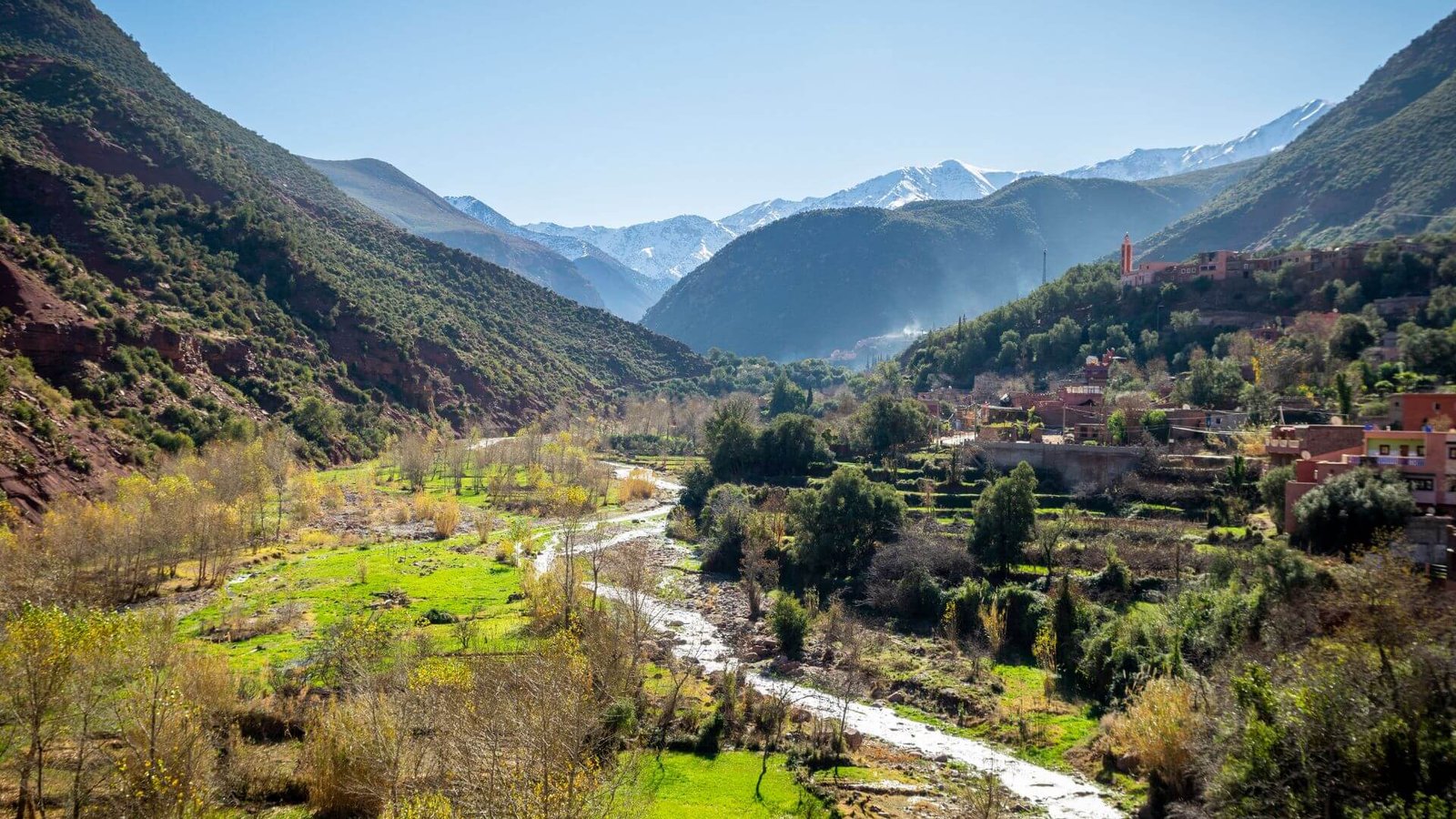
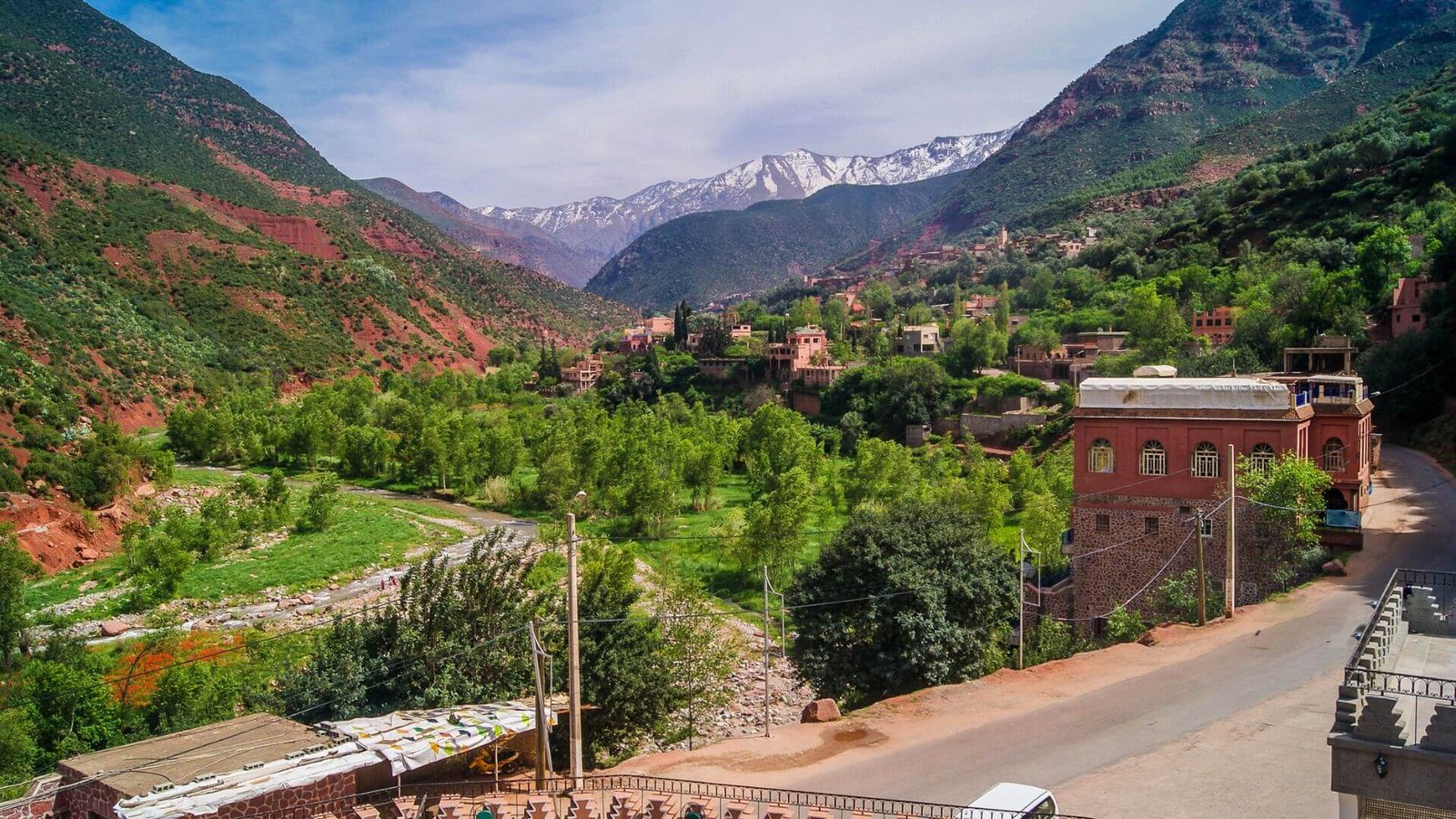
Atlas Mountains — terraced fields, mule trails, snow on the ridgelines: less than ninety minutes from the Medina, a completely different Morocco begins
Atlas Mountains Day Trip: Quick Overview
-
Distance from Marrakech
30 km – 80 km (depending on the valley)
-
Travel Time
About 45 minutes to 1.5 hours
-
Main Areas to Visit
Ourika Valley, Imlil (Mount Toubkal region), Asni & Ouirgane
-
Ideal Duration
Half-day (quick escape) or full-day (recommended)
-
Best For
Nature lovers, light hiking, cultural experiences, photography
-
Getting There
Guided tour, private driver, taxi, or self-drive
Quick insight: For a first visit, a full day combining one waterfall hike and a village stop is more satisfying than trying to cover multiple valleys.
Why Visit the Atlas Mountains?
The practical case is simple: within ninety minutes of one of Morocco’s most intense urban environments, you can be in a Berber agricultural valley that operates on a completely different calendar and rhythm. The contrast is genuinely useful after several days in the Medina.
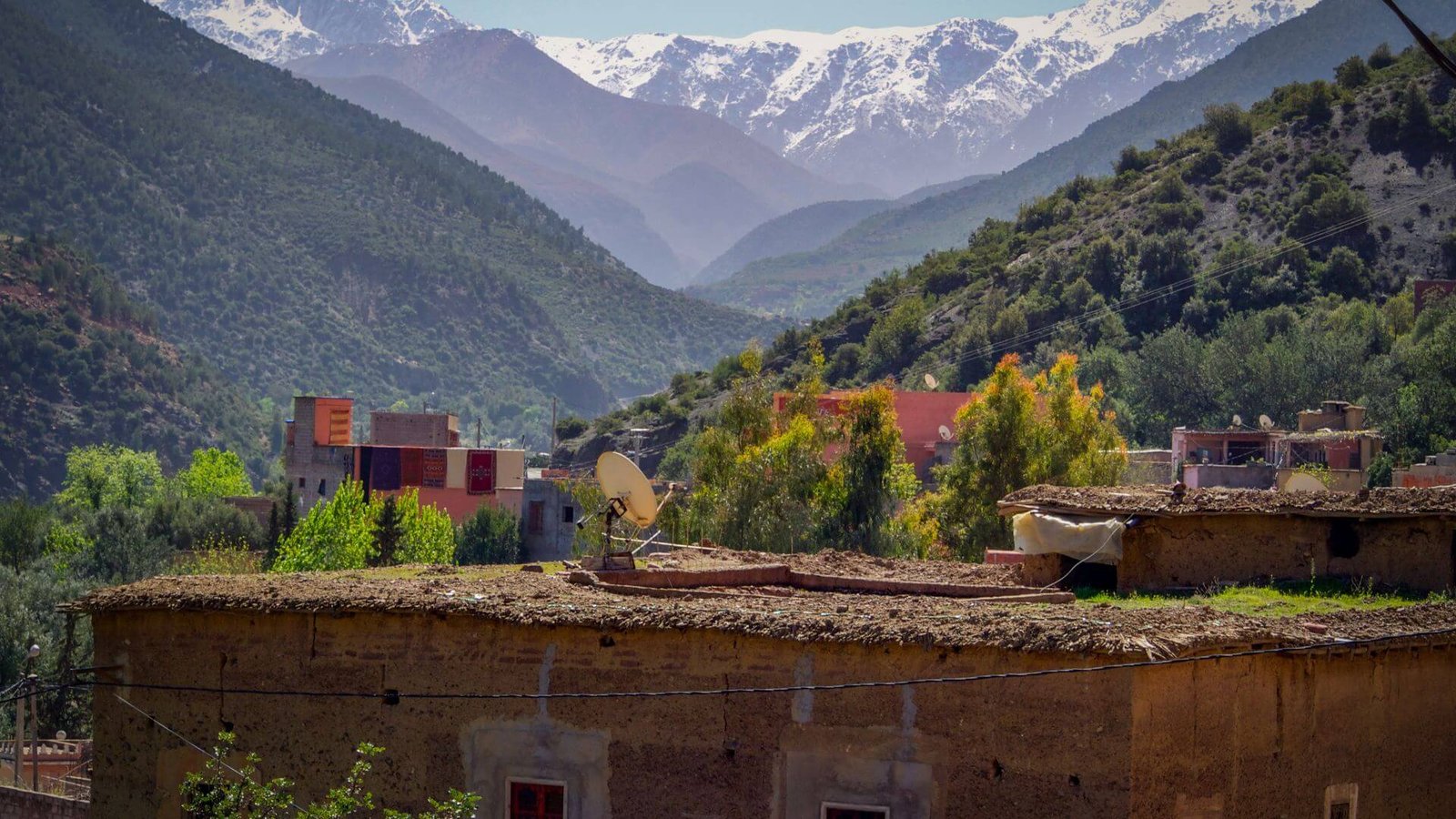
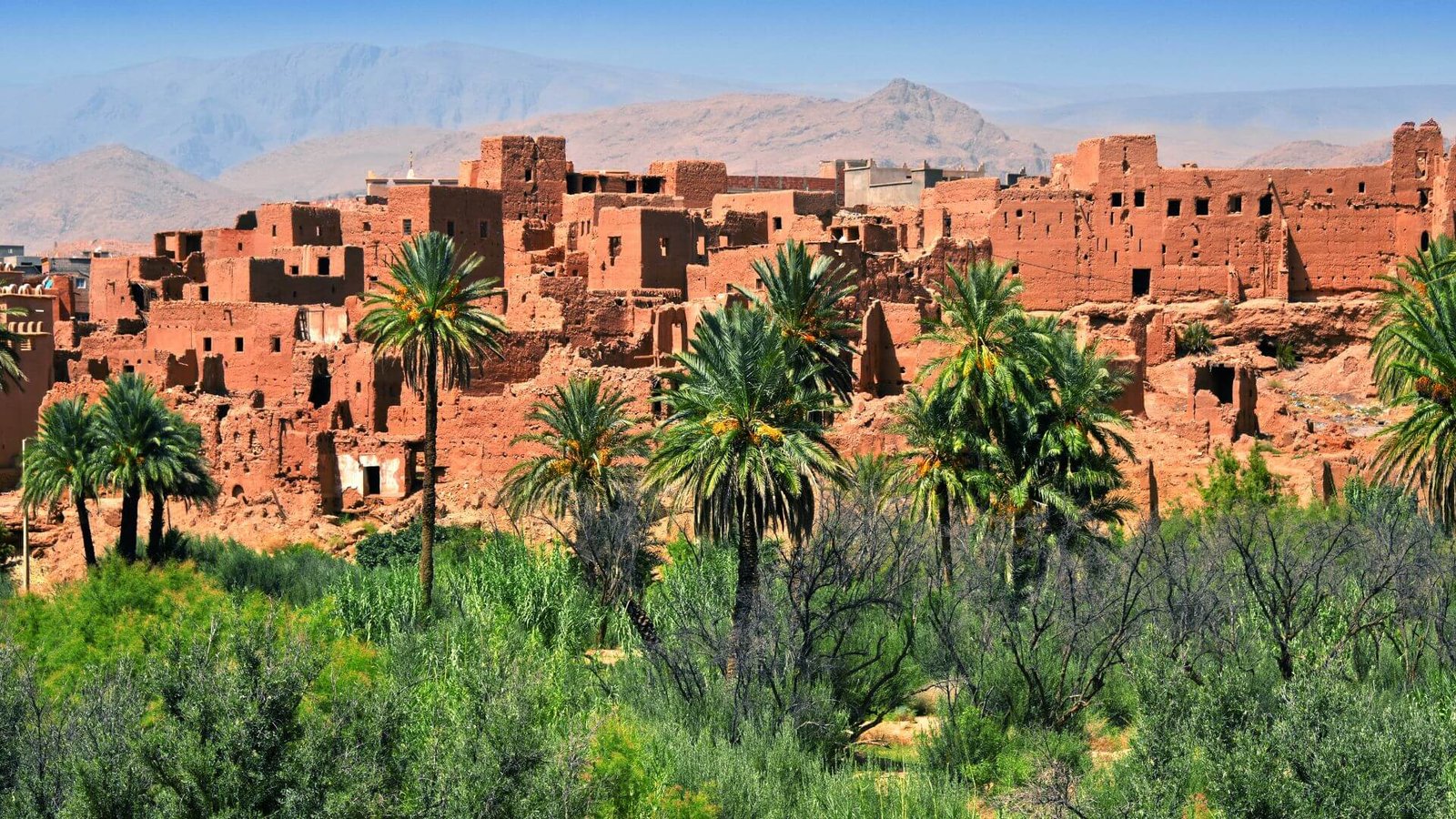
What the Atlas offers beyond scenery is contact with a way of life that’s substantially unchanged from a generation ago. The villages in the Ourika Valley and around Imlil are working communities — terraced wheat fields, mule tracks between houses, communal bread ovens, weekly markets where produce rather than souvenirs is the main trade. This isn’t a performance or a reconstruction. It’s the actual economic and social fabric of a mountain community, and being a respectful visitor in it is a different experience from anything available in Marrakech itself.
The mountains also provide a physically different experience: altitude, cooler temperatures, the sound of running water, views across ridgelines. After the flat, dusty heat of the city, the sensory shift is significant.
- A genuine change of pace: altitude, cool air, and open landscape within an hour of the Medina
- Varied terrain: waterfalls, river valleys, mule trails, and high-altitude viewpoints
- Living Berber communities: weekly markets, terraced agriculture, and mountain hospitality that isn’t staged for visitors
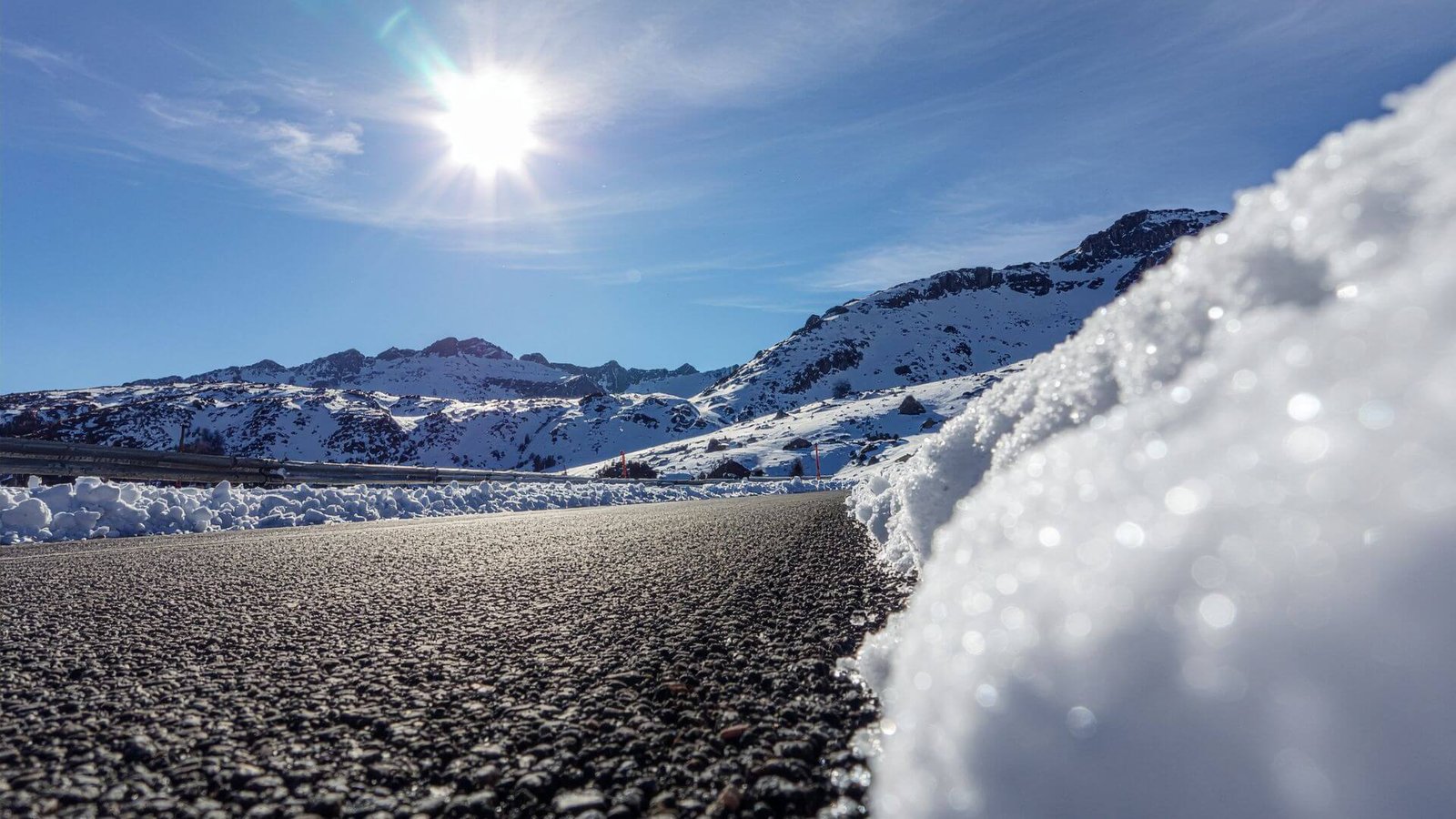
- Strong photography: the light in the Atlas foothills is distinctive — early morning mist in the valleys, snow on the ridgelines from November to April
Which Atlas Mountains Trip Is Right for You?
The three main areas accessible as day trips from Marrakech are genuinely different from each other. Choosing between them matters more than choosing between tour operators.
Ourika Valley — The Classic First-Time Experience
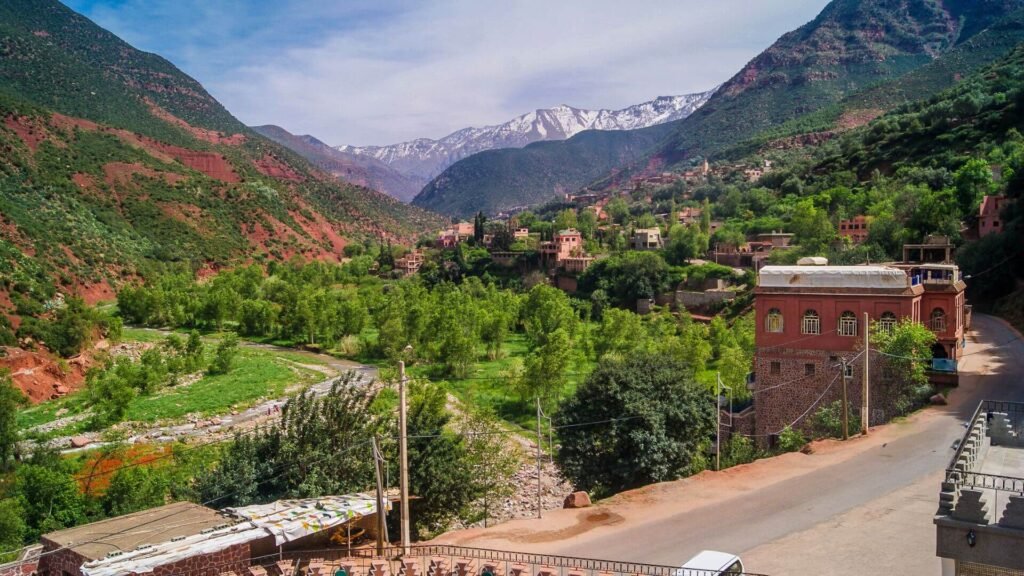
The most visited and the most straightforward. The road from Marrakech follows the Ourika river south through a widening valley, passing a series of roadside restaurants and craft stalls before narrowing at the village of Setti Fatma. From there, a rocky thirty-minute path leads to the first of seven waterfalls — the one most visitors reach. The valley is reliably green through spring and summer, and the hike to the waterfall is manageable for most fitness levels.
It gets busy on weekends and during summer, particularly at Setti Fatma itself. Arrive early or visit mid-week for a more relaxed experience.
Best for: First-time visitors, families, anyone who wants waterfalls and a village lunch without complex logistics.
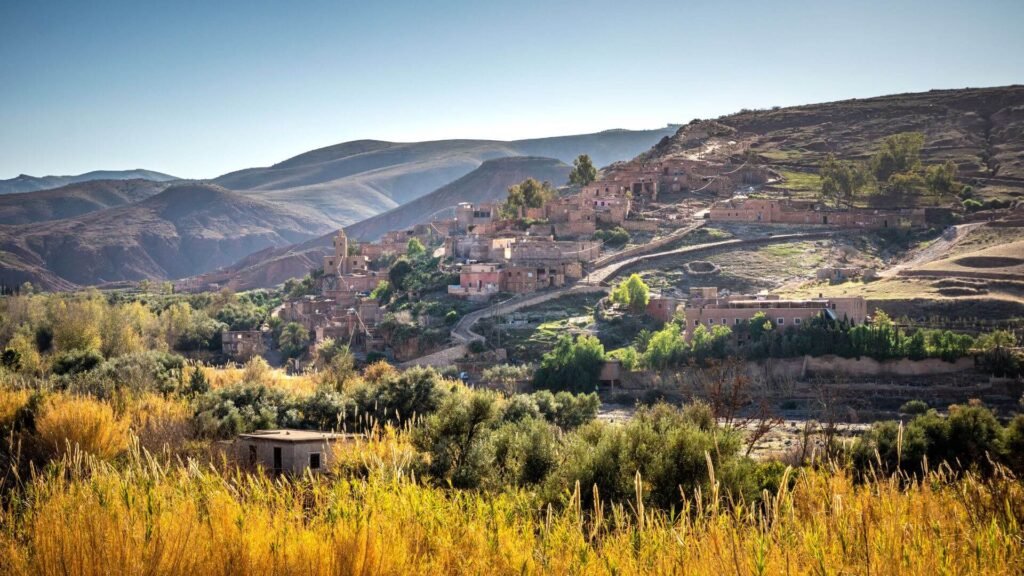
Imlil (Mount Toubkal Region) — The Authentic Mountain Experience
Imlil sits at 1,740 metres in the Toubkal National Park, at the head of the Aït Mizane valley. It’s the base village for Jebel Toubkal climbers, but you don’t need to be a serious hiker to appreciate it. Even an hour’s walk up the mule trail toward the Toubkal refuge gives views across a steep-sided valley and the unmistakable sense of being genuinely in the High Atlas rather than at its edge.
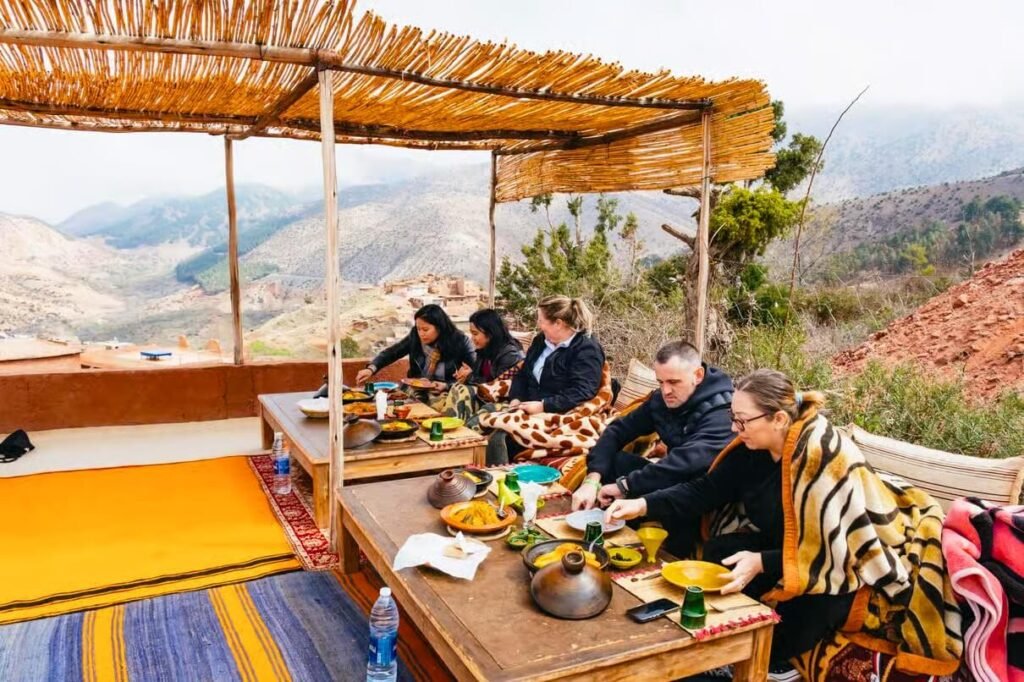
The village itself is small, largely Amazigh-speaking, and noticeably less commercialized than Setti Fatma. A Berber lunch at one of the guesthouses — tagine with bread baked in a wood-fired oven — is the standard and reliable midday stop.
Best for: Walkers, anyone wanting altitude and genuine mountain character, travelers who have already done Ourika.
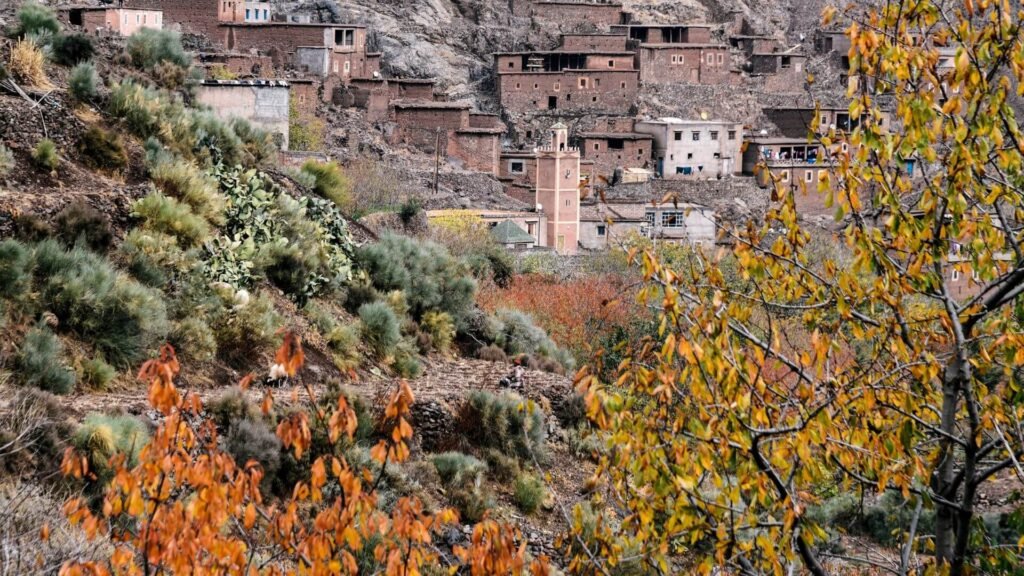
Asni & Ouirgane — The Hidden Side of the Atlas
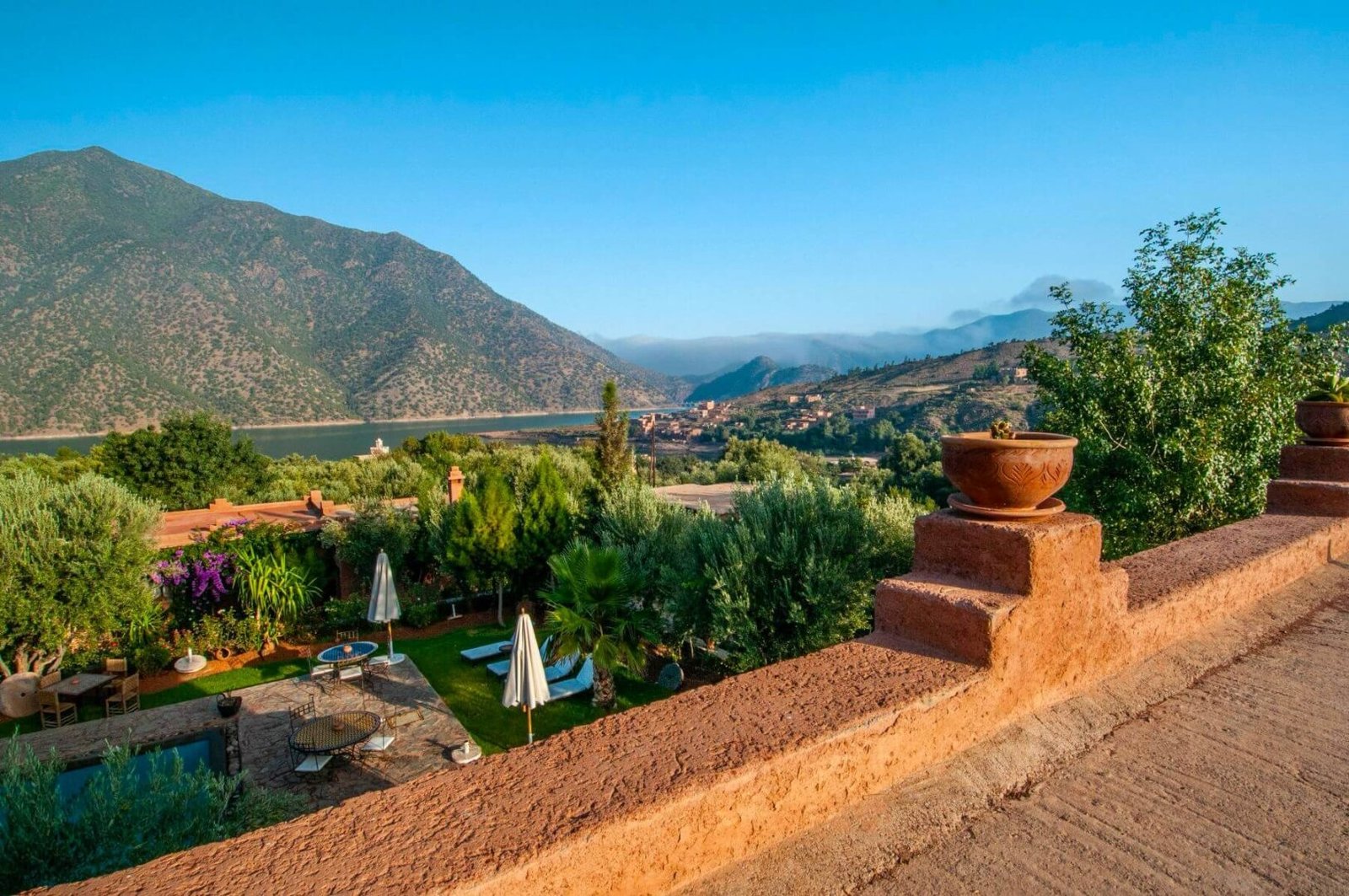
Asni is the main market town on the road to Imlil — its Saturday souk draws communities from across the surrounding valleys and is one of the most authentic rural markets accessible from Marrakech. Ouirgane sits further along a parallel valley: quieter, greener, with a river running through it and several small guesthouses that see almost no day-trip traffic.
This area works best as a scenic drive with unscheduled stops rather than as a destination with a specific highlight. The journey is the point.
Best for: Travelers who want to avoid the main tourist circuit, anyone interested in rural Moroccan market culture, scenic drives.
Quick tip: Ourika for a first visit; Imlil for altitude and walking; Ouirgane if you want to be mostly alone with the landscape.
Powered by GetYourGuide
Top Things to Do in the Atlas Mountains
The Atlas day trip is not an itinerary of attractions. It’s a series of situations — a hike, a lunch, a conversation, a view — that together constitute the experience. These are the ones worth building the day around.
Hike to the Setti Fatma Waterfalls
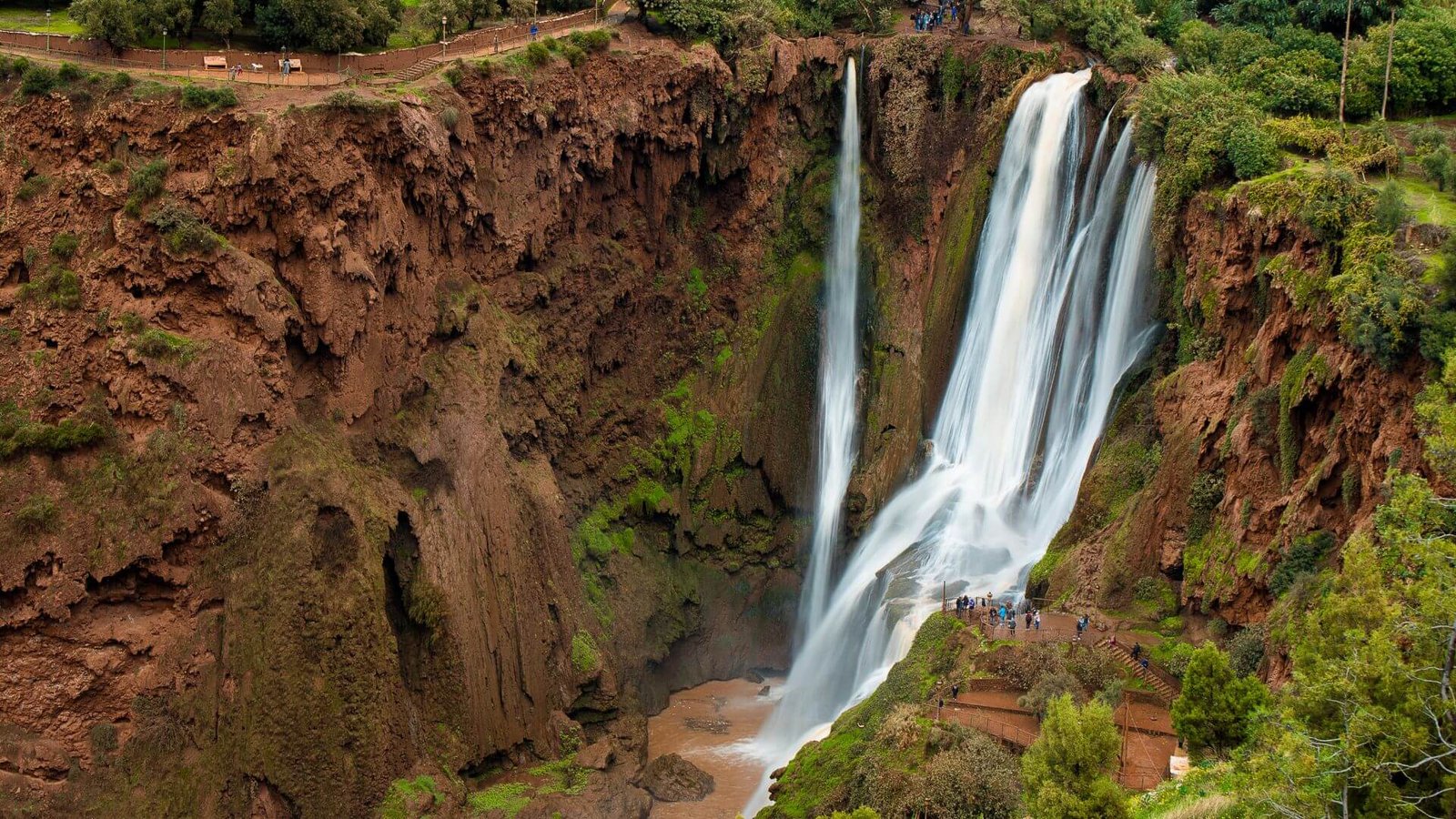
The trail from the village of Setti Fatma to the first waterfall takes about thirty minutes each way on a rocky but well-worn path that crosses the river twice via stepping stones. At the top, the waterfall drops into a pool deep enough to swim in during summer. Seven cascades are accessible in total; most visitors reach the first one or two. The path is uneven and can be slippery after rain — proper shoes make a material difference.
Walk the Imlil Trails
From Imlil village, several marked trails run up the Aït Mizane valley and across to neighbouring hamlets. The route toward the Kasbah du Toubkal guesthouse takes about forty minutes and passes through working terraced fields. The path toward the Toubkal refuge (not the summit — the refuge sits at 3,207 metres) is a three-to-four hour return from Imlil and requires solid fitness. Any of the shorter valley walks are accessible without prior hiking experience.
Visit a Berber Village
Most tours include a stop at a village in the Ourika Valley or around Imlil where a local family provides lunch. These visits are genuine rather than staged — the family is hosting in their own home, the food is cooked in their kitchen, and the conversation, where language allows, is real. Tipping the host family directly (separate from the tour cost) is appropriate.
Asni Saturday Market
If your visit falls on a Saturday, the weekly souk in Asni is worth timing the day around. Villagers from across the surrounding valleys arrive from early morning with produce, livestock, clothing, and household goods. It’s a working market rather than a craft fair — the majority of customers are local. Arrive before 10am for the most activity.
Scenic Stops on the Mountain Roads
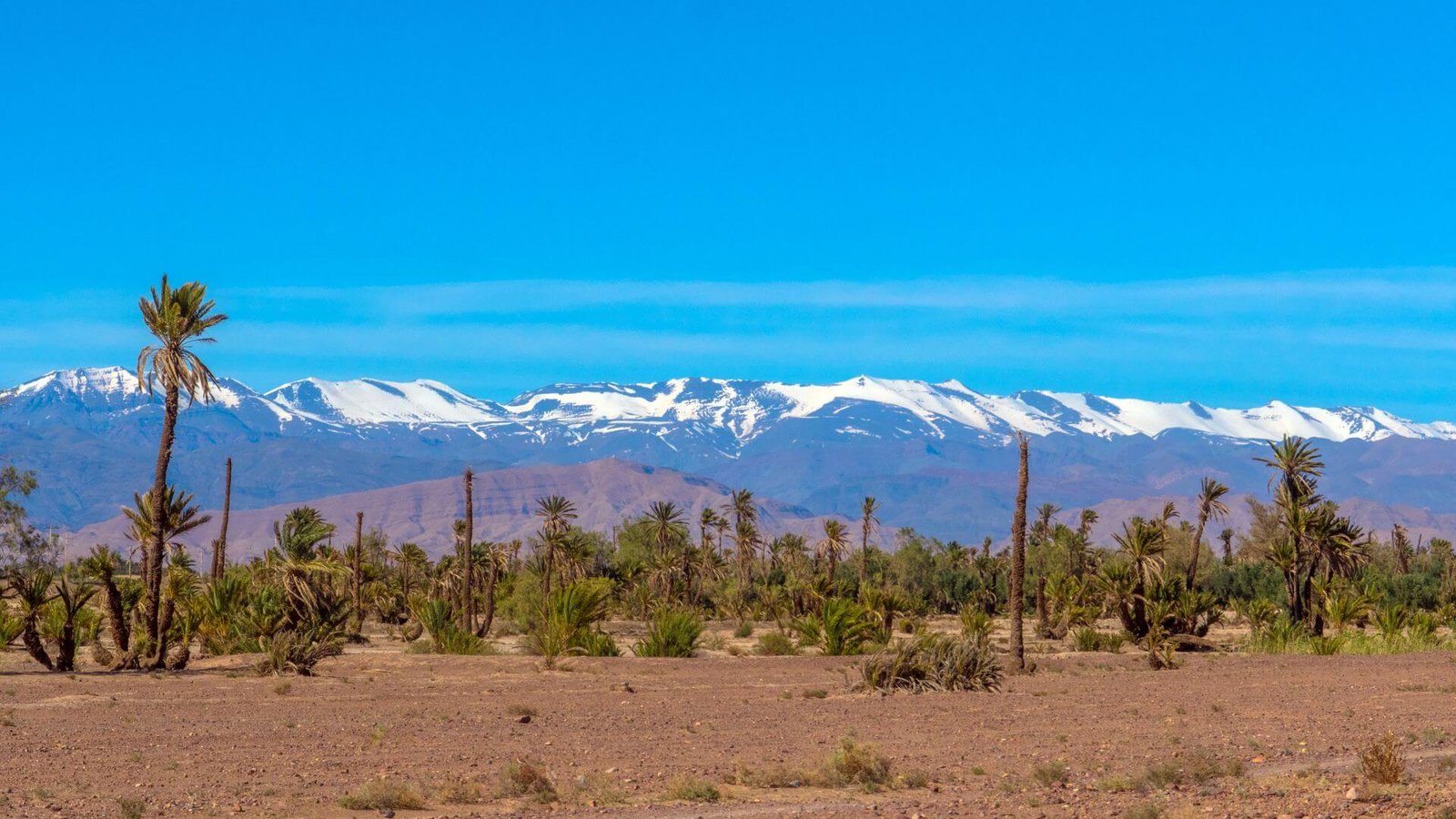
The road from Marrakech to Imlil via Asni passes several natural viewpoints where the valley opens up and the High Atlas is visible in full profile. These are worth building into the schedule as actual planned stops rather than drive-past glimpses. In winter and spring, snow on the upper ridgelines is visible from as low as 1,000 metres.
Pro tip: Choose one valley and one activity and do them well. An Ourika-Imlil combination on the same day is possible but leaves little time for either. A full day in Imlil alone is more satisfying than a rushed sweep of both.
How to Visit the Atlas Mountains (Tour vs DIY)
Four options, with honest trade-offs for each.
Guided Group Tours
The most straightforward option. Transport, guide, stops, and usually lunch are included in one price. The itinerary is fixed, which means you don’t control timing or stops, but you also don’t have to think about any of it. For first-time visitors who want context alongside scenery — someone to explain what the terracing means, why the Saturday souk happens where it does, how a traditional Berber house is organized — a guide adds genuine value.
- Pros: No logistics, local context, everything included
- Cons: Fixed schedule, group pace, limited spontaneity
- Best for: First visits, travelers who prefer structured days
Private Driver
The best practical balance for most travelers. You get a vehicle and a driver — often with good local knowledge — without the group dynamic or fixed itinerary. You can spend longer where you want to, skip what doesn’t interest you, and return when you choose. Cost is higher than group tours but lower than most visitors expect when split across two or three people.
- Pros: Flexibility, privacy, adaptable itinerary
- Cons: Higher per-person cost than group tours
- Best for: Couples, small groups, anyone who wants control without driving
Self-Drive
Viable for Ourika Valley and the Asni road; more demanding for Imlil, where the final approach is a narrow mountain road with limited passing places. Moroccan driving conditions are not especially difficult by regional standards, but the road from the main P2017 highway up to Imlil requires confidence. Navigation apps work reliably throughout. Parking at Setti Fatma is available but limited on busy weekends.
- Pros: Full independence, flexible timing
- Cons: Mountain road conditions require experience; limited parking at popular spots
- Best for: Confident drivers who have driven in similar conditions elsewhere
Grand Taxi
The local transport option. Grand taxis (shared long-distance taxis) run from Marrakech’s Bab er Rob taxi stand to Ourika and Asni on fixed routes. You negotiate the price for the return trip and an agreed waiting time at the destination. It’s the cheapest option and it works, but requires more planning and some comfort with negotiation.
- Pros: Lowest cost, locally used transport
- Cons: Requires negotiating price and waiting time; less comfortable than private vehicles
- Best for: Budget travelers, solo travelers comfortable managing their own logistics
Honest recommendation: For Ourika Valley: group tour or grand taxi both work. For Imlil: private driver is the most comfortable option. For Ouirgane: private driver only — there’s no public transport infrastructure and group tours rarely go there.
Best Atlas Mountains Day Trips from Marrakech
Four bookable options covering different budgets, valley preferences, and travel styles. All are available through GetYourGuide; links go directly to the relevant listing.
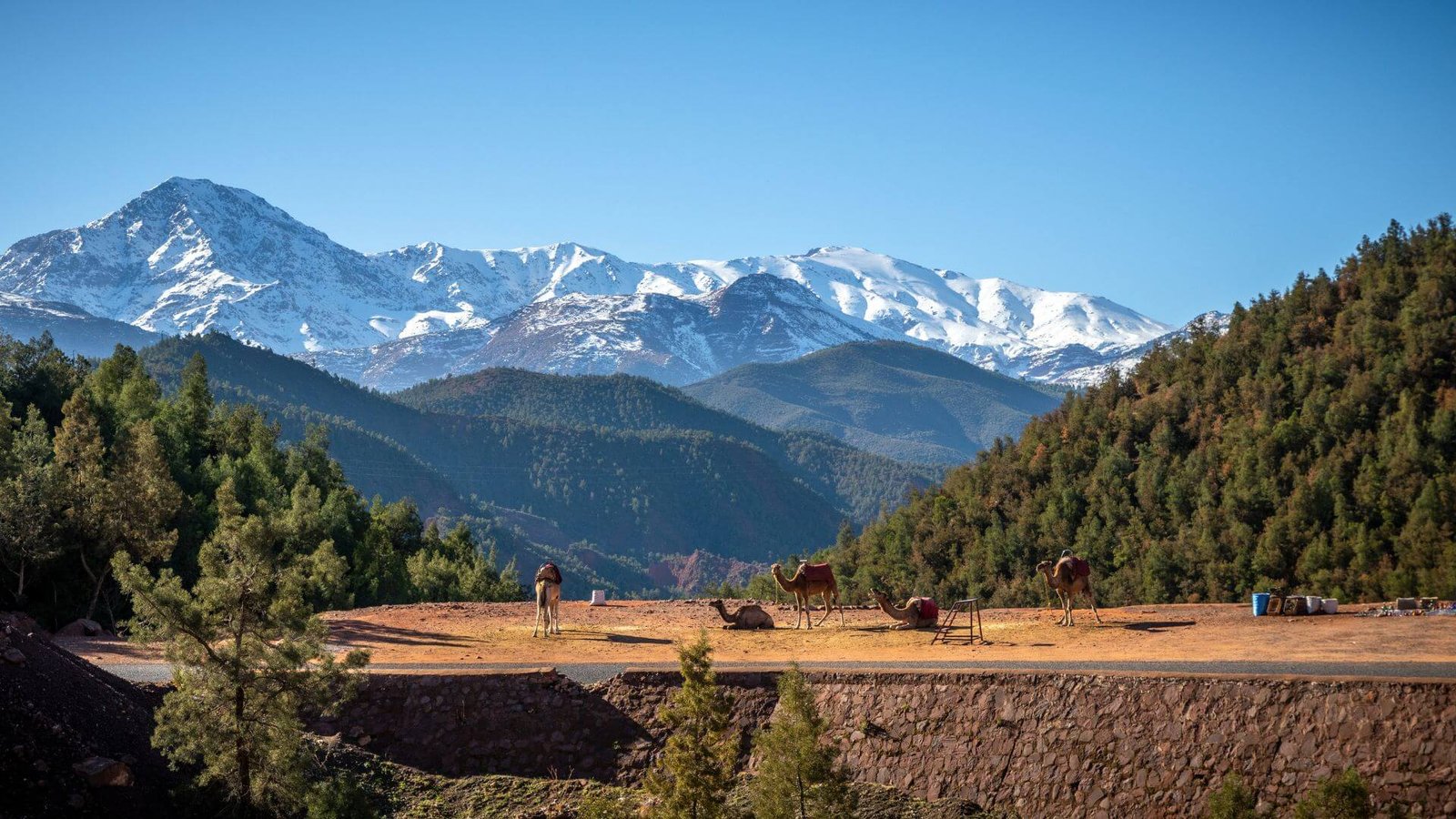
Ourika Valley Day Trip (Most Popular)
The standard Ourika experience: transport from Marrakech, a stop at a pottery cooperative or argan oil workshop on the way, the Setti Fatma waterfall hike, a Berber lunch in the valley, and return to Marrakech by late afternoon. Well-organized, reliable, and genuinely good value for a first Atlas day.
- Best for: First-time visitors, families, relaxed pacing
- Includes: Return transport, waterfall hike, village lunch
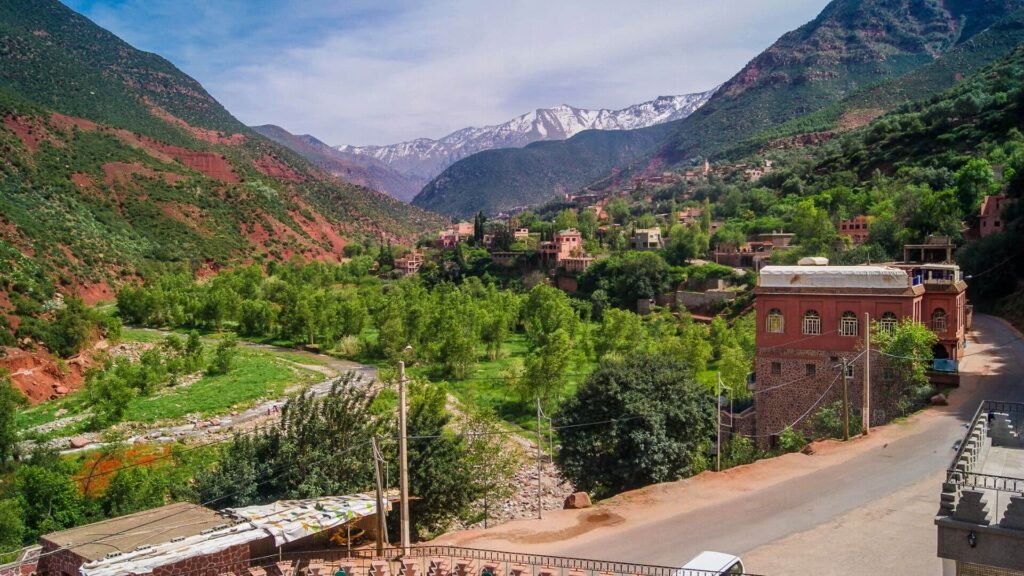
Imlil & Mount Toubkal Day Trip (Authentic Experience)
A full day in the High Atlas proper. The route goes up to Imlil, with a guided walk through the valley trails and to the Toubkal National Park entrance. Lunch with a Berber family in Imlil village is the midday stop. The walking is moderate — uneven paths but no serious climbing — and the views from even the lower trails are substantial.
- Best for: Walkers, people wanting genuine mountain character
- Includes: Guided trail walk, Berber family lunch, scenic stops
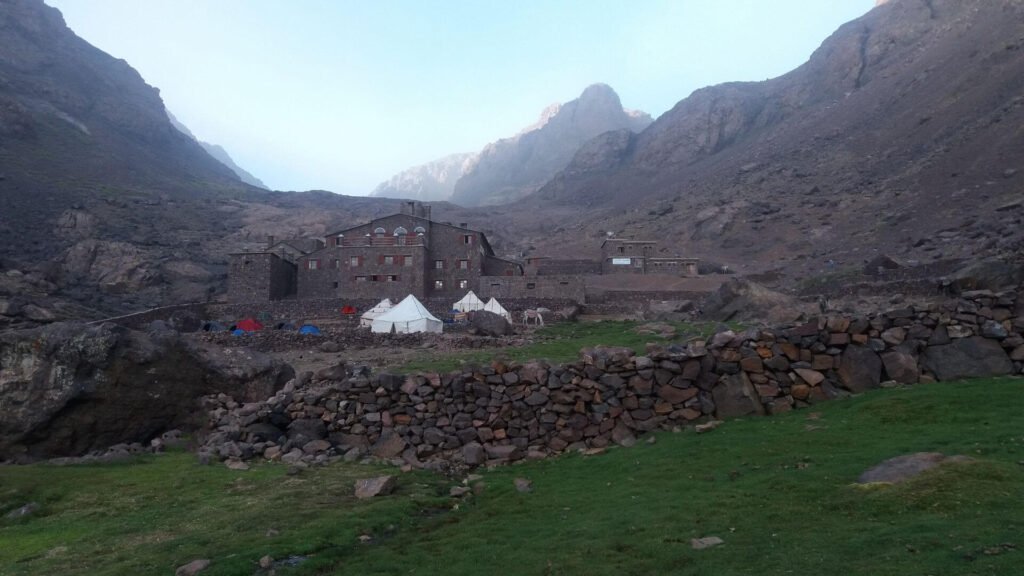
Ouirgane Valley Escape (Hidden Gem)
The quietest option. Ouirgane sees a fraction of Ourika’s visitor numbers and has a genuinely different atmosphere — a river valley with olive groves, small guesthouses, and almost no souvenir stalls. This tour includes a nature walk and a local lunch. The journey itself, on less-traveled roads through the foothills, is part of what makes it worthwhile.
- Best for: Anyone wanting to avoid the main tourist circuit; couples; slow travel
- Includes: Scenic drive, nature walk, local lunch
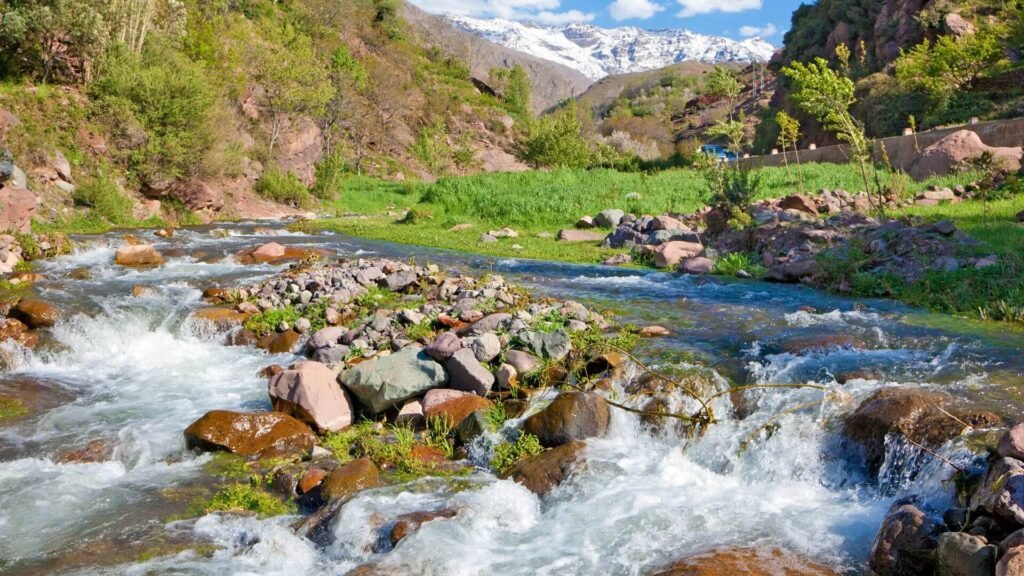
Private Atlas Mountains Tour (Premium Flexibility)
A private vehicle and flexible itinerary covering multiple Atlas areas in one day — typically Ourika, Asni, and Imlil, or a combination chosen at booking. The pace is yours. Best for families or small groups who want the full Atlas geography without a fixed group schedule.
- Best for: Families, small groups, tailored itineraries
- Includes: Private vehicle, flexible route, adaptable schedule
Smart tip: The Imlil trip costs more than Ourika because the drive is longer and the guide requirements are higher. For most first-time visitors, Ourika is the right starting point. If you’ve already done Ourika or want altitude rather than waterfalls, Imlil is the better call.
Sample Itineraries for an Atlas Mountains Day Trip
Three itineraries for different time budgets and travel styles. Times are approximate and assume leaving from the centre of Marrakech.
Half-Day — Ourika Valley
- 08:30 — Depart Marrakech
- 09:15 — Arrive Setti Fatma village, Ourika Valley
- 09:30 — Waterfall hike (first cascade: 30 min return; second cascade adds another 20 min)
- 11:00 — Mint tea at a riverside café in the village
- 11:30 — Drive back toward Marrakech with optional stop at a roadside pottery workshop
- 13:00 — Back in Marrakech
Best for: Limited time, anyone who wants to add a half-day nature experience to a city-heavy itinerary.
Full Day — Ourika Valley & Imlil
- 08:00 — Depart Marrakech
- 09:00 — Setti Fatma waterfall hike (first two cascades)
- 11:00 — Drive to Imlil via Asni (45 min)
- 11:45 — Walk from Imlil up the Aït Mizane valley toward the Toubkal National Park entrance (1.5 hrs return)
- 13:30 — Berber lunch in Imlil
- 15:00 — Return to Marrakech with stops at viewpoints on the Asni road
- 17:00 — Arrive Marrakech
Best for: Nature-focused travelers, first-time Atlas visitors who want both waterfall and mountain character.
Full Day — Ouirgane & Asni (Saturday)
- 08:00 — Depart Marrakech
- 09:15 — Arrive Asni Saturday market (browse until 10:30)
- 10:30 — Continue to Ouirgane valley
- 11:00 — Walk along the river path through olive groves
- 12:30 — Lunch at a local guesthouse in Ouirgane with valley views
- 14:00 — Optional: continue to Ouirgane reservoir or return via a different route through the foothills
- 16:30 — Return to Marrakech
Best for: Travelers wanting a slower, less-visited experience; anyone interested in rural market culture.
Pro tip: The Ourika and Imlil combination works on a full day but requires disciplined timing at each stop. If you find yourself enjoying Setti Fatma and want to stay longer, let Imlil go — the valley is more rewarding when unhurried.
Best Time to Visit the Atlas Mountains
The Atlas Mountains are accessible year-round but the experience varies considerably by season.
- Spring (March–May): Peak condition for the Ourika Valley — waterfalls are running at full volume from snowmelt, wildflowers are out on the lower slopes, and temperatures are comfortable for walking. The most photogenic time.
- Summer (June–August): The valleys get busy with Moroccan families escaping Marrakech’s heat. Setti Fatma in particular is crowded on summer weekends. Imlil is better in summer — the altitude keeps temperatures manageable and the Toubkal summit season is fully open. Start early.
- Autumn (September–November): Quieter than summer, golden light on the terraced fields, comfortable walking temperatures. The best season for Ouirgane and Asni. Waterfalls are lower after the dry summer.
- Winter (December–February): Snow on the upper ridgelines from November and on the valley floors above 1,500 metres from December. Imlil is frequently snowbound and some trails close. Ourika Valley is accessible and dramatic — snow-capped peaks visible on clear days, almost no tourists. Cold in the morning; bring layers.
Insider tip: Spring for Ourika. Autumn for Imlil and Ouirgane. Winter for Ourika if you want solitude and don’t mind cold. Summer for Imlil only — and only with an early start.
Practical Tips for Visiting the Atlas Mountains
- Footwear matters. The Setti Fatma trail involves river crossings on stepping stones and rocky paths that are slippery after rain. Closed shoes with grip are necessary; sandals are not suitable. For Imlil trails, hiking boots or solid trainers with ankle support are recommended.
- Dress in layers. The temperature difference between Marrakech and Imlil (1,740 metres) is typically 8–12°C. A morning that starts warm in the city can be cold at the waterfall or on the Imlil trails. A mid-layer that packs small is the most useful item to bring.
- Carry water. Bottled water is available in the villages but not on the trails. Bring at least one litre per person for any hiking.
- Sun protection. Altitude intensifies UV exposure. Sunscreen and a hat are necessary even on overcast days.
- Ask before photographing people. This applies particularly in the villages and at Asni market. A simple gesture of request and acknowledgment of a “no” costs nothing and is the correct way to behave.
- Carry dirhams. Village cafés, waterfall guides, and the Asni market are cash only. Withdraw in Marrakech before leaving — there are no ATMs beyond the city outskirts on these routes.
- Respect trail markers. Above Imlil, trails are marked but conditions change quickly in winter. If you’re going above the village without a guide, check conditions locally before setting out.
Pro tip: The Atlas Mountains are straightforward and safe for independent travelers at valley level. Above 2,500 metres without a guide is a different matter — weather changes fast and paths are less clearly marked. For Toubkal summit attempts, a licensed mountain guide is required.
Atlas Mountains Day Trip FAQ
Is the Atlas Mountains worth visiting from Marrakech?
Yes — it’s the most geographically accessible major landscape change available from the city. The Ourika Valley is forty-five minutes from the Medina and genuinely different in character. Imlil at ninety minutes is a substantial mountain environment. The contrast with Marrakech is significant enough to justify a full day for almost any traveler.
Can you do it in one day?
Yes, comfortably. A half-day covers Ourika Valley with the Setti Fatma waterfall hike. A full day allows Imlil with walking and lunch, or a combination of Ourika and Imlil if you’re disciplined with timing. The Sahara is the only Atlas-adjacent destination that requires overnight stays.
Is it safe to visit?
The valleys are safe and well-visited. The waterfall trail at Setti Fatma involves some scrambling on wet rocks — take appropriate footwear. Above 2,000 metres in winter, conditions change fast and navigation requires experience. At valley level, safety is not a concern.
Do I need a guide?
For Ourika Valley: no. For Imlil village and the lower valley trails: not strictly required, but a guide adds context. For trails above 2,500 metres toward the Toubkal summit: a licensed mountain guide is legally required in Morocco and practically essential.
How much does a day trip cost?
Group tours run from approximately €25–50 per person including transport and lunch. Private drivers for a full day cost €80–150 depending on the itinerary. Self-drive costs the rental car plus fuel. Grand taxi to Ourika costs around 200–300 MAD negotiated return, plus waiting time.
What is the best time of year to visit?
Spring (March–May) for waterfalls and greenery. Autumn (September–November) for quiet valleys and comfortable walking temperatures. Summer for Imlil and high-altitude routes. Winter for Ourika if you want solitude and snow on the peaks.
Explore More in Marrakech
The Atlas Mountains complement the city rather than replace it. These guides cover the other parts of a Marrakech visit.
-
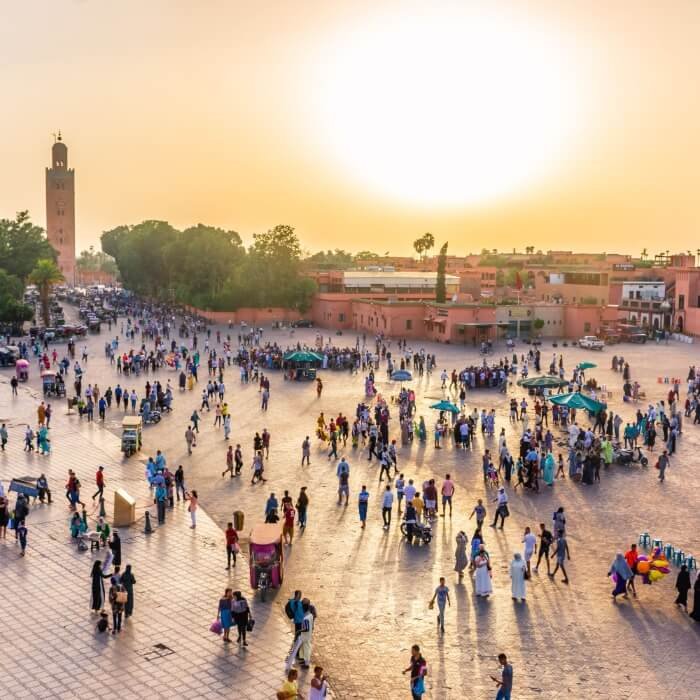
Top 20 Things to Do in Marrakech
The city's essential experiences
-

Hot Air Balloon Ride
Aerial views over the Medina and Atlas foothills at dawn
-

Stay in the Medina
Riad options and neighborhood guide for the old city
-
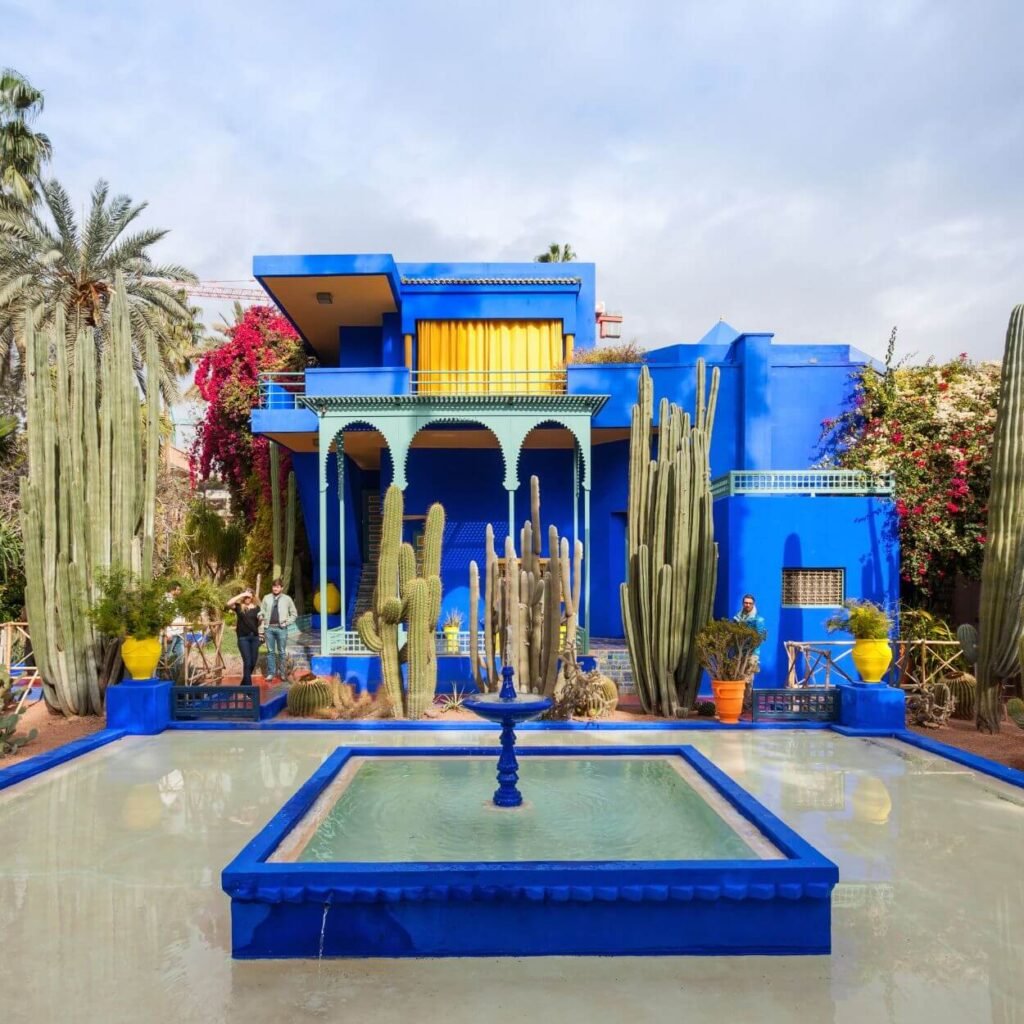
2-Day Marrakech Itinerary
How to structure a short city visit alongside an Atlas day trip
-
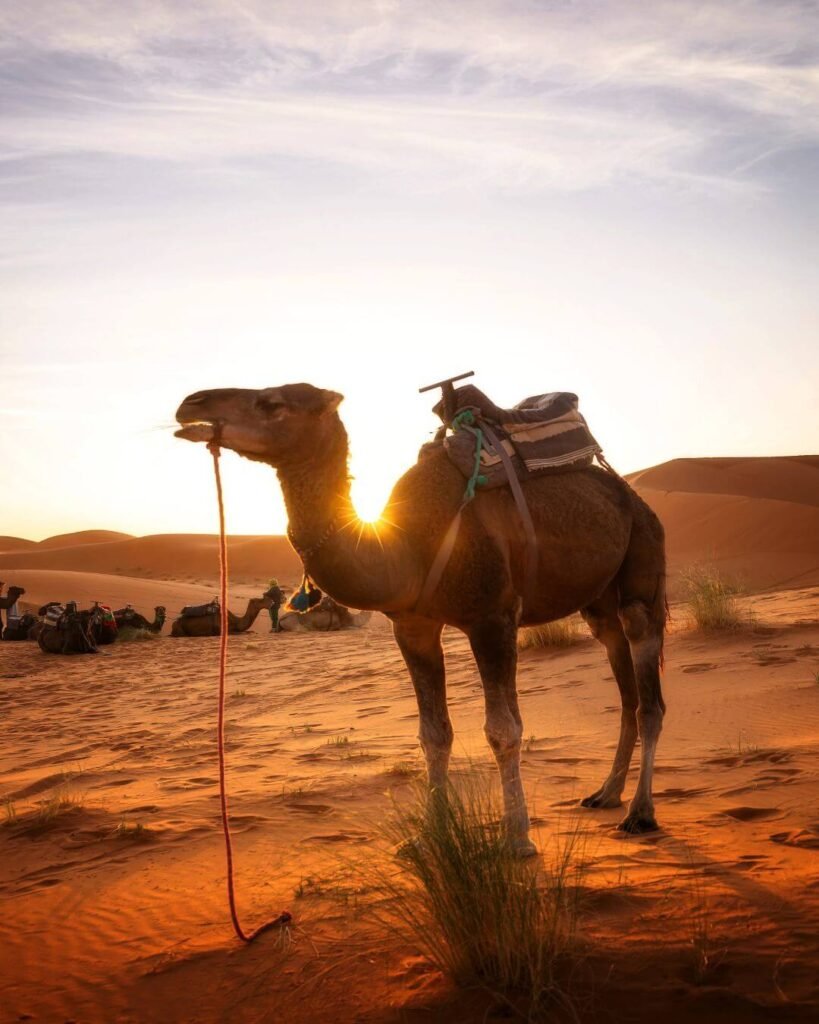
Sahara Desert Day Trips
The other major landscape escape — requires two to three days
Final Thoughts on Your Atlas Mountains Adventure
The Atlas Mountains are thirty to ninety minutes from Marrakech and a complete change of world. The Ourika Valley is reliable and beautiful for a first visit. Imlil is where the mountains feel genuinely serious. Ouirgane is where you go when you want to be mostly alone with the landscape.
The consistent mistake is trying to do too much. Choose one valley, give it the full day, and eat lunch somewhere with a view. That combination — a walk, a view, a meal in the mountains — is what most travelers remember.
For the Marrakech travel guide and the full picture of what the city and its surroundings offer, start there before finalizing your itinerary.
 Marrakist Concierge