
Each guide below addresses one specific area of Morocco trip preparation. Together they cover the full pre-departure checklist — from the paperwork to what goes in your bag to how to pay for things once you’re there.
Plan Your Trip to Morocco Like a Pro
Morocco rewards preparation more than most destinations. The combination of a cash-based economy, a climate that varies dramatically between coast and mountains and desert, a culture where modest dress is practical rather than merely polite, and a visa system that works differently for different passport holders means that the decisions you make before you fly have a direct effect on how the trip feels once you arrive. This hub covers the five logistical areas that matter most: what to pack, whether you need a visa and what kind, how to protect the trip financially, how to stay connected from the moment you land, and how to handle money without getting caught out. Each guide is practical and specific — not general advice, but the information you actually need for Morocco, in 2026.
Everything You Need to Plan Your Morocco Trip
-
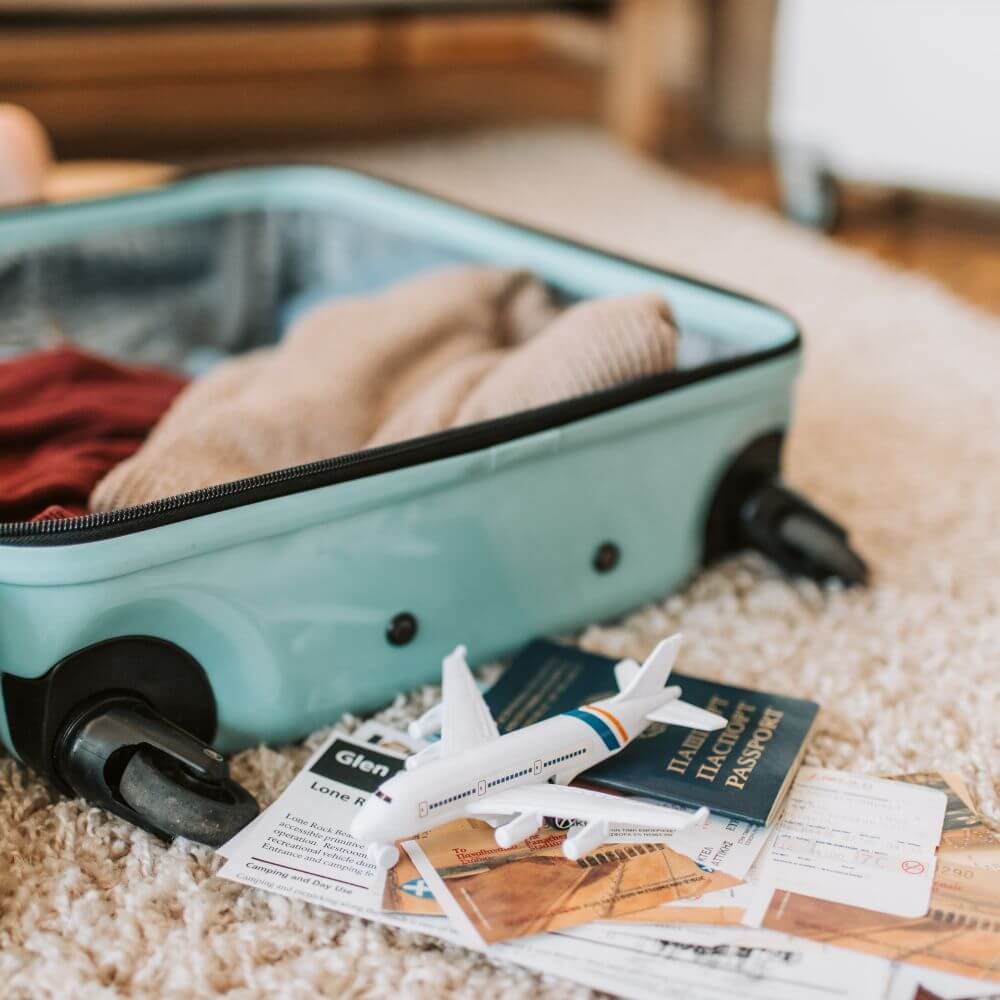
Morocco Packing List
What Morocco's climate, medinas, and experiences actually require in your bag — and what you can leave at home
-

Morocco Visa Guide
Entry requirements by passport nationality, the 90-day rule, what to declare at the border, and what to do if your situation is non-standard
-
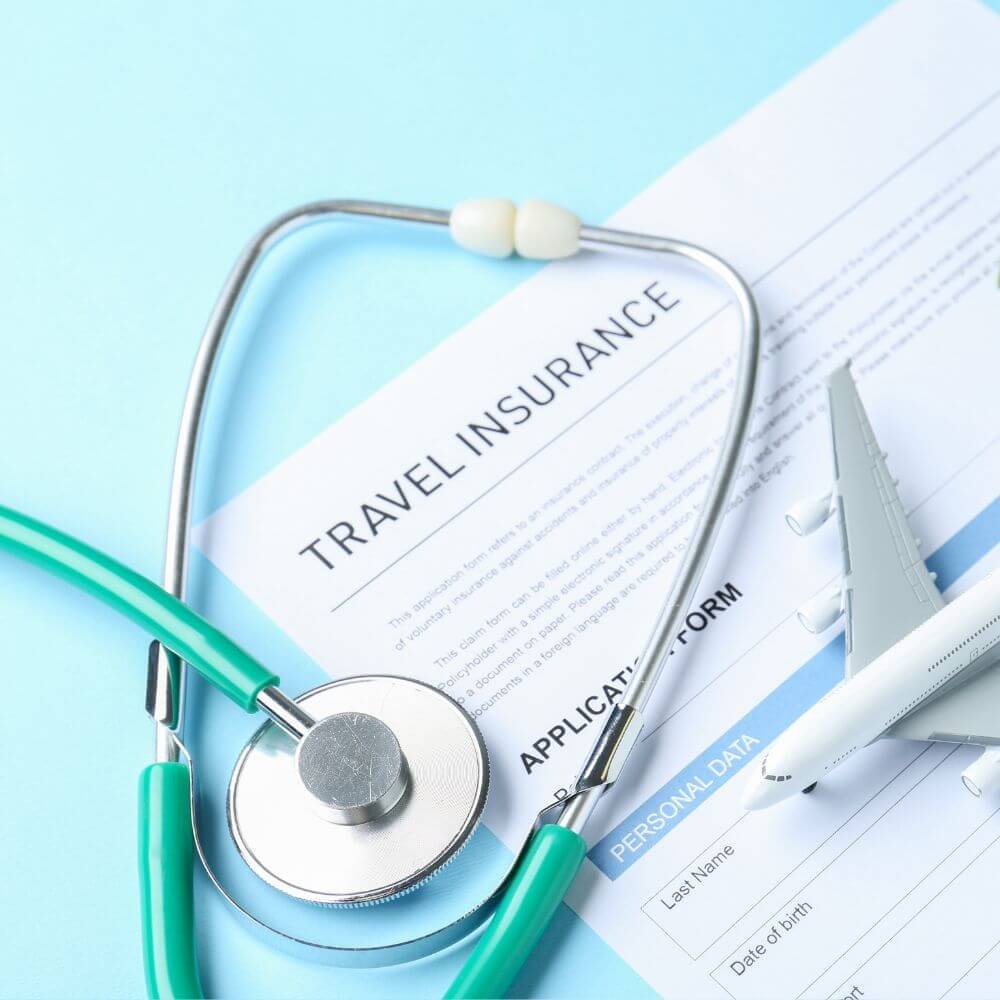
Travel Insurance
What Morocco-specific cover looks like: medical evacuation from the Atlas, activity cover for desert excursions, and what standard policies typically miss
-

SIM Cards & Internet
The three Moroccan operators, where to buy a SIM at the airport versus the medina, data costs, and when roaming makes more sense than a local card
-
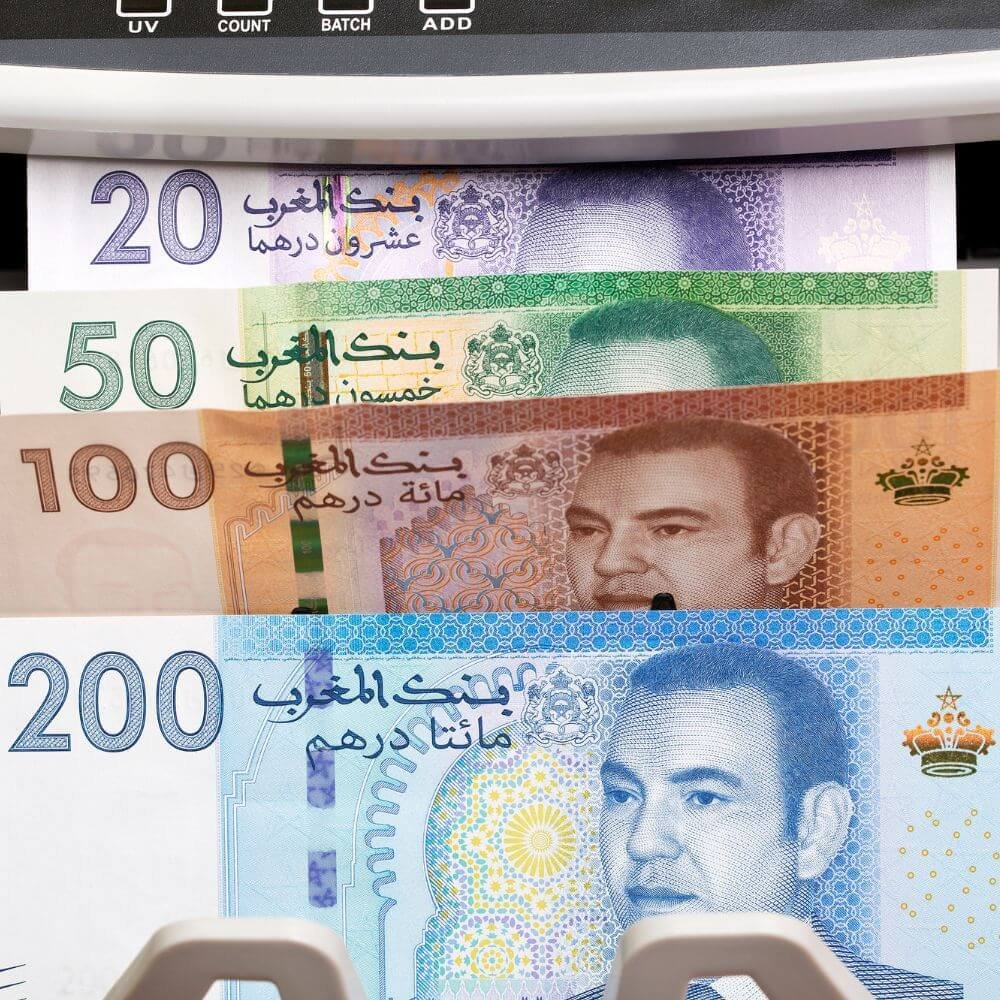
Currency & Tipping Guide
The dirham, cash logistics, where cards work and where they don't, and what the tipping conventions actually are across different contexts
Essential Travel Planning Tips
Most Morocco trip problems are logistical rather than cultural — they come from arriving without cash, without data, without a visa check, or with the wrong clothes for the weather and the medinas. The tips below address the decisions that matter most before departure.
-
Plan the essentials first
Visa status, accommodation for the first two nights, and airport transport are the three items that produce the most stress when left unresolved on arrival. Everything else — restaurants, souks, day trips, experiences — can be organised from inside Morocco with a working SIM card and a functional plan for the first 48 hours. Settle the bureaucratic layer first and the rest becomes improvisation with a solid base.
-
Pack for culture, not just weather
Morocco's climate ranges from the Atlantic coast (cool and windy year-round) to the pre-Saharan plateau (extreme heat in summer, cold at night in winter) to the medinas (variable, but hot in enclosed spaces regardless of season). The cultural element is consistent across all of these: loose layers that cover shoulders and knees are not just culturally appropriate but physically more comfortable in the heat than bare skin. A lightweight linen shirt or scarf takes up almost no bag space and changes how you move through every context.
-
Prepare for cash-based moments
Cards work in a growing number of Marrakech hotels and riads. They work in almost none of the places you'll actually want to spend money — the souk stalls, the street food vendors, the petit taxi drivers, the hammam attendant, the camel guide, the restaurant without a card machine. Withdraw dirhams on arrival at the airport ATM (Banque Populaire and Attijariwafa are reliable); the rate is fair and the machines work. Do not exchange at the airport exchange desk.
-
Stay connected from day one
Airport SIM purchase takes 10–15 minutes at arrivals in Marrakech Menara and gives you data, maps, and WhatsApp before you reach your riad. Without data, the first hours in a medina involve real navigational difficulty — the alley structure of the Marrakech medina is not intuitive even with a map, and Google Maps requires live data to be useful. Maroc Telecom's tourist SIM is the most consistently reliable option at the Menara airport kiosk.
-
Think in experiences, not checklists
Three days in Marrakech with a hammam, a cooking class, and a half-day in the souks produces a more coherent memory of the city than six days with a different attraction scheduled each morning. The medina's logic reveals itself slowly — the second time you walk the same route you notice things that were invisible the first time. Build in repetition rather than coverage, and the trip becomes something other than a checklist.
-
Keep digital and physical backups
Store passport photo page, insurance documents, riad booking confirmation, and emergency contact numbers in two places: cloud storage accessible offline (Google Drive or iCloud with offline sync) and a physical printout in a separate bag from your passport. Morocco's mobile connectivity is generally good in cities but patchy in the Atlas and Saharan areas; the offline copies matter when you're 4 hours from the nearest city with no signal.
Why Smart Travel Planning Makes All the Difference
Morocco is a country where the gap between a prepared traveller and an unprepared one is unusually large. The cash economy, the absence of card machines in most of the places worth visiting, the medina navigation that relies on a working phone, the dress code that affects how you’re received in hammams and homes and souks, the visa rules that vary significantly by passport — none of these is a serious problem with 20 minutes of preparation, and all of them can derail a day or more without it.
The preparation required is not extensive. It’s five specific decisions: visa status checked and resolved, accommodation for the first night confirmed, SIM card plan decided before you land, dirham budget calculated and withdrawal plan made, and packing list reviewed against Morocco’s specific combination of climate and culture. These five decisions together take a few hours. The absence of any one of them takes more time than that to fix on the ground.
Mindset shift: The goal isn’t to plan more — it’s to plan specifically. A well-prepared Morocco trip is not a rigidly scheduled one; it’s one where the logistics are solved before arrival, leaving the rest of the time for the country to reveal itself without friction.
Frequently Asked Questions About Planning a Trip to Morocco
What do I need to plan before traveling to Morocco?
Five things: visa requirements checked for your specific passport (most EU, US, UK, Canadian, and Australian passport holders enter without a visa for up to 90 days, but exceptions exist and it’s worth verifying); accommodation booked for at least the first night; SIM card plan decided in advance; cash logistics planned (how much to withdraw, where, in which currency); and a packing list reviewed against Morocco’s climate and cultural norms. Insurance is a sixth item worth adding — see the dedicated guide for what Morocco-specific cover looks like.
How far in advance should I plan my trip to Morocco?
For the logistical elements (visa check, insurance, SIM research), two weeks before departure is sufficient. For accommodation — particularly riads in the Marrakech Medina, which have limited rooms and high demand — 4–8 weeks in advance is more realistic for peak season (October–November, March–April). For specific experiences like hot air balloon rides and hammam private sessions, 2–3 days before your preferred date is usually adequate outside of high season; a week ahead in peak season.
Do I need travel insurance for Morocco?
Not legally required, but functionally important for two specific Morocco risks: medical evacuation from remote areas (the Atlas Mountains and desert regions are several hours from the nearest hospital with adequate facilities) and activity cover (standard travel insurance often excludes quad biking, camel riding, and other activities common in Morocco). Read the policy before purchasing rather than assuming standard cover applies.
Is Morocco easy to travel independently?
Yes, in the cities — Marrakech, Fès, Essaouira, Casablanca, and Chefchaouen all have functional infrastructure for independent travellers, and English is widely spoken in tourist contexts. The logistics become more complex for Atlas Mountain trekking and Saharan desert excursions, where a guide or organised tour is the practical choice rather than an optional one. For a standard Marrakech-centred trip, independent travel is straightforward with the planning covered in this hub.
Should I bring cash or rely on cards?
Both, with cash weighted higher than cards. Cards work reliably in most Marrakech riads, mid-range and upmarket restaurants, and larger souvenir shops. They work rarely in the souks, street food stalls, petit taxis, hammams, local cafés, and any transaction under approximately 100 dirhams. Carry 500–1,000 dirhams in cash at all times when exploring the medina; replenish at a Banque Populaire or Attijariwafa ATM rather than at exchange bureaux, which offer worse rates.
Start Planning Your Morocco Trip Today
The five guides in this hub cover the specific decisions that separate a smooth Morocco trip from a stressful one. Each takes less than 10 minutes to read and addresses one concrete area of preparation. Work through them in any order — most people find visa status and packing the most immediately relevant, and SIM cards and currency the most practically useful on arrival.
 Marrakist Concierge