
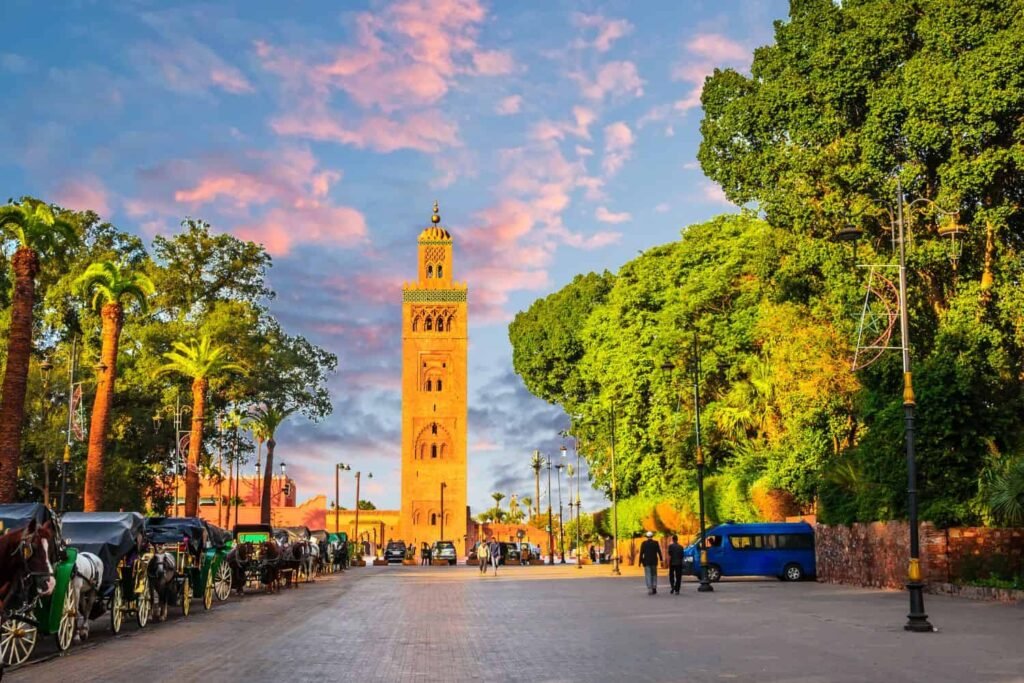
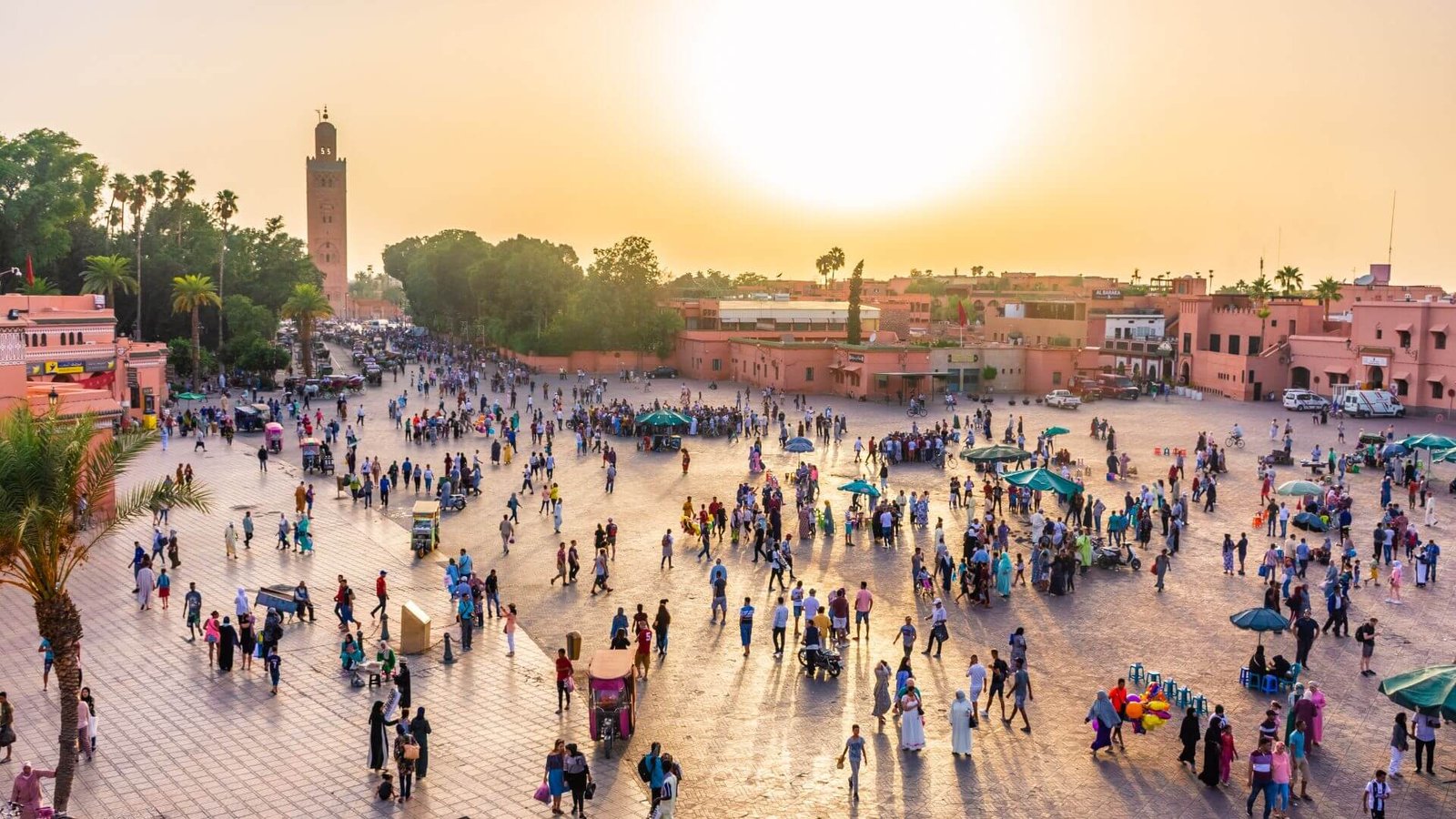
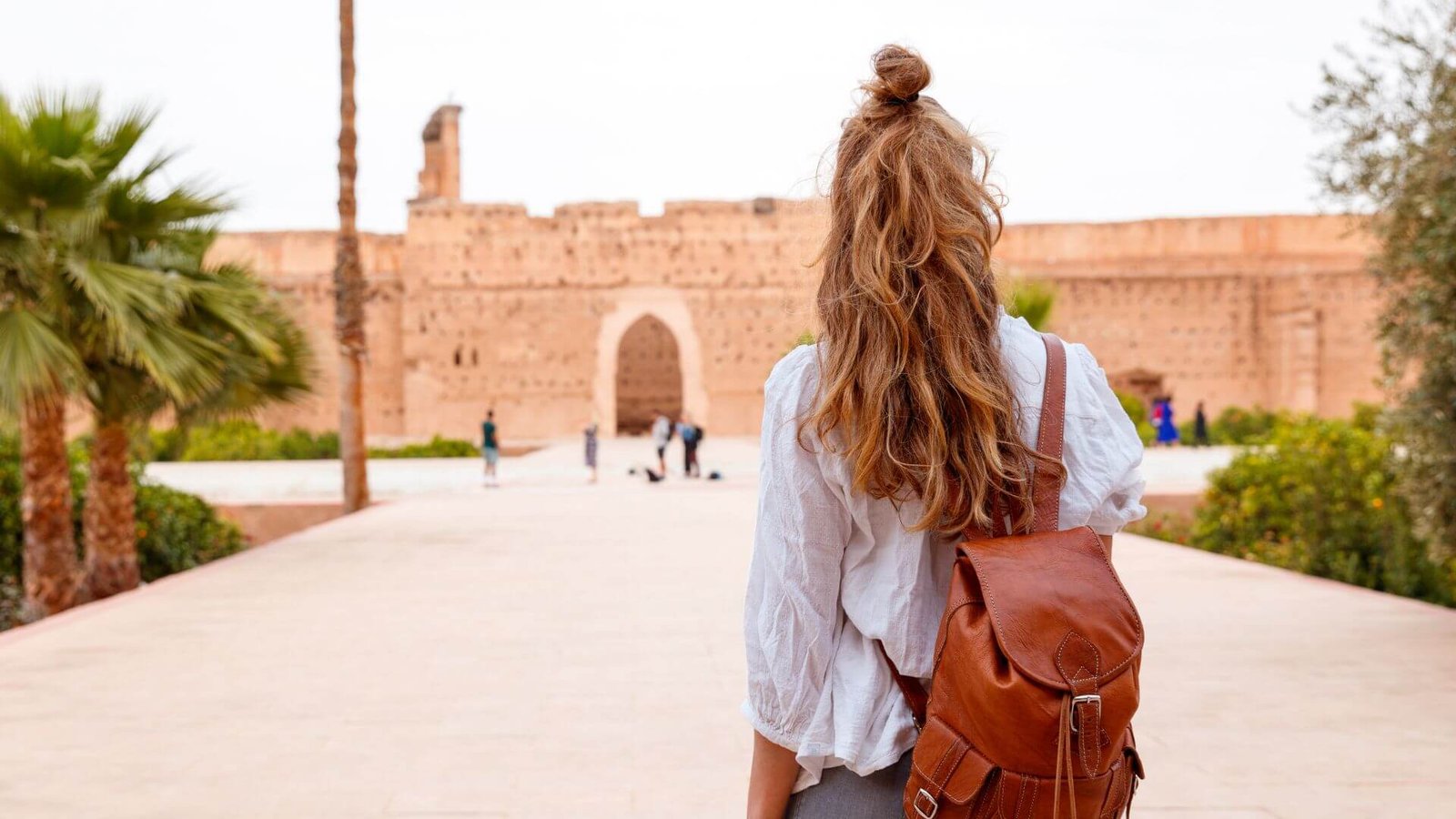
Start at the Koutoubia Mosque rather than the Jemaa el-Fna. The mosque’s 12th-century minaret — 70 metres, the tallest structure in the Medina — is the city’s fixed orientation point and best seen in the morning before the square fills. Walk the garden perimeter, then proceed through the Jemaa el-Fna (quiet at this hour) toward Bahia Palace in the southern Medina. Allow 45–60 minutes at Bahia Palace — the 19th-century palace covers 8,000 square metres and the sequence of courtyards, cedar ceilings, and carved stucco requires time rather than a rapid circuit. Continue to the Saadian Tombs, a 5-minute walk from Bahia Palace — the ornate mausoleum of the Saadian dynasty (16th–17th century), discovered only in 1917 when a French pilot photographed them from the air. Allow 30–45 minutes.
4 Days in Marrakech: Complete City & Day Trip Guide
Four days is the format that allows the Marrakech visit to be genuinely unhurried. The three-day itinerary covers the city’s essentials without time for the monuments that require context to appreciate fully — the Saadian Tombs, the Medersa Ben Youssef — and without a real day outside the city. The four-day plan adds both. Days 1 and 2 cover the Medina and Gueliz at a pace that doesn’t require cutting anything. Day 3 is the day outside the city — Atlas Mountains or Agafay desert, with organised transport. Day 4 is the flexible final day: deeper Medina, last shopping, a cooking class, or simply a slow morning at the riad before departure.
- Southern Medina cluster
- Koutoubia → Bahia → Saadian Tombs — 25–30 min on foot
- Local lunch
- tagine with bread & mint tea — 40–80 dirhams in a neighbourhood restaurant
- Sahara
- not realistic in 4 days — needs at least 2 additional travel days
- 4 days
- the format where visitors consistently feel they left at the right time
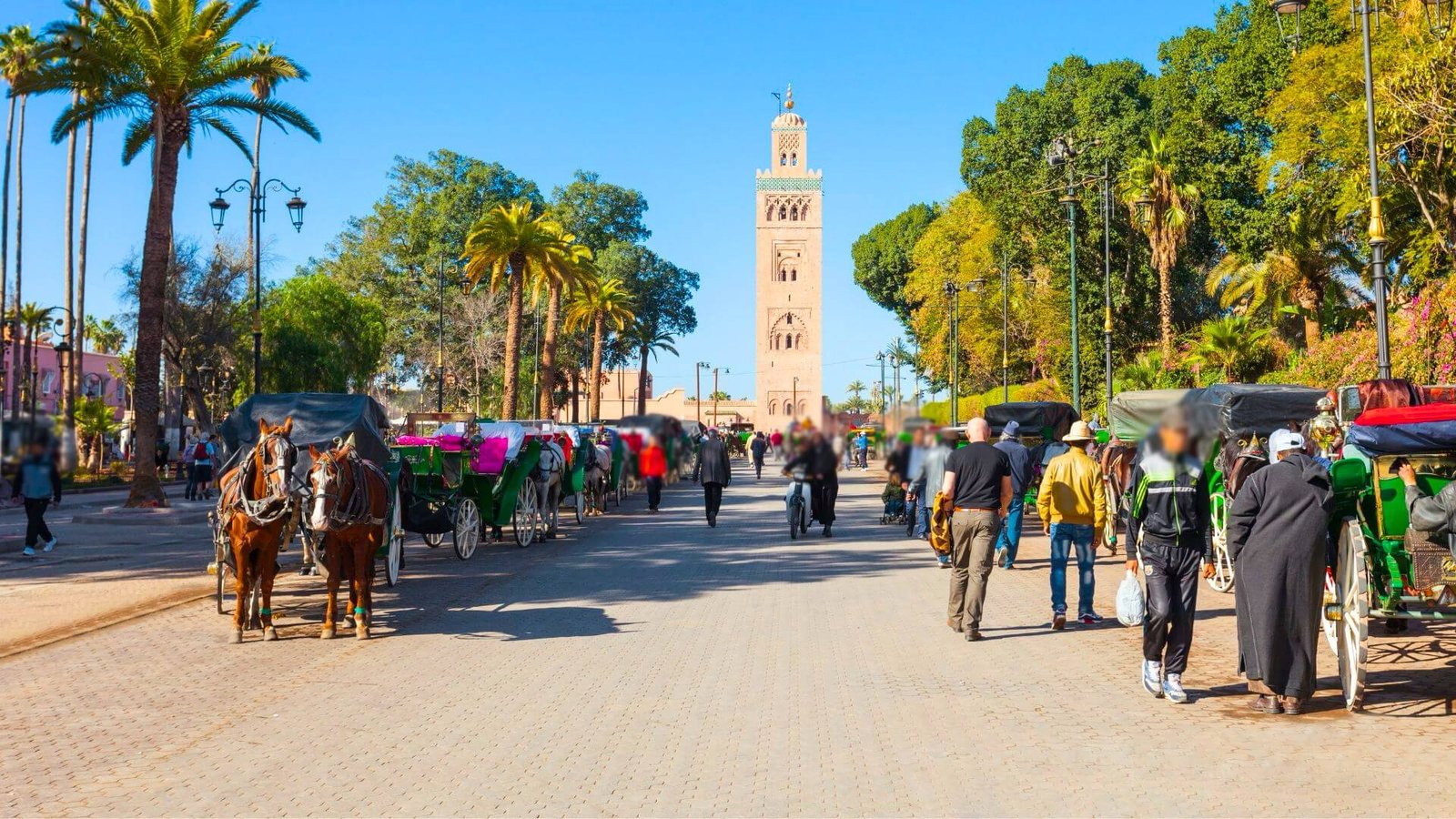
4 days in Marrakech — enough time for the monuments, the souks, a day outside the city, and one slow morning to decide what you want more of
Day 1: Dive Into the Heart of the Medina
Day 1 follows the sequencing logic that works for first encounters with the Medina: monuments first, souks after lunch, Jemaa el-Fna in the evening. Starting with Jemaa el-Fna in the morning produces a rushed, crowd-heavy opening; starting with the Koutoubia and Bahia Palace in the morning produces a calm, oriented entry. The logic is spatial as much as atmospheric — by the time you reach the souk circuit after lunch, you have a fixed reference point (the Koutoubia, seen in the morning) from which to navigate.
Morning: Explore the Historic Medina
Lunch: Traditional Moroccan Flavors
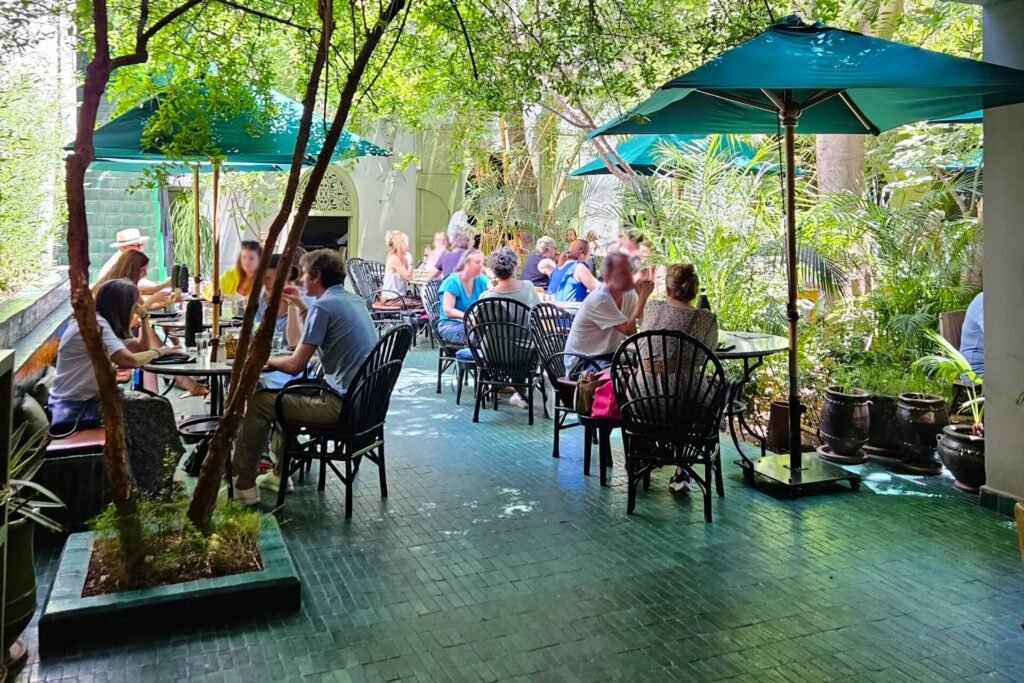
By noon, a rooftop lunch is the correct response to the Medina’s rising intensity. Nomad (near the Rahba Kedima spice square) and Café des Épices (on the Rahba Kedima directly) are the standard choices — both have terrace views over the souk roofscape, both serve Moroccan food at a reliable standard. The purpose of the rooftop lunch is recovery and spatial perspective as much as eating; allow 45–60 minutes rather than rushing through.
Afternoon: Historical Highlights
Return to the Medina for the souk circuit, which is best approached in the mid-afternoon after the lunch pause. The route from the Rahba Kedima northwest through Souk Semmarine to the central souk spine takes 60–90 minutes at a walking pace with stops. The specific sections of interest: the spice and herb section around the Rahba Kedima itself, the textile souks along Souk Semmarine, the dyers’ quarter (accessible via the alleys north of the central souk), and the woodworkers’ section toward the northern Medina. Don’t try to cover all of these — pick one direction and follow it, using the Koutoubia (visible above the roofline from higher ground) as a reorientation point.
Evening: Sunset and Rooftop Views
The Jemaa el-Fna transforms between 6 and 9pm — the food stalls set up from 5pm, the performers and musicians begin around 7pm, the full evening programme is in place by 8pm. Arrive at a terrace overlooking the square 30–45 minutes before sunset; the Café de France terraces on the northern side give the clearest direct view over the stall setup below. After sunset, descend to the square level and walk through it — the numbered food stalls, the snake charmers, the storytellers working the local crowd. The square between 8 and 9:30pm is the specific Marrakech experience that no other city replicates.
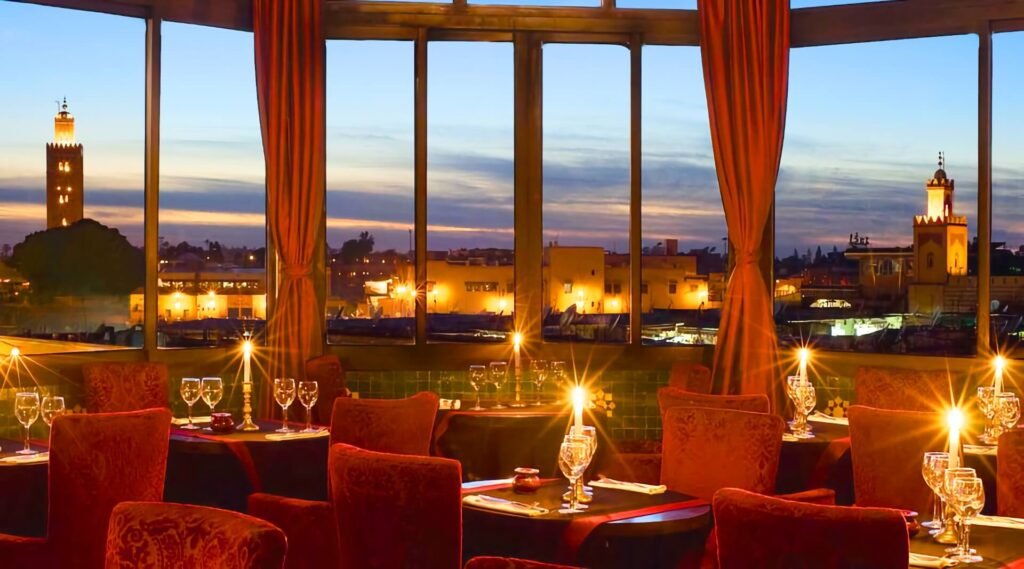
Local Tip: Comfortable shoes and hydration are practical notes, not atmospheric ones. The Day 1 walking distance is 10–14 km; the Medina paving is uneven stone and compacted earth. A 1.5-litre bottle of water carried through the morning and refilled at lunch covers the day’s requirement.
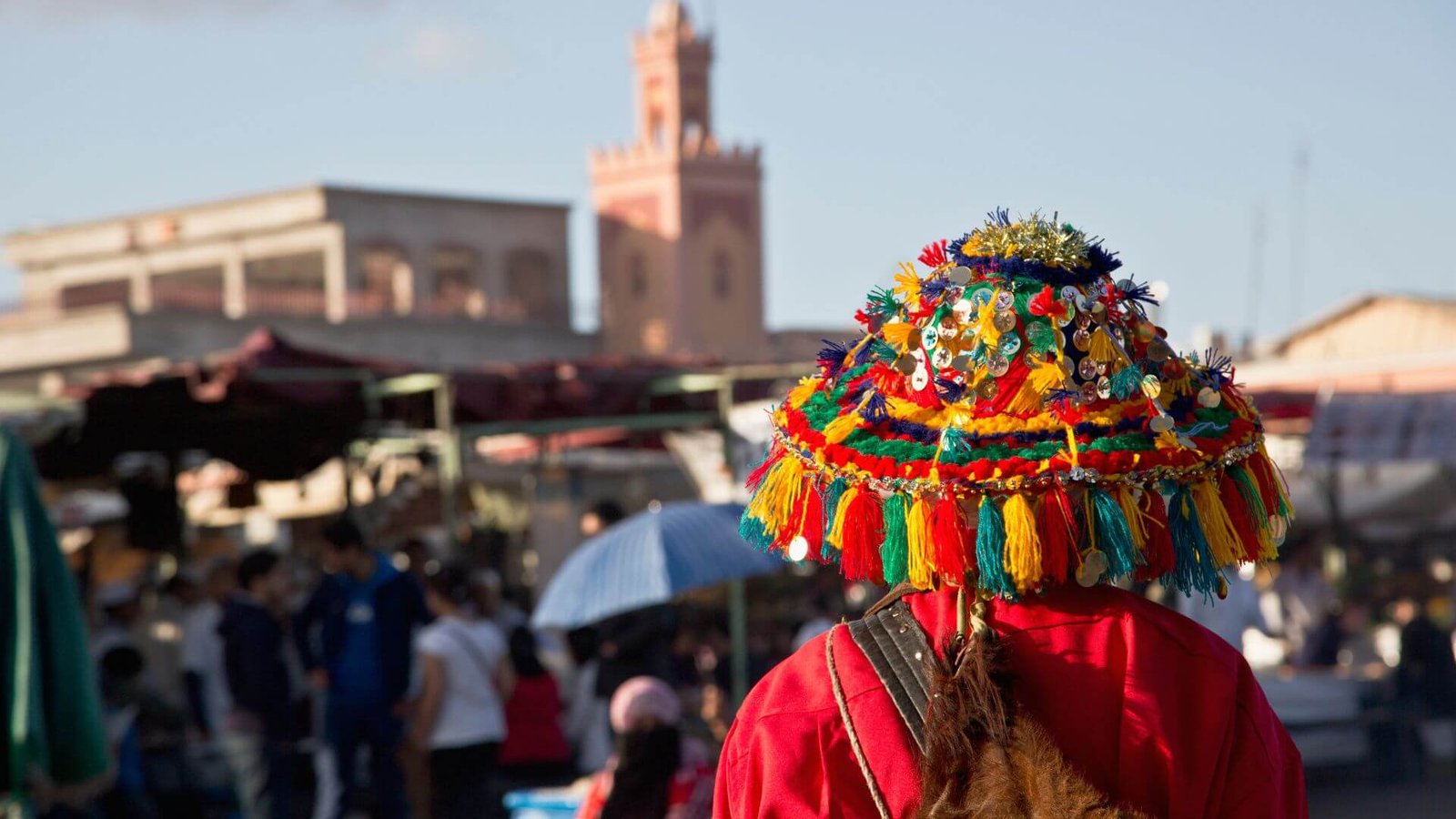
Day 2: Gardens, Palaces, and the Modern Side of Marrakech
Day 2 uses the three-day itinerary’s Day 2 structure as its base — Majorelle Garden in the morning, Gueliz lunch, northern Medina in the afternoon — but the four-day format allows for a more relaxed pace at each stop and a fuller evening.
Morning: Majorelle Garden & Yves Saint Laurent Museum
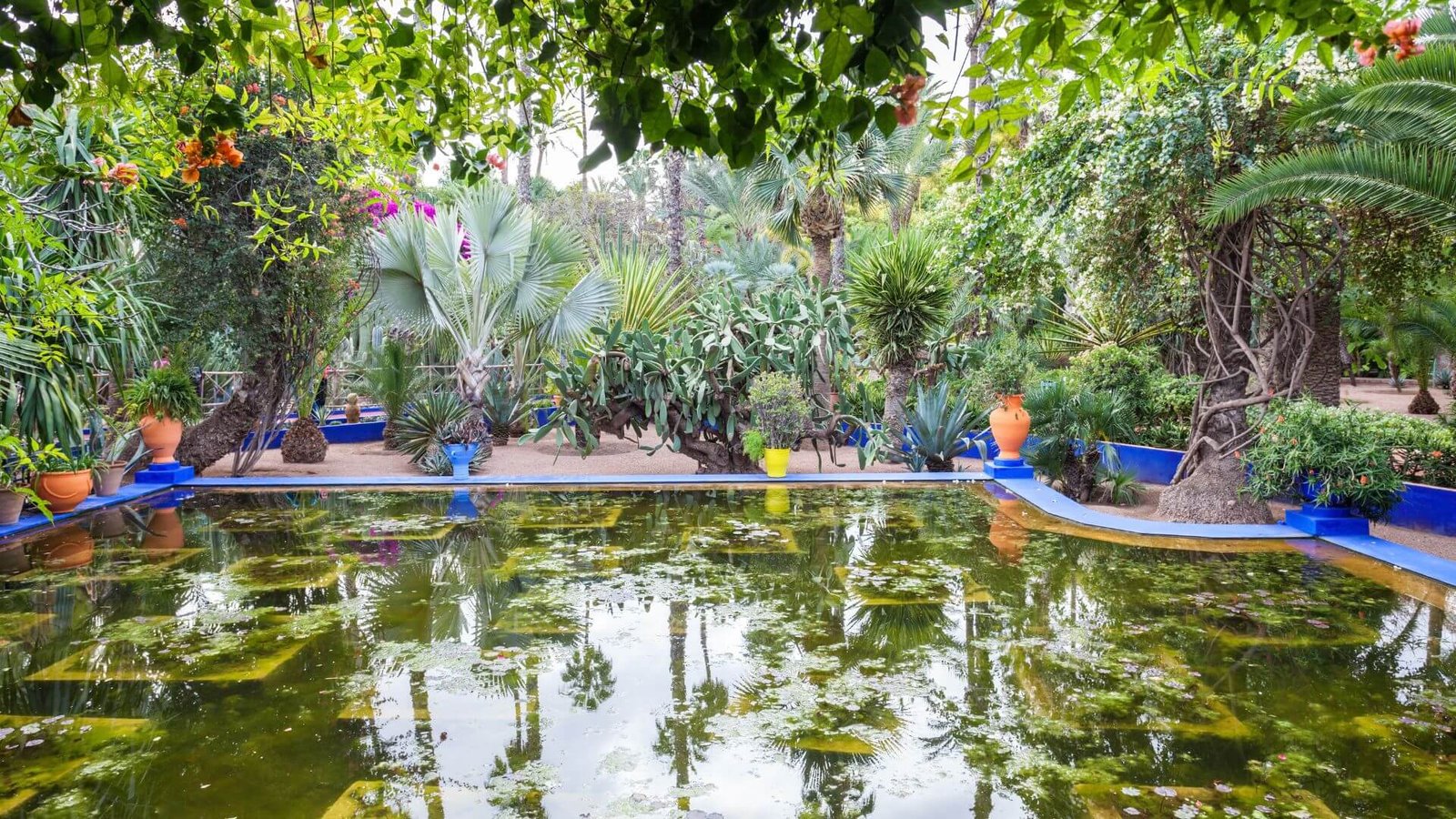
Majorelle Garden opens at 8am. The garden covers 1.2 hectares — bamboo groves, cactus gardens, the famous Majorelle blue pavilion, and the Berbère Museum inside. Allow 30–45 minutes for the garden and 20–30 minutes for the museum. The YSL Museum is immediately adjacent — the permanent collection covers the designer’s Moroccan period (1966–2008) and is relevant specifically to Marrakech, since the city’s palette and architecture directly influenced his work. If fashion and design history are not priorities, the time is better spent with a longer breakfast at a Gueliz café. Book both tickets in advance; the garden sells out on peak days.
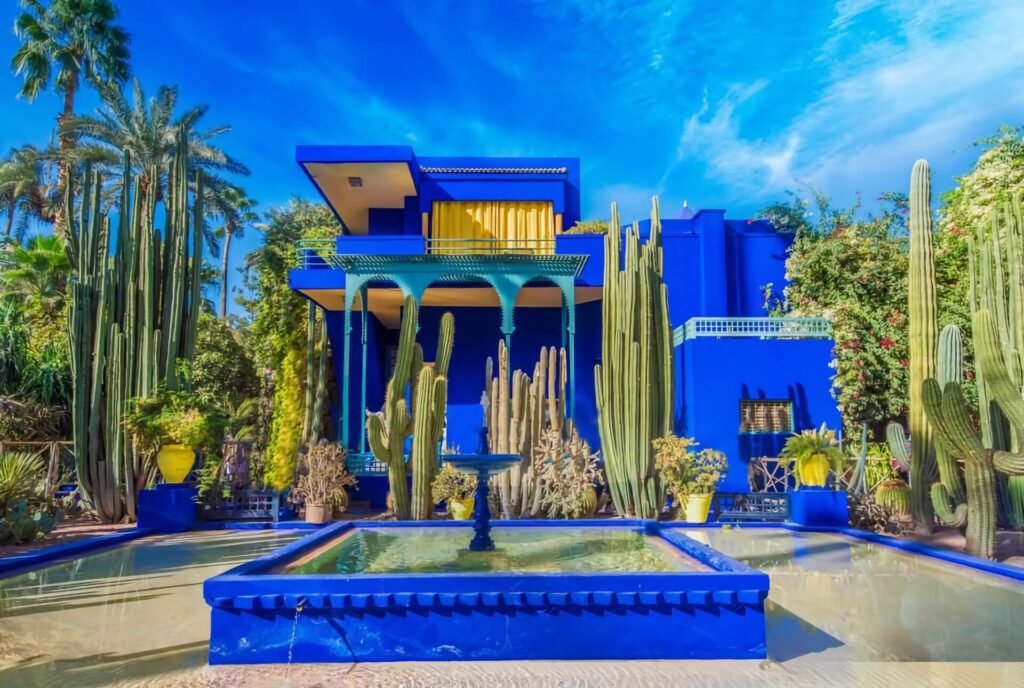
Lunch: Modern Marrakech Cafés
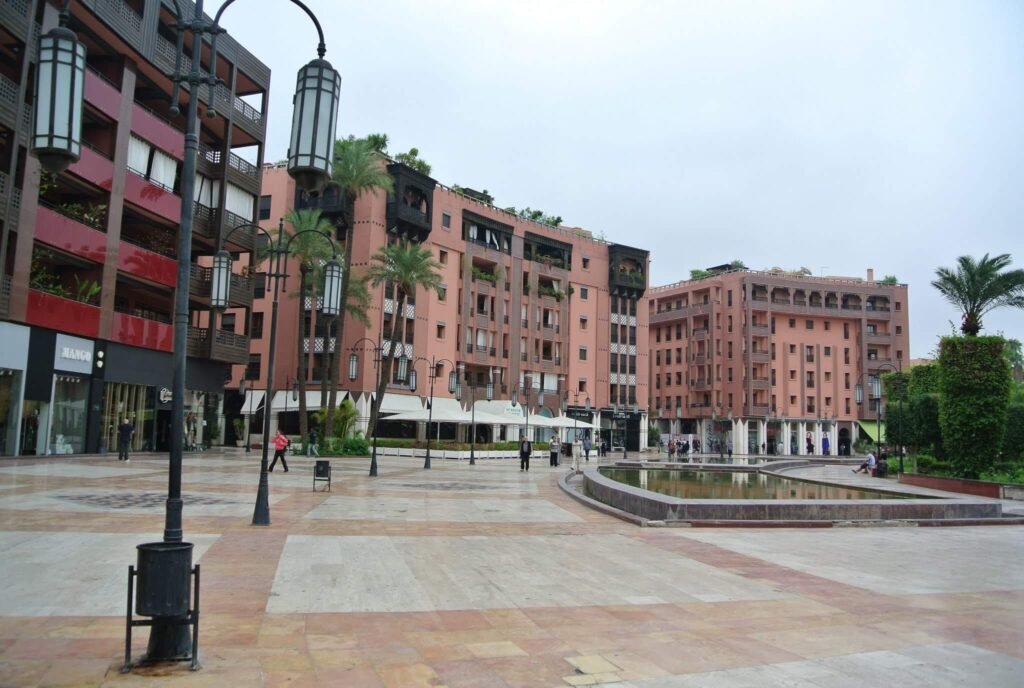
The 15-minute taxi ride from Majorelle Garden to Gueliz is a deliberate transition. The Grand Café de la Poste (avenue Imam Malik, 1920s colonial building) is the reference address — French-influenced menu, terrace, reliable coffee. Café du Livre (rue Tariq ibn Ziad) is quieter and better for a working or reading lunch. The contrast with the Medina’s compressed medieval streetscape — the same city, different century — is the point of the detour and worth noticing.
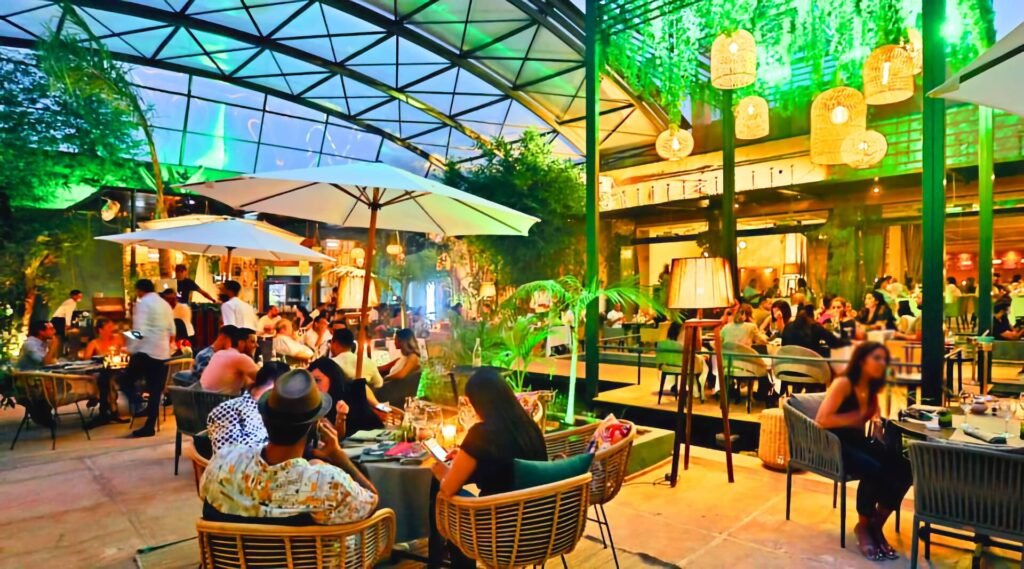
Afternoon: Explore the Modern Districts
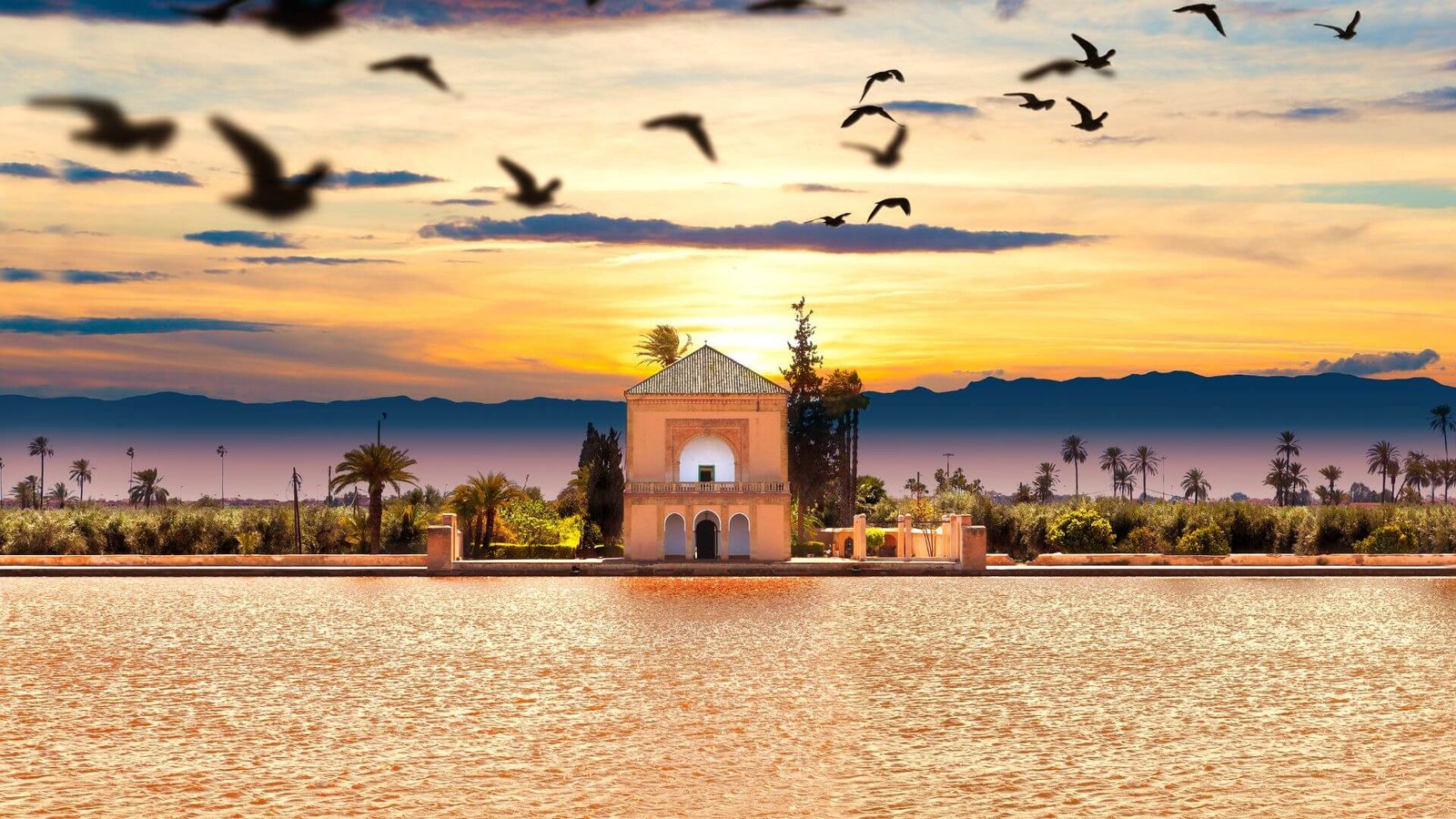
With the four-day format, the afternoon has more options than the three-day version. Le Jardin Secret in the northern Medina (16th-century private garden, opened to visitors 2016, 3,000 square metres with rooftop terrace views) is the most specific cultural option. The Menara Gardens (4km west of the Medina, 19th-century olive grove and reflecting pool with Atlas backdrop) are better suited to the four-day visitor who wants to see Marrakech’s geographic context — the Atlas visible behind the pool on clear days. The contemporary art gallery circuit in Gueliz (Galerie 127 on avenue Mohammed V, La Qoubba Galerie near Ben Youssef) is worth an hour for visitors with specific interest in contemporary Moroccan art.
Evening: Sunset & Dinner
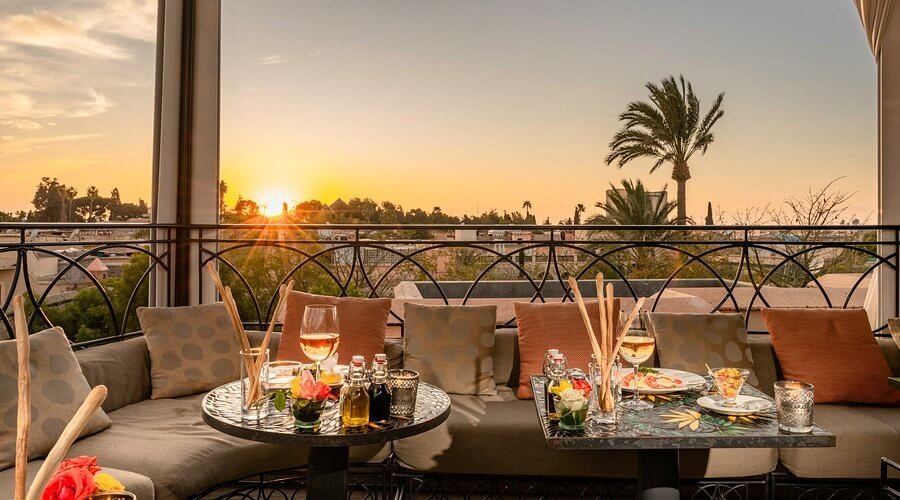
The four-day format allows for a proper dinner reservation rather than an improvised evening meal. Dar Moha (rue Dar el-Bacha) is the reference mid-range riad restaurant — courtyard setting, multi-course traditional menu, live music, book ahead. For a rooftop option: Terrasse des Épices in the northern Medina has the most consistent Koutoubia views and a full dinner menu. For a contemporary option with wine: Bo-Zin in Hivernage (garden setting, fusion cuisine, full wine list, 20 minutes by taxi).
Local Tip: Day 2 is specifically designed to balance the Medina intensity of Day 1. The Gueliz lunch and the option of a garden afternoon are deliberate decompression rather than secondary choices. Visitors who push through the Medina on both Day 1 and Day 2 without this contrast typically find Day 3 harder than it needs to be.
Day 3: Day Trips & Unique Experiences Around Marrakech
Day 3 is the day outside the city. The four-day format is the minimum that makes a day trip worthwhile — with only three days, a full day outside the city leaves insufficient time in Marrakech itself. With four days, dedicating Day 3 to a day trip or a full city experience (cooking class, hammam, deeper cultural circuit) is the correct use of the time.
Option 1: Atlas Mountains Excursion
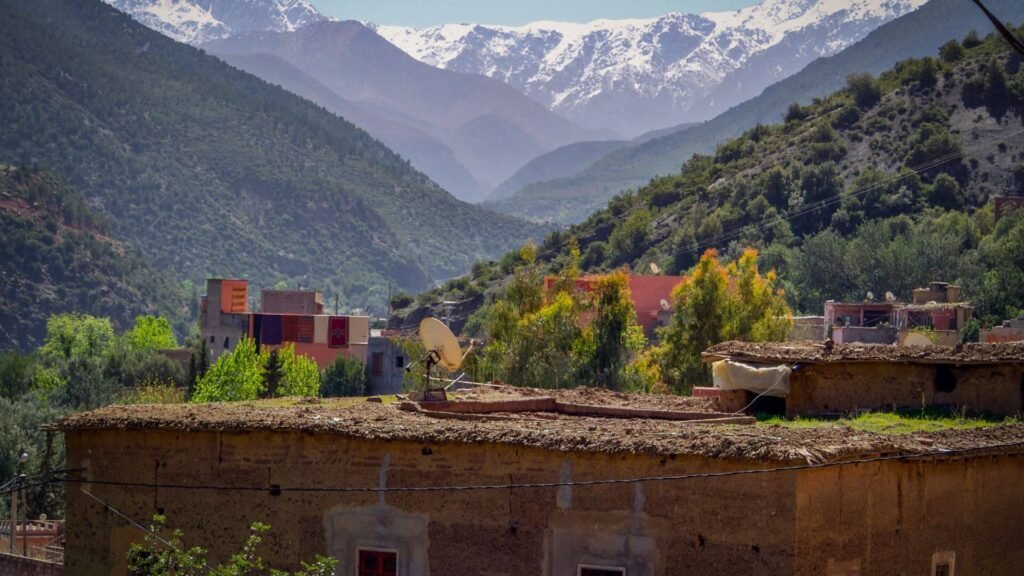
The Ourika Valley (30km south of Marrakech, 40 minutes by car) is the most accessible Atlas day trip and the one that gives the clearest sense of the transition from the pre-Saharan plain to the mountain landscape. Berber villages line the valley road; waterfalls in the upper valley are the standard endpoint. Full-day tours include the Imlil trailhead (55km south, the base camp for Atlas trekking) and lunch with a Berber family in a mountain village. The Atlas Mountains are not the Sahara — the landscape is green in spring, snow-capped in winter, and consistently cooler than Marrakech by 5–10°C. Book organised transport; the Ourika Valley road requires road knowledge that adds stress to an independent visit.
Option 2: Agafay Desert Adventure
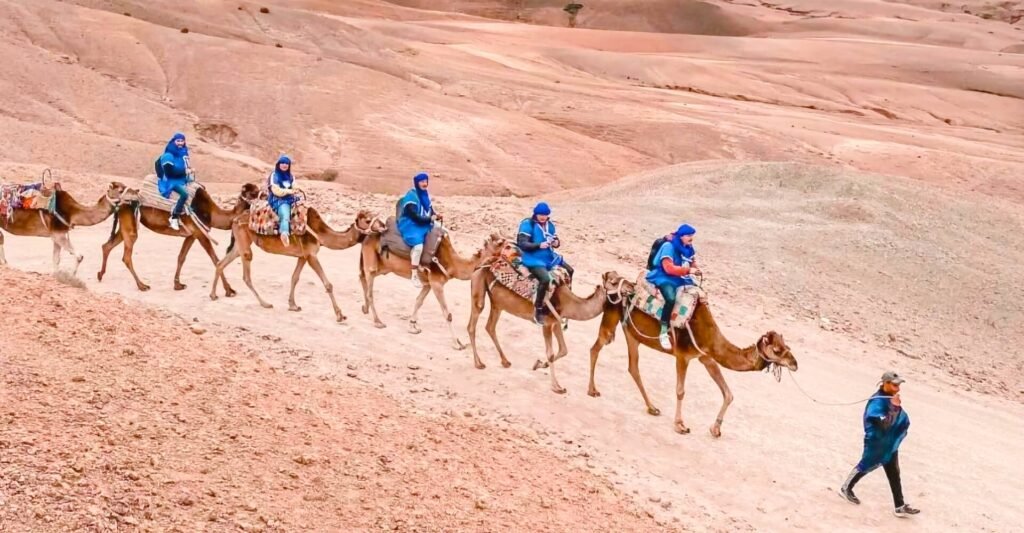
The Agafay plateau (40 minutes southwest of Marrakech) is a rocky lunar desert rather than a sand dune landscape. The visual effect — flat grey stone extending to the Atlas Mountains on the horizon, no vegetation, no sound — is distinctive and specific. Luxury camps in the Agafay offer camel rides, quad bikes, and sunset dinners with Atlas views. Half-day tours (4–5 hours door-to-door) are the correct format for a day trip in a 4-day itinerary — a full day in the Agafay is logistically possible but the landscape doesn’t require it.
Option 3: Cooking Class or Hammam
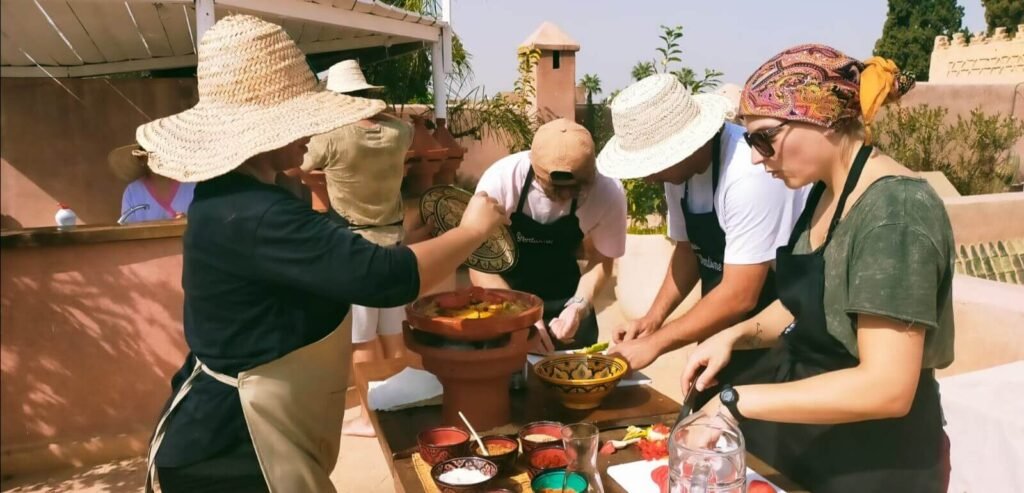
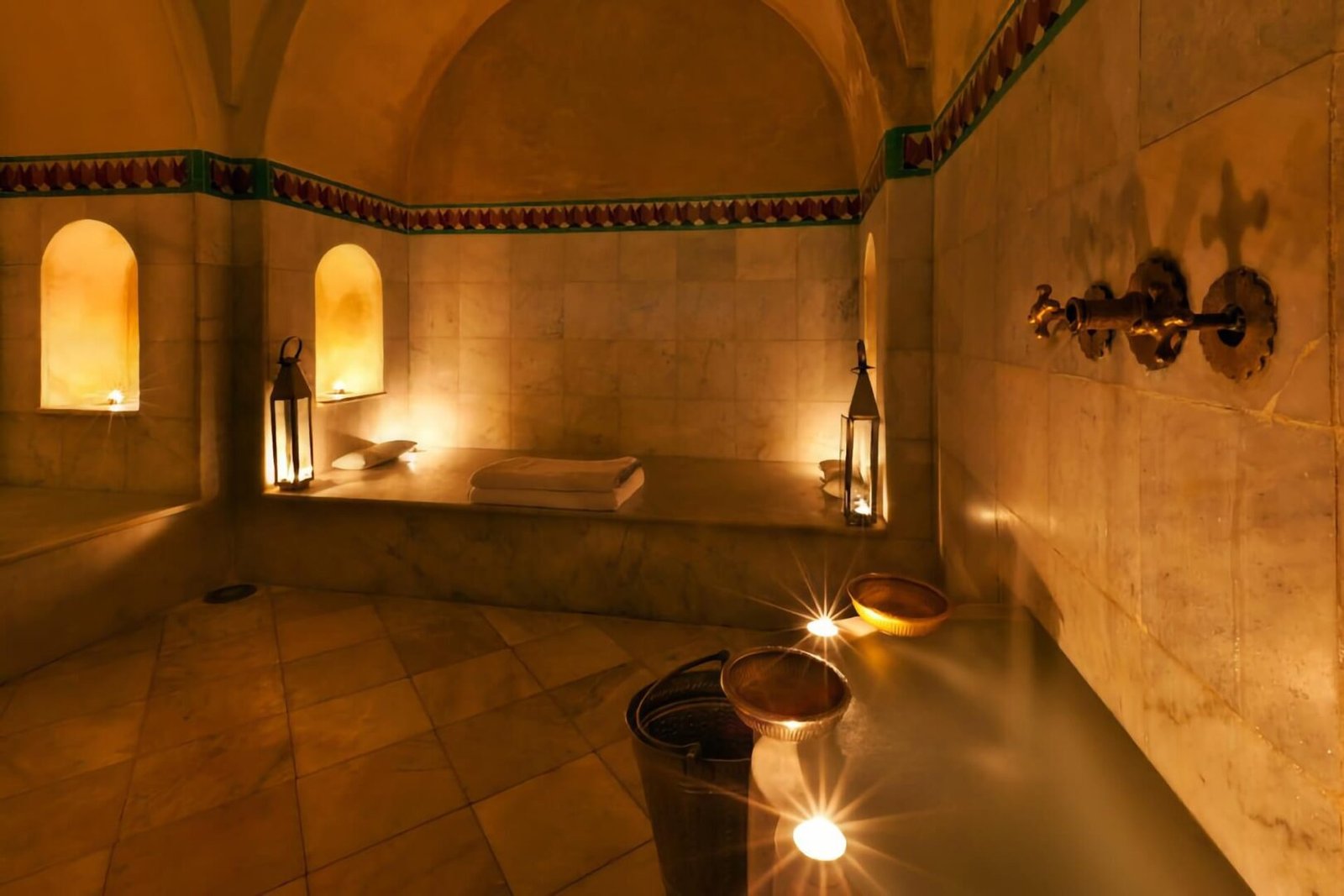
For visitors who prefer staying in the city, a Moroccan cooking class is the most structured cultural activity available. Most riad-based classes run 3 hours and cover a tagine, a salad selection, and mint tea preparation — the cooking is accessible and the format is social rather than technical. Several riads in the Medina offer morning classes (9am–12pm) that fit cleanly into the Day 3 framework. A hammam, if not taken on Day 2, is the alternative — allow 90 minutes and book in advance.
Evening: Return & Relax
After a day trip or a full city activity, the evening should be simple. A riad dinner (book ahead if choosing a riad restaurant) or a return to the Jemaa el-Fna for a food stall dinner are both appropriate. The food stall dinner is specifically useful after a day trip because it provides the Marrakech evening atmosphere without requiring advance booking or a taxi.
Local Tip: The three Day 3 options are genuinely different in character and not interchangeable — the Atlas Mountains trip gives landscape context, the Agafay gives desert atmosphere, the cooking class gives cultural intimacy. Choose based on what the first two days have revealed about what the visit is for, not based on which sounds most impressive in a recap.
Day 4: Deeper Exploration & Flexible Experiences
Day 4’s function in the four-day itinerary is consolidation. By this point the Medina’s navigation is familiar, the daily rhythm is established, and the visit has a clear character. The morning is the most valuable part of the day — the afternoon typically softens toward departure preparation. The options below are ordered by the degree of structure they require.
Morning: Hidden Gems or Last-Minute Shopping
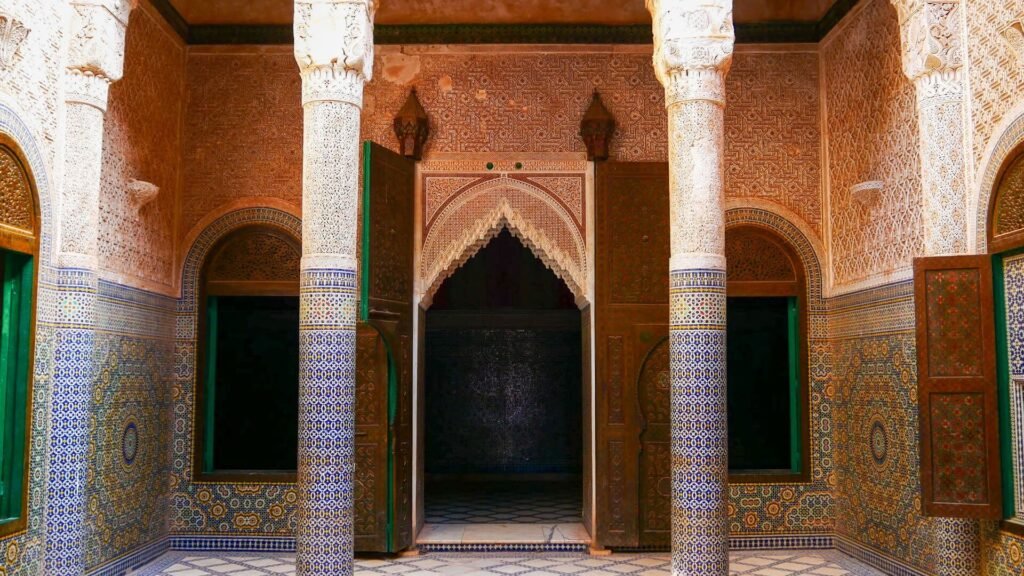
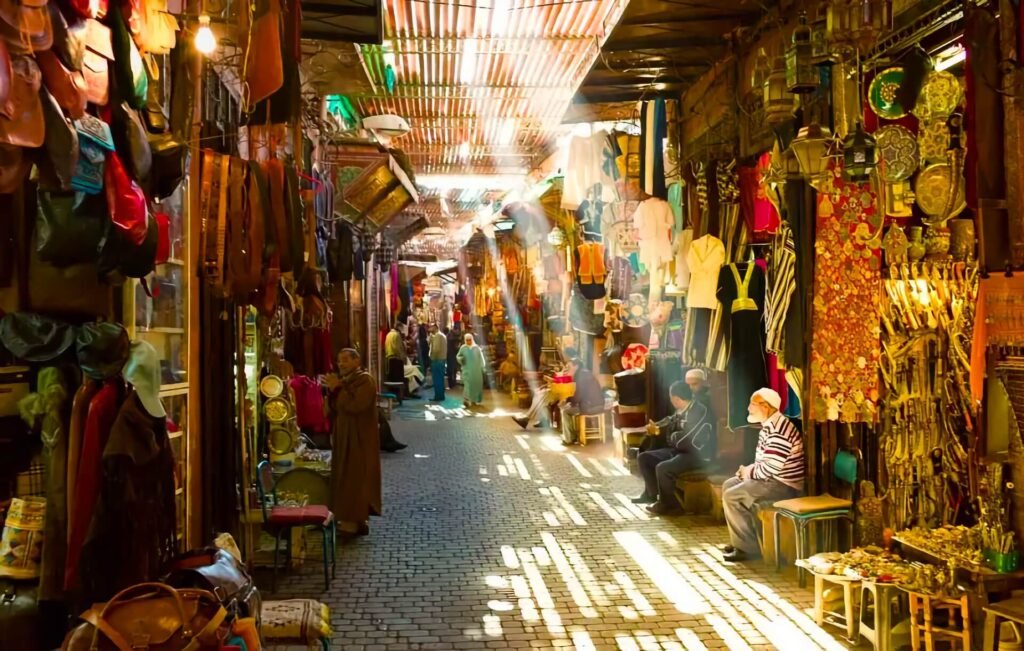
The northern Medina around Mouassine and Dar el-Bacha is the area most first-time visitors don’t reach adequately in three days. The Medersa Ben Youssef (14th-century Quranic school, architecturally the most refined interior in the Medina — carved stucco, cedar screens, zellige mosaic) requires 45–60 minutes and is at its best before 10am when the crowds are thin. The Maison de la Photographie (rue Ahl Fès, four floors of historical photography of Morocco from the 1870s, rooftop terrace with mint tea) is 20 minutes’ walk from the Medersa and adds another 45–60 minutes. For shopping: the Mouassine neighbourhood has a higher concentration of design-quality boutiques (fixed prices, curated stock) than the central souk circuit, which is more oriented toward negotiated purchases.
Lunch: Local Favorites
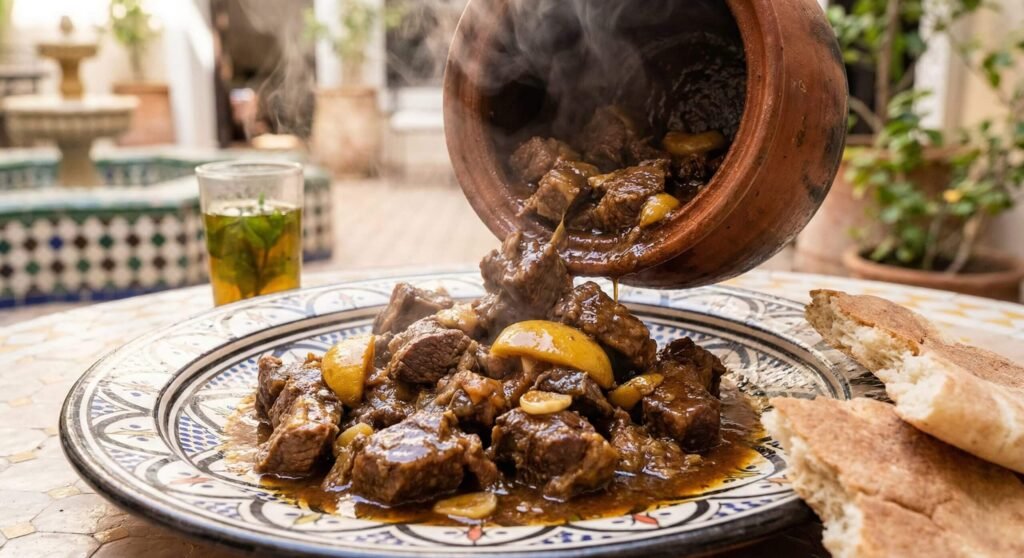
A neighbourhood restaurant rather than a tourist-facing one. The streets around Bab Doukkala in the western Medina, the Mellah market on place des Ferblantiers, and the food alleys off the Rahba Kedima all have small restaurants serving a local clientele at local prices (tagine or couscous with bread and mint tea: 40–80 dirhams). This is the most honest Moroccan restaurant meal available in the Medina and worth seeking specifically on the final day.
Afternoon: Optional Experience
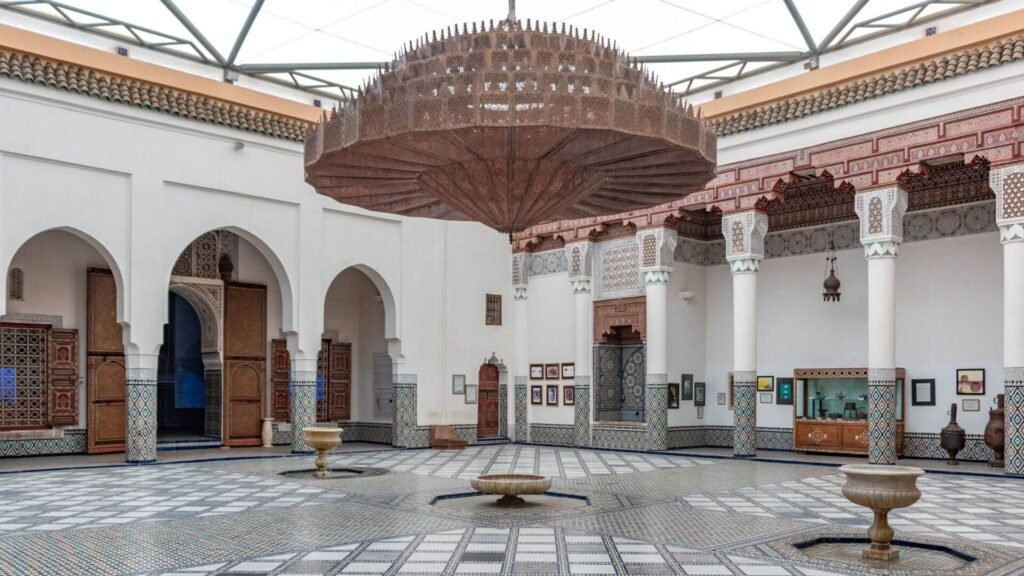
At this point the itinerary is explicitly personal — the right afternoon activity is the one that fills the gap left by the first three days. Hammam if not taken yet (Les Bains de Marrakech, Hammam de la Rose, or a riad hammam — 90 minutes, book in advance). Musée de Marrakech (place Ben Youssef, 19th-century palace, collection covering Moroccan ceramics, textiles, historical documents — 45–60 minutes, no advance booking needed). A calligraphy or leather workshop in the artisan quarter if hands-on craft is the interest. Or simply a return to the riad for a final afternoon in the courtyard.
Evening: Farewell Sunset & Reflection
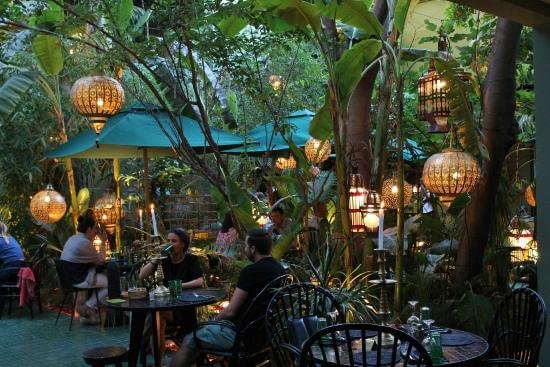
The final evening works best as a single pre-chosen experience. The Menara Gardens at sunset — the 19th-century reflecting pool with the Atlas on the horizon, the late afternoon light on the olive trees — is a specifically Marrakech experience that doesn’t require a reservation or a taxi further than 15 minutes from the Medina gate. For dinner after: a riad restaurant booked in advance (Dar Moha, Dar Yacout if budget allows, or one of the Mouassine area mid-range riad restaurants) is the appropriate final evening format for a four-day visit.
Local Tip: Day 4 is about savouring what the first three days established rather than adding new experiences. The best final-day activity is usually a return to something that stood out earlier — a souk section, a café, a view — rather than a first encounter with something new.
Where to Stay for This 4-Day Marrakech Itinerary
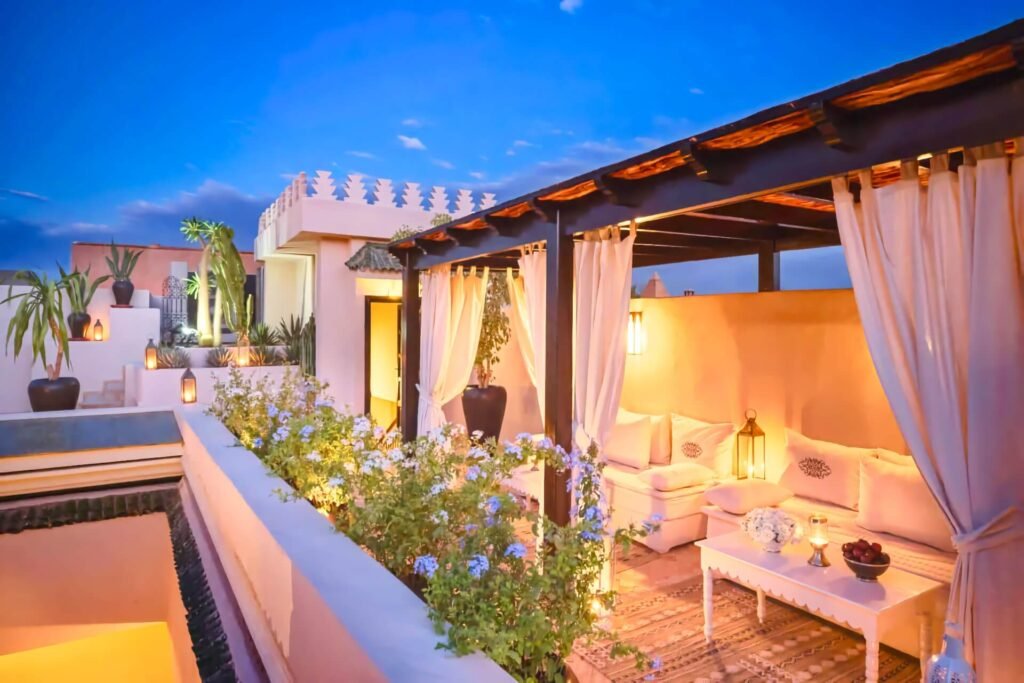
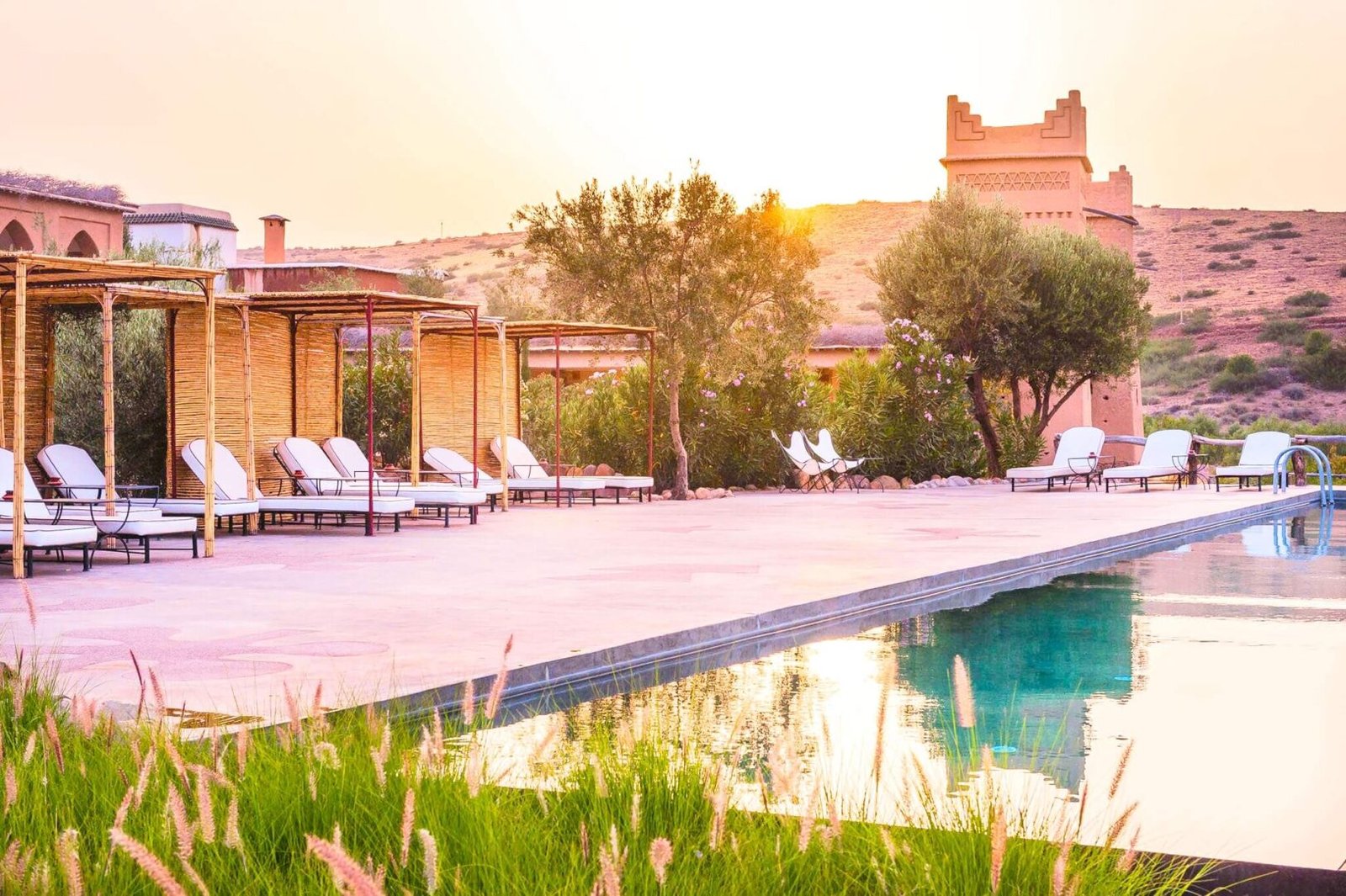
Four days makes accommodation choice more significant than shorter trips — you’ll develop a relationship with the space, and the quality of the riad courtyard, breakfast, and rooftop becomes part of the experience rather than incidental to it. The three options below cover the main configurations, with the split stay specifically worth considering for a four-day visit.
Stay in the Medina (Best Overall Experience)
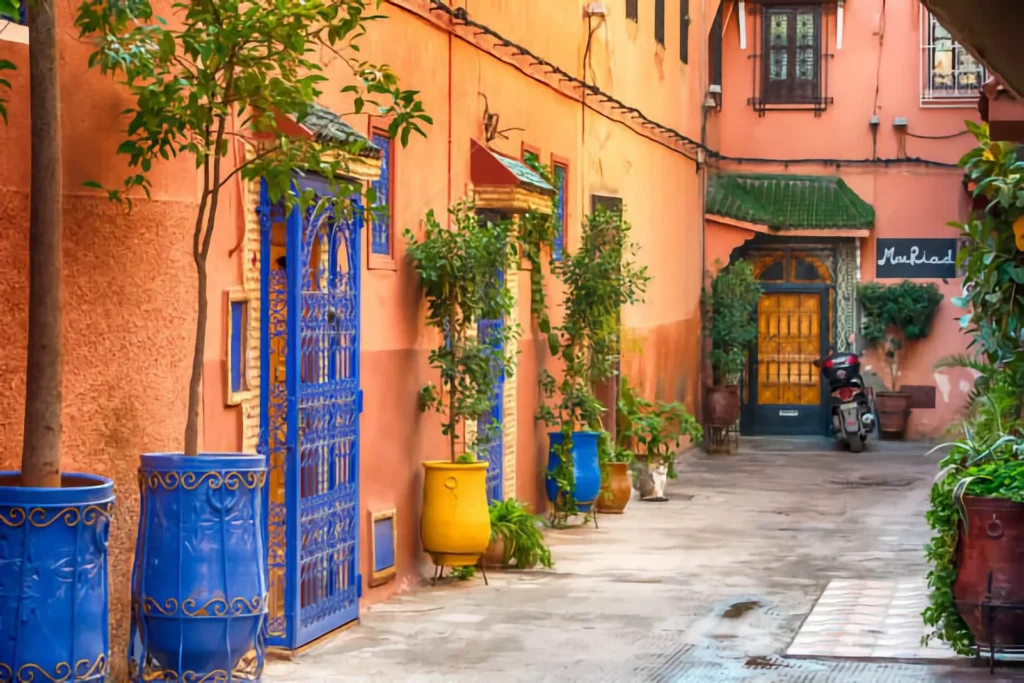
All four days of this itinerary have significant Medina activity. A Medina riad puts Days 1 and 4’s Medina programmes at walking distance, and the familiarity that develops over four nights — the entrance route, the breakfast courtyard, the rooftop at dusk — is part of what makes a longer Marrakech stay rewarding rather than just efficient.
- Walk to major landmarks, souks, and the Jemaa el-Fna for all four days
- Authentic riad experience that deepens over multiple nights
- Ideal for first-time visitors and anyone who wants the full Marrakech immersion
Best for: first-time visitors, couples, anyone who wants the complete Marrakech experience.
Split Your Stay (Highly Recommended for 4 Days)
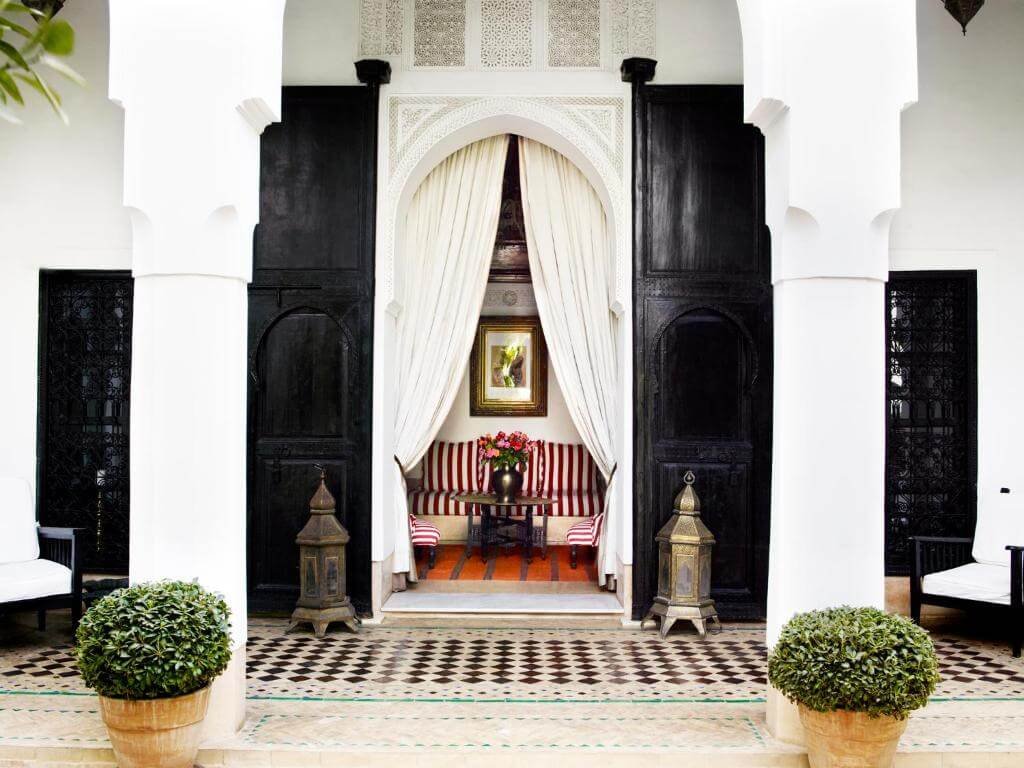
The four-day format is specifically suited to a split stay: two nights in a Medina riad for the Day 1 and Day 2 Medina and Gueliz activities, then two nights in Gueliz or Hivernage for Days 3 and 4. The split puts you closer to Day 3’s departure points (Atlas Mountains and Agafay tours typically depart from Gueliz or from outside the Medina gates) and makes Day 4’s departure to the airport smoother.
- Direct experiential comparison between the two cities that make up Marrakech
- Gueliz or Hivernage for Days 3 and 4 is more practical for organised tour departures and airport proximity
- Logistics: check out of Medina riad on morning of Day 3, leave luggage, collect after the day trip, check in to Gueliz hotel in the evening
Best for: travellers who want to experience both registers of the city; those doing a Day 3 day trip.
Stay in Hivernage or Gueliz (Comfort & Ease)
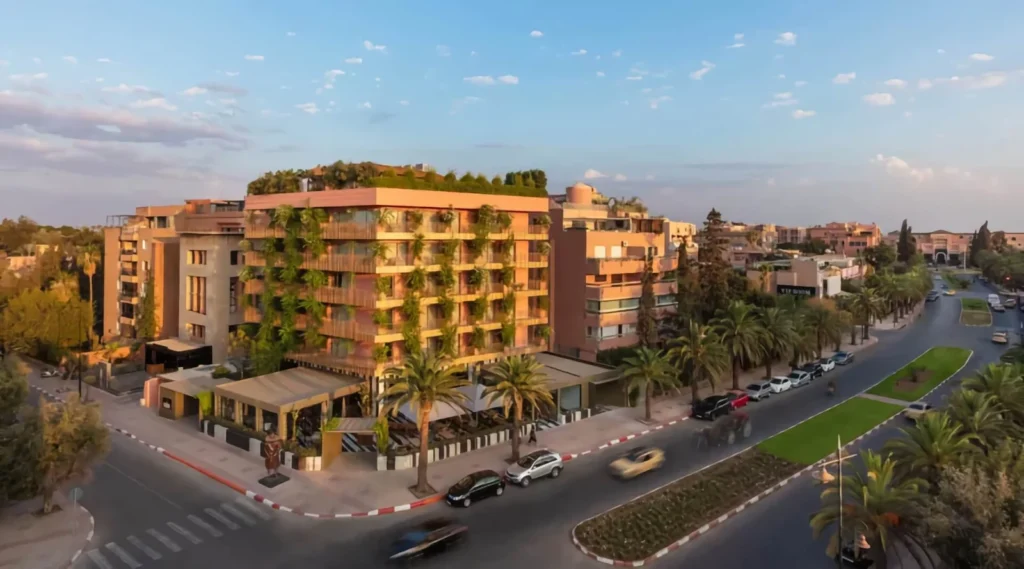
Hivernage and Gueliz hotels offer consistent physical comfort — guaranteed air conditioning, lift access, international service standards — that Medina riads can’t uniformly match. The daily taxi to and from the Medina over four days adds up to 8 trips; at 25–40 dirhams each way, the cost is minor (approximately €15–20 total) but the friction and time are real. Worth it for visitors for whom infrastructure reliability is a priority.
- Modern hotels, cafés, and restaurants in Gueliz and Hivernage
- Quieter surroundings at night
- 10–15 minute taxi to the Medina for each day’s activities
Best for: comfort-focused travellers; returning visitors who have done the Medina riad experience previously.
The smart tip here is correct: if it’s your first time, start in the Medina and use the riad experience to orient you to the city. The Medina riad on Day 1 and 2 puts you physically inside what you’re visiting, which makes the daily navigation intuitive rather than logistical.
Not sure yet? If you want a curated selection based on different budgets and travel styles, you can explore our full guide here: Where to Stay in Marrakech (Best Areas & Stays)
Getting Around Marrakech (Easy & Efficient)
By Day 2, the navigation patterns are established and movement around the city becomes automatic. The four-day itinerary uses the same three transport modes as the shorter itineraries, with the addition of organised transport for the Day 3 excursion.
Walking (Your Main Way to Explore)
Days 1 and 4 are primarily walking days inside the Medina. Day 2 is partly walking (Le Jardin Secret, Gueliz streets) and partly taxis. Day 3 uses organised transport. The Day 1 and Day 4 walking distances are 10–14 km each; by Day 4 the navigation is familiar enough that the same distance feels less demanding than on Day 1.
- Ideal for all Medina activity — the only practical navigation inside the old city
- Distances between Day 1 monuments (Koutoubia → Bahia Palace → Saadian Tombs) are 25–30 minutes total on foot
- Day 4’s northern Medina circuit (Medersa Ben Youssef → Maison de la Photographie → Mouassine) is walkable in 2–3 hours
Getting slightly lost in the souks is a feature of the navigation, not a problem — the Koutoubia minaret visible above the roofline and the sound of the Jemaa el-Fna are the two reliable reorientation points.
Petit Taxis (Quick & Practical)
All movement between the Medina and Gueliz, Majorelle Garden, Hivernage, and the day trip departure points uses petit taxis.
- Perfect for Day 2 Gueliz and Majorelle movements, and Day 4 afternoon options outside the Medina
- Available at all Medina gates (Bab Doukkala, Bab Leksour) and throughout Gueliz
- Approximately 25–40 dirhams per ride within the city; 70–100 dirhams to the airport
Always agree the price before starting or confirm the meter is running. The meter fare is always correct.
Day Trips (Organised Transport is Best)
The Atlas Mountains and Agafay excursions are structured with transport included as standard. Both the Ourika Valley road and the Agafay plateau access road require knowledge of Moroccan road navigation that makes independent travel substantially more stressful than the experience warrants.
- Transport included in the tour price
- Departure typically 8–9am from accommodation or a central meeting point
- Half-day Atlas or Agafay tours return by 1–2pm; full-day tours return by 5–6pm
Simple rule: Walk inside the Medina, take a petit taxi outside, and use organised transport for anything beyond the city. Over four days this covers every situation in the itinerary without exception.
Tips to Make the Most of Your 4 Days in Marrakech
Six notes that specifically apply to a four-day Marrakech visit — the specific advantages and specific risks of the extra time compared to a two or three-day stay.
Don’t Treat It Like a Checklist
The four-day format is specifically vulnerable to checklist thinking because there’s enough time to add more. The Saadian Tombs, Medersa Ben Youssef, Musée de Marrakech, Le Jardin Secret, Menara Gardens, Maison de la Photographie, a cooking class, a hammam, and a day trip can all fit into four days on paper. In practice, attempting all of them produces the same fatigue as rushing a two-day itinerary. The itinerary above covers the first tier; the Day 4 optional afternoon covers the second tier for whoever it’s relevant to. The rest is for a future visit.
Use One Day for Something Completely Different
Day 3’s day trip option is the most important structural decision in the four-day itinerary. A full day outside the city — in the Atlas mountains, with the geographic context of the High Atlas behind you — produces a different understanding of Marrakech’s position in its landscape than any amount of time inside the city provides. It also provides a natural reset that makes Day 4 more pleasurable than if Day 3 were another Medina day.
Balance Energy, Not Just Activities
The specific four-day pattern: Day 1 (intense Medina), Day 2 (calmer, gardens, Gueliz), Day 3 (day trip or structured activity), Day 4 (free, familiar, slow). This alternation is not accidental — it keeps energy consistent across all four days rather than front-loading the demanding activities. Visitors who put Majorelle Garden and the Saadian Tombs both on Day 1 typically find Days 2 and 3 harder than they need to be.
Refine Your Experience as You Go
By Day 3, the pattern of what’s working is clear. If the souk exploration has been the consistent highlight, Day 4 morning should be in the Mouassine quarter and the northern Medina’s artisan areas. If the rooftop lunches and the café circuit have been the highlight, Day 4 should be structured around a slow Gueliz morning and a final riad lunch. The itinerary is a framework; adjust it by Day 3 rather than following it rigidly through Day 4.
Book Key Experiences Early
Majorelle Garden (peak season weekends), the hammam (evening slots), the Day 3 day trip (especially Atlas Mountains tours in high season), and any riad dinner on Day 2 or Day 4 evening all benefit from advance booking. Everything else in this itinerary is walk-in or same-day. Booking the advance items before departure eliminates the most common source of itinerary friction.
End Each Day Intentionally
The four evenings in this itinerary are individually important: Day 1’s Jemaa el-Fna at full operation, Day 2’s dinner reservation, Day 3’s riad or food stall dinner after the day trip, Day 4’s final sunset and farewell dinner. The evenings are not downtimes to be managed — they’re the part of the Marrakech day that is specifically different from any other city. Rushing dinner to get back to the accommodation by 9pm misses the point of spending four days here.
Alternative Ways to Experience Marrakech in 4 Days
Four ways to adjust the standard four-day plan for different priorities.
If You Want a More In-Depth Cultural Experience
Replace Day 3’s day trip with a full cultural day in the northern Medina. The Medersa Ben Youssef, Musée de Marrakech, Maison de la Photographie, and Le Jardin Secret form a coherent half-day circuit in the northern Medina around place Ben Youssef. Add the afternoon at the Mellah (Jewish quarter) — the place des Ferblantiers market and the narrow streets of the old Jewish neighbourhood — and Day 3 becomes the most historically layered day of the four. This version is appropriate for travellers whose primary interest is urban history and architecture rather than landscape.
If You Want to Include a Full Day Trip
The standard four-day itinerary uses Day 3 for a half-day or full-day excursion. For visitors who want a longer Atlas experience — including the Imlil trailhead and a proper mountain lunch — a full-day tour (8am–6pm) is the correct choice. This compresses Day 4’s activities slightly but produces a more complete Atlas experience. Alternatively, use Day 3 for a half-day Agafay experience and Day 4 morning for the northern Medina cultural circuit, achieving both the landscape contrast and the cultural depth without sacrificing either.
If You Prefer a Slower, More Relaxed Pace
Remove one major activity from each day and replace it with extended time at the remaining ones. Bahia Palace plus two hours in the souks is a complete Day 1 without the Saadian Tombs (add those to Day 4 instead). Day 2 without Le Jardin Secret in the afternoon — a longer Gueliz lunch and a return to the riad — maintains the contrast with Day 1 without the additional movement. Over four days at this pace, the itinerary feels like a stay rather than a tour.
If You Want a More Experience-Based Trip
Replace one sightseeing activity per day with a hands-on one. A morning cooking class replaces the Majorelle Garden morning on Day 2 (Majorelle Garden moves to Day 4 morning instead). A leather tanning workshop in the Chouara tannery area replaces the afternoon souk exploration on Day 1. A music or calligraphy session in an artisan workshop on Day 4 afternoon replaces the museum option. This version is activity-dense rather than monument-dense and produces a different relationship with the city — more participatory, less observational.
Frequently Asked Questions About 4 Days in Marrakech
Is 4 days too much for Marrakech?
No — four days is the format where Marrakech becomes most enjoyable. Two days is sufficient for the core; three days adds the garden quarter and a flexible day. Four days adds a day outside the city and a genuinely unhurried final day. Visitors with four days consistently report feeling they left at the right time rather than either too early (the two-day feeling) or slightly too long (which can happen with five or six days in the city alone). Four days in Marrakech — particularly with a Day 3 day trip — is the format that produces the most complete sense of the city and its context.
What can I do in Marrakech in 4 days?
The itinerary above covers: the Koutoubia, Bahia Palace, and Saadian Tombs (Day 1); Jemaa el-Fna at sunset and night (Day 1 evening); Majorelle Garden and YSL Museum (Day 2 morning); Gueliz (Day 2 lunch); Le Jardin Secret or Menara Gardens (Day 2 afternoon); a riad dinner (Day 2 evening); an Atlas Mountains or Agafay day trip (Day 3); a cooking class or hammam (Day 3 city option); Medersa Ben Youssef and Maison de la Photographie (Day 4 morning); and a final sunset at the Menara Gardens or a farewell riad dinner (Day 4 evening). Not all of these in the same trip — the itinerary sequences them — but all four are accessible within the format.
Should I stay in one place or split my stay?
For a four-day visit, the split stay is specifically worth considering. Two nights in a Medina riad establishes orientation and gives the riad experience time to be meaningful. Two nights in Gueliz or Hivernage for Days 3 and 4 puts you closer to the day trip departure points, makes airport departure smoother on Day 4, and provides the physical comfort infrastructure that some visitors find lacking in Medina riads after two nights. The split stay is not always practical (two check-ins, two sets of luggage logistics) but for visitors who value both the riad experience and the comfort infrastructure, it’s the correct format.
Can I do a desert trip with 4 days in Marrakech?
Yes, with the right expectation. The Agafay desert (40 minutes from Marrakech, rocky plateau landscape) is accessible as a half-day or full-day trip on Day 3 and is the correct desert experience for a four-day Marrakech itinerary. The Sahara at Merzouga (sand dunes, camel sunrise) requires a minimum of 9 hours each way from Marrakech and is not realistic as a day trip — it requires two additional travel days minimum. For visitors specifically wanting the Sahara, the five-day itinerary (which includes a dedicated two-day desert circuit) is the correct format.
Is it better to plan everything in advance?
Book the advance items before departure: Majorelle Garden tickets (peak season), the Day 3 excursion, the hammam (evening slot), and any riad dinner reservation. Leave Days 4’s optional afternoon open — by the time you’re in Day 4, you’ll know what the visit has been missing. Overplanning Day 4 specifically removes the benefit of the extra day, which is flexibility rather than efficiency.
What's the biggest mistake to avoid?
Treating the four-day format as an opportunity to visit more attractions rather than to visit fewer attractions more slowly. The most common four-day Marrakech mistake is adding the Ourika Valley, the Saadian Tombs, the Medersa Ben Youssef, Le Jardin Secret, Majorelle Garden, and the Menara Gardens to the same three days that already contain the main Medina circuit, Gueliz, and a hammam. This produces a trip that covers more ground but remembers less of it. The itinerary above is the correct density; the alternatives section describes how to adjust it, not how to add to it.
Ready to Plan Your 4 Days in Marrakech?
The four-day itinerary above is the most complete version of the Marrakech city visit available on this site — the city covered properly, a day outside it, and a final day that belongs to the visitor rather than the itinerary. The three links below cover the remaining planning decisions: where to stay (with the split stay option specifically relevant for four days), the top 20 things to do (for context on what’s been included and what’s available for a return visit), and the restaurant guide across all five categories.
Advance bookings required: Majorelle Garden tickets, the Day 3 excursion, the hammam, and any riad dinner on Day 2 or Day 4. Book these before departure; everything else is walk-in.
Explore More Marrakech & Morocco Itineraries
The plans below cover every other trip length available from Marrakech.
-
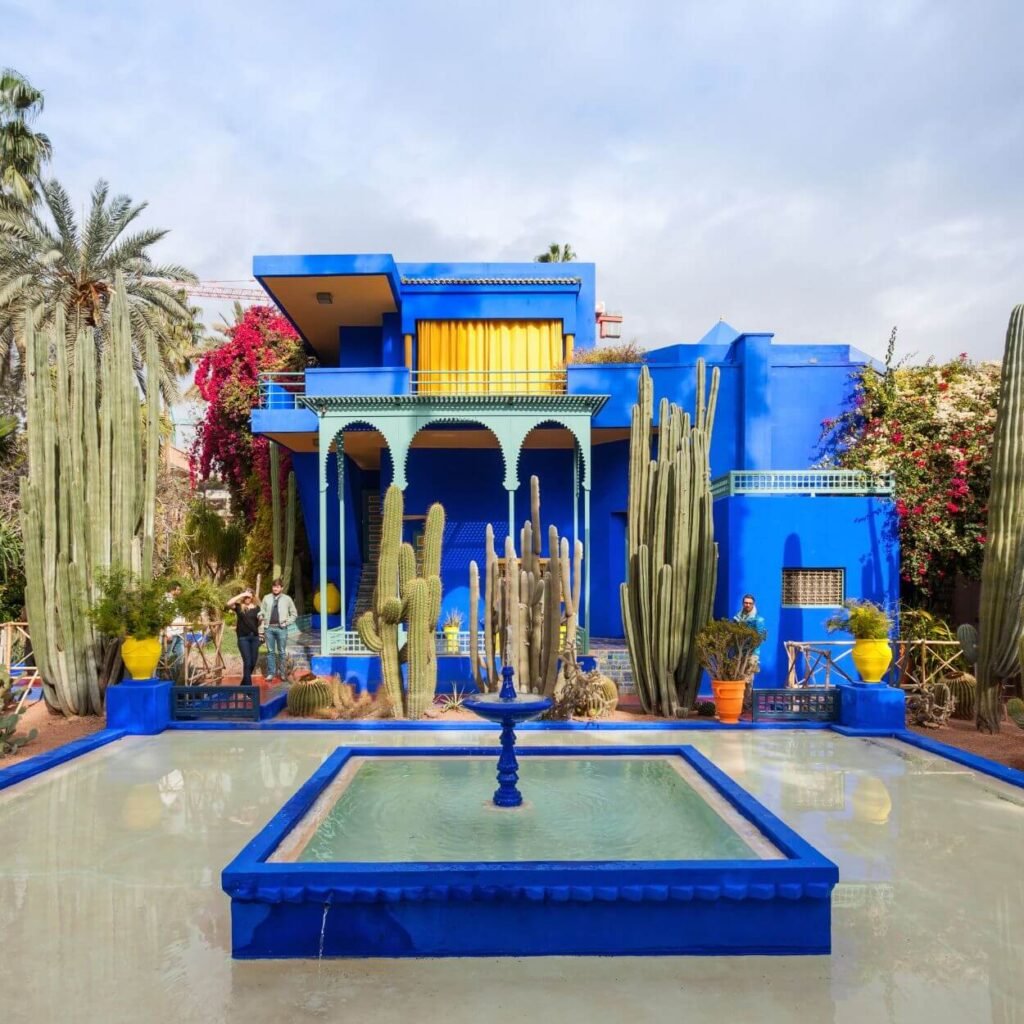
2 Days in Marrakech Itinerary
The same Medina circuit without the Saadian Tombs and without the day trip — useful as a reference for what the extra two days add
-
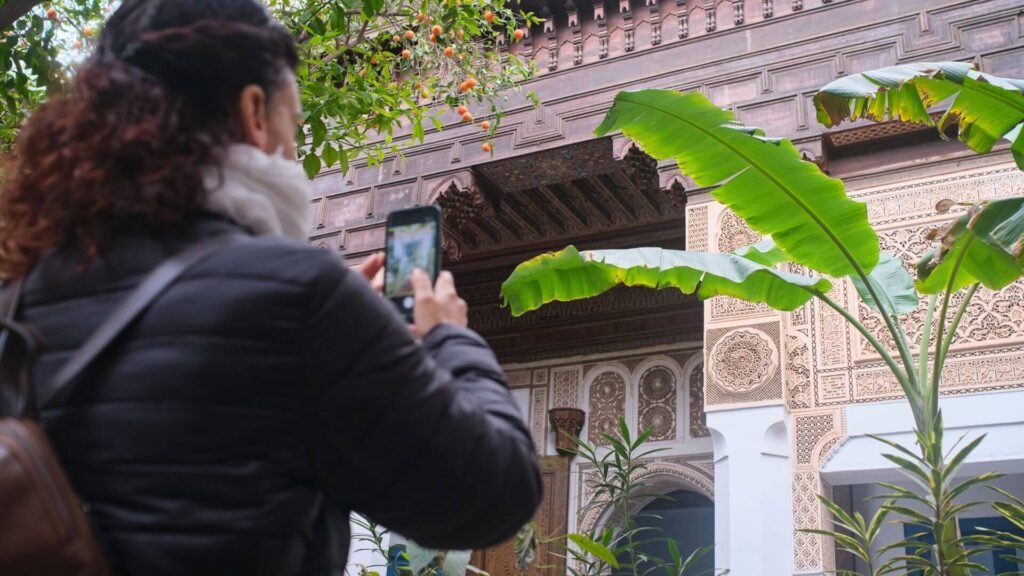
3 Days in Marrakech Itinerary
The city covered properly without a day outside it — the right choice if the Atlas Mountains and Agafay aren't priorities
-
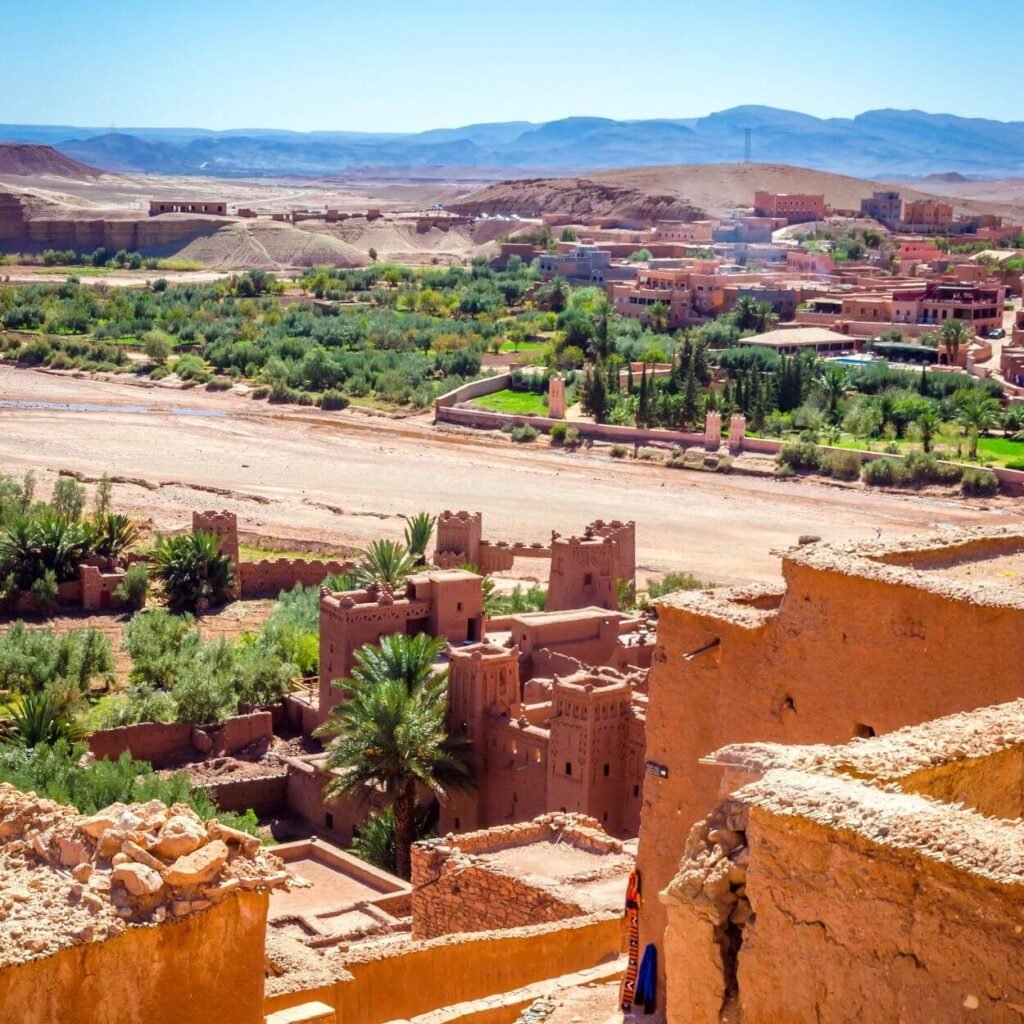
5-Day Marrakech + Desert Itinerary
Three days in the city followed by a two-day Sahara circuit via Ouarzazate — for visitors who want the dunes at Merzouga rather than the Agafay plateau
-
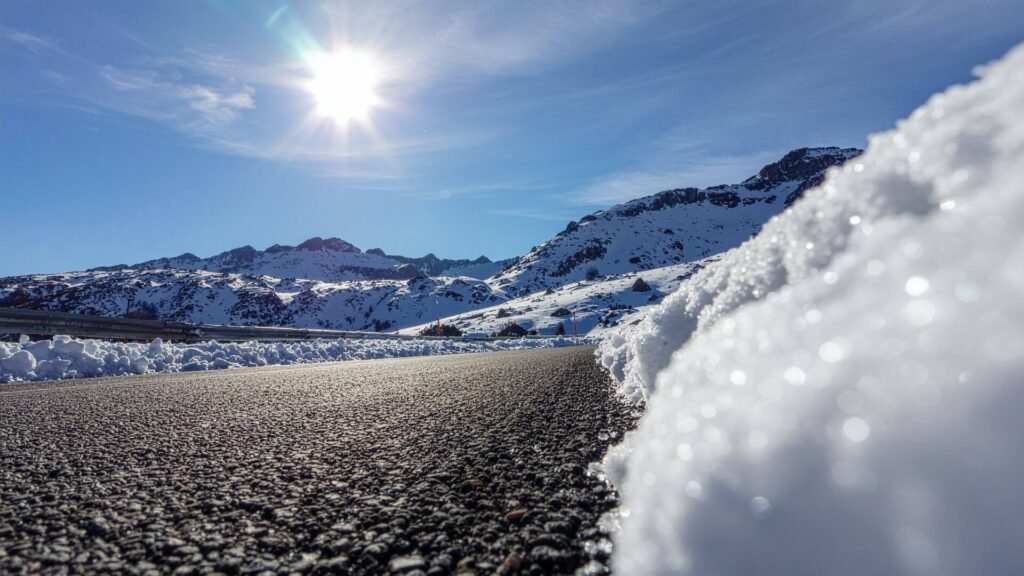
7-Day Morocco Itinerary
Full circuit: Marrakech, High Atlas, Drâa Valley, Sahara, Todra Gorge, Essaouira — the complete southern Morocco route
 Marrakist Concierge