Marrakech Travel Guide: Everything You Need to Plan the Perfect Trip

There are cities you visit, and cities that stay with you. Marrakech belongs firmly in the second category.

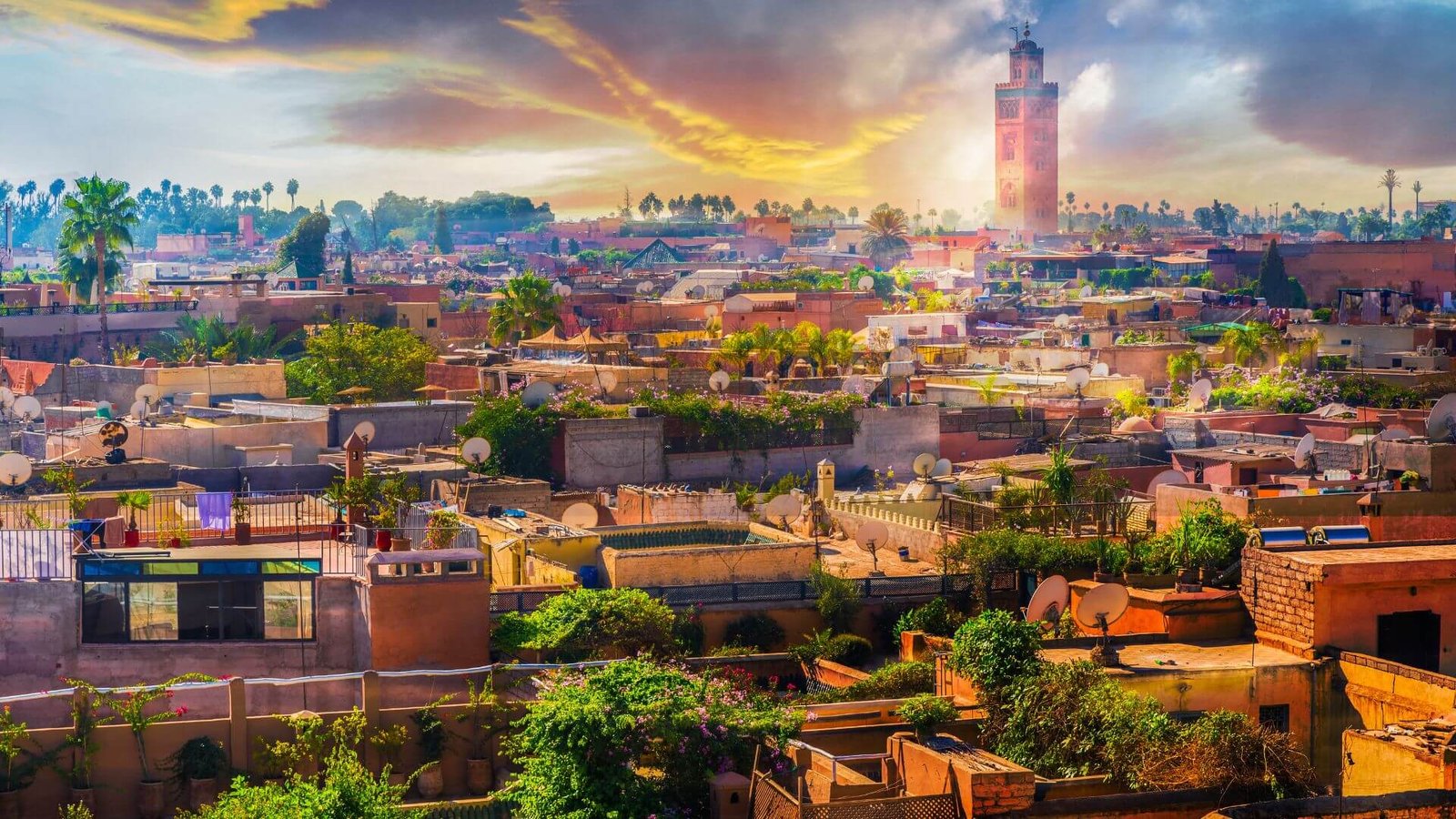
Step through the gates of the Medina and the city hits you all at once — the smell of orange blossom and cumin, the call of merchants layered over distant music, the glow of brass lanterns in alleyways that have looked the same for five hundred years. It’s disorienting, intoxicating, and completely unlike anywhere else.

For centuries Marrakech served as a crossroads of empires — Berber, Arab, Andalusian — and that layering is still visible everywhere: in the carved cedar of a palace doorway, in the spice blends at a souk stall, in the way a traditional riad opens onto a courtyard garden that the street outside gives no hint of.

But Marrakech can also feel overwhelming, especially the first time. The Medina is genuinely maze-like. The best riads are behind unmarked doors. The restaurants worth going to don’t advertise. And a lot of what fills the top results online was written by someone who has never been.

This guide was built differently. It covers everything you need — where to stay, what to do, where to eat, when to go, and how to move around — with the kind of specificity that actually helps you plan. Whether you have two days or a full week, consider this your starting point.

Best time to visit March – May & September – November
Recommended stay 3 – 5 days
Currency Moroccan dirham — withdraw on arrival
Tipping 5 – 10% in restaurants
Marrakech travel tips

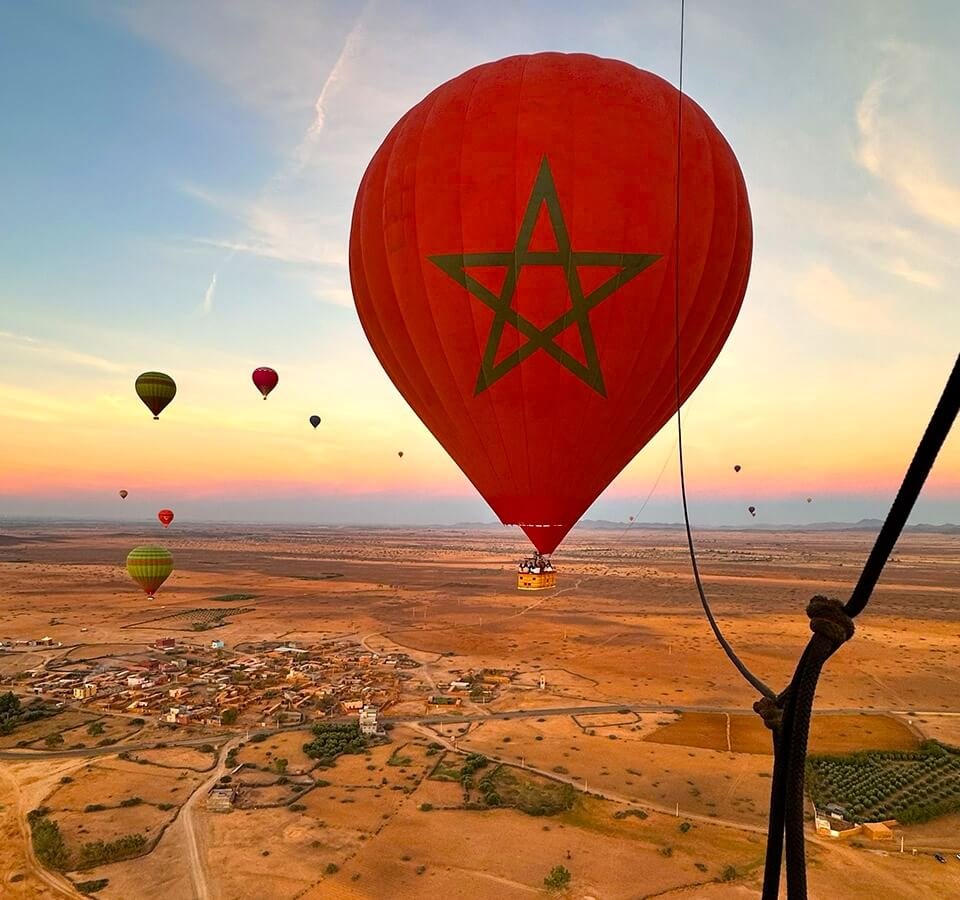
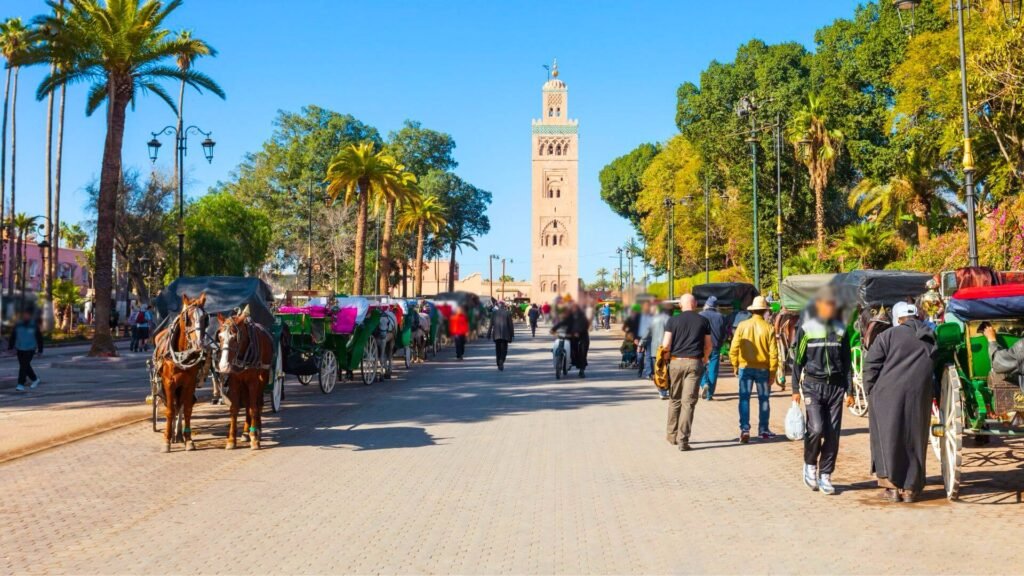
Marrakech — ancient medina, Atlas peaks an hour away, the Sahara beyond: one city, an entire country within reach

Why Visit Marrakech

The honest answer is that Marrakech is one of those rare cities where simply being there — walking its streets, sitting in its cafés, getting slightly lost in its souks — is the experience. You don’t need a packed itinerary. The city provides.

At its heart is the Medina, a UNESCO-listed labyrinth of alleyways, riads, and workshops where artisans still produce leather, ceramics, lanterns, and carpets using techniques passed down for generations. Behind the most unassuming doors lie some of the most beautiful interiors you’ll ever see — tiled courtyards, carved plasterwork, cedar ceilings painted in geometric detail.

Beyond the old walls, Marrakech has evolved into one of North Africa’s most dynamic cities. Design hotels, contemporary restaurants, art galleries, and a rooftop culture that makes the most of the city’s extraordinary skyline have added a modern layer without erasing what makes it singular.

Then there’s the geography. Within two hours of Marrakech, the landscape changes completely. The Atlas Mountains rise sharply to the south, their peaks snow-capped well into spring. The Sahara is a longer journey but worth every hour. The Atlantic coast at Essaouira sits three hours west, wind-blown and unlike anywhere else in Morocco.

And the food. Moroccan cuisine is genuinely one of the world’s great culinary traditions — and Marrakech is its most vivid expression. A slow-cooked tagine in a riad courtyard. A bastilla dusted with cinnamon and sugar. A rooftop dinner as the call to prayer drifts over the city at dusk. These are not just meals. They’re the texture of the trip.

For many travelers, Marrakech is the beginning of a long fascination with Morocco. It tends to do that.

Why Visit Marrakech

Best Time to Visit Marrakech

Marrakech is a year-round destination, but the city feels very different depending on when you arrive. Get the timing right and you’ll have warm days, cool evenings, and a Medina that feels alive without being crushed. Get it wrong and you’ll be sheltering from 40°C heat at midday wondering why nobody warned you.

Here’s what each season actually looks like.

Spring (March – May)

Spring is the sweet spot. Temperatures sit between 22°C and 28°C — warm enough to sit on a rooftop at lunch, cool enough to spend a morning walking the souks without wilting. The Majorelle Garden is at its most lush. The Atlas Mountains are still snow-capped against blue skies. The city feels vibrant without being overwhelmed.

It’s also peak season, so book your riad early. The best addresses fill up months in advance.

Summer (June – August)

July and August can hit 40°C or more, and midday in the Medina is genuinely uncomfortable. The narrow streets trap heat, and the pace of the city slows noticeably.

That said, summer has its logic: prices drop, crowds thin, and the evenings — once the heat finally breaks around 8pm — are long, warm, and atmospheric. If you go in summer, structure your days around it: early mornings, afternoon pool, late evenings out.

Autumn (September – November)

Autumn rivals spring as the best time to visit. The brutal summer heat fades through September, and by October temperatures are back to a comfortable 24°C–30°C. The city picks up again — restaurants are busier, the energy returns — without the full pressure of high season.

October in particular is excellent. The light is beautiful, the days are long, and the Atlas Mountains are good for hiking before the first snows arrive.

Winter (December – February)

Marrakech in winter surprises most visitors. Daytime temperatures of 18°C–22°C make sightseeing genuinely pleasant, and the city is quieter, more local, and easier to navigate. The riads can feel cold at night — many have open courtyards and minimal heating — so pack an extra layer.

For travelers who want Marrakech without the crowds, winter is an underrated choice.

Best Time to Visit Marrakech

Where to Stay in Marrakech

Where you sleep in Marrakech shapes the entire trip — the sounds you wake up to, the walk to your first coffee, how quickly you feel like you understand the city. The Medina alone offers dozens of distinct micro-neighborhoods, and the areas beyond the old walls each have their own rhythm.

Here’s what you need to know about each one.

Medina

The historic walled city is where most first-time visitors choose to stay, and for good reason. This is the Marrakech you came for — narrow streets, the scent of spices, lantern-lit evenings, and the chaos of Jemaa el-Fna a walk away.

Most accommodation here takes the form of riads — traditional Moroccan houses built around interior courtyards. From the outside, many look like plain stone walls. Inside, they reveal tiled fountains, carved cedar ceilings, and rooftop terraces overlooking the sea of terracotta rooftops. It’s one of the great surprises of travel.

Staying in the Medina puts you within walking distance of every major landmark. For first-timers, it’s the right choice.

Discover the best riads in the Medina
Marrakech Medina

Palmeraie

Twenty minutes north of the city, the Palmeraie is a different Morocco entirely. A vast palm grove dotted with luxury resorts and private villas, it trades the Medina’s intensity for space, silence, and serious pools.

It suits travelers who want Marrakech as a backdrop rather than a full immersion — couples looking for a resort experience, families who need room to breathe, or anyone who wants to decompress between days in the city.

Discover resorts in the Palmeraie
Where to Stay in Palmeraie Marrakech

Hivernage

Just outside the Medina walls, Hivernage is polished, modern, and quiet in a way the old city never quite is. Wide tree-lined streets, luxury hotels with full amenities, rooftop bars, and some of the city’s best restaurants — it works well for travelers who want comfort and convenience without sacrificing proximity to the historic center.

Explore hotels in Hivernage
Marrakech Hivernage

Kasbah

The southern edge of the Medina, the Kasbah sits close to the Saadian Tombs and El Badi Palace — two of Marrakech’s most significant historic sites. It has the atmosphere of the old city without the constant foot traffic of the central souks.

Riads here tend to be intimate, beautifully restored, and genuinely peaceful. It’s a favorite for couples and travelers who want history and quiet in equal measure.

Discover riads and stays in the Kasbah
Where to Stay in the Kasbah Marrakech

Gueliz

Built during the French protectorate in the early 20th century, Gueliz is Marrakech’s modern district — wide boulevards, gallery spaces, strong coffee, and a genuinely good restaurant scene that the Medina can’t always match for variety.

It suits urban travelers who want easy access to the old city without living inside it. A taxi to the Medina takes ten minutes and costs almost nothing.

See where to stay in Gueliz
Marrakech Gueliz

Each neighborhood is a different version of the same city. The right choice depends on what kind of trip you want — and our neighborhood guides break down each area in full to help you decide.

Where to Stay in Marrakech

Best Things to Do in Marrakech

Marrakech rewards curiosity. The most memorable moments here are rarely the ones on a highlight reel — they’re the unexpected courtyard you stumble into, the tea you’re offered in a carpet shop, the evening you stayed on a rooftop longer than planned because the light wouldn’t let you leave.

That said, there are a handful of experiences that belong in any visit, regardless of how long you’re staying.

Jemaa el-Fna

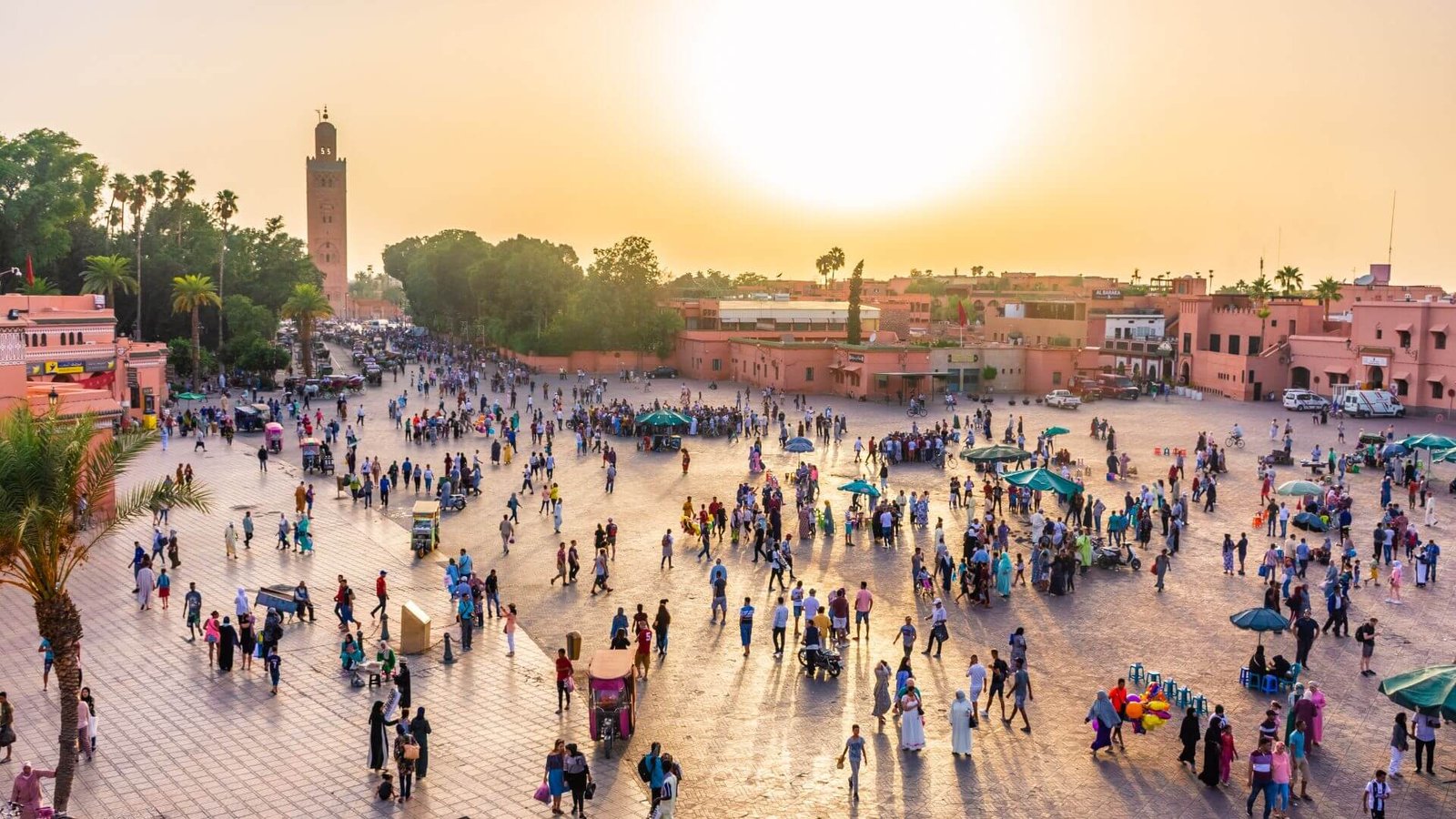
The central square of the Medina is one of those places that defies description until you’ve stood in it. By day it’s juice stalls, henna artists, and the occasional snake charmer. By evening it transforms — food stalls appear one by one, smoke rises from grills, musicians set up in overlapping circles, and the whole square becomes a kind of organized beautiful chaos that UNESCO has designated an Intangible Cultural Heritage.

Come at sunset. Stay for dinner. Don’t rush it.

Majorelle Garden

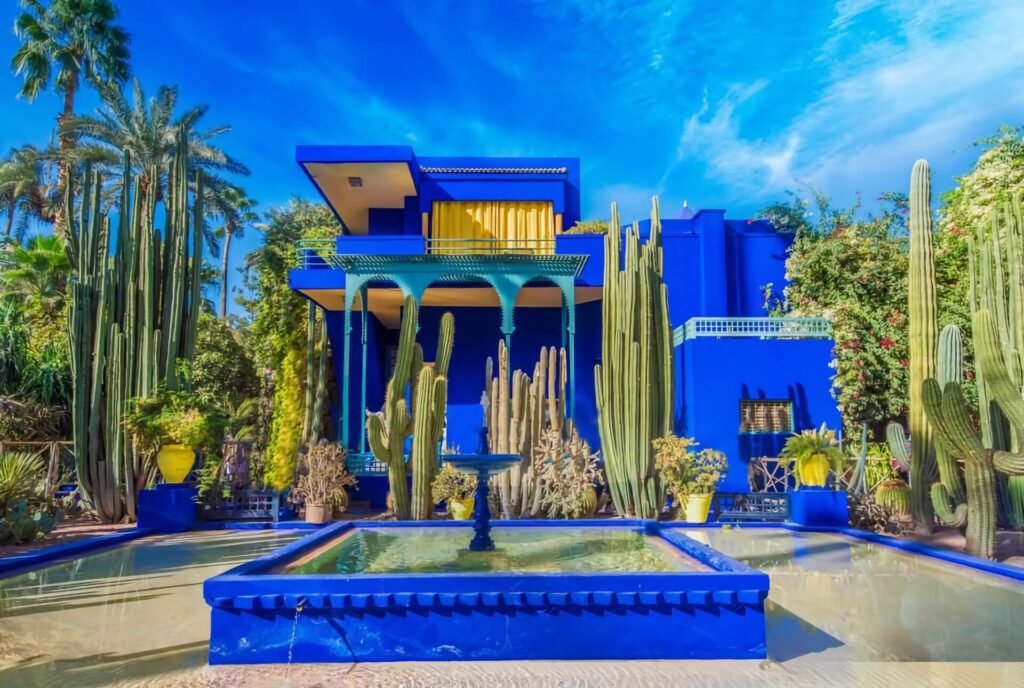
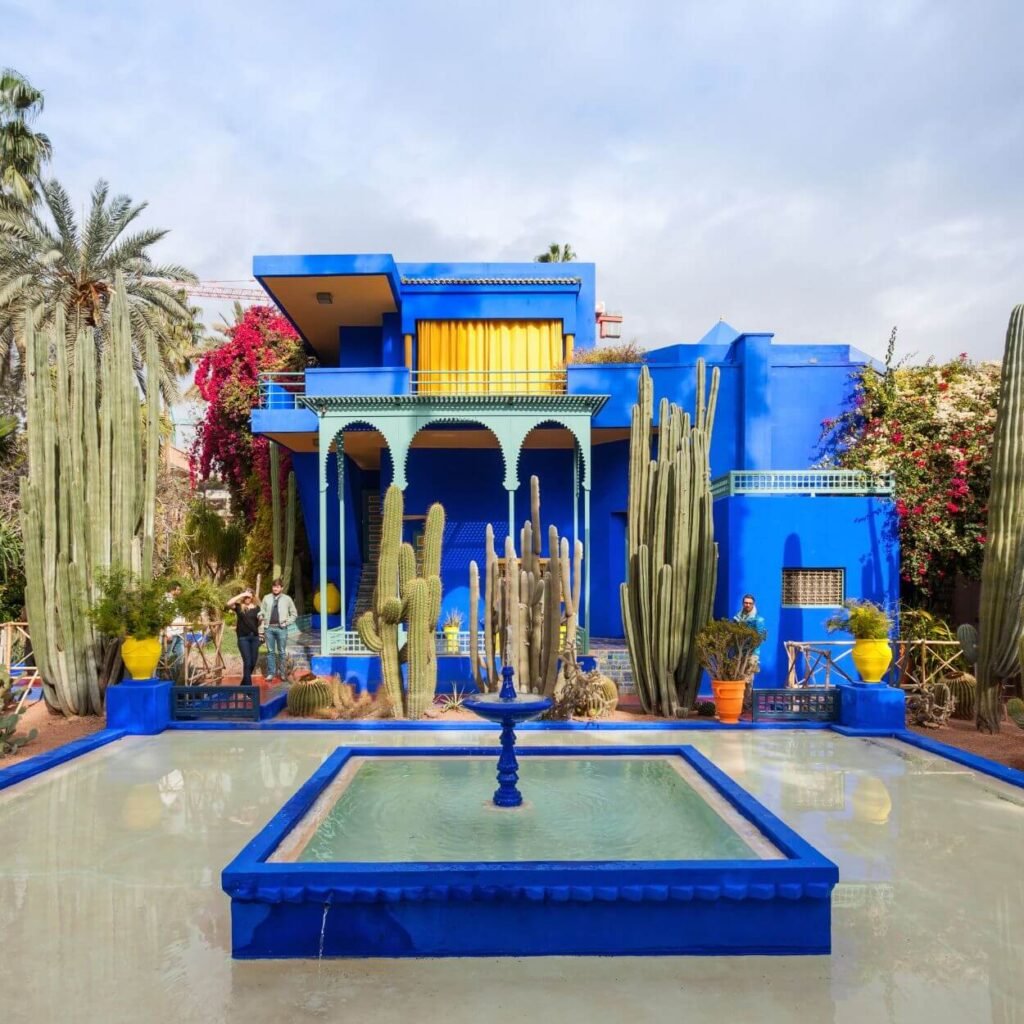
Created by French painter Jacques Majorelle in the 1920s and later rescued and restored by Yves Saint Laurent, the Majorelle Garden is genuinely one of the most beautiful small gardens in the world. The cobalt blue of the buildings against the green of the bamboo and the terracotta of the paths is immediately recognizable — and still striking in person.

Go early in the morning to beat the crowds. It opens at 8am.

Bahia Palace

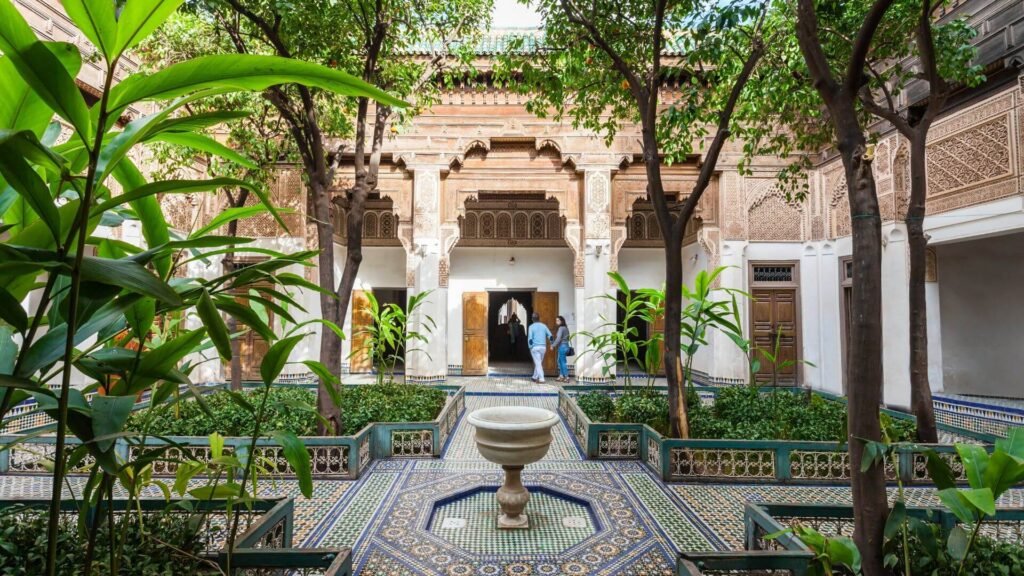
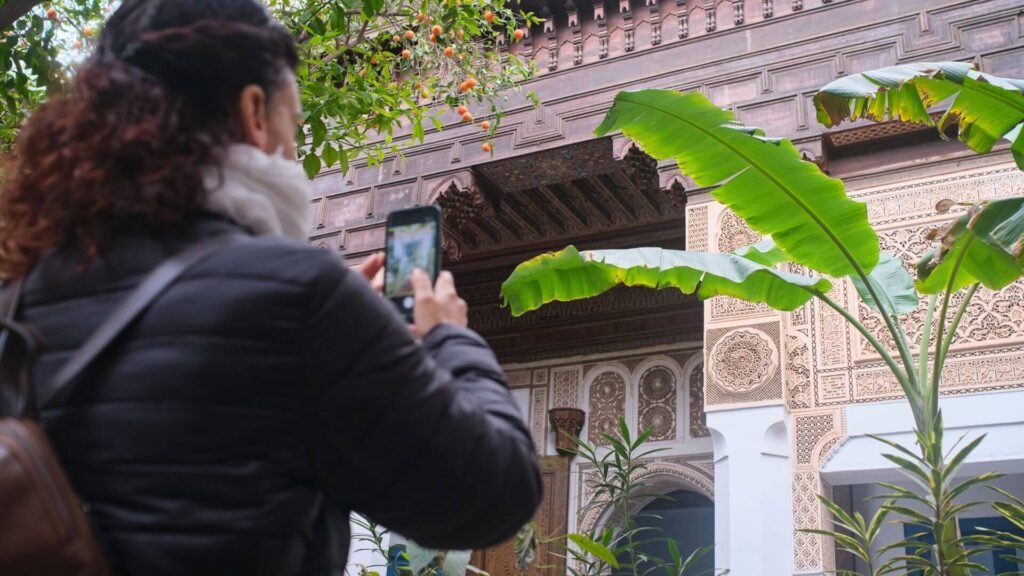
Built in the late 19th century for a Grand Vizier with excellent taste, the Bahia Palace is a masterclass in traditional Moroccan craftsmanship. Zellige tilework, painted cedar ceilings, marble fountains, and room after room of intricate carved plasterwork — it’s the kind of place that makes you slow down and actually look.

The Souks

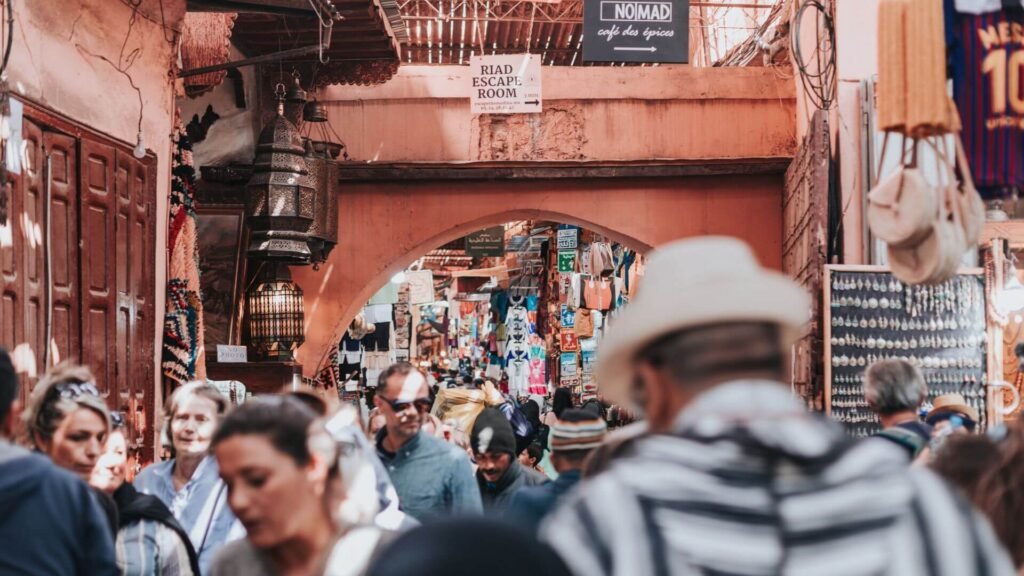
The souks of the Medina are not a single market but a whole district, each section dedicated to a different craft: leather in one quarter, spices in another, lanterns, carpets, ceramics, silver. Getting lost is inevitable and largely the point.

Don’t rush. Don’t feel pressured to buy. And know that the price first quoted is never the final price.

A Traditional Hammam

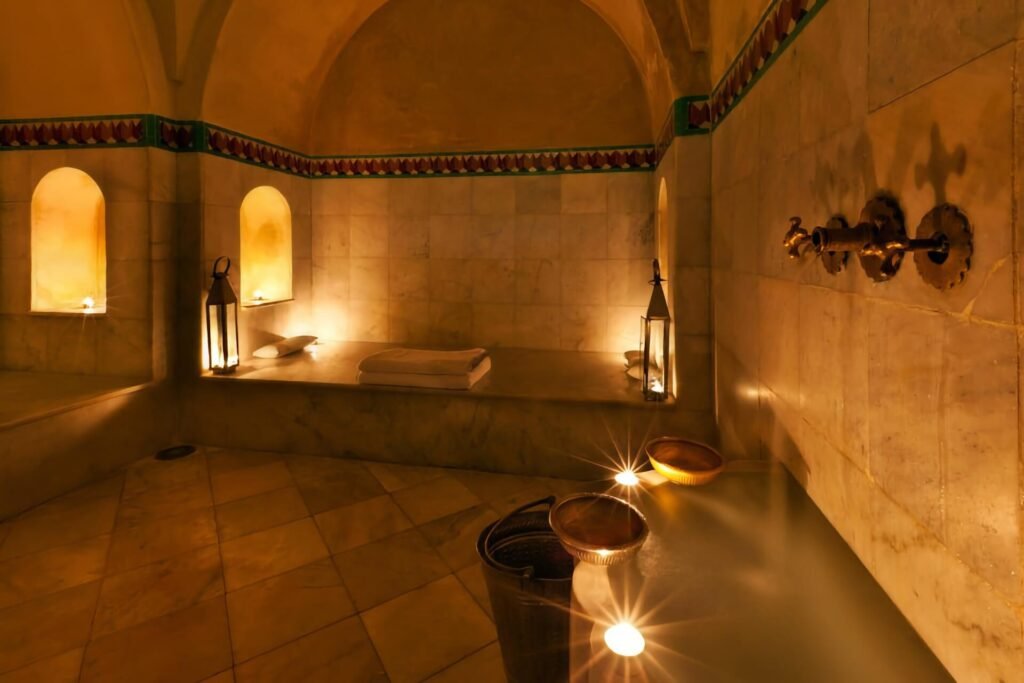
A Moroccan hammam is not a spa. It’s a ritual — steam rooms, black soap, a kessa mitt scrub that removes more dead skin than you knew you had, and an hour of absolute stillness afterward. It’s been a central part of Moroccan social life for centuries, and doing it properly is one of the most authentic experiences Marrakech offers.

Marrakech has everything from neighborhood hammams costing a few dirhams to luxury riad spa experiences. Both are worth trying for different reasons.

Best Things to Do in Marrakech

Best Day Trips from Marrakech

One of Marrakech’s underappreciated qualities is its location. Within a few hours in any direction, the landscape changes so dramatically it feels like a different country. Mountains, desert, ocean, river valleys — Morocco’s geography is extraordinary, and the city sits right at the center of it.

These are the excursions worth building time into your itinerary for.

Atlas Mountains

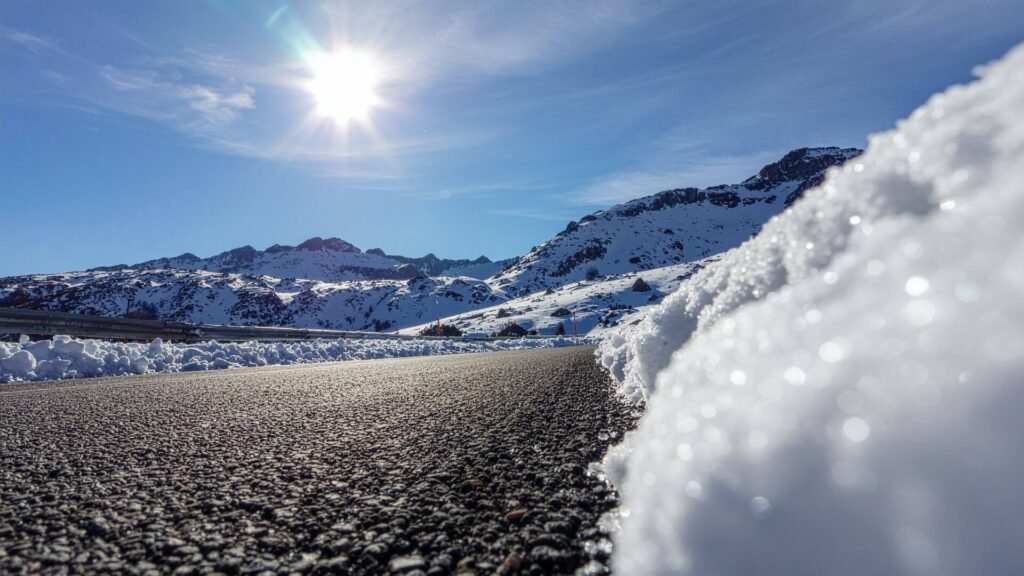
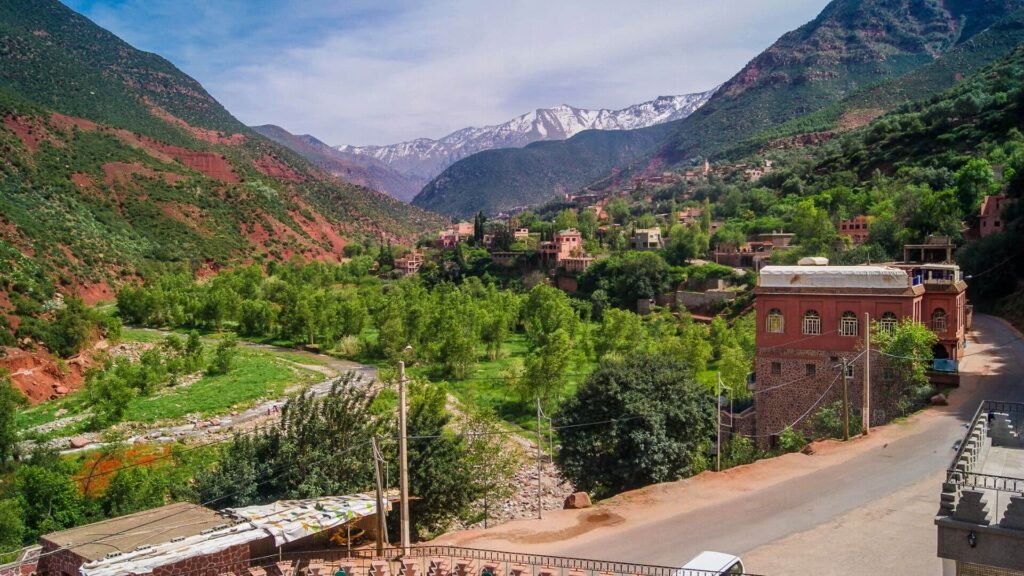
The Atlas Mountains rise dramatically just south of the city — on clear days you can see the snow-capped peaks from Marrakech itself. Within an hour, the palm groves give way to rocky valleys, terraced fields, and Berber villages that have been here for centuries.

Day trips typically cover the Ourika Valley or the higher Imlil area, with options ranging from scenic drives and village walks to longer hikes. The Atlas offers a complete change of air — literally and figuratively.

Plan an Atlas Mountains day trip
Atlas Mountains Viewpoints

Sahara Desert

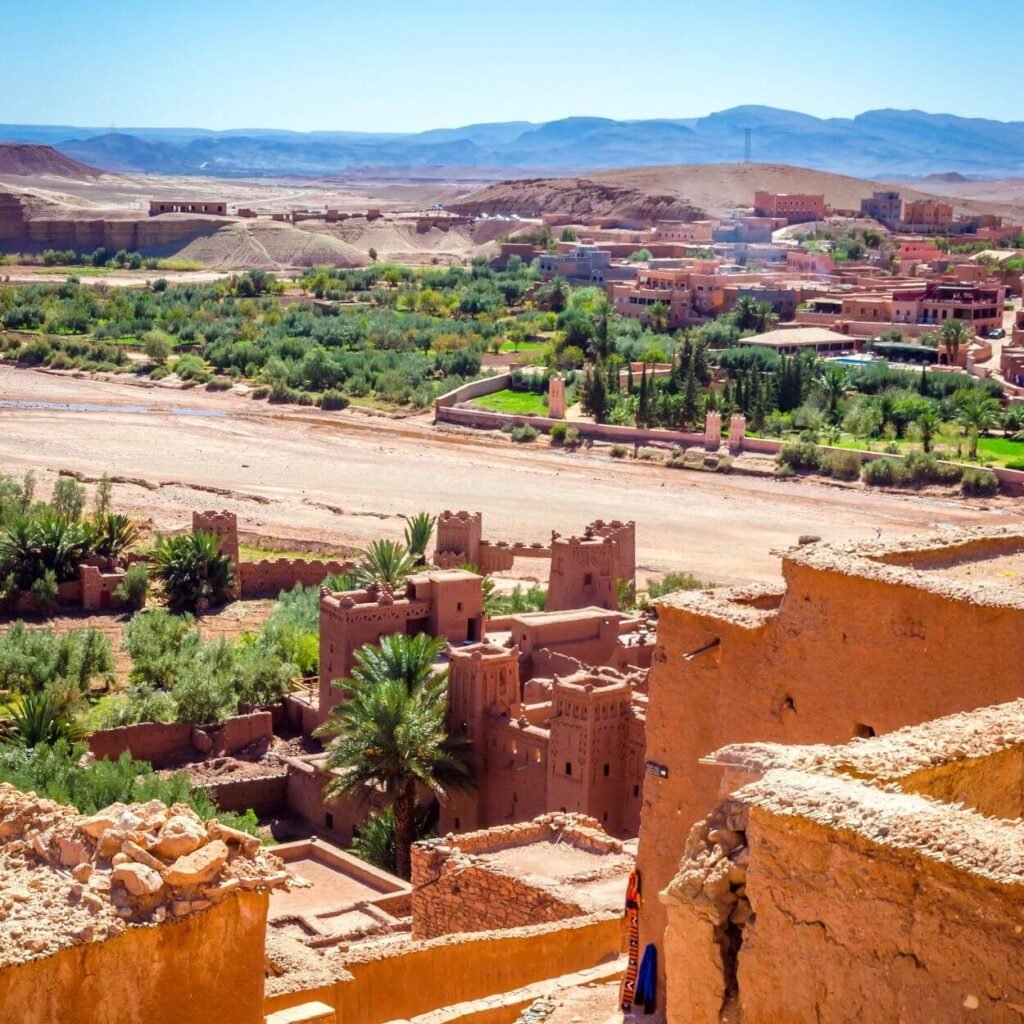
The great dunes of the Sahara are too far for a true day trip — the journey takes around nine hours each way — but multi-day excursions from Marrakech are among the most memorable travel experiences in North Africa. The route south passes through the Draa Valley, ancient kasbahs, and landscapes that shift from green to ochre to gold.

Spending a night in a desert camp, watching the stars from the dunes, and waking to silence broken only by wind is the kind of experience people talk about for years.

Discover Sahara Desert tours from Marrakech
Sahara Desert

Essaouira (Coastal Escape)

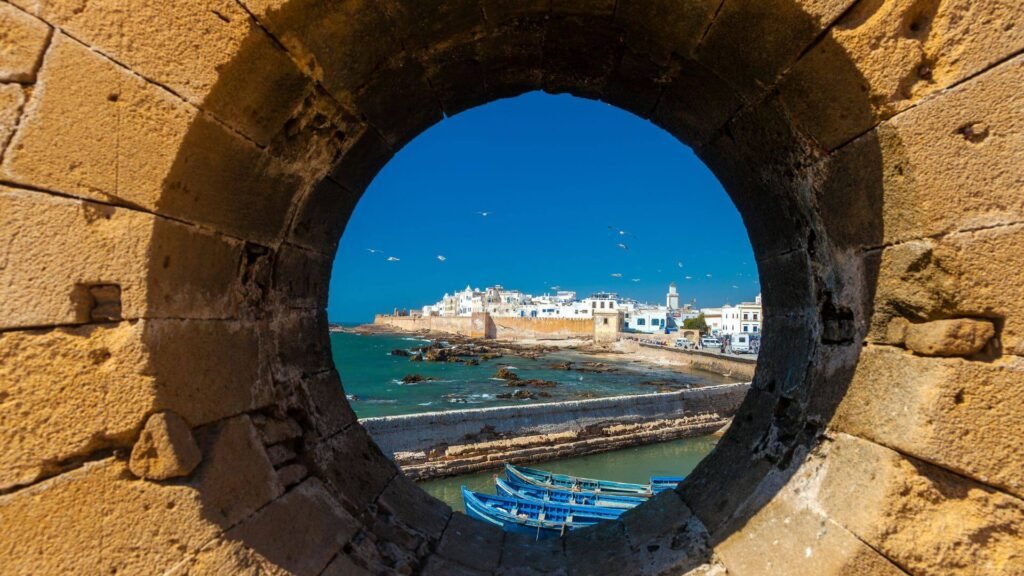
Three hours west on the Atlantic coast, Essaouira is everything Marrakech isn’t — wind-swept, unhurried, and painted in blue and white. Its UNESCO-listed Medina is smaller and easier to navigate, its fish market is excellent, and its beaches stretch for miles.

It makes a perfect counterpoint to Marrakech’s intensity. Many travelers find it resets them completely.

Explore a day trip to Essaouira
Coastal Escape Essaouira

Ourika Valley

An hour from the city, the Ourika Valley follows its river through green Berber villages and into the foothills of the Atlas. The famous Setti Fatma waterfalls sit at the end of a short hike and are worth the walk, especially in spring when the water runs strong.

The valley is close enough for a half-day, relaxed enough for a full one.

Discover the Ourika Valley day trip
Ourika Valley Day Trip: Quick Overview

Morocco’s landscapes are some of the most varied on earth — and Marrakech happens to sit within reach of all of them.

Best Day Trips from Marrakech

Food & Restaurants in Marrakech

Moroccan cuisine is built on patience — slow-cooked tagines, layered spice blends, doughs left to prove overnight, sauces reduced for hours. In Marrakech, that patience shows up everywhere, from the most modest riad kitchen to the most ambitious fine dining room.

Eating well here is not difficult. But knowing where to go makes a significant difference.

Fine Dining

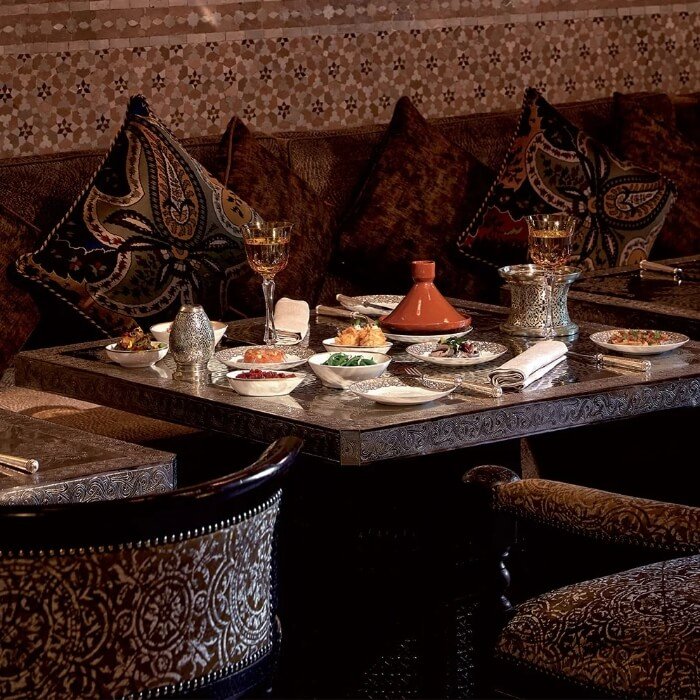
Marrakech’s fine dining scene has matured considerably. The best restaurants combine classical Moroccan technique with contemporary presentation — dishes that feel rooted but not frozen in time. Most are found inside restored riads or luxury hotels, where the setting is as carefully considered as the food.

Reserve in advance. The best tables don’t wait.

Explore the best fine dining restaurants in Marrakech
Fine Dining Marrakech

Traditional Moroccan Cuisine

A proper tagine — lamb slow-cooked with preserved lemon and olives, or chicken falling from the bone with saffron and ginger — is one of the most satisfying things you can eat in Marrakech. So is pastilla, the extraordinary sweet-savory pigeon pie dusted with cinnamon. And harira, the spiced soup that breaks the Ramadan fast and deserves to be eaten far more often than that.

The best traditional Moroccan cooking is found in small family-run restaurants and riad dining rooms — places that have been making the same dishes for generations and see no reason to change.

Discover traditional Moroccan restaurants
Traditional Moroccan Marrakech

Rooftop Restaurants

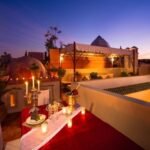
As the sun drops and the call to prayer rises across the Medina, a rooftop in Marrakech is one of the best places in the world to be. The terracotta roofscape, the light changing from gold to amber to purple, the sounds of the city drifting up — it’s a setting that turns even an average meal into a good memory.

Arrive before sunset. Order something to drink. Don’t be in a hurry.

Explore rooftop restaurants in Marrakech
Rooftop Restaurants Marrakech

Cafés

Gueliz in particular has developed a café culture worth seeking out — proper espresso, good pastries, places where locals actually sit and stay a while. These spots are ideal for slow mornings, working breakfasts, or a midday break between sites.

Find the best cafés in Marrakech
Cafés Marrakech

Street Food

Jemaa el-Fna after dark is one of the great street food experiences anywhere. Merguez sizzling on open grills, harira bubbling in pots, stalls selling snails in broth, vendors pressing oranges to order. It’s loud, smoky, chaotic, and completely wonderful.

Eat where the locals eat. Point at what looks good. Trust the process.

Discover Marrakech street food
Street Food Marrakech

Whether you’re spending three hours at a fine dining table or twenty minutes at a street stall, eating in Marrakech is never just eating. It’s always part of something larger.

Food & Restaurants in Marrakech

How Many Days in Marrakech

Marrakech works at almost any length of stay — but what you get from the city changes considerably depending on how long you give it. Two days is enough to feel it. Five days is enough to understand it. A week starts to feel like you actually live there, briefly.

Here’s an honest guide to what each duration gets you.

2 Days in Marrakech

Two days is tight but doable. You’ll cover the Medina’s main landmarks — Jemaa el-Fna, the souks, Bahia Palace, Majorelle Garden — have a rooftop dinner, and leave with a strong first impression. It works best as part of a wider Morocco trip rather than a standalone visit.

See the 2-day Marrakech itinerary
2 Days in Marrakech

3 Days in Marrakech

Three days is the sweet spot for a first visit. Enough time to see the main sights without rushing, fit in a hammam, eat well across multiple neighborhoods, and start to feel like you have a small sense of the city’s rhythm. Most first-timers leave wishing they’d stayed one more day — which is probably the right feeling.

Discover the 3-day Marrakech itinerary
3 days in Marrakech itinerary

4 Days in Marrakech

Four days opens up the surrounding landscape. Add a day trip to the Atlas Mountains or Essaouira and the trip gains a completely different dimension. You’ll also have time to move more slowly through the Medina — to wander without a map, to sit somewhere for an hour, to find the things that aren’t on any list.

Explore the 4-day Marrakech itinerary
4 days in Marrakech itinerary

5-Day Marrakech + Desert

Five days is when the itinerary can start to breathe properly. Combining Marrakech with a desert excursion — two or three nights in the Sahara via the Draa Valley — creates the kind of trip that covers an extraordinary range in a short time. City and wilderness. Ancient medina and open horizon. It’s a contrast that stays with you.

Plan a 5-day Marrakech and desert itinerary
5-Day Marrakech + Desert

7 Days in Morocco (Starting from Marrakech)

A full week lets you treat Marrakech as a base for a broader Morocco circuit. The classic route goes south through the Atlas, into the desert, and either loops back or continues to Fes. By the end you’ll have covered a remarkable range of landscapes, cultures, and experiences — and you’ll understand why Morocco has such a grip on the people who visit it.

See the 7-day Morocco itinerary from Marrakech
Atlas Mountains Day Trip

However long you stay, Marrakech has a way of making you feel like you need a little more time. That’s probably the most honest thing to say about it.

How Many Days in Marrakech

Travel Tips for Marrakech

Marrakech is an easy city to visit — but a few things catch first-timers off guard. None of them are serious, but knowing about them in advance means you spend less time confused and more time enjoying yourself.

Currency & Tipping

Morocco’s currency is the dirham (MAD). Cards are accepted at most hotels, larger restaurants, and some shops — but the Medina runs largely on cash. ATMs are available throughout the city; withdraw dirhams on arrival rather than exchanging at the airport.

Tipping is normal and appreciated. In restaurants, 5–10% is standard if service isn’t included. Guides, drivers, and hotel staff also typically receive tips — small amounts make a meaningful difference.

Learn more about currency and tipping in Morocco

Dress Code

Marrakech is genuinely welcoming and cosmopolitan, but it’s also a Muslim city with its own sense of appropriate dress. Nobody will stop you for wearing shorts, but covering shoulders and knees — especially in the Medina and near mosques — is respectful and practical in equal measure. Lightweight layers work well in any season.

Safety

Marrakech is safe. Millions of visitors arrive each year without incident, and Moroccan hospitality is not a cliché — it’s real. The usual common-sense rules apply: watch your belongings in crowded areas, avoid unlit streets late at night, and trust your instincts. The city is far less intimidating than first impressions suggest.

Bargaining in the Souks

Prices in the souks are not fixed. The first number you hear is an opening position, not a final offer. Counter-offer, stay relaxed, and don’t feel pressured — walking away is a legitimate negotiating tactic. The whole process is more social ritual than commercial transaction, and most vendors enjoy it.

Don’t feel bad about negotiating. They’re expecting it.

Language

Arabic and French are the main languages, with Darija (Moroccan Arabic) the everyday dialect. English is widely spoken in tourist areas. A few words of Arabic go a long way — “shukran” (thank you) and “la shukran” (no thank you, useful in the souks) will serve you well and are always met with warmth.

Travel Tips for Marrakech

Getting Around Marrakech

Marrakech is easier to navigate than it looks. The Medina is pedestrian by design — the streets were built for donkeys and foot traffic, not cars — and most of what you want to see is within walking distance of each other. Outside the old city, taxis handle everything else.

Walking in the Medina

The only real way to experience the Medina is on foot. The alleys are too narrow for anything else, and half the best things you’ll find — a door, a courtyard, a café nobody talks about — you’ll only see by wandering.

Getting lost is part of it. Navigation apps work reasonably well as a safety net, but don’t let them stop you from putting the phone away.

Petit Taxis

Small beige taxis operate throughout the city and are inexpensive. The meter isn’t always used — agree on a price before getting in, especially from tourist areas. For most short journeys within the city, the fare is genuinely cheap.

Tip: ride-hailing apps like inDrive and Careem work in Marrakech and remove the negotiation entirely if you prefer.

Airport Transfers

Marrakech Menara Airport is about 15 minutes from the city center. Your riad can usually arrange a private transfer, which is the simplest option when you’re arriving with luggage for the first time. Grand taxis (larger shared taxis) also run from the airport and are less expensive.

Day Trip Excursions

For anything outside the city — Atlas Mountains, Essaouira, the Sahara — you’ll either book an organized tour or hire a private driver. Private drivers are worth the cost for flexibility and comfort, especially for full-day trips. Your riad can usually recommend someone reliable.

Getting Around Marrakech

Plan Your Trip to Marrakech

The logistics of visiting Morocco are straightforward — but a few things are worth sorting in advance. Visa requirements, travel insurance, and local SIM cards are the three that make the biggest practical difference.

Packing for Marrakech

The essentials: lightweight layers for warm days and cool evenings, comfortable walking shoes that can handle uneven cobblestones for hours, sun protection, and at least one outfit that covers shoulders and knees. A small day bag works better than a large backpack in the narrow streets of the Medina.

See the complete Marrakech packing list
Morocco Packing List

Morocco Visa Guide

Most Western passport holders enter Morocco visa-free for stays up to 90 days, but requirements vary by nationality. Check before you travel — entry rules do change, and being turned away at the border is an avoidable problem.

Check Morocco visa requirements
Morocco Visa Guide

Travel Insurance

Morocco is safe and its healthcare system is functional in the cities, but travel insurance remains strongly recommended. Medical evacuation coverage in particular is worth having for any trip that includes remote areas like the Atlas or the desert.

Learn about travel insurance for Morocco
Morocco Travel Insurance

SIM Cards & Internet

A local SIM card is one of the best decisions you’ll make on day one. Maroc Telecom and Orange both sell prepaid SIMs at the airport — data is cheap, coverage is good, and having maps and translation apps working from the moment you land makes everything easier.

Read the guide to SIM cards and internet in Morocco
Morocco SIM Cards & Internet

Currency & Tipping Guide

The dirham is Morocco’s currency and cannot be obtained outside the country. Withdraw cash at the airport ATM on arrival — you’ll need dirhams immediately for your taxi. Understanding tipping customs in advance saves awkward moments at restaurants, hammams, and with guides.

See the Morocco currency and tipping guide
Morocco Currency & Tipping Guide

The practical side of a Marrakech trip is genuinely simple once you know what to prepare. Get these details sorted before you arrive and the rest takes care of itself.

Plan Your Trip to Marrakech
💬
Marrakist Marrakist Concierge